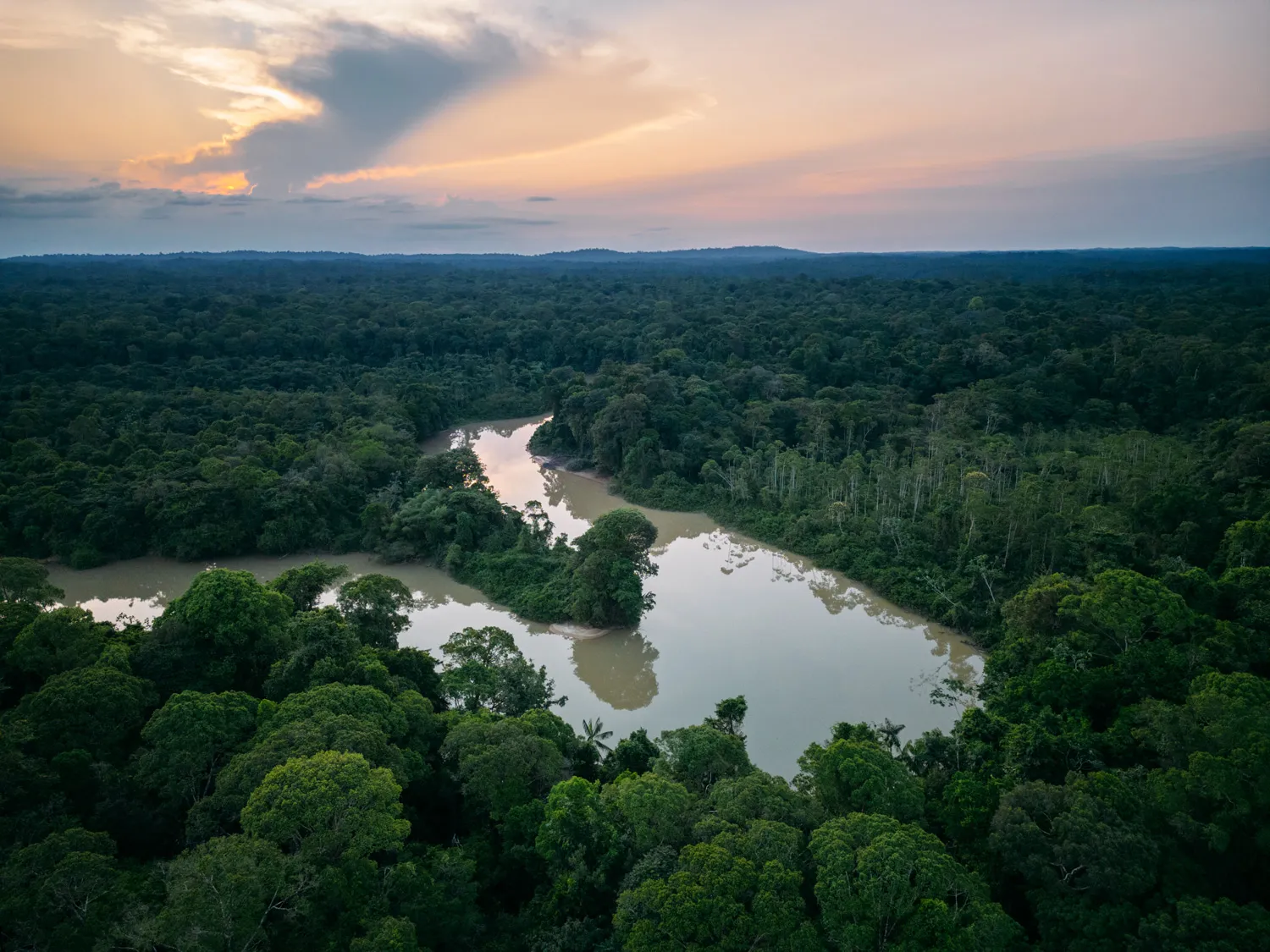
Between Cayenne and Kourou, two towns that travellers often drive straight through more than deserve a full day of their own. Macouria and Montsinéry-Tonnégrande make up what locals call western Cayenne: a land of savannahs, creeks and forests where French Guiana reveals itself far from the crowds. After several years of welcoming travellers at Hostel Toucan, here is our first-hand guide to exploring this overlooked corner, between caimans, the Guyana Zoo and authentic Creole tables.
Macouria and Montsinéry: where are these towns?
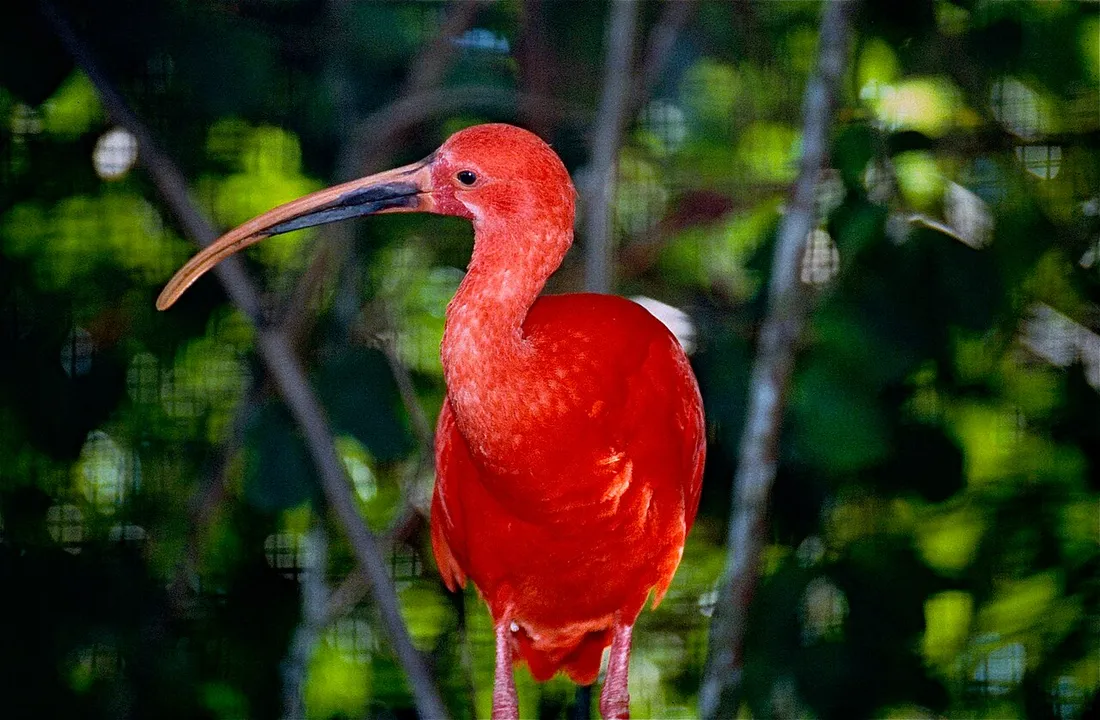
Macouria stretches along the RN1 highway, about twenty minutes west of Cayenne (roughly 25 km). It is now one of the fastest-growing towns on the coast, with the village of Tonate as its historic heart. Montsinéry-Tonnégrande, on the other hand, reaches further inland: allow 35 to 45 minutes from Cayenne via the RD5, a road lined with savannahs where it is not unusual to spot scarlet ibises at daybreak.
In practice, the two towns are best visited together over a single day. A car is essential: there is no convenient bus line serving the tourist sites, and the distances between points of interest (5 to 15 km) can only be covered on four wheels. If you are staying in Cayenne or Rémire-Montjoly, allow 30 to 50 minutes of driving depending on the site.
Why come here?
- To see crocodiles and caimans up close, in a natural setting.
- For one of the only zoos in the Amazon region devoted entirely to local wildlife.
- For the open savannahs, a rare landscape in a French Guiana that is mostly forest.
- To eat genuine Creole cuisine far from the tourist restaurants.
The Guyana Zoo: Macouria’s must-see
Located in Montsinéry-Tonnégrande (on the edge of Macouria), the Guyana Zoo is the area’s flagship site. Don’t mistake it for an ordinary zoo: it is a park spanning several hectares devoted almost exclusively to Amazonian wildlife, tucked deep in the forest.
What you’ll see
Along a roughly 1.5 km route built up with walkways and shaded trails, you’ll come across:
- The jaguar, the park’s star, in a large enclosure.
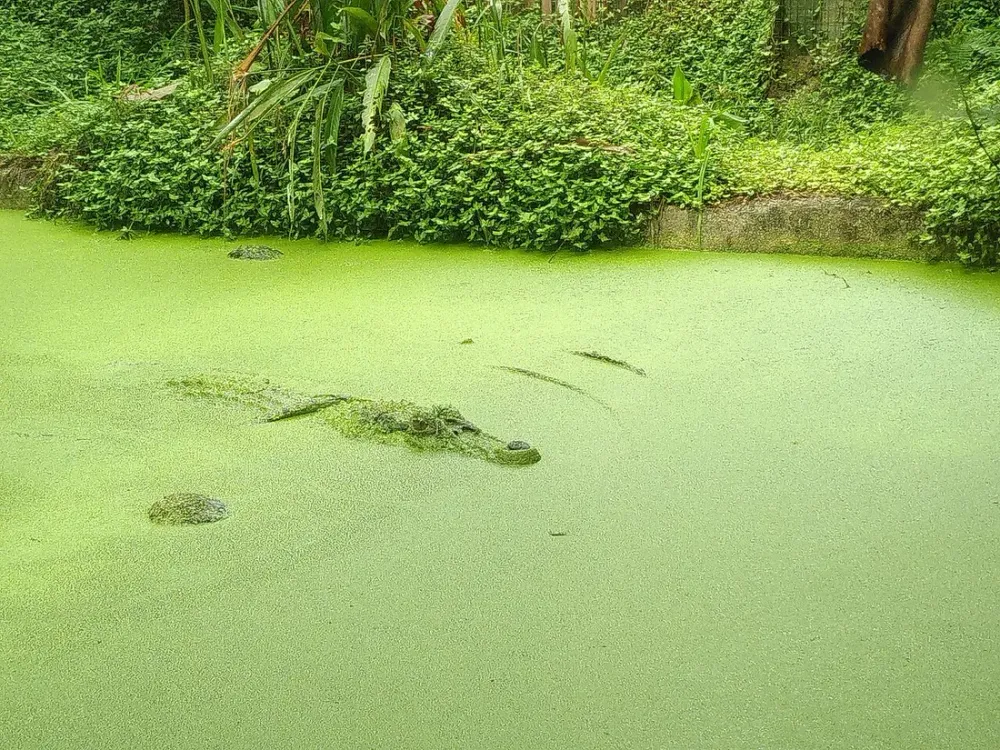
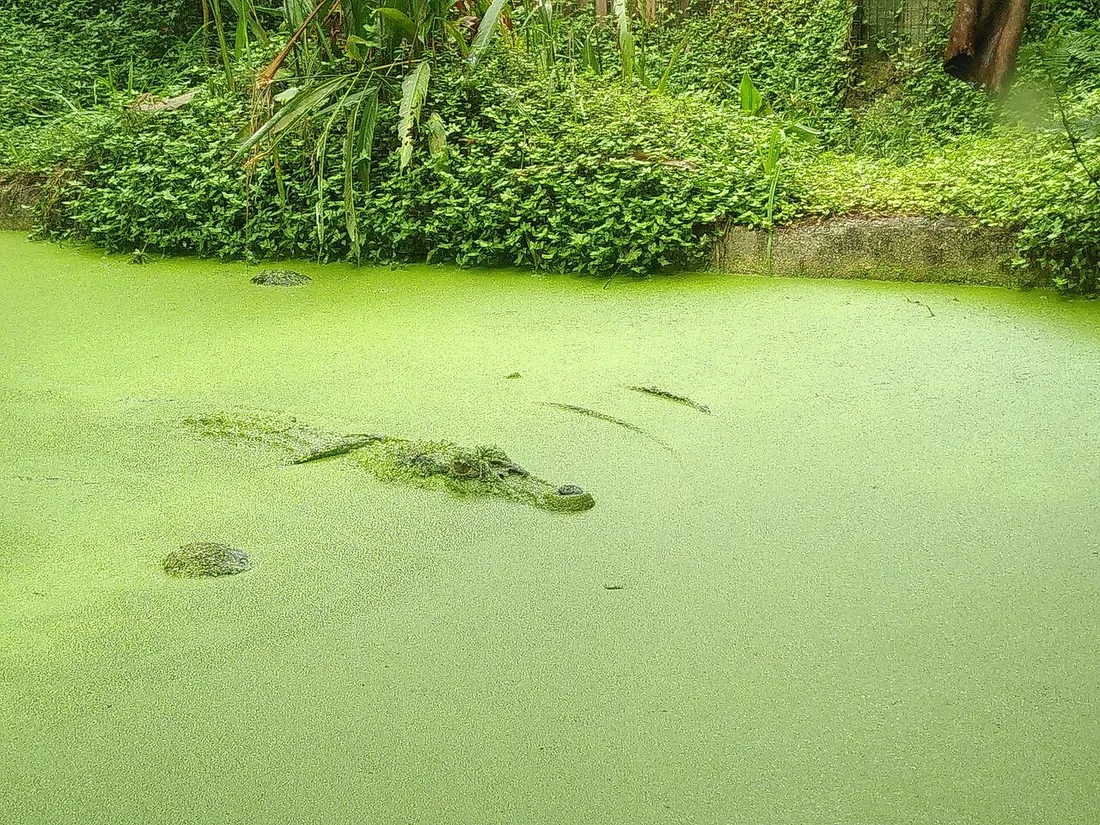
- Black caimans and spectacled caimans.
- The tapir, the ocelot, the sloth and the giant otter.
- Monkeys (spider monkey, squirrel monkey, tamarin) and many birds: macaws, curassows, toucans.
- A canopy reached via a suspended walkway, a highlight of the visit.
Allow 2.5 to 3 hours to make the rounds at a relaxed pace. Admission is around €16 to €18 for an adult and €11 to €12 for a child (free for toddlers). The park is generally open from 10 am to 6 pm; come in the morning instead, when the animals are active and the heat is bearable.
Our first-hand tips
- Bring insect repellent, a cap and water: part of the trail is out in the open.
- In the morning (around opening) or late afternoon, the animals move about more.
- The on-site snack bar will do in a pinch, but a Creole table in Tonate (see below) is well worth the detour for lunch.
Caimans and wildlife watching in Montsinéry
Beyond the zoo, Montsinéry-Tonnégrande is known for its caiman-watching outings. Several local operators offer night excursions on the nearby creeks and marshes: by headlamp, you spot the red eyes of caimans at the water’s surface. A striking experience, usually priced between €35 and €55 per person depending on length (often 2 hours at the start of the night).
The area is also a goldmine for birdwatching. The Montsinéry savannahs are home to scarlet ibises, jacanas, boat-billed herons and numerous raptors. Get up early: between 6 and 8 am, the light and the birds’ activity are at their peak.
A half-day nature idea
- Leave Cayenne around 6 am, birdwatching in the savannahs (1 hr).
- A quick breakfast in Tonate.
- The Guyana Zoo mid-morning (3 hrs).
- A Creole lunch in Macouria.
The savannahs of western Cayenne
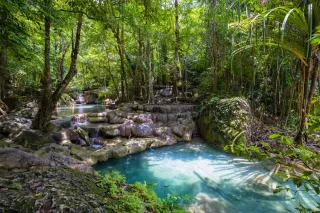
What surprises you here is the landscape. More than 90% of French Guiana is covered in forest, but western Cayenne offers vast grassy savannahs dotted with copses and stands of pinot palms. Along the RD5 and around Macouria, these open expanses are a radical change from the forest atmosphere of the rest of the territory.
It’s an excellent setting for:
- Photography at sunrise or sunset.
- Watching birds and, with a bit of luck, the giant anteater.
- Short walks accessible to all, with no elevation gain.
A word of caution: the dry season, from July to late November, remains the best time to enjoy the tracks and savannahs without wading through mud. In the rainy season, some paths become hard going without a 4x4.