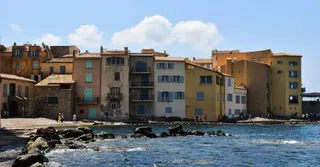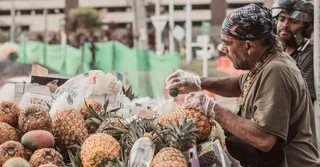
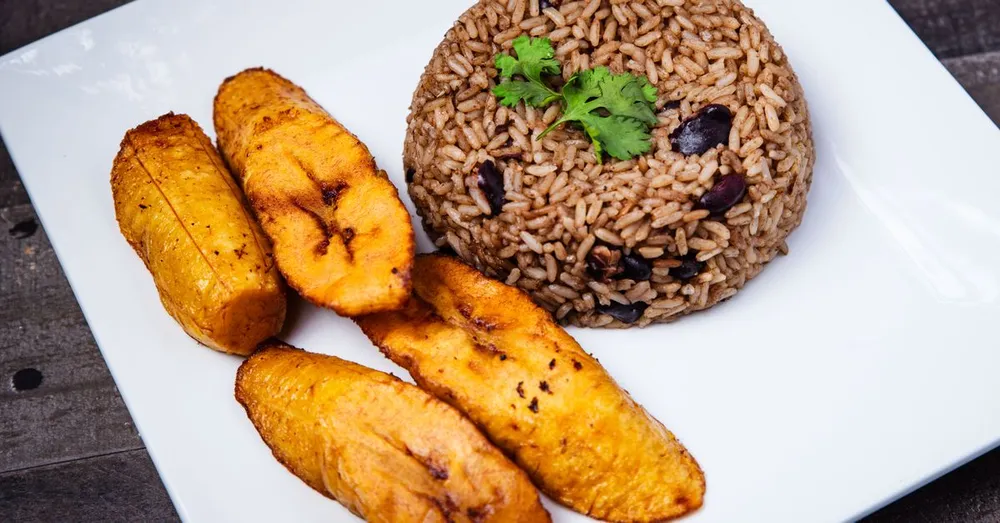
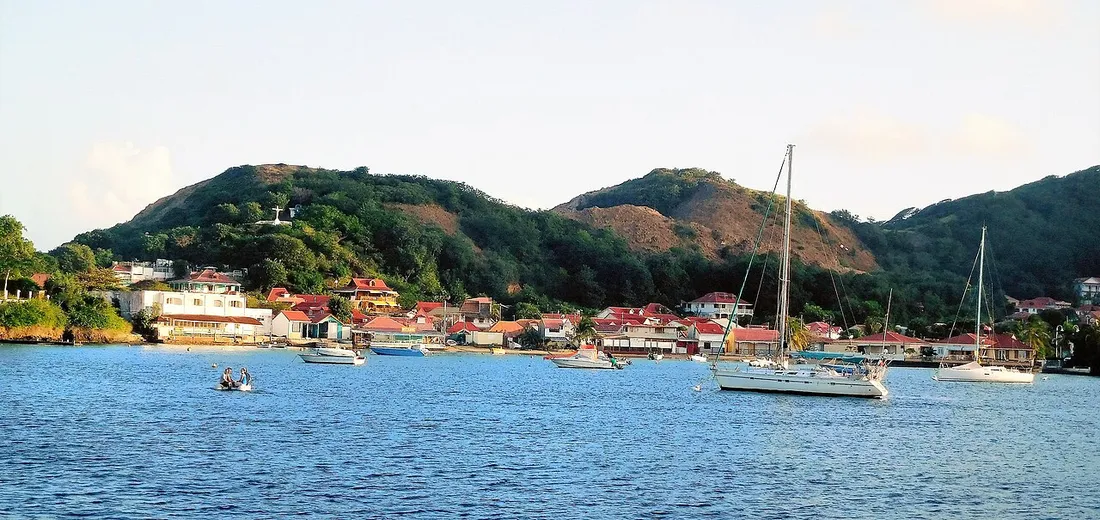
You don’t come to Terre-de-Haut only for the bay ranked among the most beautiful in the world: you also come for what the Saintois put on the plate. For a long time, the Saintes archipelago lived off fishing, and that maritime identity can still be tasted at every table. Finding a good restaurant in Les Saintes is no challenge once you know where to look, but the mistake of the rushed day-tripper is to eat anywhere between two sights and leave with a bland impression of a cuisine that deserves better. At Hostel Toucan, our hosts based in Guadeloupe know the good addresses in the village, the ones where you eat a fish that came out of the water that very morning. Here is our guide to eating Creole on Terre-de-Haut without going wrong, along with the meal logistics that come with a day excursion.
The cuisine of Les Saintes: a fishermen’s identity
Before talking addresses, you need to understand what sets the food of Terre-de-Haut apart from the rest of Guadeloupe. The island is tiny — 6 km long, barely 1,500 inhabitants — and its arid soil lends itself poorly to farming. The result: here, the sea has always served as the pantry.
The men of Les Saintes were renowned for their saintoises, those colourful fishing boats with a tapered bow, still visible on the shoreline. This heritage is found directly on restaurant menus: fish is king here, often more present than meat, and prepared with a simplicity that lets the freshness of the product speak.
Among the specialties of Les Saintes you’ll come across:
- Grilled or court-bouillon fish: red snapper, mahi-mahi (the tropical dorado), kingfish, depending on the day’s catch.
- Bébélé: a hearty simmered dish that came from Marie-Galante but is well rooted in the archipelago, made with tripe, breadfruit, green banana and local root vegetables.
- Tourment d’amour: the island’s emblematic pastry, which we discuss in detail below.
- Salt cod or fish accras, an essential starter.
- Chatrou (octopus) fricassee, and lambi (conch) when the season allows.
Host tip: always ask what the catch of the day is. In Les Saintes, the best plate isn’t necessarily the specialty on the board, but the fish the restaurateur bought that very morning from the local fisherman.
Where to eat on Terre-de-Haut: lolos, village tables and waterfront
The village of Terre-de-Bourg holds most of what’s on offer. Everything is done on foot once you step off the ferry, which greatly simplifies the lunch question. There are three families of addresses.
Lolos and snack stands: the authentic, budget option
The lolo is that small, no-frills Creole eatery, sometimes reduced to a few tables under a tin roof, where you eat home-style cooking at gentle prices. It’s our top recommendation for anyone wanting to eat local without breaking the bank.
- Budget: €10 to €16 per dish (grilled fish, fish sandwich, accras and fries).
- The Saintes sandwich: fresh bread filled with fish or salt cod, perfect to take away to Pompierre beach.
- Payment: bring cash, as many small lolos don’t accept cards.
You’ll find several of these eateries along the main street and near the landing stage. Don’t hesitate to trust local crowds: where the Saintois eat, you’ll eat well.
Waterfront restaurants: the table with a view
For a more relaxed lunch or dinner, the restaurants facing the bay offer the winning combo: refined Creole cuisine and a panorama over the Pain de Sucre. This is where you savour a whole grilled fish, a colombo, or a dorado tartare.
- Budget: €18 to €30 per main course, more for fish by weight or a lobster.
- Reservation: strongly advised at lunch in the dry season (December to April) and on weekends, especially when several ferries arrive at the same time.
- Atmosphere: these terraces fill up between 12:30 and 1:30 p.m. Shift to noon sharp or after 2 p.m. to avoid the rush.
Guest tables and evening addresses
If you make the smart choice to spend a night on the island rather than head back the same evening, another Terre-de-Haut opens up to you. With the day-trippers gone, the village regains its calm and a few tables open for dinner. This is the best time to sample a more elaborate menu, sometimes around a homemade rhum arrangé, in a village atmosphere.
Tourment d’amour: the specialty you mustn’t miss
It’s impossible to talk about the food of Terre-de-Haut without lingering on its queen of pastries. The tourment d’amour is a small shortcrust tartlet, filled with coconut jam (sometimes banana, guava or chocolate in modern versions) topped with a soft sponge that rises as it bakes.
Legend has it that the women of Les Saintes prepared them for their fishermen husbands gone out to sea, waiting for them on the jetty — hence this evocative name. To this day, you buy your tourment d’amour right on the landing stage, from the women who greet the boats with their baskets.
- Price: around €1.50 to €2.50 each depending on filling and size.
- When to buy it: piping hot, on arrival or before boarding for the return. Warm, it’s incomparable.
- Good to know: the coconut version remains the traditional one and our favourite. Taste several flavours if you’re hesitating.
Our tip: buy two or three for the road. The tourment d’amour keeps well for a few hours and makes the perfect snack on the return ferry, facing the bay as it recedes.
For anyone who wants to dig into the history and detailed recipe of this treat, a whole chapter of Guadeloupe’s sweet heritage unfolds behind these tartlets sold from baskets at the dockside.
Meal logistics for a one-day excursion
Most visitors discover Terre-de-Haut over a single day, departing from Trois-Rivières (20 min by ferry) or Pointe-à-Pitre (45 min to 1 h). Managing your meals well keeps this tight day from being spoiled. Here’s how we advise our travellers to organise themselves.
Lunch timing
- Arrival around 8:30 a.m.: tour the village and Fort Napoléon in the morning, on a light stomach.
- Lunch between noon and 12:30 p.m.: before the crowd, or after 2 p.m. once the first wave has passed.
- Mind the ferry margin: the last boat often leaves between 3:30 and 4:30 p.m. Never start a sit-down meal at 2:30 p.m. if your return is at 3:45 p.m.
Eating on the go to save time
If your day is packed (Fort Napoléon in the morning, Pompierre beach and snorkelling at the Pain de Sucre in the afternoon), a sit-down meal will cost you a precious hour. The alternative:
- A fish sandwich or accras grabbed at a lolo, to take away.
- A picnic on Pompierre beach, in the shade of the coconut palms.
- The tourment d’amour as a roaming dessert.
A realistic meal budget for one day
For two people on a day excursion, count on:
- Budget option (lolos): €25 to €35 for two, lunch plus tourments d’amour.
- Waterfront restaurant option: €50 to €75 for two, starter and main with a view.
- Drinks: a planteur or a ti-punch runs around €5 to €8, water and sodas €2 to €4.
To this you obviously add the ferry (€23–28 round trip per adult from Trois-Rivières, €35–49 from Pointe-à-Pitre) and the possible rental of a scooter on site.
Our host tips for eating well in Les Saintes
After dozens of guided excursions, a few simple rules keep coming back:
- Book lunch in high season. The good waterfront tables fill up when three ferries arrive together.
- Favour local fish over imported dishes (rib steak, pasta). You’re on a fishermen’s island — make the most of it.
- Keep cash on hand. Lolos, tourment d’amour sellers and small producers don’t always take cards.
- Taste the bébélé at least once if you find it on the menu: this simmered dish tells the whole Creole history of the archipelago.
- Stay hydrated: under the Saintes sun, a meal too heavy on rum is paid for on the climb up to the Fort.
To prepare your whole discovery of the butterfly archipelago — Grande-Terre, Basse-Terre, Marie-Galante and the other islands — check out our complete guide to Guadeloupe, full of gastronomic and practical tips.
Making Terre-de-Haut a true gourmet stopover
Let’s be honest: one day is enough to taste the essentials, but it’s by staying one night on the spot that Terre-de-Haut reveals its true cuisine, the evening kind, far from the crowd of day-trippers. Our most satisfied travellers are those who took the time for a quiet Creole dinner, then a breakfast facing the bay on waking.
At Hostel Toucan, we select accommodation in Guadeloupe designed for these island getaways: close to the landing stages, personalised advice from our local hosts and good addresses shared without a filter. Direct booking comes with no platform fees, cancellation is free up to 7 days before arrival, and our WhatsApp support answers 7 days a week to fine-tune your ferry times, book a sought-after table or steer you to the right lolo.
Do you own a property in Guadeloupe and want to offer your travellers this local culinary authenticity? Discover our concierge service for owners.
Recap: eating Creole on Terre-de-Haut
- The cuisine of Les Saintes is a fishermen’s cuisine: grilled fish, court-bouillon, accras, chatrou.
- The village lolos offer the best authenticity-to-price ratio (€10–16 per dish).
- The waterfront restaurants add the view over the bay (€18–30 per dish), to book at lunch.
- The tourment d’amour on the landing stage is the sweet must-try (€1.50–2.50).
- Mind your meal timing so you never miss the last ferry.
Terre-de-Haut is to be savoured as much as visited. A grilled fish almost with your feet in the water, a warm tourment d’amour on the jetty, and the Saintes archipelago imprints itself lastingly in memory — and on the taste buds.
FAQ
Where can you eat cheaply on Terre-de-Haut in Les Saintes?
The village lolos and snack stands are the best budget option: count on €10 to €16 per dish for grilled fish, a fish sandwich or accras and fries. Bring cash, as many of these small spots don’t accept cards. It’s also where you eat most authentically, often where the Saintois themselves have lunch.
What is the culinary specialty of Les Saintes?
The emblematic specialty is the tourment d’amour, a coconut-jam tartlet topped with a soft sponge, sold hot on the landing stage of Terre-de-Haut for €1.50 to €2.50. On the savoury side, the archipelago is renowned for its fresh fish (grilled or in court-bouillon), its accras, octopus fricassee and bébélé, a simmered dish of tripe and local root vegetables.
Do you need to book a restaurant in Les Saintes for lunch?
Yes, especially for the waterfront restaurants facing the bay, in the dry season (December to April) and on weekends. When several ferries land at the same time around noon, the best terraces fill up fast. Book the day before or show up at noon sharp, or even after 2 p.m. to avoid the rush. The lolos, on the other hand, are taken without a reservation.
Can you eat well in Les Saintes on a one-day excursion?
Absolutely, provided you mind your timing. Have lunch between noon and 12:30 p.m. to avoid the crowd, or opt for a fish sandwich to take away and a picnic on Pompierre beach to save time. Keep a close eye on the time of the last ferry (often between 3:30 and 4:30 p.m.) and never start a sit-down meal too late. To enjoy the evening cuisine, it’s better to spend a night on the spot.