Moving to French Guiana from mainland France, whether for a civil service transfer, a private contract or a whole new chapter of life, feels like an ordinary relocation… with a few very local twists. The territory is a French department: your ID card, your social security number and your qualifications all remain valid. What does require planning are the administrative timescales, the availability of housing and a few on-the-ground realities (equatorial climate, remoteness, health formalities). This guide gives you a concrete checklist to organise your first 30 days in Cayenne, Kourou, Rémire-Montjoly, Matoury or Saint-Laurent-du-Maroni without forgetting anything essential. Cost and timing figures are given as rough guides only: they vary with the season, your situation and the provider.
Before you leave: what to prepare from mainland France
A successful move often starts before you board the plane. Some steps are far easier to launch while you are still in mainland France, with your documents to hand and easy access to the relevant offices.
- Gather and scan your key documents: ID, family record book, employment contract or transfer order, proof of address, bank statements, vaccination records, qualifications.
- Check that your vaccination record is up to date, especially yellow fever: vaccination is a legal requirement to live in French Guiana. Review this with your doctor before departure.
- Tell your bank you are moving overseas and check that your card works locally without excessive fees (French Guiana uses the euro, so no currency exchange).
- Book temporary accommodation for the first few weeks: finding a permanent home from a distance is difficult, so it is better to arrive, view properties, then sign.
- Plan the shipping of your belongings (sea or air freight): transit times by boat are often counted in weeks, as a rough guide.
The housing question on arrival
The rental market in French Guiana is tight, especially around Cayenne (Cayenne, Rémire-Montjoly, Matoury). Signing a lease without viewing the property invites nasty surprises (damp, neighbourhood, distance from work). The most stress-free approach is to book a furnished home for a few weeks, giving you time to settle in, open a bank account, obtain local proof of address and search at your own pace. Take a look at our properties for turnkey temporary accommodation, furnished and fully equipped, ideal for a smooth transition.
Week 1: settle in and secure the essentials
The first few days fly by between the time difference, the heat and travel fatigue. Focus on the bare minimum needed to be up and running.
- Move into furnished temporary accommodation and scope out the local shops
- Buy a local SIM card or check your mainland operator’s coverage
- Do your first food shop and locate supermarkets, pharmacy and petrol station
- Obtain a first proof of presence (accommodation certificate, bill, etc.)
- Locate your workplace and test the commute at rush hour
Phone and internet
Most national operators cover French Guiana, but quality varies from one commune to another. Around Cayenne, 4G is generally decent; in more isolated communes or along the roads towards Saint-Laurent-du-Maroni or Saint-Georges, coverage can be patchier. For a permanent home, installing an internet box can take anywhere from several days to a few weeks depending on eligibility and address, as a rough guide.
The climate, a factor to build in
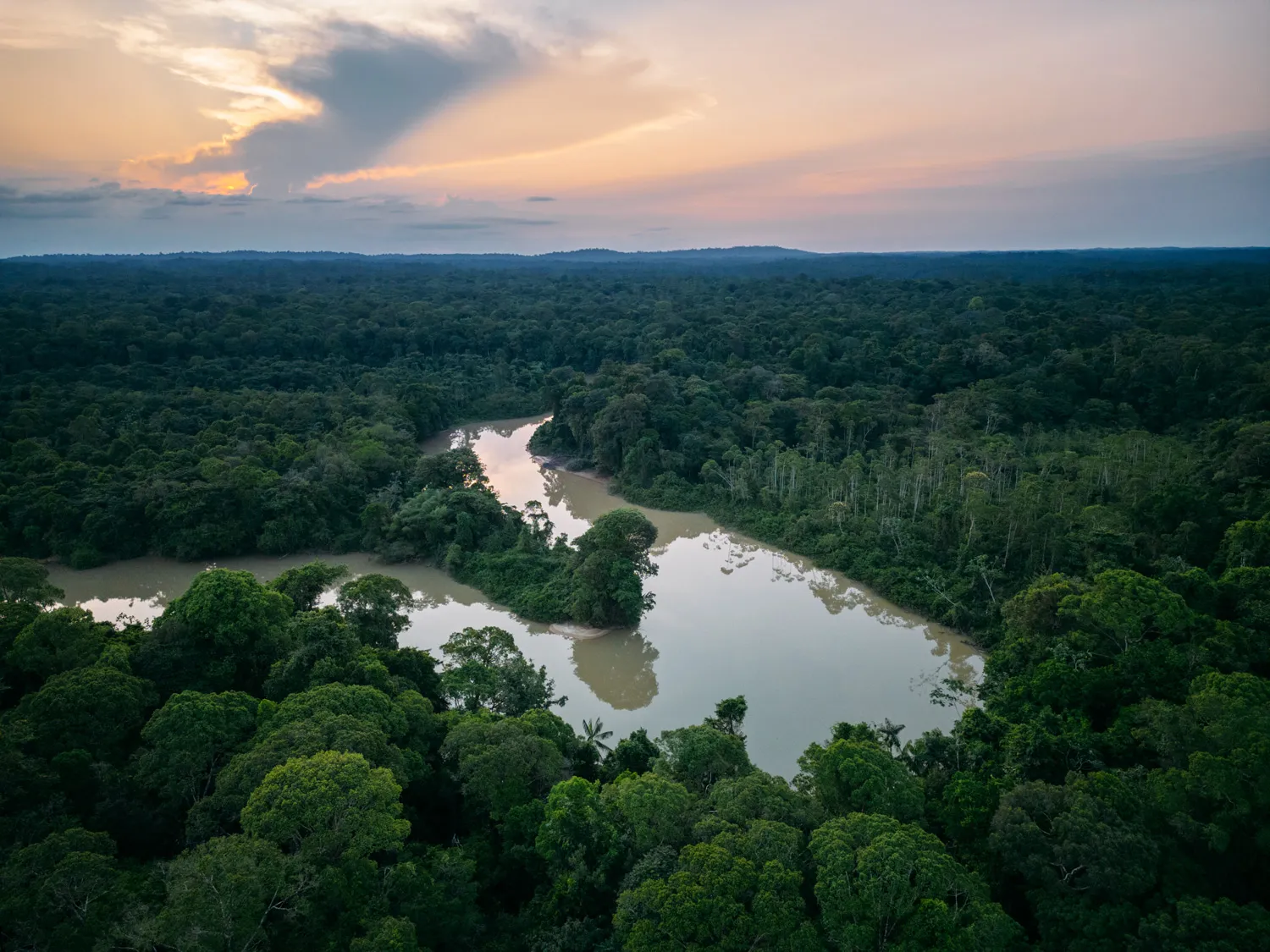
French Guiana has an equatorial climate: hot and humid all year round. The main rainy season broadly runs from late December to June, with a short break in March (the “petit été de mars”), followed by a dry season from July to November. These seasonal markers affect your travel, road conditions and even the comfort of your future home (ventilation, air conditioning, orientation). Factor them into your choice of neighbourhood and property.
Week 2: banking and administrative formalities
Once you have settled in, tackle the steps that everything else depends on: a local bank account and an address.
Opening a bank account
Even though your mainland bank remains usable, having an account with a bank that has a local presence makes life easier: direct debits, cheque deposits, an adviser you can meet in person. Bring ID, proof of address (which is why accommodation that provides a certificate is so useful) and proof of income. Timescales for receiving your card and bank details vary between institutions, as a rough guide from a few days to two weeks.
Proof of address
Many formalities (bank, social security, school, insurance) require proof of address. During the transition phase, an accommodation certificate or a bill linked to your temporary home will often do the job. As soon as you move into your permanent home, update your address everywhere.
- Open a local bank account and collect your bank details and payment cards
- Take out home insurance for your future home
- Update your address with the tax office, the CAF if applicable and your employer
- Transfer or set up your utility accounts (electricity, water, internet)
Week 3: healthcare, schools and family
If you are arriving as a family, schooling and health cover become priorities. These steps are worth launching early because they depend on third parties (schools, health funds, medical professionals).
Healthcare and social security
Your social security number stays the same: French Guiana falls under the general scheme. Register with the local fund, update your carte Vitale with your new address and quickly find a GP, as healthcare provision can be uneven between communes. The Cayenne area concentrates most of the hospital facilities and specialists; communes in the interior or the west have health centres but a more limited offer.
Also bear in mind local health specifics: beyond the mandatory yellow fever vaccination, protecting yourself against mosquitoes (dengue, malaria in certain forest areas) is part of daily life. Repellents, mosquito nets and covering clothing are your allies.
Enrolling children in school
School enrolment goes through the town hall for primary level (nursery and elementary schools), then directly with the school for secondary level. Bring your family record book, proof of address, health record and previous school certificates. Places can be limited in some parts of the Cayenne area: enquire as soon as you arrive, or even before if possible.
- Update your carte Vitale and register with the local health fund
- Find a GP and locate the nearest on-call pharmacy
- Enrol the children in school (town hall for primary level)
- Restock repellents and mosquito prevention supplies