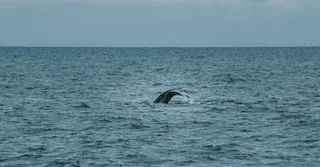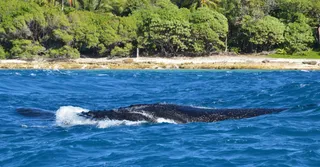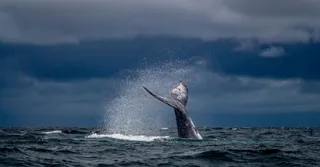
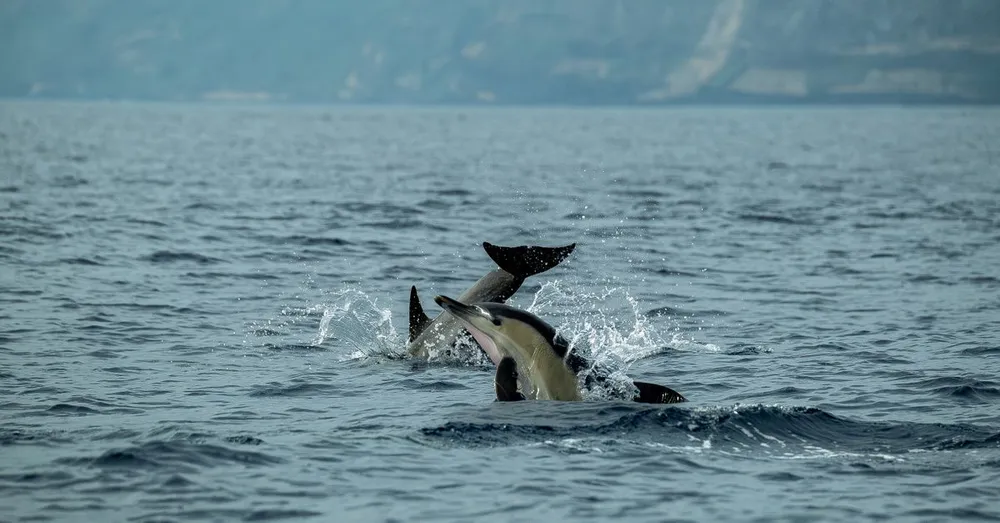
Heading out to sea to come across a fifteen-metre humpback whale, or to watch a pod of dolphins playing in the bow wave, remains one of the most powerful memories Martinique has to offer. The Caribbean coast, on the island’s western side, runs alongside the Agoa sanctuary, one of the largest protected areas for marine mammals in the Atlantic. But you still need to know when to go, which zones to head for, and above all which operators truly respect the animals. After several seasons spent combing the coastline between Le Diamant and Saint-Pierre, here is a practical guide to a successful cetacean outing without harming these giants.
When is whale season in Martinique?
Martinique offers two kinds of encounters, each on its own calendar.
Humpback whales: from January to May
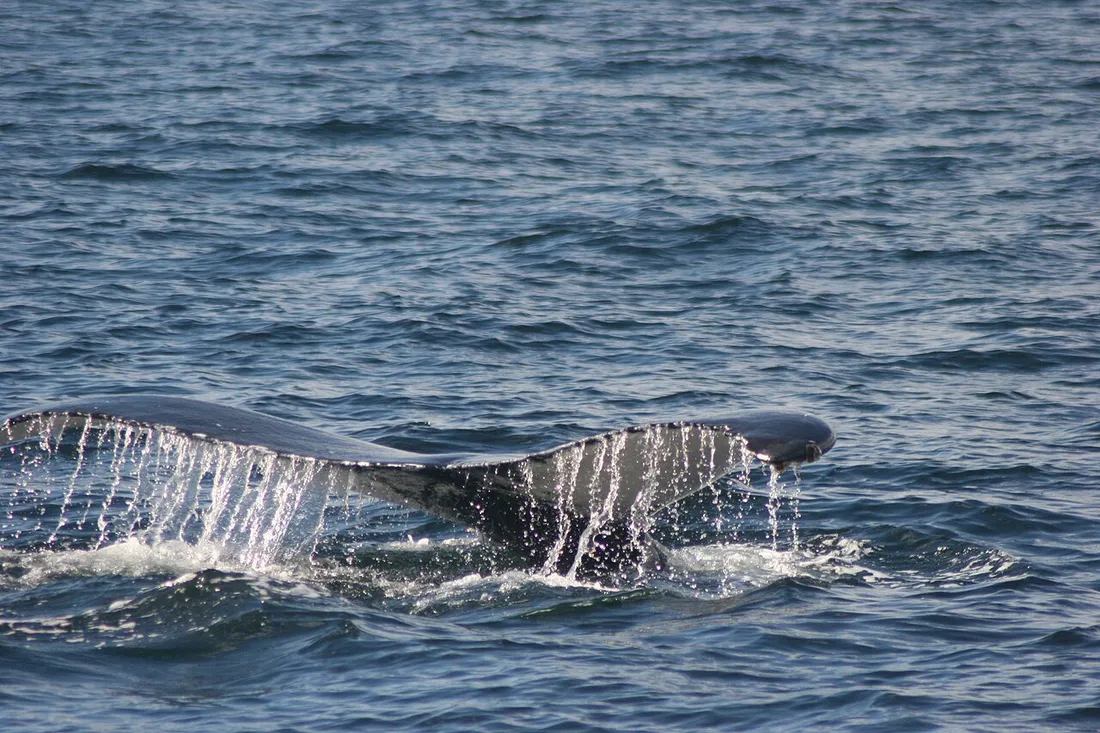
Humpback whales migrate up from the North Atlantic to breed and give birth in the warm waters of the Caribbean. In Martinique, the observation window runs in practice from mid-January to late April, peaking in February and March. This is also the heart of the dry season, the local Carême, the most stable period of the year: calmer seas, clear skies and excellent visibility. You may spot mothers accompanied by their calves, singing males, and sometimes spectacular leaps (the famous breaches).
Dolphins and sperm whales: all year round
Good news: dolphins are seen year-round along the Caribbean coast. Bottlenose dolphins, spotted dolphins and spinner dolphins are resident in the Dominica Channel. Sperm whales, also present permanently, dive into the deep trenches that border the island’s western edge. So even outside humpback whale season, a cetacean outing stands a strong chance of paying off.
Resident’s tip: aim for a morning outing, between 8 a.m. and 11 a.m. The sea is usually flatter, the wind hasn’t yet picked up, and the light is ideal for spotting blows on the horizon.
Where to watch cetaceans: the frequent crossing zones
All the action happens on the Caribbean side, to the west, because the seabed plunges quickly to several hundred metres very close to the shore. It’s this underwater relief that draws the great cetaceans.
- Le Diamant and Diamant Bay: a very popular departure point, around 35 km south of Fort-de-France. The famous Diamond Rock serves as a landmark and the surrounding waters are rich in life.
- Les Anses-d’Arlet and Anse Dufour: an area where dolphins and turtles are common, a short distance from the coast.
- Saint-Pierre and the bay of the martyred city: at the foot of Mount Pelée, the seabed quickly reaches 100 m. A spot renowned for sperm whales, about 30 km north of Fort-de-France.
- The channel between Martinique and Dominica: a migratory corridor used by humpback whales during the season.
Most boats leave from the marinas of the south-west: Trois-Îlets (Pointe du Bout), Anses-d’Arlet, or Saint-Pierre depending on the operator.
The Agoa charter: watching without disturbing
Martinique lies within the Agoa sanctuary, a marine protected area covering the exclusive economic zone of the French Antilles. Its purpose: to protect marine mammals and their habitat. Any serious outing respects the approach charter derived from the Agoa regulations. Here are the essential rules to know, and to check with your operator:
- Minimum approach distance: do not come closer than 100 m to a whale, and ideally keep 300 m for mothers with a calf.
- Reduced speed and predictable course: a slow approach, parallel to the animal, never head-on or from behind to cut across its path.
- Limited observation time: no more than 15 to 20 minutes per group of animals, and only one boat at a time near a cetacean.
- No entering the water with whales: swimming with humpback whales is forbidden; you watch from the boat.
- No feeding, no excessive noise: cut the music, speak softly, throw nothing into the sea.
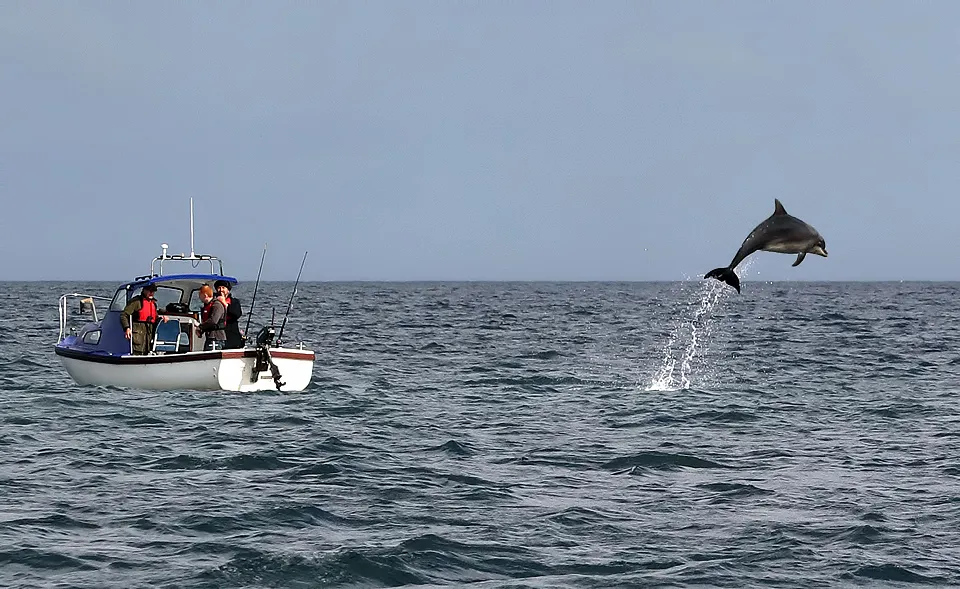
A good skipper cuts the engines and lets the animal decide whether to come closer. If a whale comes of its own accord to skirt the hull, it’s the one that chose: the most beautiful possible scenario, and the most ethical.
How to choose a responsible operator
Cetacean tourism can be wonderful or destructive depending on how it’s practised. Before booking, ask the right questions.
Signs of trust
- The operator explicitly mentions the Agoa charter and the sanctuary in their communication.
- The number of passengers is reasonable (small semi-rigid boats of 8 to 12 people rather than large crowded shuttles).
- The guide is a naturalist or trained in eco-volunteering, able to explain the animals’ behaviour.
- The operator never “guarantees” a whale sighting: an honest operator reminds you these are wild animals.
- A hydrophone on board to listen to the songs, a sign of an educational approach.
Warning signs
- Promises to swim with the whales or a guaranteed very close approach.
- Boats that charge towards the blows and surround the animals.
- Several vessels clustered around the same group.
Indicative prices and durations
As a general guide:
- Half-day cetacean outing (3 to 4 hrs): 60 to 80 € per adult, often less for children.
- Private small-group outing: 90 to 150 € per person depending on group size.
- Watching + snorkelling combo (Anse Dufour, white-sand shallows): around 70 to 90 €.
Bring reef-safe sunscreen, a hat, a light windbreaker and something to hold onto: the Caribbean swell can shake you about.
Planning your stay around the watching
Cetacean watching slots in perfectly with a stay in the dry season (December to April), which coincides with the humpback whale peak and the best weather. A few practical pointers for organising your visit:
- Arrival: Aimé Césaire airport at Le Lamentin, then a rental car is strongly recommended. The island is around 80 km from north to south and the Caribbean coast road is winding but magnificent.
- Where to stay: the south-west (Trois-Îlets, Anses-d’Arlet, Le Diamant) puts the marinas 10–20 minutes from your accommodation. Ideal for early starts.
- Time difference: -5 hrs in winter, -6 hrs in summer compared with Paris; dialling code +596.
- To combine with: the southern beaches (Les Salines at Sainte-Anne, Grande Anse, the black-sand Anse Noire), the Rum Route (Clément, La Mauny, Trois-Rivières) and, to the north, the listed ruins of Saint-Pierre and Mount Pelée.
To build your complete itinerary, see our guide to Martinique, which details the must-sees region by region.
Booking your accommodation with Hostel Toucan
A successful cetacean outing starts with a good base. At Hostel Toucan, we offer hand-picked accommodation on the Caribbean coast and in the south, just minutes from the marinas where the boats depart. By booking direct, you enjoy several concrete benefits:
- Direct booking with no platform fees: the best rate, with no added commission.
- Free cancellation up to 7 days before arrival, useful if the weather upsets your plans at sea.
- WhatsApp assistance 7 days a week: we point you towards cetacean operators who respect the Agoa charter and help you fine-tune your outing times.
Discover our available accommodation on the rental in Martinique page. And if you own a property on the island and would like to showcase it to travellers seeking nature experiences, our concierge offering is detailed on the owners page.
To watch a humpback whale is to step for a moment into its world. It’s up to us, the visitors, to do so with the discretion and respect these giants demand. Fair seas.
FAQ
What is the best time to see whales in Martinique?
Humpback whales can be observed from mid-January to late April, peaking in February and March, in the heart of the dry season (the Carême). Dolphins and sperm whales, meanwhile, are seen year-round along the Caribbean coast.
Can you swim with whales in Martinique?
No. Swimming with humpback whales is forbidden within the Agoa sanctuary. Observation is done from the boat, at a minimum of 100 m, or even 300 m for a mother and her calf. Some combined outings offer snorkelling with other species (turtles, fish) in authorised zones.
Where do cetacean watching outings depart from?
Mainly from the south-west marinas: Trois-Îlets (Pointe du Bout), Les Anses-d’Arlet, Le Diamant and Saint-Pierre. The entire Caribbean coast, to the west, is the most frequent crossing zone thanks to its seabed that plunges quickly.
How much does a whale and dolphin outing cost in Martinique?
Expect around 60 to 80 € per adult for a half-day (3 to 4 hrs) in a small group, and 90 to 150 € per person for a private outing. Serious operators never guarantee a whale sighting, as these are wild animals.