A traveler landing at Pôle Caraïbes after eight hours of flying from Paris, with five or six hours of jet lag in their legs, wants only one thing: to drop their bags and breathe. Finding a glass of fresh cane juice, a bag of Vieux-Habitants coffee, and a local jam waiting on the table changes everything. In Guadeloupe, this Guadeloupe rental welcome basket has become one of the most profitable levers for earning a 5-star rating and building loyalty. But behind the gesture lie concrete hygiene rules and a uniquely overseas tax framework — reduced VAT, octroi de mer — that you need to master before filling your first basket. Here, after several seasons putting these baskets together on both wings of the butterfly island, is what you really need to know.
Why a local-produce welcome basket changes the guest experience
The first hour in a rental often sets the tone for the entire stay — and for the review left online. A carefully prepared Creole welcome pack sends an immediate message: “here, we take care of you, and you’re truly in Guadeloupe.”
In practice, the impact is measurable:
- On reviews: adding a basket increases the share of comments mentioning “welcome” or “thoughtful touches,” keywords that reassure future bookers.
- On local recommendation: a traveler who tastes an agricultural rum or a colombo often leaves to buy more at the distillery or the market.
- On the first evening: after a tiring flight, few people have the energy to go shopping. Three backup items (coffee, water, local fruit) prevent a botched arrival.
All for a controlled cost: a decent basket runs between €8 and €25 depending on the range. Set against the gain in rating and direct bookings, it’s one of the best returns in the business.
What to put in (and what to leave out of) a Guadeloupean basket
A good basket tells the story of the territory without sliding into cliché:
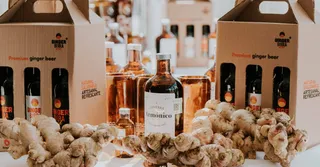
- Packaged dry goods: Bonifieur coffee from Vieux-Habitants, colombo powder, bois d’Inde, Basse-Terre chocolate, “tourment d’amour” biscuits.
- Local jams and syrups: guava, maracudja, sirop de batterie, cane syrup.
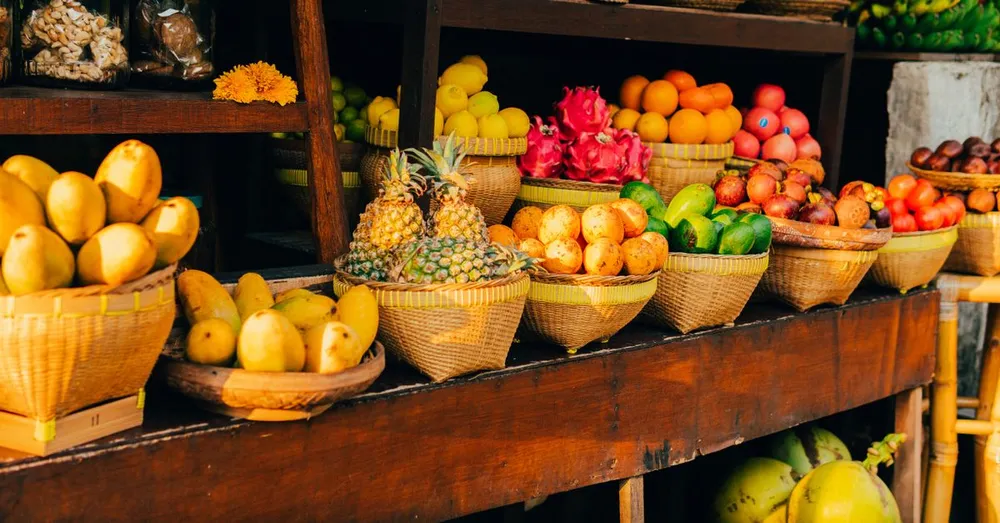
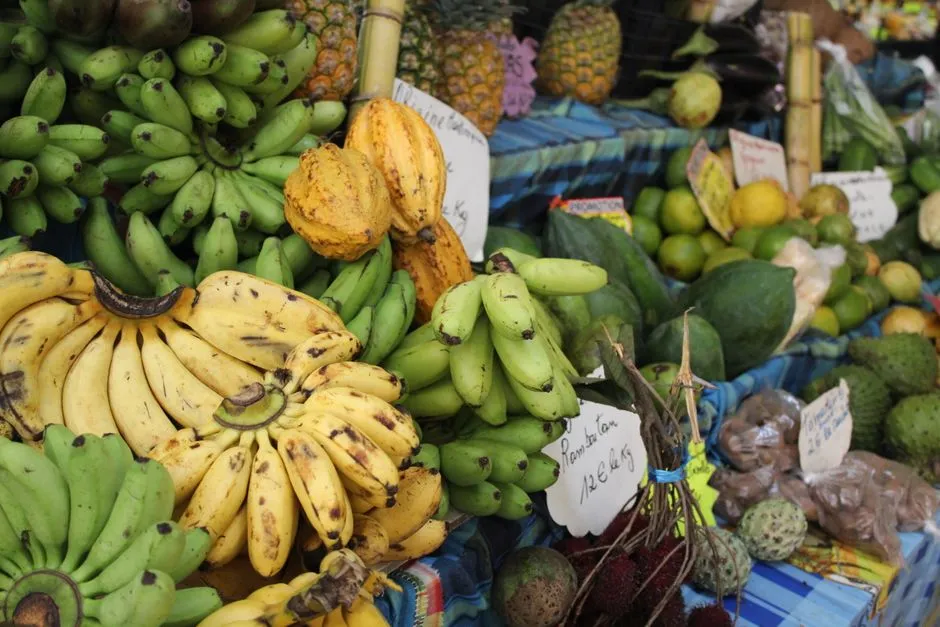
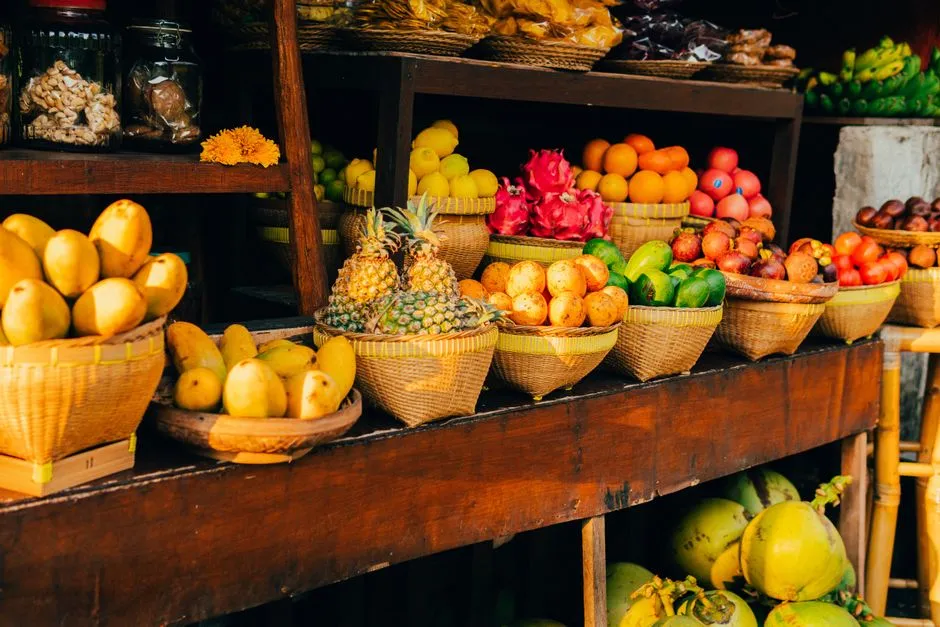
- Seasonal local fruit: mangoes, Cythera plums, quenettes or coconuts, refreshed for each arrival.
- A framed festive touch: a small bottle of homemade rhum arrangé or a mini bottle of AOC agricultural rum — subject to the rules below.
Conversely, avoid overly perishable products (fresh charcuterie, ouassous, accras). The golden rule: anything you offer must be traceable, dated, and safely storable until the guest arrives.
Hygiene and food safety: the rules to follow
Offering food is not trivial: you’re not a restaurant, but the moment you hand over food, your liability as a landlord can be engaged. It’s best to adopt a few professional reflexes.
Favor packaged and dated products
The safest route remains packaged groceries, from a producer or supermarket:
- Each product carries a date (best-before or use-by); never leave an expired item in a basket.
- The label lists allergens (peanut, tree nuts, gluten, milk), useful for affected travelers.
- For artisanal jams and syrups bought directly, check that the label is compliant (producer, date, storage).
Manage the cold chain and fresh fruit
Local fruit brings the soul of the basket, but demands rigor:
- Place it on the day of arrival, never the night before a late check-in.
- Favor whole fruit at room temperature over products requiring refrigeration.
- Water and fresh juices go in the fridge, already switched on and clean, with a note indicating they’re complimentary.
The case of alcohol: a genuine point of caution
A mini bottle of rum is appealing, but the sale of alcohol is regulated (license required). The legal workaround: alcohol is offered in tasting quantities, never invoiced or resold, like a welcome gift. Stick to small volumes, adapt it for stays with minors, and never turn the basket into a paid mini-bar. When in doubt, go with coffee, chocolate, and jams.
To go further into the culinary experiences worth offering in a rental, our complete guide to Guadeloupe lists producers and markets town by town, from Sainte-Anne to Deshaies.
Overseas VAT and octroi de mer: what the owner must understand
This is the point most landlords overlook, even though it weighs on the real cost of your baskets. Guadeloupe, like the other French overseas departments, applies its own distinct indirect taxation.
A reduced VAT compared to mainland France
In Guadeloupe, the overseas VAT on local products rates are lower than in mainland France:
- Standard rate of 8.5% (versus 20% in mainland France) on most goods.
- Reduced rate of 2.1%, notably on many essential food products.
- Certain staple foods may be exempt.
In practice, the VAT paid on the coffee, jams, or water in your baskets is low, even nil on some foods. In para-hotel rental (with services) subject to VAT, this also affects deductibility — to be confirmed with your accountant.
Octroi de mer, a tax of our own
The octroi de mer is a tax specific to overseas regions, levied on imported goods and certain local productions. For the basket maker, two consequences:
- Buying local often means buying less taxed: at equal quality, a local syrup, a Guadeloupean coffee, or a Basse-Terre chocolate is frequently more advantageous than a product imported from mainland France — while also matching your promise of authenticity.
- Imported products cost more: octroi de mer explains why a bottle of a mainland brand of water weighs more on the basket budget than you’d imagine.
On the accounting side, keep the reflex of retaining proof of purchase (receipts, producer invoices): an offered basket is an expense tied to the business, whereas an invoiced service (gourmet baskets to order) becomes taxable revenue. Depending on your regime (micro-BIC or réel), a local accountant familiar with overseas specifics quickly pays for themselves.
Turning your basket into a direct-booking asset
When well designed, the welcome basket isn’t just an expense: it’s a selling point. Highlight it in the listing with a polished photo, personalize it by profile (an “apéro” version for a couple, a “Creole breakfast” for a family, alcohol-free with children), and slip in a handwritten note with a mini-map of good spots (lolos, markets, distilleries). The traveler feels guided by a local, and that’s exactly what a neighborhood concierge knows how to orchestrate.
The Hostel Toucan approach to your welcome baskets
At Hostel Toucan, we manage holiday rentals in the French overseas departments with one simple conviction: local touches are worth more than ten marketing promises. On the ground:
- Short-supply-chain baskets, from Basse-Terre producers and Grande-Terre markets, refreshed for each arrival.
- Direct booking with no platform fees: your travelers book on our site, you recover the OTA margin, and the basket budget funds itself from those savings.
- Free cancellation up to 7 days before arrival: a token of trust that improves conversion.
- WhatsApp support 7 days a week in the right time zone: to point a traveler toward the local lolo or the nearest distillery.
A traveler looking for a rental where Creole hospitality isn’t just a word? Browse our rentals in Guadeloupe. An owner in Sainte-Anne, Saint-François, Le Gosier, Deshaies, or Bouillante who wants to set their property apart without adding a chore? Head to the owners page: we build and maintain the welcome baskets for you, by the book.
FAQ
Is a local-produce welcome basket mandatory to rent in Guadeloupe?
No, it’s not a legal obligation. It’s a comfort service that adds value to your listing and supports direct booking. The only constraint is hygiene: packaged and dated products preferably, fresh fruit placed on the day of arrival, and alcohol offered (never resold) in small quantities.
Which VAT applies to the products I buy for my baskets in Guadeloupe?
Guadeloupe benefits from a reduced overseas VAT: a standard rate of 8.5% versus 20% in mainland France, a reduced rate of 2.1% on many food products, and certain staple foods exempt. On top of that comes octroi de mer on imported products, which often makes local products more advantageous. For the precise accounting treatment based on your regime (micro-BIC or réel), consult a local accountant.
Can I put rhum arrangé in my guests’ basket?
Yes, provided you offer it rather than sell it: selling alcohol requires a license. Stick to small tasting quantities, presented as a welcome gift, and adapt for stays with children. When in doubt, replace it with Vieux-Habitants coffee, Basse-Terre chocolate, or local jams, which are just as appreciated.
How much does a Creole welcome basket cost, and is it worth it?
Count between €8 and €25 depending on the range, or a few percent of one night’s stay. It’s one of the best returns on investment in the business: a better rating, reviews that mention the welcome, and a clientele more inclined to book directly. By delegating to a local concierge, the sourcing, the rotation of local fruit, and the proof of purchase are all handled for you.