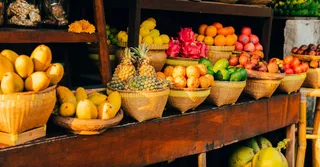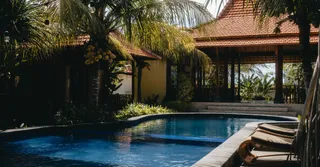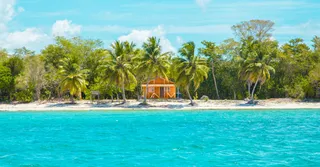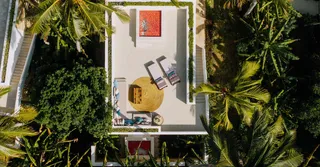
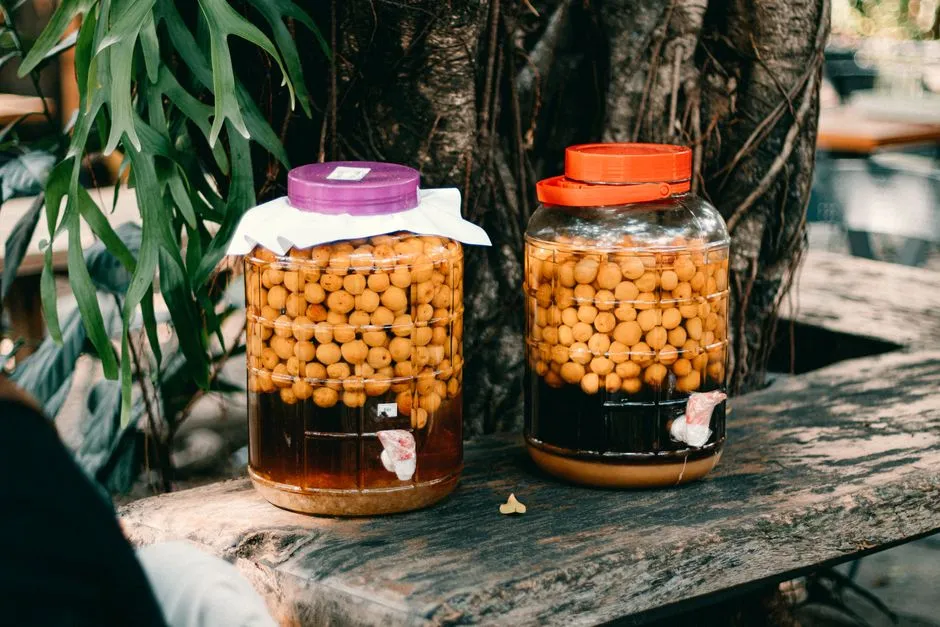
In nearly every Guadeloupean home, a jar sits steeping in a corner of the kitchen: a split vanilla pod, cinnamon, chunks of pineapple, all submerged in the island’s white agricole rum. Offering your guests this tradition as a spiced rum (rhum arrangé) workshop in Guadeloupe means giving them far more than a tasting: a souvenir they carry home in their suitcase, and a powerful way to set your vacation rental apart. After several years supporting owners between Sainte-Anne, Le Gosier and Deshaies, I’ve watched this activity turn a simple furnished rental into a memorable experience. But serving alcohol is no small matter: here’s how to make spiced rum a welcome experience that delights without crossing the line.
Important: this article is for educational purposes. The rules on alcohol in rentals and licensing requirements evolve over time. Check your project with your town hall (mairie) before charging for anything.
Why spiced rum is the ideal welcome experience
Guadeloupe — a French overseas department shaped like a butterfly, between the limestone Grande-Terre with its turquoise beaches and the volcanic Basse-Terre crowned by La Soufrière (1,467 m) — is a land of agricole rum: from Marie-Galante, the island of a hundred mills where Bielle, Bellevue and Père Labat distill at 59°, to the distilleries of Basse-Terre, sugarcane runs through the local culture. Spiced rum is its folk art, a homemade maceration passed down through generations. For a host, this workshop ticks every box of a successful welcome experience:
- a low cost: €12 to €20 of ingredients for a workshop for 4 people;
- an immediate impact on arrival, launching the stay on a warm, convivial note;
- a souvenir that travels home with the guest: everyone leaves with their own jar, labeled with their name;
- 5-star reviews that mention the experience and boost direct bookings.
On the properties we manage, this kind of activity clearly raises the perceived value of the rental: guests are no longer renting a mere roof, they’re living a slice of Guadeloupe. To deepen that immersion, our complete guide to Guadeloupe details the distillery trail and the must-sees to recommend to your guests.
The legal framework: offering alcohol is not selling it
This is the point that rightly worries most owners. In Guadeloupe — a French overseas department where French law applies identically — the sale of alcohol is strictly governed by drinks-license rules. But here’s the nuance that changes everything: offering is not selling.
The golden rule: a free activity, included in your welcome
As long as the workshop is offered as part of your welcome, you remain in the realm of hospitality, not the drinks trade: it’s the same principle as the welcome bottle in the fridge or the ti-punch shared on arrival. In practice, to stay on the right side of the line:
- never display a price or an “alcohol supplement” for the workshop or the rum;
- don’t charge for the tasting as a separate service;
- reserve the workshop for guests staying with you, never for outsiders dropping by.
The moment you sell rum by the bottle, charge separately for the workshop, or open it to non-guests, you tip into the drinks trade: a takeaway license (from the town hall) and an operating permit become mandatory. My advice: stick to the free-activity model, which delivers the same experience with no license, training or registration.
Responsibility, consumption and minors
Offering alcohol engages your responsibility as a host:
- never serve minors: offering alcohol to anyone under 18 is prohibited (an alcohol-free version for families);
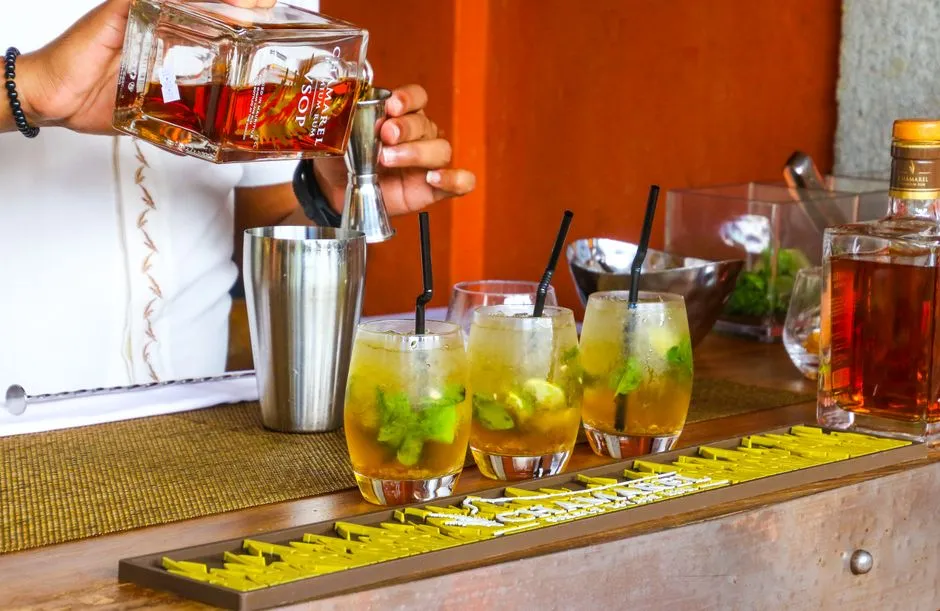
- moderation: this is a cultural tasting, not an open bar; serve small amounts;
- driving: no car on Basse-Terre’s poorly lit roads after the tasting.
To cover these aspects and structure your offering within the right framework, the support of a local concierge service saves precious time: see our approach on the owners page.
Setting up the workshop: recipes and a concrete walkthrough
Equipment and ingredients
A good workshop lasts about an hour and takes a few minutes to set up. For 4 to 6 people, plan for:
- white agricole rum from Guadeloupe at 50° or 55° (€18 to €25 for a 70 cl bottle at a local supermarket);
- small airtight jars of 25 to 50 cl, one per guest (€1.50 to €3 each);
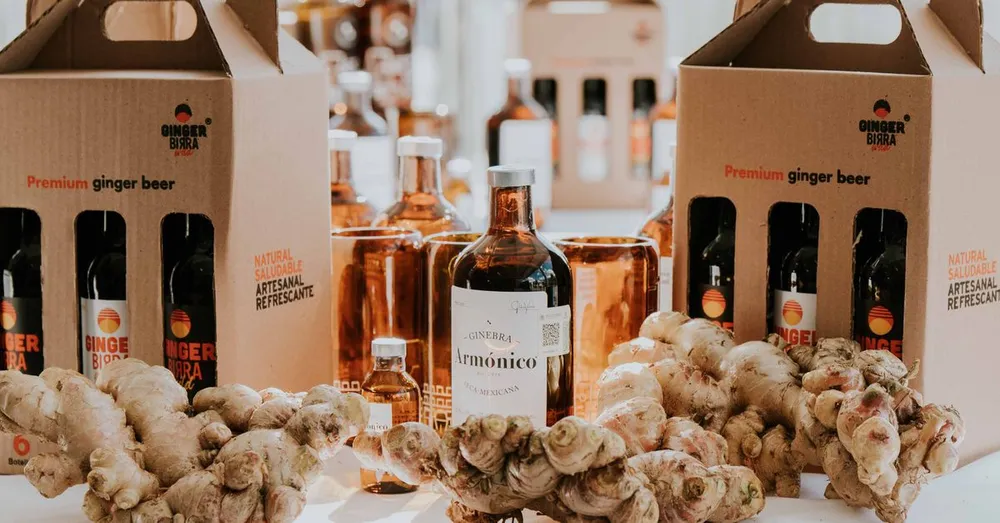
- fresh local fruit (pineapple, passion fruit, guava, banana, lime) and spices (Guadeloupe vanilla, cinnamon, fresh ginger, pepper);
- brown cane sugar and labels to personalize with each participant’s name.
Three simple recipes to offer
Let each guest compose their own jar. Three classics that work every time:
- Vanilla-pineapple: 2 split vanilla pods, chunks of pineapple, a spoonful of cane sugar. The crowd-pleaser — smooth and round.
- Ginger-lime: 4 to 5 slices of ginger, the zest of one lime, a little honey. Sharper, for those who like character.
- Passion fruit-cinnamon: the pulp of 3 passion fruits, a cinnamon stick. Fragrant and quintessentially Caribbean.
The secret to spiced rum: patience. You seal the jar and let it macerate for at least 1 month, ideally 3 to 6, away from light. That’s the beauty of sending it home with the guest: they’ll open it weeks later, thinking back to their stay.
The typical flow of a successful workshop
- Introduction (10 min): the story of agricole rum, the sugarcane, the distilleries of Marie-Galante. The narrative gives it meaning.
- Filling the jars (20 min): each person picks their fruit and spices, composes their blend, adds the rum.
- Labeling (5 min): name, recipe, date — a touch that personalizes the souvenir.
- Tasting a fully matured spiced rum (15 min): have them taste, in moderation, a rum you prepared several months earlier. Proof in the glass.
After a day of diving in the Cousteau Reserve at Malendure or lazing on Grande Anse de Deshaies, it’s the perfect late-afternoon activity, just as good for families (alcohol-free version for the children) as for groups of friends.
Turning the workshop into a rental signature
To turn this workshop into a genuine rental signature and a booking argument:
- highlight it in direct bookings, where a platform won’t showcase it;
- photograph the colorful jars for your listings: the image sells the experience;
- offer an “extended kit”: a sachet of spices and a recipe card to take home.
Done well, this workshop raises the perceived value of your property and builds loyalty among guests seeking authenticity — directly. Discover the rentals already playing this card on our Guadeloupe rentals page.
The Hostel Toucan support
Delivering this experience at every arrival while managing your property from mainland France, with 5 to 6 hours of time difference, is a real job — that of Hostel Toucan, a concierge service specialized in the French overseas departments:
- framing your offering to stay within the free-activity model;
- preparing the spiced rum kits and coordinating with cleaning and arrivals via Pôle Caraïbes airport;
- direct booking with no platform fees, with free cancellation up to 7 days before arrival;
- 7-day WhatsApp assistance on the ground, for your guests as much as for you.
Do you own a property in Guadeloupe and want to turn it into an experience no one forgets? Hand us the management through our owners page: we pick up the file wherever you are, from the legal framing to the last drop of spiced rum.
FAQ
Do you need a license to offer a spiced rum workshop to your guests?
No, not if the workshop is offered as part of your welcome, with no separate charge or sale of bottles, and reserved for guests staying with you: you remain within the realm of hospitality. A drinks license only becomes mandatory if you sell the alcohol (a separately charged workshop, rum sold by the bottle, or an activity open to outsiders).
Which rum should you use for a spiced rum workshop in Guadeloupe?
Local white agricole rum, ideally at 50° or 55°, is the traditional base because it carries the aromas better during maceration. Budget €18 to €25 for a 70 cl bottle at a Guadeloupean supermarket; the rums of Marie-Galante (Bielle, Bellevue, Père Labat) at 59° are a premium option. Avoid pre-flavored store-bought rums: the whole point is to compose your own blend.
How long should you let spiced rum macerate?
At least one month, ideally 3 to 6 months for the aromas to fully develop. That’s why the guest leaves with their labeled jar: they’ll open it at home weeks later. Keep it sealed, away from light: the longer the maceration, the rounder the rum becomes.
How do you handle the presence of children during a spiced rum workshop?
Always provide an alcohol-free alternative: local fruit syrups (guava, passion fruit) or cane juice, which children can also pour into a jar with fruit and spices. Offering alcohol to minors is prohibited, without exception. The workshop thus remains a family activity where young and old each compose their own preparation.