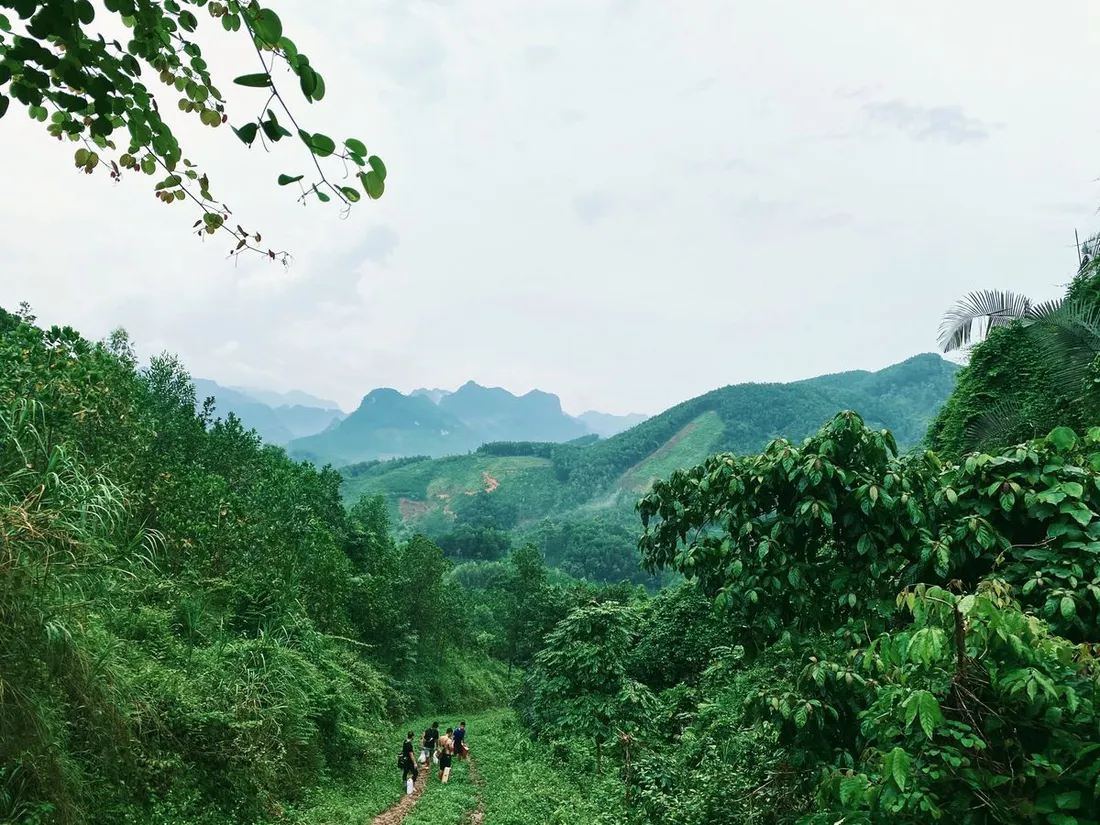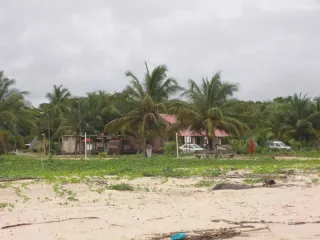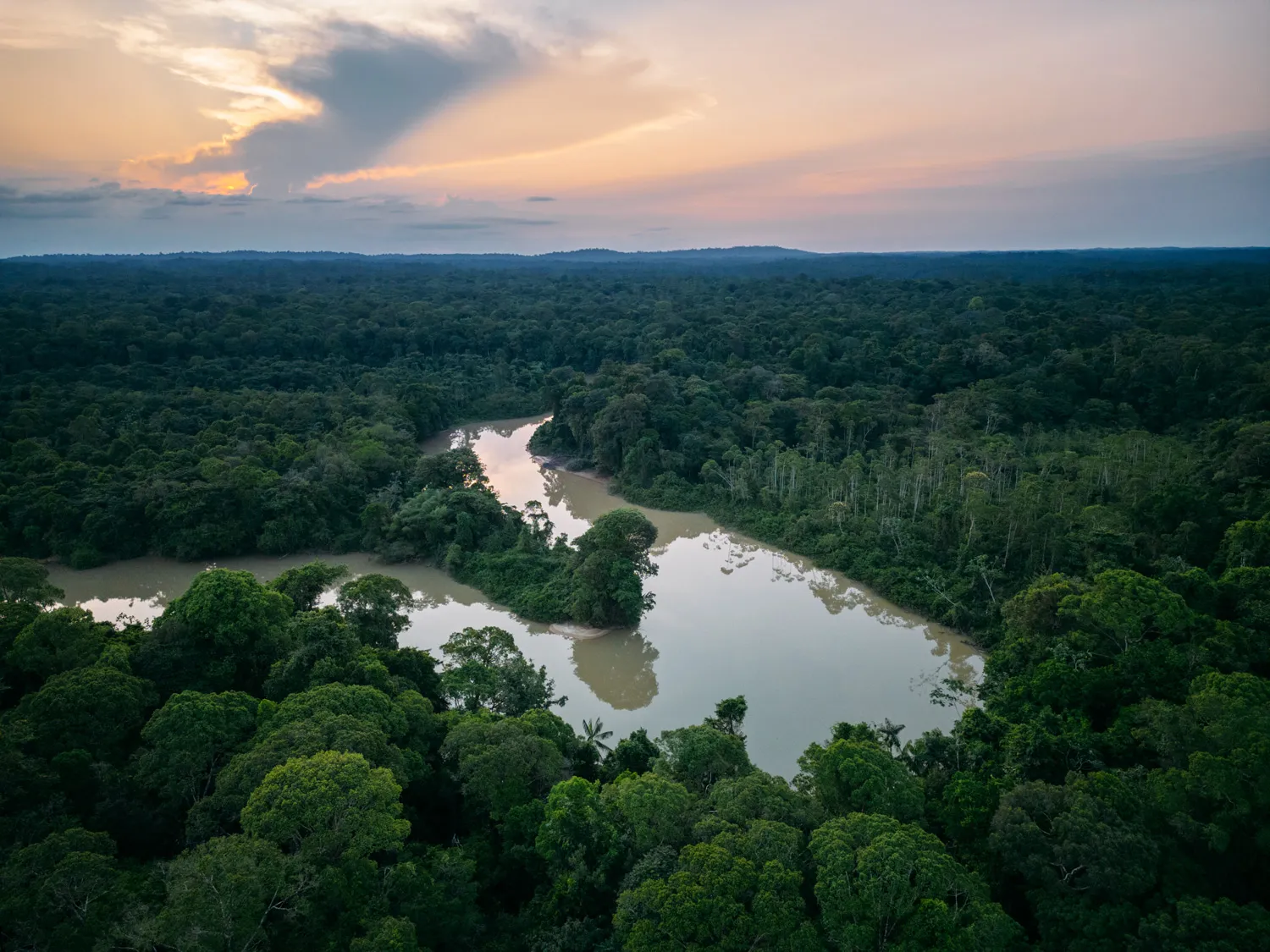

French Guiana is often pictured as flat, blanketed by a featureless forest. That’s a mistake. Beneath the canopy hide genuine summits, isolated at the heart of one of the most pristine forest massifs on the planet. Reaching one of these high points bears no resemblance to a waymarked alpine hike: here, you don’t climb a mountain, you cross a jungle that, every so often, rears up. This article is written for those who already have solid experience in tropical environments and want to understand what it really takes to set out and conquer the peaks of French Guiana.
Understanding French Guiana’s terrain before you set off
French Guiana is not a land of mountains in the classic sense. Its highest point, Bellevue de l’Inini, tops out at 851 metres, and the famous Pic Coudreau (sometimes written “monts Coudreau”) peaks somewhere between 690 and 712 metres depending on the cartographic source. Modest altitudes on paper. But altitude tells you nothing about the real difficulty.
What makes these summits demanding isn’t the elevation gain: it’s the access. Most lie several days of pirogue travel and walking away, in areas with no road, no network and no immediate rescue. We’re talking expeditions, not day trips.
The main landforms to know
- Bellevue de l’Inini (851 m): the highest point in the department, in the deep south, reachable only by a heavy-duty expedition.
- Pic Coudreau du Sud / monts Coudreau: an emblematic massif in the southwest, near the border with Brazil.
- Montagne Tortue (~600 m): more accessible, in the Roura area, often a first step for hikers who want to test the terrain.
- Nouragues inselbergs: these granite domes rising out of the forest offer spectacular panoramas over the canopy, within the Nouragues nature reserve.

Why these peaks are a genuine challenge
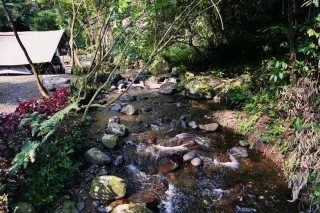
Anyone who has hiked in equatorial forest knows it: the heat and humidity transform every hour of effort. On these routes, expect real progress often below 1.5 km/h under dense cover, trails to be cut with a machete, slippery ground, roots, ravines and creek crossings.
The real constraints of the terrain
- Constant humidity: levels close to 100%, continuous sweating, clothes that never really dry.
- Pack weight: on a multi-day expedition you carry a hammock, tarp, water treatment, freeze-dried food and safety gear, easily reaching 15 to 20 kg.
- Wildlife: snakes (the grage, especially late in the day), insects, and the need to watch where you put your feet and hands.
- Navigation: under the canopy, GPS sometimes loses signal. A map, compass and pre-loaded track are essential.
- Isolation: no quick evacuation is possible. A sprained ankle three days’ walk from anywhere becomes a major problem.
It’s precisely this commitment that gives the experience its value. Reaching the top of an inselberg at sunrise, watching the mist lift over hundreds of kilometres of virgin forest, is nothing like a postcard photo. You earn it.
Logistics: the real heart of an expedition
In French Guiana, success is decided 80% by preparation. Here are the pillars of a serious outing toward the peaks of French Guiana.
Access and transport
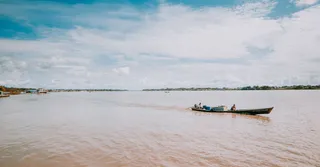
Almost all departures are made via the rivers. You usually reach a put-in point by car (a car is essential everywhere in the territory), then head up a river or creek by pirogue with a local boatman. For the southern peaks, you sometimes have to combine road, several hours of pirogue and an approach walk. Budget for the pirogue: a day’s hire with a boatman is often negotiated between 300 and 600 € depending on distance and fuel, shared among the group.
Guiding
For the isolated summits, going with a licensed professional guide isn’t a comfort option, it’s a matter of safety and, often, of access authorisation (some areas, like the core of the Nouragues reserve, are regulated). Expect to pay generally 120 to 200 € per day per person for guiding, with hammock accommodation and meals included, depending on the package.
The season
The window falls during the dry season, from July to late November. The creeks are lower, the trails less muddy and the storms less frequent. Attempting these routes during the rainy season is reckless for most of these landforms.
Non-negotiable equipment
- A hammock with built-in mosquito net + tarp.
- Tropical hiking shoes that drain water, plus a dry spare pair.
- A water treatment system (filter + tablets).
- A machete (coupe-coupe); if you’re guided, the guide carries it.
- A serious first-aid kit, antivenom under a protocol known to the guide, a whistle, a distress beacon such as a PLB or satellite communicator.
- Effective insect protection and long clothing.
Preparing your body and your health
Physical fitness matters, but heat management comes first. Get used to prolonged effort in high humidity before you come. On the health side, the yellow fever vaccine is mandatory to stay in French Guiana, and antimalarial treatment is recommended for the interior zones: discuss it with a travel medicine specialist well before departure.
Also keep the time difference in mind (-5 h in winter, -6 h in summer compared with Paris) so you can recover a day or two before the effort. And hydrate heavily: on this terrain, you lose an enormous amount.