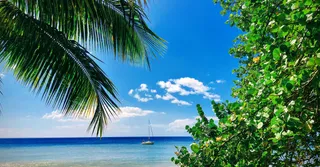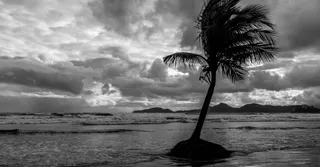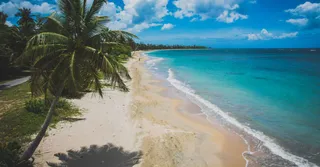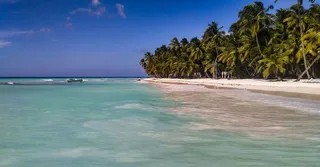
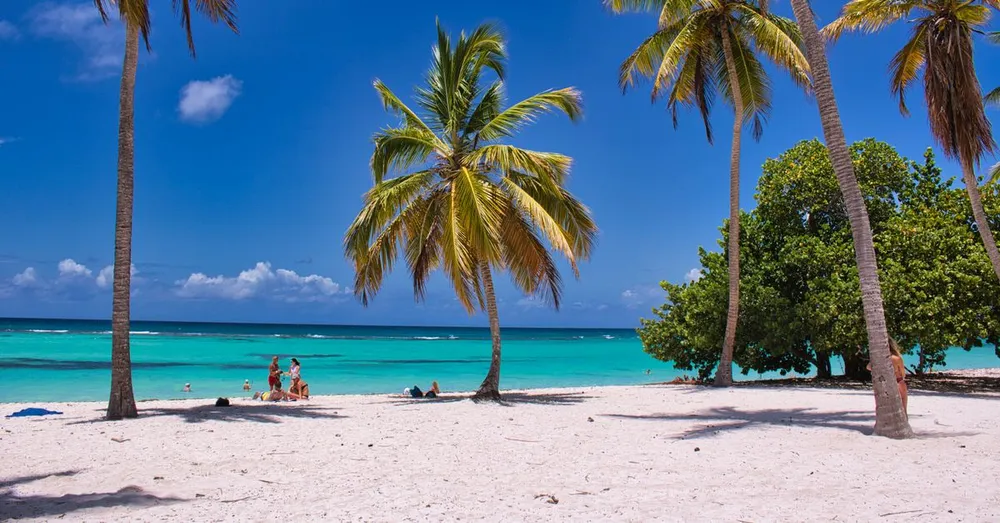
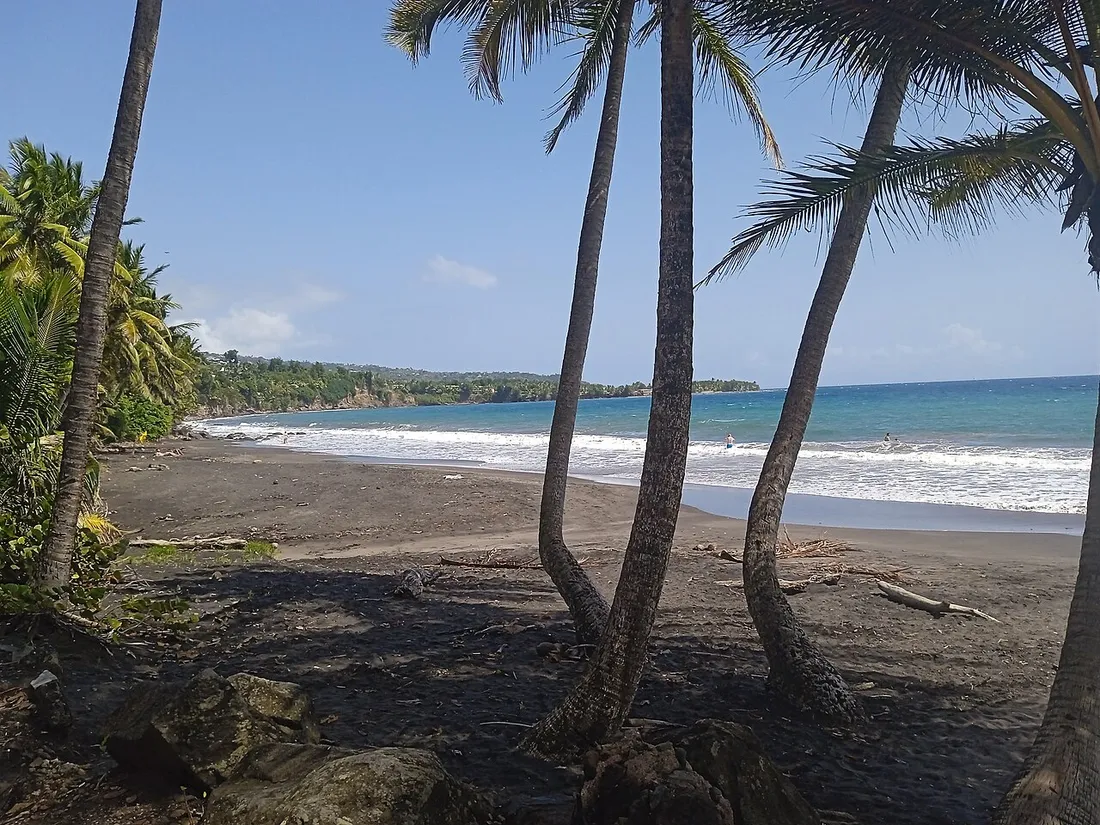
When you picture Guadeloupe, you often imagine the turquoise lagoons and white sand of Grande-Terre. Yet just a few dozen kilometres away, the other wing of the butterfly offers a completely different experience: black sand beaches born from the volcano. Along the west coast of Basse-Terre, the sand takes on shades of charcoal grey, dark brown or true coal-black, set against a tropical forest that tumbles right down to the sea. This is a wilder, more mineral Guadeloupe that many travellers still overlook.
At Hostel Toucan, we host travellers on both sides of the archipelago, and we love seeing the surprise on their faces when they first step onto a dark beach, warm beneath their toes, facing the Cousteau Reserve. Here is our local guide to understanding where this black sand comes from, where to find it, and how to enjoy it without any unpleasant surprises.
Why is the sand black in Basse-Terre?
Guadeloupe is a butterfly-shaped archipelago made up of two very different wings. Grande-Terre, to the east, rests on a limestone base: its pale beaches come from the breakdown of corals and shells. Basse-Terre, to the west, is by contrast a volcanic land dominated by La Soufrière, which rises to 1,467 metres and remains an active volcano.
Black sand is quite simply eroded volcanic rock. Over the millennia, basaltic lava flows, ash, and dark minerals rich in iron and magnesium have been ground down by rivers and the surf. The result: a fine to coarse sand whose colour ranges from pearl grey to deep black depending on the beach. The closer you get to the volcanic activity zones in the south (Trois-Rivières, Vieux-Fort), the darker the sand.
This origin also explains a peculiarity our hosts often mention: black sand heats up much faster and far more intensely than white sand, because the dark minerals absorb solar radiation. In the middle of the day, walking barefoot can become genuinely uncomfortable. We’ll come back to that with our timing tips.
Black sand, grey sand, russet sand: local nuances
Not all the west coast beaches are alike. Roughly speaking, you can distinguish:
- Light grey to silvery: mixed beaches where the volcanic sand blends with a little shell debris (the Malendure area).
- Russet brown: the presence of iron oxides, common around Bouillante.
- Intense black: the most volcanic sand, typical of the south, towards Trois-Rivières and the Grande Anse de Trois-Rivières.
The finest black sand beaches, from north to south
Here is our favourite itinerary along the Côte-sous-le-Vent, the stretch of national road 2 that runs along the Caribbean Sea. Allow around 1h15 of driving from Malendure to Trois-Rivières (roughly 45 km), with plenty of bends: be sure you’re comfortable behind the wheel.
Malendure (Bouillante): the gateway to the Cousteau Reserve
The best-known grey-black sand beach on the island, Malendure is the departure point for excursions to the Pigeon Islets and the Cousteau Reserve, the number one diving and snorkelling spot in Guadeloupe. From the sand, you can hop on a boat for a 10-minute crossing, or set off with fins on along the drop-off.
- Shuttle/aquabus to the islets: from around €12 to €15 for the round trip.
- Guided snorkelling outing: around €25 to €35 depending on the operator.
- Introductory dive: generally €60 to €80.
The beach has car parks, a few seaside restaurants and gear rental shops. It’s lively, but swimming here is easy and the water is often calm.
Plage de la Perle and the coves of Bouillante
Between Malendure and Bouillante, several small coves offer russet sand and fewer visitors. Ideal for those seeking quiet. The water can be warm in places: the area is geothermal, and you’ll even find the famous Thomas beach (naturally hot water) further south.
Grande Anse de Trois-Rivières and the volcanic south
As you head south, the sand turns truly black. Trois-Rivières is also the embarkation port for Les Saintes (Terre-de-Haut and its bay, ranked among the most beautiful in the world): the crossing takes about 20 minutes. The area is home to the Roches Gravées Archaeological Park, an Amerindian heritage site, ideal to pair with a morning at the beach.
Further south still, towards Vieux-Fort, the black sand contrasts magnificently with the vegetation and offers views of the point where the Caribbean Sea and the Atlantic Ocean meet.
Swimming and safety: what you need to know
The west coast is broadly sheltered, lapped by the Caribbean Sea, and therefore calmer than the Atlantic coast. Swimming is pleasant for most of the year. A few points of caution from our hosts:
- Always check the conditions: some unsupervised beaches can develop currents after heavy rain (the volcanic rivers flow into the sea).
- Dark sand is no more dangerous, but the water can be less clear near river mouths.
- Water shoes welcome: a few beaches mix sand with volcanic pebbles.
- Dry season from December to April: this is the best time, with clearer seas and less rain.
Our hosts’ signature tip: managing the heat of the sand
This is THE detail no one tells you before you go. On a black sand beach in Guadeloupe, between 11 a.m. and 3 p.m., the sand can reach temperatures that have you hopping from foot to foot to reach the water. Our field-tested recommendations:
- Aim for early morning (before 10 a.m.) or late afternoon (after 3:30 p.m.). Bonus: the low, raking light brings out the contrast between the dark sand and the blue water, perfect for photos.
- Keep your sandals on right up to the water’s edge and lay your towel on a damp or shaded spot.
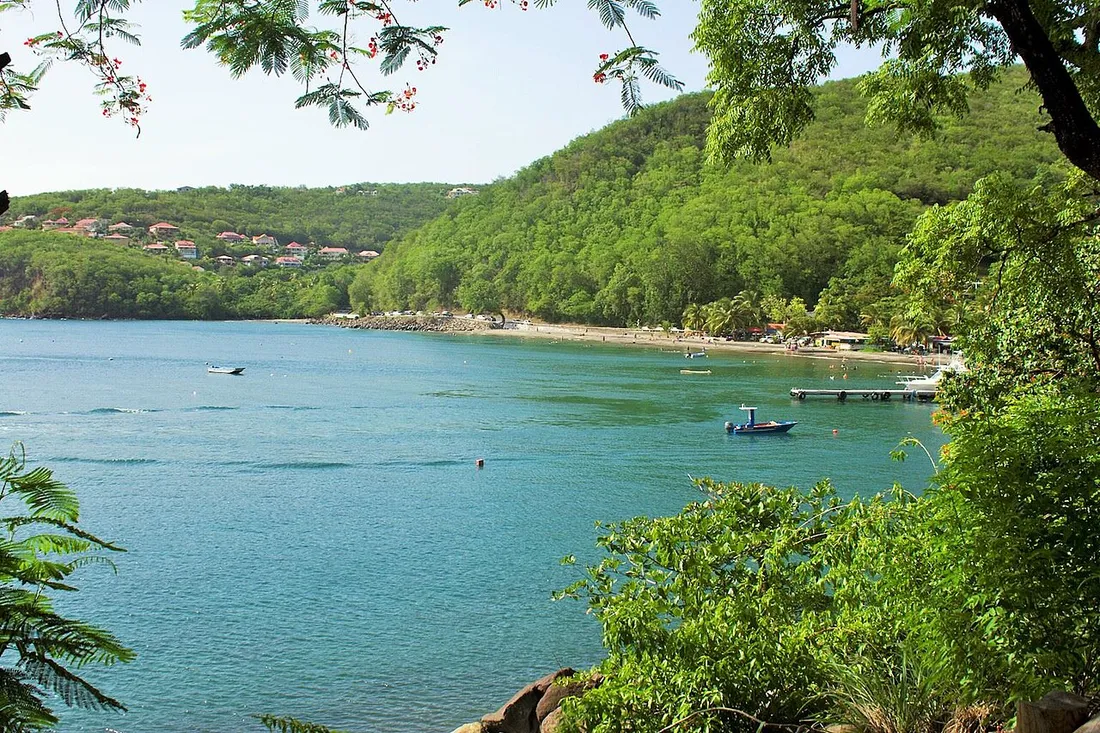
- Make the most of the shade from the sea grape and tropical almond trees that often line these beaches.
- Drink more water: the perceived heat is stronger than on a pale beach.
- The end of the day at Malendure is magical: the sun sets right on axis, facing the Pigeon Islets.
Since we host on the west side, our travellers reach the beach in a matter of minutes and head back to the apartment during the hottest hours: that’s the whole point of being well located.
How long to plan and how to organise it
To really appreciate the black sand, we recommend devoting 2 to 3 days to the Côte-sous-le-Vent rather than rushing through. One way to organise it:
- Day 1: Malendure in the morning, snorkelling at the Cousteau Reserve, lunch with your feet in the sand.
- Day 2: head down towards Bouillante, the hot baths of Thomas, the coves of La Perle.
- Day 3: Trois-Rivières, the Roches Gravées, and perhaps an excursion to Les Saintes.
A rental car is essential on the west coast (budget €30 to €45 per day): public transport is limited and the distances between coves are hard to cover on foot. From Pôle Caraïbes airport (Pointe-à-Pitre), allow roughly 1h to 1h30 of driving to reach Malendure.
Why book your west-coast base with Hostel Toucan
Discovering the black sand beaches is even better when you sleep nearby. Hostel Toucan offers carefully selected holiday rentals on both wings of the archipelago, with a genuine local concierge service:
- Direct booking with no platform fees: you pay the fair price, not the big sites’ commissions.
- Free cancellation up to 7 days before arrival, so you can book with peace of mind.
- WhatsApp assistance 7 days a week: our teams on the ground answer your questions, from swimming spots to the best places to eat.
To plan your stay, browse our complete guide to Guadeloupe and discover our holiday rentals in Guadeloupe. And if you own a property on the island, our offer for owners supports you in managing it.
The black sand of Basse-Terre is no postcard flaw: it’s the signature of a living island, shaped by its volcano. Once you’ve felt that warm sand beneath your feet facing the Pigeon Islets, you’ll understand why our guests come back season after season.
FAQ
Why is the sand black in Basse-Terre when it’s white in Grande-Terre?
Because the two wings of Guadeloupe have different geological origins. Grande-Terre is limestone: its pale sand comes from corals and shells. Basse-Terre is volcanic, dominated by La Soufrière (1,467 m): its black sand comes from eroded basaltic rock, rich in dark minerals.
Can you swim on Guadeloupe’s black sand beaches?
Yes. The west coast, lapped by the Caribbean Sea, is generally calmer than the Atlantic coast and swimming is pleasant. Always check the conditions after heavy rain, as the volcanic rivers can create currents near river mouths, especially on unsupervised beaches.
Is black sand really hotter?
Yes, distinctly so. Dark minerals absorb more solar radiation. Between 11 a.m. and 3 p.m., the sand can become scorching underfoot. We recommend going before 10 a.m. or after 3:30 p.m., and keeping your sandals on right up to the water’s edge.
Which is the best black sand beach for beginners?
Malendure, in Bouillante, is ideal: easy swimming, car parks, restaurants and direct access to the Cousteau Reserve for snorkelling towards the Pigeon Islets. It’s the most accessible and best-equipped grey-black sand beach on the west coast.