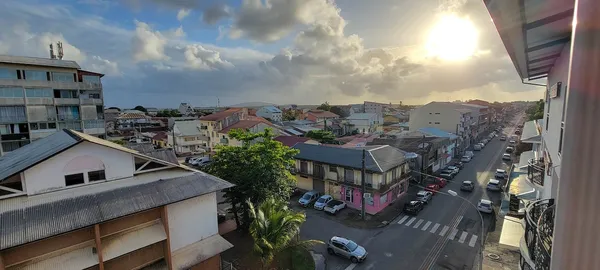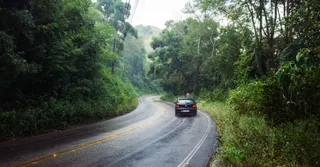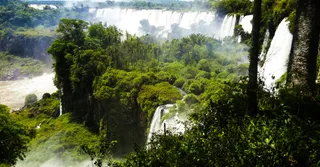
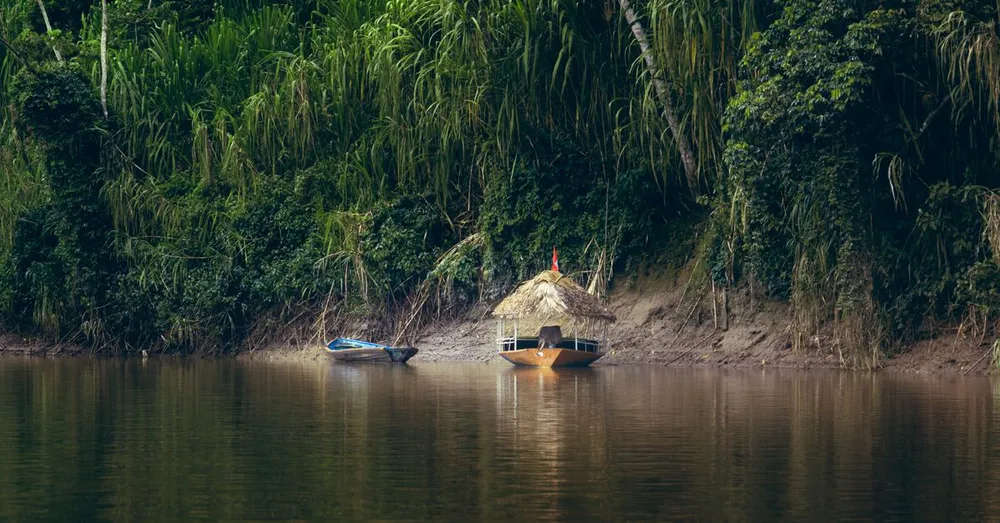
French Guiana fascinates, intimidates, and often surprises those discovering it for the first time. Amazon rainforest, Ariane rockets, immense rivers, a unique cultural blend: this French overseas department in South America (DROM) is like no other destination. But planning a first trip to French Guiana without knowing the terrain exposes you to some very real disappointments. Underestimated distances, poorly anticipated weather, forgotten formalities: here’s a summary of the mistakes we keep seeing among first-time visitors, plus our concrete tips to avoid them.
Mistake #1: Underestimating distances and driving times
This is pitfall number one. On a map, French Guiana looks compact. On the ground, it stretches across nearly 84,000 km² of forest, with a single main road (the RN1 and RN2) running along the coast. Everything else is jungle.
A few realistic reference points departing from Cayenne:
- Cayenne → Kourou (Guiana Space Centre): about 65 km, allow 1 hour of driving.
- Cayenne → Saint-Laurent-du-Maroni: about 250 km, that’s 3 to 3.5 hours without a break.
- Cayenne → Kaw marshes (via Roura): about 1.5 hours of driving, then by pirogue.
- Cayenne → Awala-Yalimapo (leatherback turtles): nearly 4 hours, it’s the western tip of the coast.
The field tip: never plan two major sites at opposite ends in the same day. A first-timer who wants to “see Kourou in the morning and Saint-Laurent in the afternoon” ends up exhausted, frustrated, and spends the whole day behind the wheel. Better to zone: one stay around Cayenne–Kourou–Îles du Salut, then a dedicated trip west toward the Maroni.
A car is not optional
There is virtually no tourist public transport between the towns. Without a vehicle, you’re stuck. Renting a car is essential, ideally right from Félix-Éboué airport in Matoury. Book early: the rental fleet is limited and prices climb fast in high season. Budget an average of €45 to €70 per day depending on the category. Fill up on the coast; beyond it, gas stations grow scarce.
Mistake #2: Misjudging the weather and the season
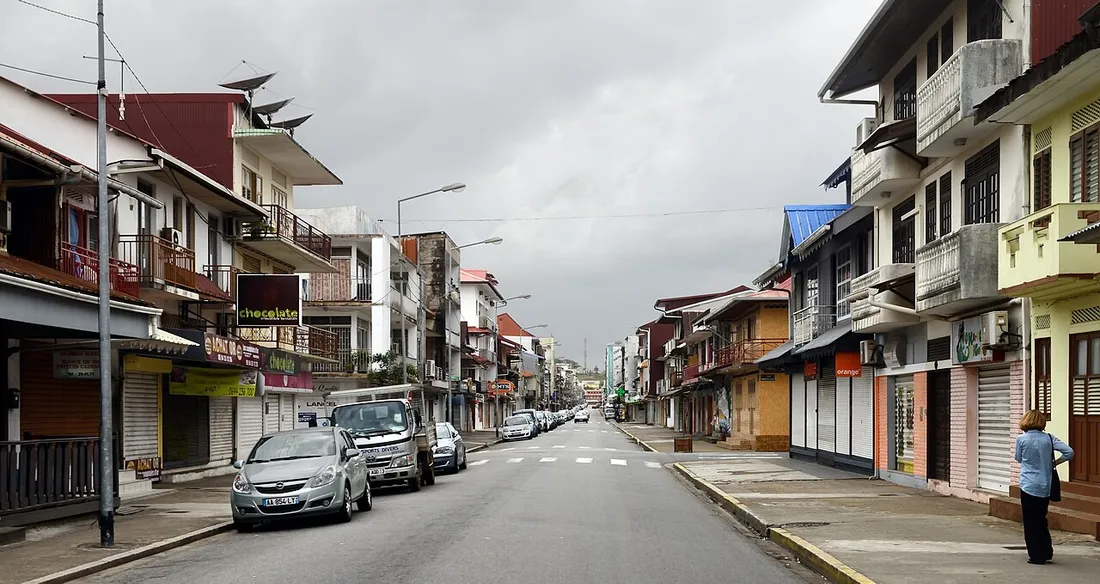
Many people book their first trip to French Guiana without checking the climate calendar. The result: entire days under torrential rain and impassable tracks.
French Guiana has two main periods:
- Rainy season: from December to late June, with a “little dry season” in March (the “little summer of March”). Intense rains, high rivers, plentiful mosquitoes.
- Dry season: from mid-July to mid-November. This is the best time to discover the region: clear skies, passable tracks, optimal wildlife viewing.
That said, the rainy season has its charm: lush vegetation, full waterfalls, sometimes gentler prices. But for a first stay focused on discovery and excursions, aim for July to November.
As for gear, people often forget the essentials at the equator:
- Light, breathable, quick-drying clothing;
- Good mosquito protection (DEET repellent, long clothes in the evening);
- High-protection sunscreen (the sun is strong, even when overcast);
- Closed shoes for forest walks and water shoes for the pirogues.
Mistake #3: Neglecting the formalities, starting with the vaccine
French Guiana is French territory: no passport or visa for French or EU nationals, you pay in euros, you call with the +594 area code. This administrative familiarity lulls your vigilance. Yet there is one unavoidable requirement.
The yellow fever vaccine is mandatory to enter and stay in French Guiana. It must be administered at least 10 days before departure, at an approved international vaccination centre. Don’t leave it to the last minute: without a valid certificate, you risk being turned away. Also consider antimalarial treatment depending on the forest zones you’ll visit (medical advice recommended) and check your standard boosters (DTP, hepatitis).
Another detail that throws off newcomers: the time difference. French Guiana is 5 hours behind Paris in winter and 6 hours behind in summer. Warn your loved ones and schedule your calls accordingly.
Mistake #4: Trying to do everything and missing the essentials
With so many wonders, the temptation is to overload the itinerary. For a first stay of one to two weeks, it’s better to pick the must-sees and experience them fully:
- The Guiana Space Centre in Kourou: free guided tour (by reservation, ID required). If you happen to catch an Ariane 6 or Vega launch, it’s unforgettable. Check the launch calendar before fixing your dates.
- The Îles du Salut: catamaran departure from Kourou, a memorable day blending penal colony history and turquoise waters.
- Saint-Laurent-du-Maroni: the Camp de la Transportation and the penal colony tell a poignant chapter of history. The ideal base for travelling up the Maroni river by pirogue.
- The Kaw marshes: a night outing to spot caimans and birds, a great classic.
- Awala-Yalimapo: nesting of the leatherback turtles (from March to July), a sight rare in the world.
- Cacao: village of the Hmong community, famous for its Sunday market.
- In Cayenne itself: the market, the place des Palmistes and its royal palms.
For the more adventurous, the Nouragues reserve offers an immersion deep in primary forest, but it requires organisation and budget.
Remember to book excursions in advance
Îles du Salut, Kaw marshes, pirogue outings: spots are limited and fill up fast in the dry season. Book before you arrive, especially if your schedule is tight.
Mistake #5: Choosing accommodation without knowing the towns
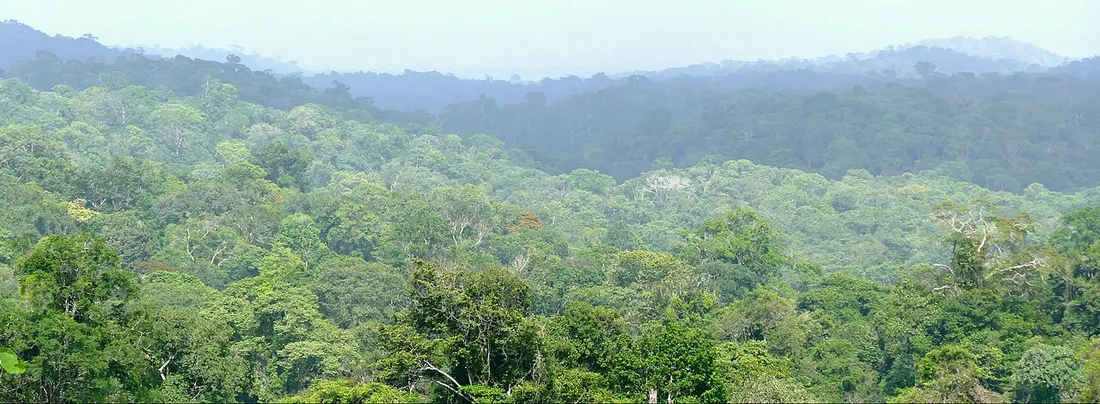
Where you set down your bags changes the whole balance of a stay. The most convenient towns for getting around:
- Cayenne and Rémire-Montjoly: urban heart, beaches, restaurants, the starting point toward the East and the centre.
- Matoury: close to the airport, handy on arrival or departure.
- Macouria and Roura: intermediate positions, calm and nature.
- Kourou: ideal for the space sector and the Îles du Salut.
- Saint-Laurent-du-Maroni: essential for exploring the West and the Maroni.
The right instinct: well-placed accommodation saves you hours of needless driving. Many first-timers book everything around Cayenne, then lose tons of time reaching the West. Consider an additional base near Saint-Laurent if your itinerary includes it.
At Hostel Toucan, we know every town and our accommodations are selected to make your travels easier. Direct booking comes with no platform fees, with free cancellation up to 7 days before arrival and WhatsApp support 7 days a week: a real safety net when you’re discovering the destination. Explore our accommodation in French Guiana and check out our complete guide to French Guiana to fine-tune your itinerary.
Mistake #6: Ignoring the culture and the local pace
French Guiana speaks French, but also Creole, Bushinenge and Amerindian languages. This blend is the source of all its richness. Two simple tips:
- Adopt the rhythm: everything is slower, warmer. No point getting annoyed at an unexpected closure or a flexible schedule.
- Taste the local cuisine: awara broth, fish blaff, exotic fruits from the Cayenne market.
Respect, curiosity and patience are your best allies. They’re also what turns a simple trip into a genuine human experience.
Recap: the first-timer’s checklist
Before you pack your bag for your first trip to French Guiana, check:
- Yellow fever vaccine validated (at least 10 days before departure);
- Rental car booked right from the airport;
- Dates set on the dry season (mid-July to mid-November) and the launch calendar;
- Key excursions booked in advance;
- Well-placed accommodation according to your East/West itinerary;
- Suitable gear: mosquito repellent, sunscreen, closed shoes.
French Guiana rewards those who prepare seriously. Anticipate these six pitfalls, and your first stay will live up to this extraordinary Amazonian land. Ready to go? Book your accommodation directly with Hostel Toucan, and if you own a property, discover our concierge service for owners.
FAQ
What is the best time for a first trip to French Guiana?
The dry season, from mid-July to mid-November, is ideal: clear skies, passable tracks and optimal wildlife viewing. The rainy season (December to June) remains possible but complicates excursions and forest travel.
Do you need a vaccine to go to French Guiana?
Yes. The yellow fever vaccine is mandatory and must be administered at least 10 days before departure at an approved international vaccination centre. Antimalarial treatment is also recommended depending on the forest zones visited.
Do you need a car in French Guiana?
Yes, a car is essential. There is virtually no tourist public transport between the towns. Rent a vehicle right from Félix-Éboué airport in Matoury and book early, as the fleet is limited in high season.
Do you need a passport or visa to visit French Guiana?
No for French and EU nationals: French Guiana is a French department (DROM). An ID card is enough, the currency is the euro and the area code is +594. Only the yellow fever vaccine is mandatory.