The capital of French Guiana and the gateway to French Amazonia, Cayenne charms visitors with its laid-back Creole atmosphere, its colourful market and a fusion cuisine like nowhere else. Wedged between the estuary, the rainforest and the ocean, this is not a city to rush through: it is best savoured at a Caribbean pace, somewhere between a palm-shaded square and a plate of fried fish. Whether you are passing through before an excursion to the Îles du Salut or settling in for a week, here is everything to see, taste and experience in Cayenne and its surroundings.
The Cayenne market, the city’s melting-pot soul
You can’t truly understand Cayenne without stepping inside its covered market in the heart of downtown. This is where the communities that make up French Guiana come together: Creoles, Hmong, Bushinengués, Amerindians, Brazilians and mainland French. You’ll find mountains of tropical fruit (passion fruit, sapodilla, golden apple), spices with intoxicating aromas, medicinal plants and fresh fish from the estuary.
The market is busiest on Wednesday, Friday and Saturday mornings: come early, around 7 or 8 a.m., before the heat and the crowds. Don’t leave without trying:
- a bouillon d’awara, the emblematic dish simmered for hours (especially around Easter);
- a pho soup or some spring rolls from the Hmong stalls, among the best in town;
- a wassaï or comou juice, those Amazonian berries with a one-of-a-kind taste.
It’s the perfect place to stock up on flavours before cooking in your accommodation.
Place des Palmistes and the Creole old town
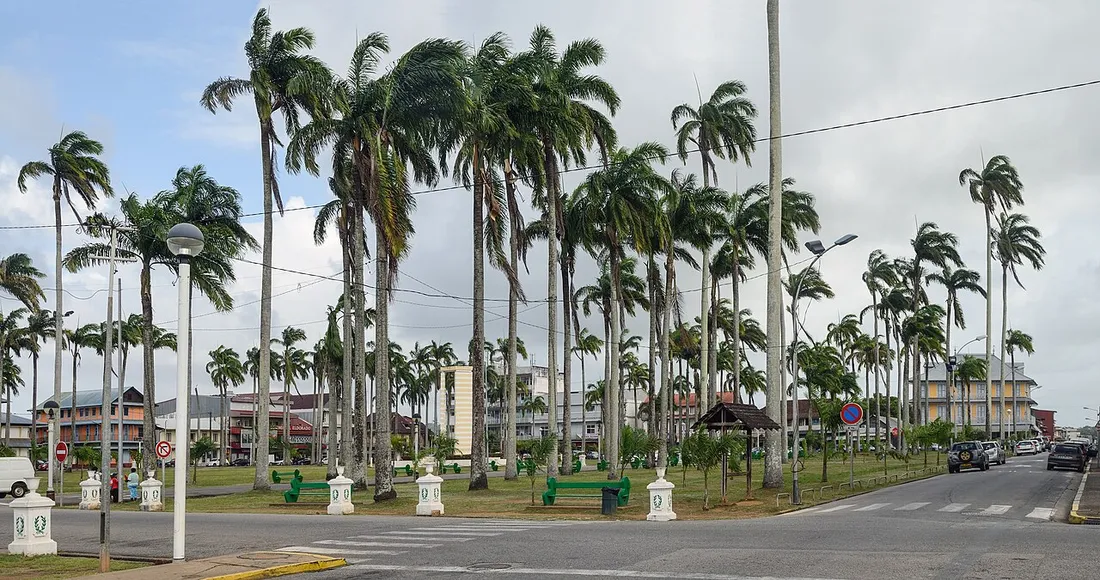
Just steps from the market, Place des Palmistes is the beating heart of Cayenne. Lined with majestic royal palms, it welcomes locals in the cool of the evening, when the food trucks and juice vendors set up. It’s an excellent starting point for exploring the historic centre on foot.
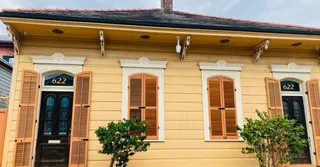
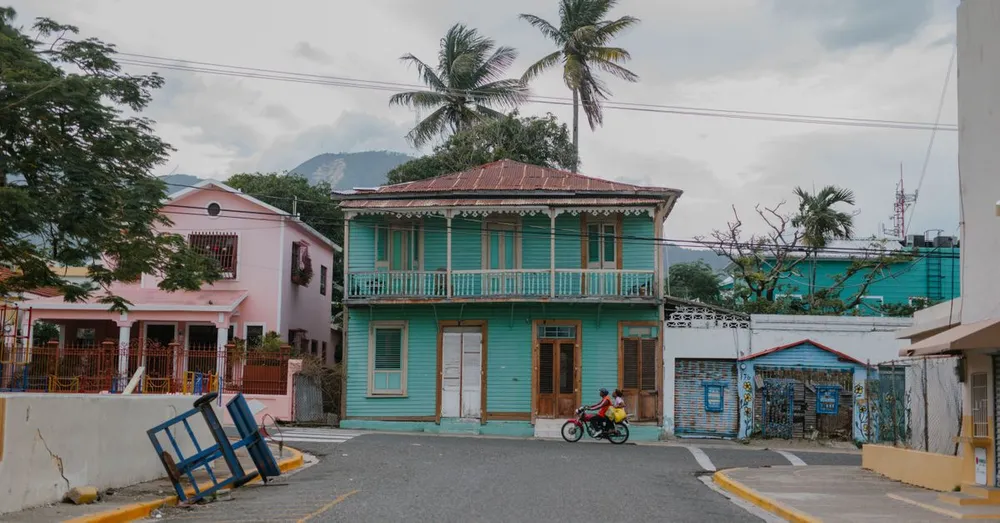
Then wander through the Creole old town, around Rue Cayenne and Place Léopold-Héder (formerly Place Grenoble). You’ll discover half-timbered Creole houses with colourful façades and ornate balconies, the legacy of an architecture designed for the tropical climate. Look up: louvred shutters, tin roofs and shaded verandas all tell the story of the city. The walk is free and perfect at the end of the day, when the light gilds the façades.
Fort Cépérou and the views over the estuary
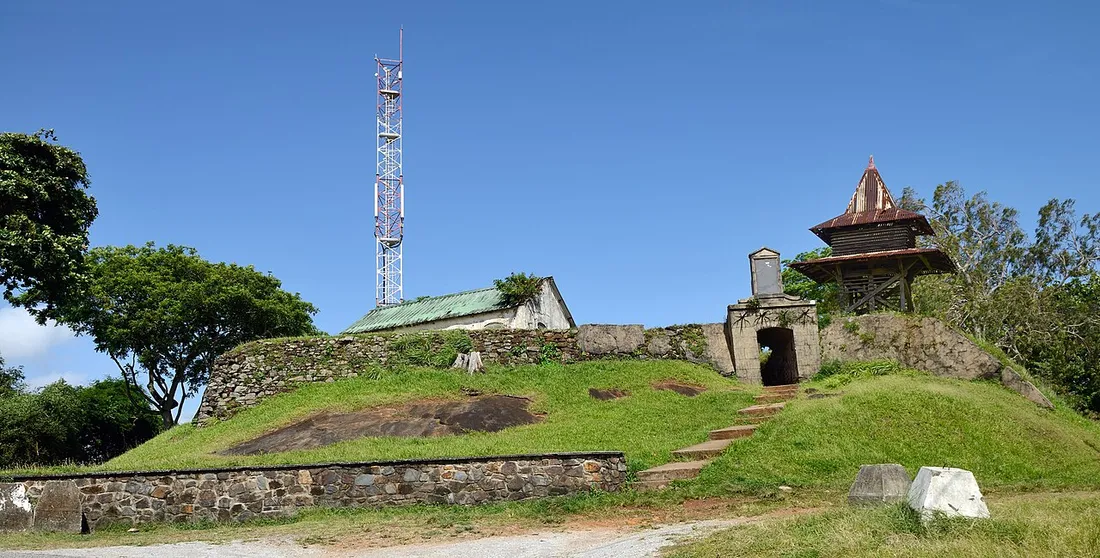
Perched on the hill overlooking the city, Fort Cépérou marks the spot where Cayenne was founded in the 17th century. Only ruins remain, but the climb is worth it above all for the panorama: you take in the rooftops of the old town, the harbour and the mouths of the rivers flowing into the Atlantic. It’s one of the most beautiful viewpoints reachable on foot from the centre.
Bring good shoes, a hat and water: the climb is short but exposed. Sunset here is especially photogenic.
The beaches of Montjoly and Rémire
Just a 15-minute drive from the centre, the town of Rémire-Montjoly lines up the finest beaches on the Cayenne coast. The sand is golden, fringed with coconut and sea-grape trees, with a relaxed, family-friendly feel.
A few ideas depending on your mood:
- Montjoly beach — the longest, ideal for an early-morning walk or for watching the sea turtles that come to nest between April and July (always from a distance and with no lights);
- Salines beach — wilder, a favourite for sunsets;
- Montabo beach — close to the centre, handy for a quick swim.
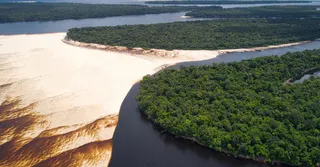
Keep in mind that the water, laden with sediment from the Amazon, is often ochre-coloured: this is normal and perfectly safe. To make the most of the coast, it’s best to have your own wheels: a vehicle makes the beaches, markets and excursion departure points far easier to reach. Be sure to book a car rental as soon as you arrive.
Nature around Cayenne: the Rorota trail
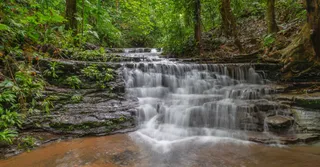
Craving greenery without leaving the city? The Rorota trail, in Rémire-Montjoly, is a nature loop of about 4 km suitable for the whole family. The path winds around a former reservoir, crosses a humid forest home to monkeys, sloths and birds, and opens onto a viewpoint over the ocean and the islets.
Set off early in the morning (before 9 a.m.) for the cooler air and the wildlife, and bring water and insect repellent. It’s one of the finest introductions to the nature of French Guiana, right on the capital’s doorstep. To go further, Mont Grand Matoury and the trails of Montagne du Tigre offer other accessible hikes.
Excursions from Cayenne
Cayenne is the ideal base for venturing out to French Guiana’s major sites. Depending on how much time you have, several excursions are easy to arrange:
- The Îles du Salut — an archipelago steeped in history (a former penal colony) off Kourou, reachable by catamaran on a day trip. Turquoise waters, agoutis, squirrel monkeys and spellbinding ruins. Discover it in our guide visiting the Îles du Salut.
- The Kaw marshes — one of the largest biodiversity reserves in French Guiana, where at dusk you can spot black caimans and exceptional wildlife from a dugout canoe. It’s all detailed in our article on the Kaw marshes.
- The Guiana Space Centre in Kourou — guided tours of the European spaceport, about an hour’s drive away.
- The rivers and inland villages — travelling upriver by dugout canoe to the communities along the Maroni or the Oyapock for an authentic immersion.
Most of these outings can be booked the day before with local agencies. Keep a buffer day in your schedule, since the Amazonian weather can push an excursion back.
Gastronomy and nightlife
Guianese cuisine is a journey in itself, the fruit of a Creole, Amerindian, Asian and Brazilian blend. Absolute must-tries:
- the fricassée (beef, chicken or pork) served with rice and red beans;
- the colombo and the poisson coupé, marinated and fried fish served with a spicy sauce;
- the bouillon d’awara, the signature dish of special occasions;
- the local juices: wassaï, passion fruit, comou, lemon-ginger.
As for nightlife, Cayenne is best enjoyed from a terrace. Place des Palmistes and the centre are packed with bars, food trucks and restaurants where you can share a ti’punch or a local beer to the sound of zouk and Brazilian music. On weekends, some venues host concerts and dance nights. To eat well without breaking the bank, check out our selection of great places to eat in Cayenne. As anywhere, stay alert at night and favour getting around by car.
What to do in Cayenne depending on the length of your stay
The programme isn’t the same whether you’re staying a weekend or a week. Here are some ready-made ideas:
A one-day stopover
The Cayenne market in the morning, a Creole lunch, a stroll through the old town and a climb up to Fort Cépérou at sunset.
A weekend (2 to 3 days)
Day 1 in town (market, historic centre, Place des Palmistes); day 2 the Montjoly beaches and the Rorota trail; day 3 an excursion to the Îles du Salut or the Kaw marshes.
A week or more
Add Kourou and the Space Centre, a night in a hammock in the rainforest, a trip upriver and several relaxing days on the coast. Cayenne becomes your home base between two adventures.
Many travellers stay several nights in Cayenne before and after their excursions: it’s the most comfortable way to explore the region stress-free.
Where to stay in Cayenne?
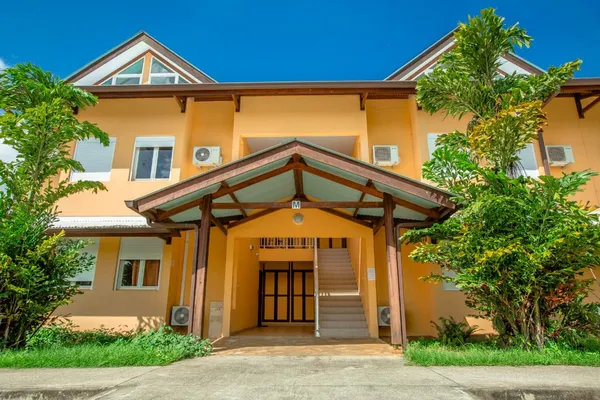
Hostel Toucan manages many places to stay in Cayenne and across French Guiana: apartments and studios in the Baduel, Montabo and Zac Hibiscus neighbourhoods, as well as in Rémire-Montjoly to be as close as possible to the beaches. Air conditioning, a pool and a fully equipped kitchen let you settle in just like home between outings. To compare options and budgets, take a look at our guide on where to stay in Cayenne on a budget and at all of our accommodations in French Guiana and the French West Indies.
Ready to discover the Amazonian capital? Book your Hostel Toucan stay in Cayenne and make your base the perfect launching point for exploring all of French Guiana. See you soon under the coconut trees!