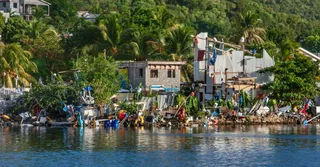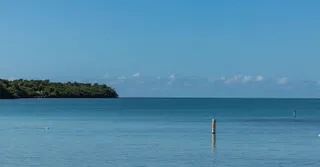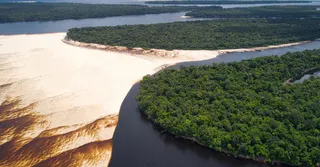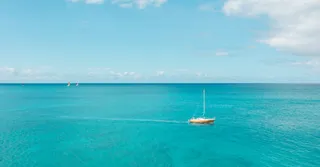
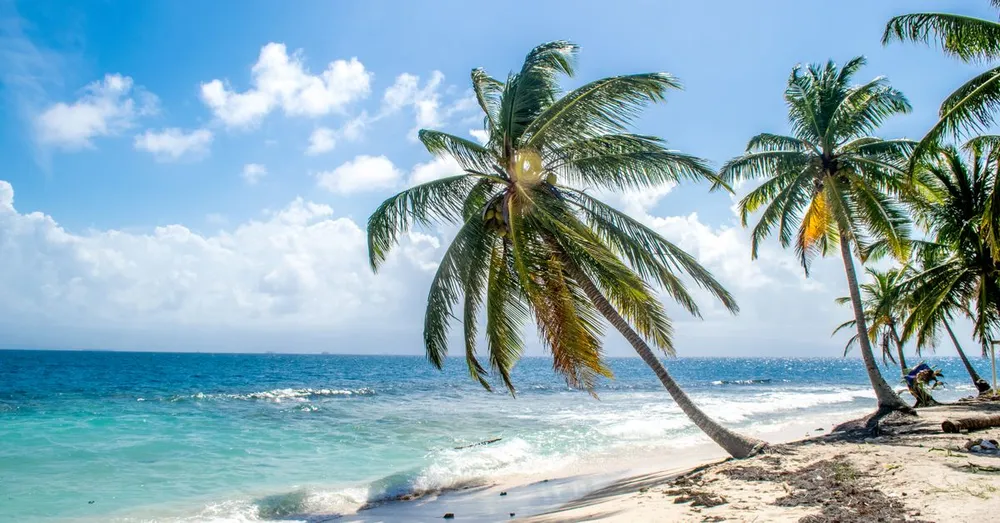
Living and working in Guadeloupe means answering the same question from our travelers every week: “What can you do in Guadeloupe when you only have a few days?” The butterfly-shaped archipelago blends two radically different worlds. To the east, Grande-Terre, flat and limestone, made of turquoise beaches and seaside life. To the west, Basse-Terre, volcanic and mountainous, covered in tropical forest and dominated by the Soufrière (1,467 m). Our concierge team handles arrivals year-round: we know the real crowds, the parking headaches and the right time slot. Here is our pillar guide to the 30 must-sees, ranked so you waste neither time nor sunshine.
How to Plan Your Stay Based on Available Time
Guadeloupe isn’t large (coast to coast, you can cross it in 2 hours without traffic), but the real distances can fool you. Between Sainte-Anne and Deshaies, count on 1 hour 15 to 1 hour 30 of driving, more during rush hour around Pointe-à-Pitre.
- 2 to 3 days: pick one wing. Beaches and lounging on Grande-Terre, or nature and diving on Basse-Terre.
- 5 to 7 days: do both wings, with a night on the Basse-Terre side to avoid back-and-forth trips.
- 10 days or more: add one or two islands (Les Saintes, Marie-Galante).
The dry season, from December to April, remains the best time: less rain, calmer sea, ideal light. Our number-one field tip: for any natural site, set off early. Most spots empty out before 9 a.m. and get packed between 11 a.m. and 3 p.m.
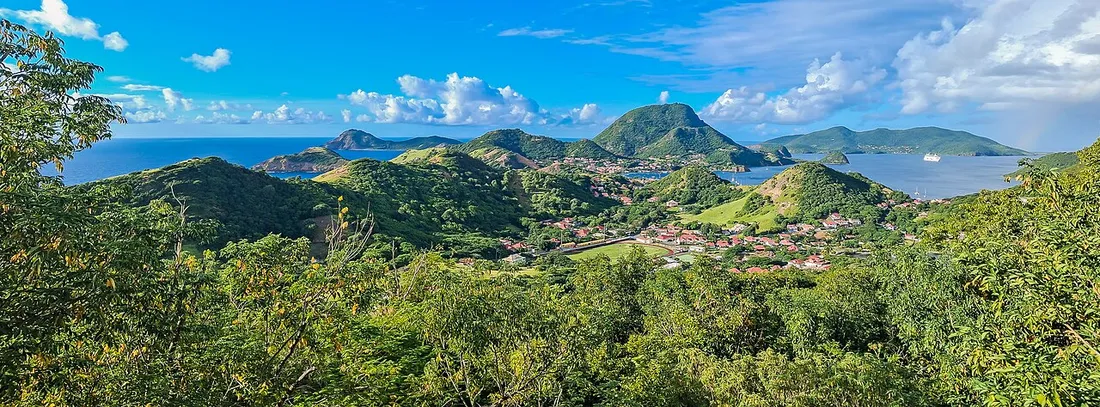
Grande-Terre: Turquoise Beaches and Seaside Life
This is the postcard wing, ideal for a first stay or a family vacation.
The Must-See Beaches
- Plage de la Caravelle (Sainte-Anne): protected lagoon, white sand, perfect for kids. Free parking but full by 10 a.m. on weekends; arrive before 9 a.m.
- Plage du Bourg de Sainte-Anne: central, craft market just steps away.
- Plage des Salines / Bois Jolan: wilder, shallow water for hundreds of meters.
- Anse à la Gourde (Saint-François): long, windy, perfect for walking.
- Plage de la Datcha (Le Gosier): close to Pointe-à-Pitre, lively in the evening.
- Petit-Havre: quiet cove favored by local families.
Natural Sites and Panoramas
- Pointe des Châteaux: the eastern tip, cliffs battered by the Atlantic and a summit cross. 360° view. Go at sunset, but be aware the parking overflows on Sundays.
- Pointe de la Grande Vigie: the northernmost point, spectacular cliffs.
- Porte d’Enfer: a lagoon hemmed between two cliffs, the Pointe du Souffleur trail.
- Les Grands Fonds: little-known rolling countryside, perfect by car.
Culture and Heritage
- The Mémorial ACTe (Pointe-à-Pitre): Caribbean center of expression and remembrance of the slave trade and slavery. A powerful, essential visit, allow 2 to 3 hours. Entry fee around €15.
- The markets of Sainte-Anne and Pointe-à-Pitre: spices, vanilla, flavored rums. Mornings only.
- Saint-François: marina, restaurants, departure point for boats to La Désirade and Petite-Terre.
- Le Gosier and its islet: swimming and snorkeling just a 5-minute shuttle away.
Basse-Terre: Volcano, Waterfalls and Tropical Forest
The nature wing, dominated by the Guadeloupe National Park. Bring closed shoes and rain gear: it often rains at altitude, even in the dry season.
Hikes and Water Wonders
- La Soufrière (1,467 m): climb the active volcano, 2 to 3 hours round trip from the Bains Jaunes. Set off before 8 a.m.: the summit clouds over by mid-morning.
- Les Chutes du Carbet: the 2nd fall (110 m) is reachable in a 20-minute walk, small parking fee of about €2.
- Cascade aux Écrevisses: the easiest, 5 minutes from the Route de la Traversée. Very busy at midday.
- Le Saut de la Lézarde: a turquoise pool at the end of a slippery trail.
- Les Bains Jaunes: free volcanic hot spring.
- Le Grand Étang: forest lake, an easy walking loop.
Diving and Western Beaches
- The Réserve Cousteau (Malendure, Pigeon islets, Bouillante): the No. 1 diving and snorkeling spot in the Caribbean. Snorkeling trip around €25-35, intro dive from €60-75. Book the morning trip: clearer sea, fewer people.
- Plage de Grande Anse (Deshaies): a huge golden-sand beach lined with coconut palms, one of the finest in the archipelago.
- Plage de Malendure: black volcanic sand, departure point for the Cousteau boats.
- The Deshaies Botanical Garden: Coluche’s former garden, ~€17 entry, splendid in 1 hour 30.
Heritage and Craftsmanship
- Rum distillery (Bologne, Reimonenq): tasting and tour on the Basse-Terre side.
- Pointe-Noire and the Route de la Traversée: a crossing of the tropical forest from east to west.
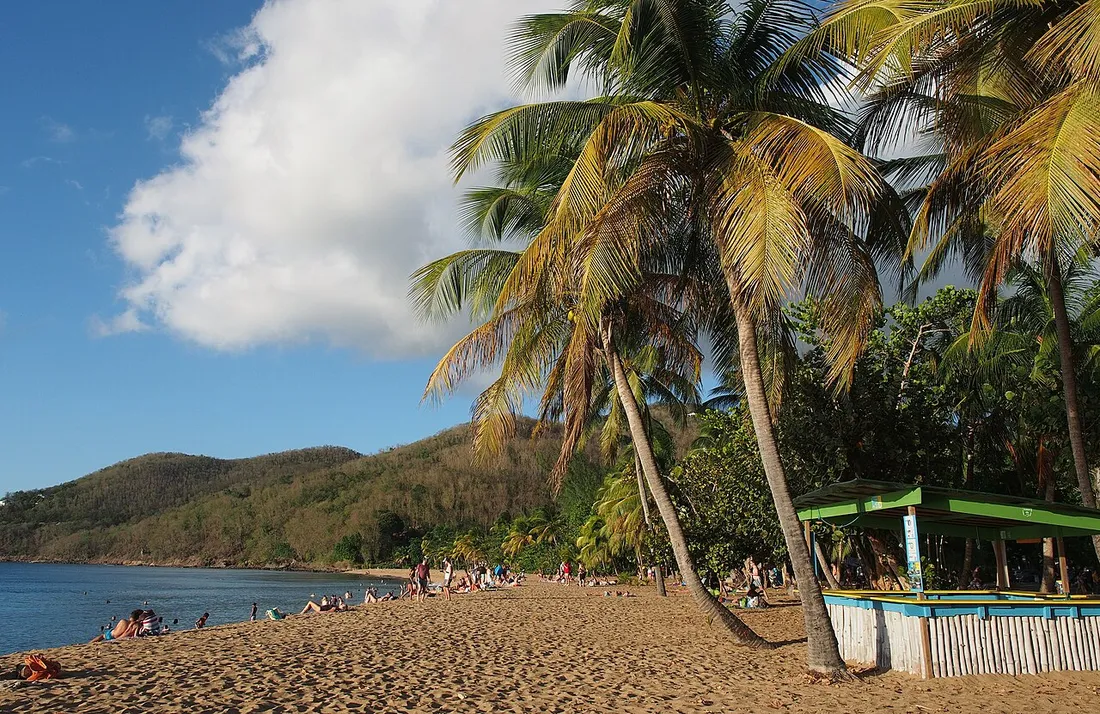
The Islands: The Experience That Changes Everything
- Les Saintes – Terre-de-Haut: its bay is ranked among the most beautiful in the world. Shuttle from Trois-Rivières (~25 min) or Pointe-à-Pitre. Le Pain de Sucre and Pompierre beach are magical. Go on a day trip, or better, sleep there a night to enjoy the village after the boats leave.
- Marie-Galante: “the big pancake,” Bielle, Bellevue and Père Labat rums, deserted beaches, windmills. One day minimum, car rental recommended.
- Petite-Terre: a protected nature reserve, iguanas and a translucent lagoon. Organized day trip from Saint-François, often around €90-110 with lunch included.
- La Désirade: the most authentic and least touristy, for lovers of calm.
Our Concierge Tips So You Don’t Miss a Thing
After hundreds of organized stays, here is what we repeat at every arrival:
- Rent a car from day one: public transport is limited, everything is done on your own.
- Fill up on gas before the isolated areas of Basse-Terre.
- Carry cash: some natural-site parking lots and small Creole restaurants don’t take cards.
- Book the boat trips (Cousteau, Petite-Terre, Saintes) the day before in high season.
- Adapt to the weather: start with Basse-Terre on clear days, keep the Grande-Terre beaches as a plan B.
Where to Stay to Enjoy Both Wings
Your choice of accommodation shapes your comfort. To roam easily, Sainte-Anne, Saint-François or Le Gosier put the beaches and the airport within reach, while staying 1 hour 15 from Basse-Terre. For a 100% nature stay, Deshaies or Bouillante put you at the foot of the Réserve Cousteau.
At Hostel Toucan, we manage vacation rentals in these key towns. Booking directly means zero platform fees, free cancellation up to 7 days before arrival, and WhatsApp support 7 days a week to arrange your excursions, transfers and best spots straight from the field. Discover our rentals in Guadeloupe and deepen your preparation with our complete guide to Guadeloupe.
Do you own a property on the archipelago and want to make the most of it without managing the logistics? Our concierge service for owners takes care of everything, from welcome to cleaning.
Guadeloupe is best savored without rushing. Choose your wing, set off early, and let the butterfly archipelago do the rest.
FAQ
How many days do you need to visit Guadeloupe?
Count on at least 5 to 7 days to discover both wings (seaside Grande-Terre and nature-focused Basse-Terre) without rushing. With 10 days or more, add one or two islands such as Les Saintes or Marie-Galante. With only 2 or 3 days, focus on a single wing depending on whether you want beaches or hiking.
What is the best time to go to Guadeloupe?
The dry season, from December to April, is the ideal time: less rain, calmer sea and perfect light. It’s also the high tourist season, so book your accommodation and boat trips (Réserve Cousteau, Petite-Terre, Les Saintes) in advance, and set off early at natural sites to avoid the crowds.
Should you rent a car in Guadeloupe?
Yes, it’s almost essential. Public transport is limited and most beaches, waterfalls and viewpoints are only accessible by car. Rent it as soon as you arrive at Pôle Caraïbes airport, fill up before the isolated areas of Basse-Terre, and keep cash for the small natural-site parking lots.
What to do in Guadeloupe when it rains?
Bet on Grande-Terre, drier and sunnier than Basse-Terre, or on covered visits like the Mémorial ACTe in Pointe-à-Pitre, a rum distillery, a market or the Deshaies Botanical Garden. Rain in the mountains is common even in the dry season: start the Soufrière or the Carbet waterfalls early in the morning, on a clear day.