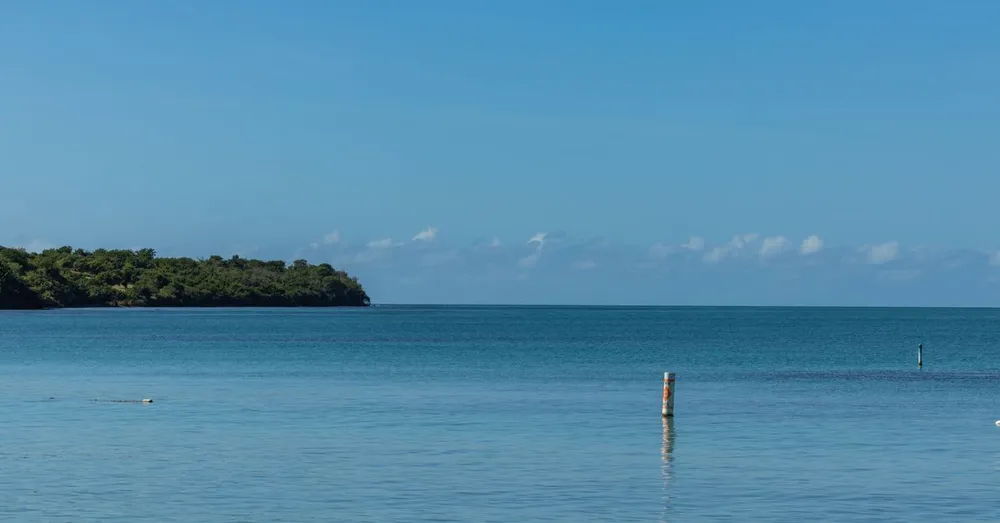
You’re planning your stay and one question keeps coming back: what to do in Martinique without falling into tourist traps? At Hostel Toucan, our concierge team lives here year-round, welcomes travellers every week and knows the island down to its smallest corners. So we built this hyperlocal pillar guide: 25 must-dos ranked by zone (North, Centre, South), with real drive times behind the wheel and the insider tips that classic guidebooks forget.
The island is only 80 km long, but don’t trust the map: the North is mountainous and winding, and a “short distance” can quickly demand an hour of driving. A car is strongly recommended to explore freely. A quick practical reminder: Martinique is a French overseas region (DROM), you pay in euros, people speak French and Creole, and Aimé Césaire airport sits in Le Lamentin, 15 minutes from Fort-de-France.
Before you go: a few local pointers
- Best time : the dry season, the Carême, from December to April. Clear skies, turquoise sea, little rain.
- Carnival : February-March, an intense cultural experience (vaval, red devils, burlesque weddings).
- Time difference : -5h in winter, -6h in summer compared to Paris.
- Dialling code : +596.
- Average budget : count on 20 to 35 € per Creole meal, 5 to 12 € for distillery admission, free for most beaches.
To plan your day-by-day movements, our complete Martinique guide details the recommended itineraries based on the length of your stay.
The North: volcano, UNESCO ruins and wild nature
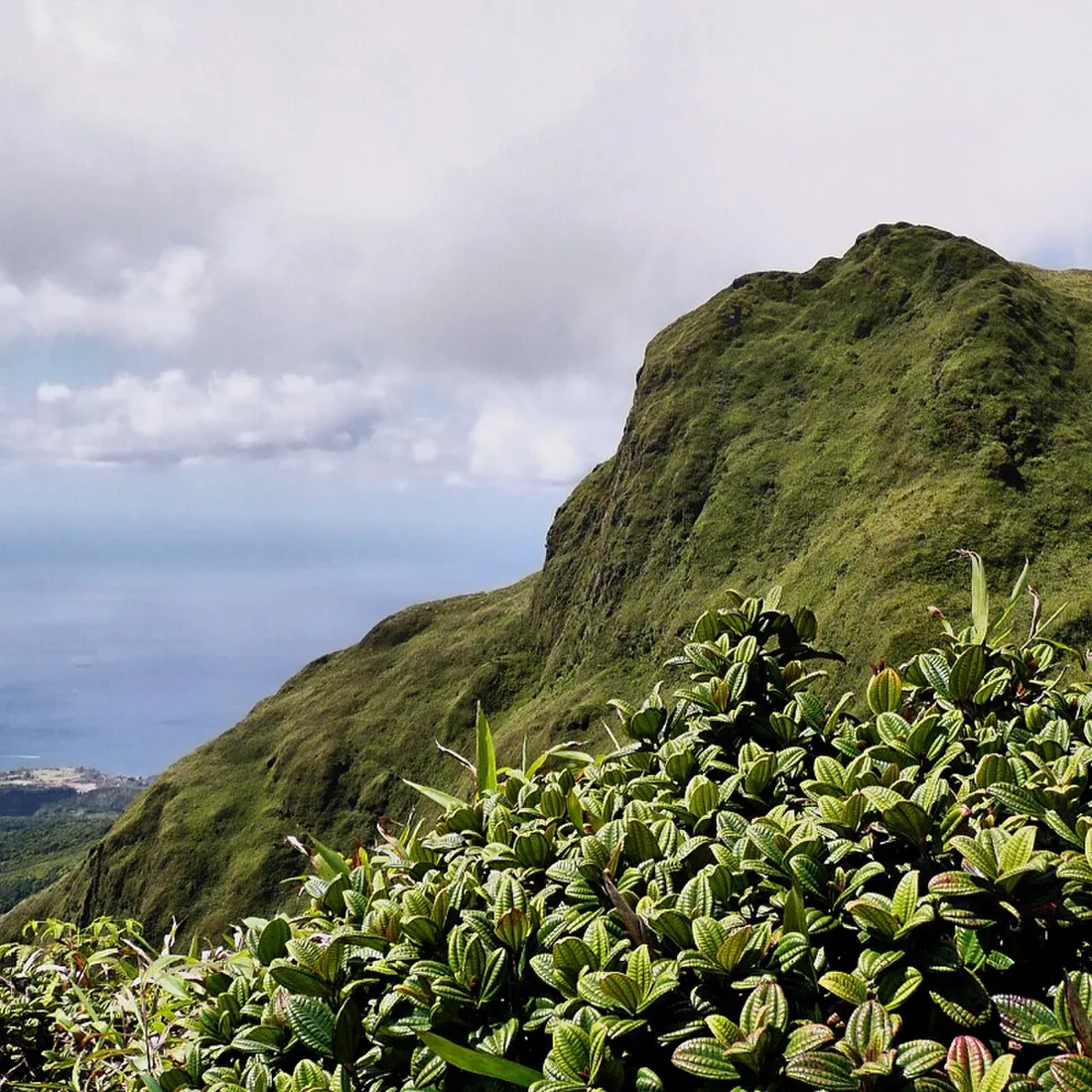
The North is our field favourite. This is authentic Martinique, green and vertiginous. Plan a full day from the Centre (1h to 1h15 of driving to Saint-Pierre).
1 to 5. The North’s essentials
- La Montagne Pelée : the emblematic volcano (1,397 m). The hike via the Aileron takes 4 to 5 h round trip. Set off before 7am: clouds invade the summit by mid-morning. This is THE classic trap for tourists who climb at 11am and see nothing.
- The Saint-Pierre ruins : the former “Little Paris of the Antilles”, flattened by the 1902 eruption. The town and its volcano are listed as UNESCO World Heritage. Cyparis’s cell, a survivor of the disaster, can be visited for free.
- The Balata Garden : 3,000 tropical species and its suspended bridges through the canopy. Count on 14 € admission and a 1h30 visit. 20 min from Fort-de-France on the Route de la Trace.
- The Depaz distillery : at the foot of the Pelée, a spectacular estate. Tasting of AOC agricultural rum facing the volcano.
- The Gorges de la Falaise : an aquatic hike to a waterfall, near Ajoupa-Bouillon. Local guiding recommended.
6 to 10. To extend the exploration
- L’Anse Couleuvre : wild black-sand beach, at the end of a narrow road. Turtle spot.
- The Route de la Trace : a legendary road through the tropical forest, between Fort-de-France and Le Morne-Rouge.
- The Sacré-Cœur de Balata, a replica of Montmartre, with a breathtaking viewpoint.
- The Saut Gendarme : a waterfall reachable in a 5-minute walk, ideal with children.
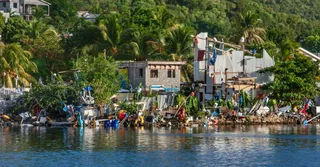
- Grand-Rivière : a fishing village at the end of the world, at the far north.
The Centre: culture, rum and capital
The Centre concentrates the capital, Joséphine’s history and the famous Route des Rhums. Everything is less than 30-40 minutes from Fort-de-France.
11 to 16. Historic heart and Route des Rhums
- Fort-de-France : the main town (~80,000 inhabitants). Stroll through the Schœlcher library, the covered market and Fort Saint-Louis.
- Les Trois-Îlets : the birthplace village of Joséphine de Beauharnais, future empress. La Pagerie and its museum tell her story.
- The Clément distillery : in Le François, an estate-museum with a botanical garden and contemporary art. One of our favourite visits (around 12 €, 2h on site).
- The La Mauny distillery and Trois-Rivières, in the south of the Centre, to compare the profiles of AOC agricultural rum.
- The Saint-James distillery in Sainte-Marie, and its plantation train (seasonal).
- The fonds blancs of Le François : sandbanks in the middle of the lagoon, reachable by boat. Joséphine’s bathtub has become very (too) busy: favour an early-morning outing.
Our rum tip
The Route des Rhums brings together the distilleries producing AOC Martinique. Don’t try to do them all in one day. Choose two at most, and appoint a sober driver: law enforcement runs checks. To taste without driving, many of our travellers book central accommodation and roam on foot in the evening.
The South: the most beautiful beaches in the Antilles
This is where the postcards are. The South is drier, sunnier, perfect for the beach. Count on 45 min to 1h from Fort-de-France depending on traffic (avoid the Lamentin rush hours).
17 to 22. The beach ranking
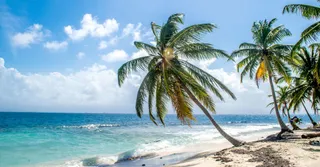
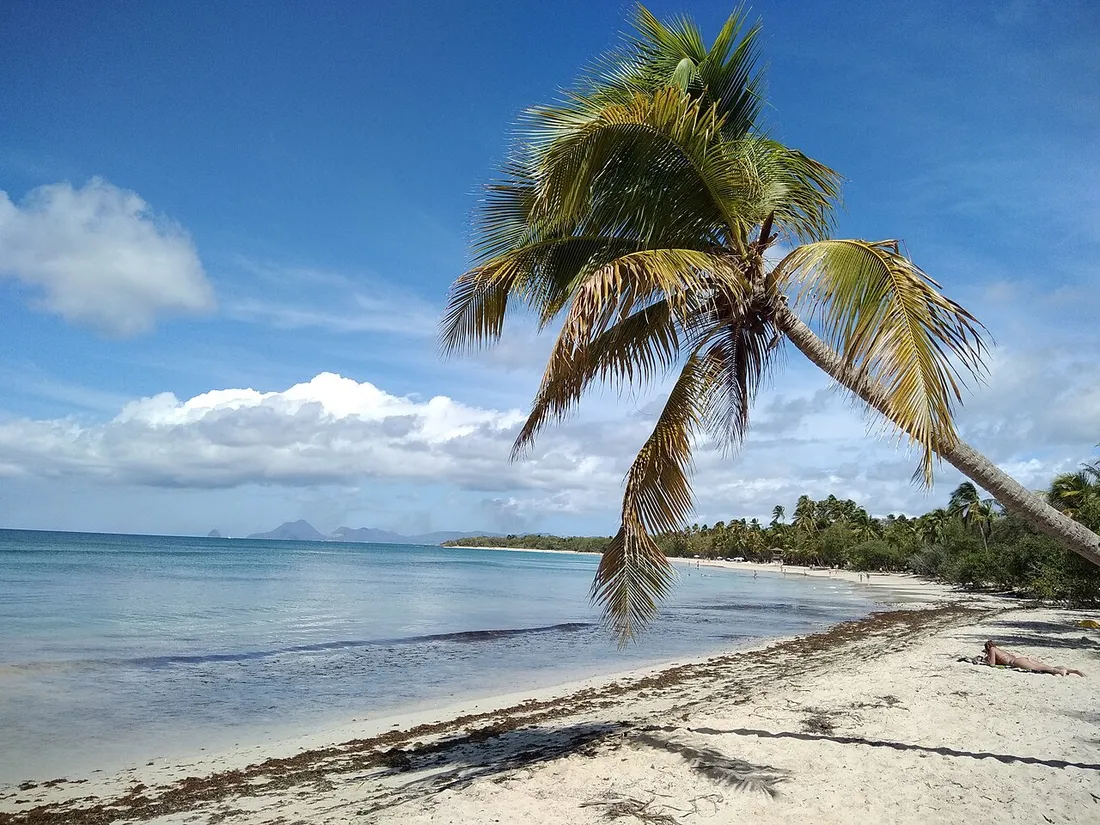
- Les Salines in Sainte-Anne : the most famous beach on the island, coconut palms and translucent water. Arrive before 10am on weekends, otherwise the car park overflows.
- L’Anse Dufour : a small fishing village where you swim with green turtles. Keep your distance and don’t touch them.
- L’Anse Noire : its neighbour with volcanic black sand, reached by a staircase. The contrast with adjacent Anse Dufour is striking.
- Grande Anse in Les Anses-d’Arlet : an iconic pontoon and easy snorkelling from the shore.
- Le Diamant : a large 3 km beach facing the famous Diamond Rock. Lovely for walking, swim carefully (rollers).
- L’Anse Michel and Cap Chevalier, more secluded, on the southern Atlantic side.
The Caravelle Peninsula: surf and the end of the world
To the east, between Centre and North, the Caravelle peninsula deserves a day of its own.
- Tartane and its beach : Martinique’s surf capital, in La Trinité.
- The Caravelle nature reserve : a 2 to 3h trail to the lighthouse and the ruins of Château Dubuc, panoramas over the Atlantic.
- Le Château Dubuc : the remains of a colonial estate steeped in history.
How much time to see it all?
Honestly, 25 must-dos can’t be visited in three days. Here’s our field-tested breakdown:
- 1-week stay : 2 days South (beaches), 2 days Centre (rum + culture), 1 day North, 1 day Caravelle, 1 day relaxing.
- 10-14 day stay : add the secluded spots, a boat outing and a day at La Pelée.
The most frequent mistake we see? Wanting to stay in the same place and make exhausting back-and-forth trips. It’s better to choose well-located accommodation according to your priorities.
Where to stay to get around easily?
The choice of base changes everything. For the beaches, aim for the South (Sainte-Anne, Le Diamant, Les Trois-Îlets). For a culture-nature mix, the Centre is ideal. Our Martinique rentals are selected by our team in strategic locations, in direct proximity to the must-dos in this guide.
Booking with Hostel Toucan means :
- Direct booking with no platform fees : you pay the fair price.
- Free cancellation up to 7 days before arrival.
- WhatsApp assistance 7 days a week, by locals who know every beach and every distillery in this guide.
Do you own a property on the island and want to entrust it to a trusted local concierge? Discover our owner support.
A final word from our team
Martinique is best savoured slowly. Don’t over-plan: leave room for an improvised ti-punch at sunset, a chat with a fisherman from Anse Dufour, a Route de la Trace under the mist. These 25 must-dos are a compass, not a military programme. And if you’re unsure about your itinerary, write to us: we love steering our travellers towards the most authentic version of the island.
FAQ
Do you need to rent a car to visit Martinique?
Yes, it is strongly recommended. The island is 80 km long and public transport is limited. A car lets you freely reach the southern beaches, the central distilleries and the mountainous North. Be aware that the northern roads are winding: allow more time than the map indicates.
What is the best time to go to Martinique?
The dry season, called the Carême, from December to April. It’s the sunniest period, with little rain and a sea ideal for swimming. Carnival (February-March) is a strong cultural moment. Avoid the hurricane season between August and October.
How many days do you need to see Martinique’s must-dos?
Count on at least a week to cover the essentials: 2 days for the southern beaches, 2 days for the Centre (Route des Rhums and culture), 1 day for the North (Montagne Pelée, Saint-Pierre) and 1 day for the Caravelle. Ten to fourteen days let you explore the more secluded spots.
Which rum distilleries should you visit first?
Martinique produces an agricultural rum under AOC. Our favourites are Clément (in Le François, with garden and art), Depaz (at the foot of the Pelée) and Saint-James (Sainte-Marie). Choose two at most per day and appoint a sober driver, as roadside checks are frequent.