What to Eat in Martinique: 15 Must-Try Creole Dishes
Published on October 31, 2025 · by Ismael Samuel
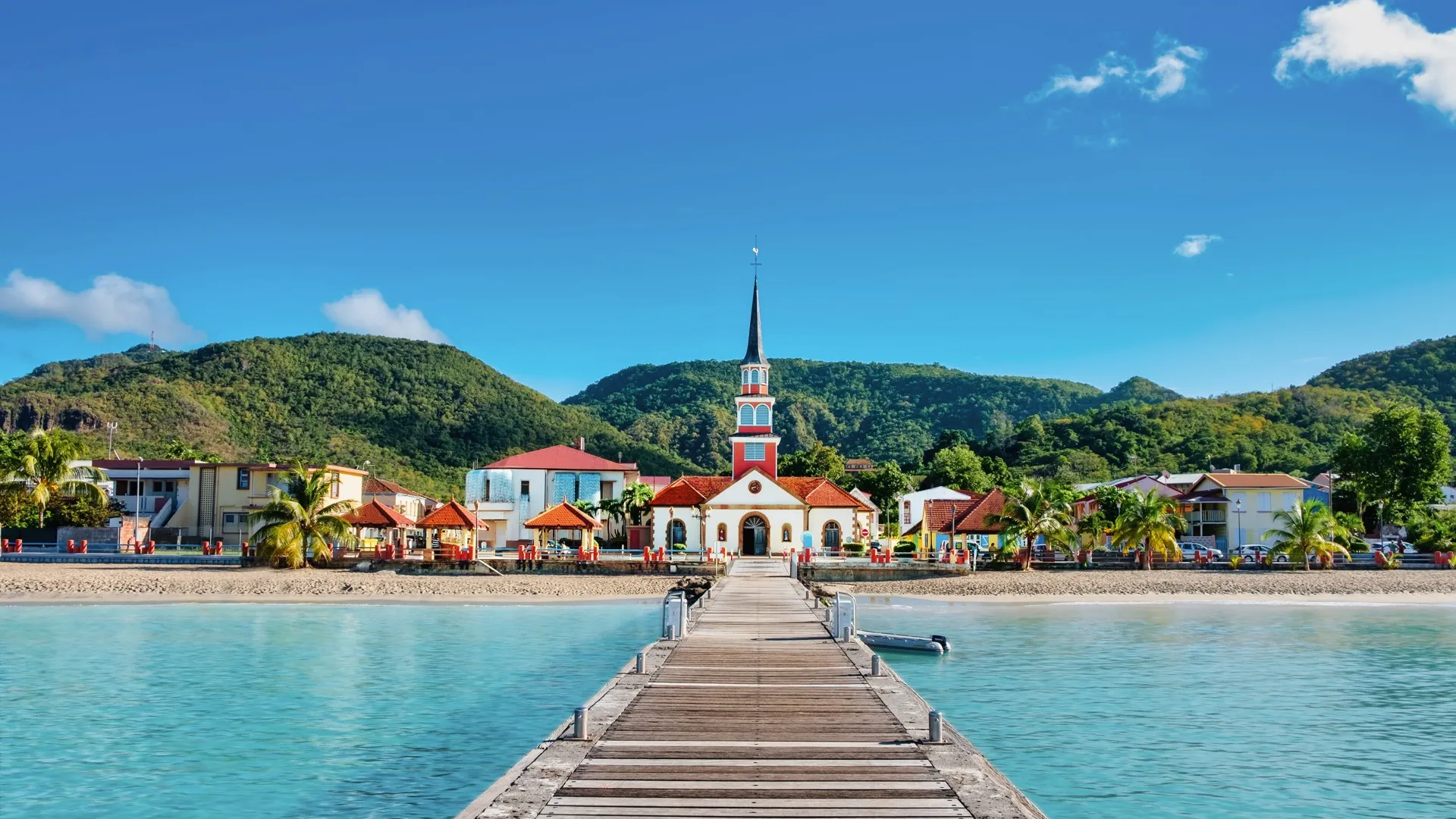
Martinican cuisine is a journey in itself. A blend of African, Indian, European and Amerindian influences, it can be savoured just as well at a restaurant table in Fort-de-France as on a towel laid out on the sand at Les Salines. After several years roaming the island, from Saint-Pierre to Le François, here is our overview of the Creole dishes worth knowing, with practical tips on where to taste them and when to enjoy the best produce.
Why Martinican gastronomy is worth the detour
On a territory of barely 1,100 km², the culinary diversity is astonishing. Fishermen land their morning catch on the southern beaches, the markets of Fort-de-France overflow with spices, and every family has its own colombo recipe. Eating in Martinique isn’t just about nourishment: it’s about understanding the island’s history.
The best time to combine fine dining with relaxation remains Lent (the dry season, from December to April). Markets are well stocked, temperatures are mild, and the atmosphere of Carnival (February–March) brings its share of festive specialities.
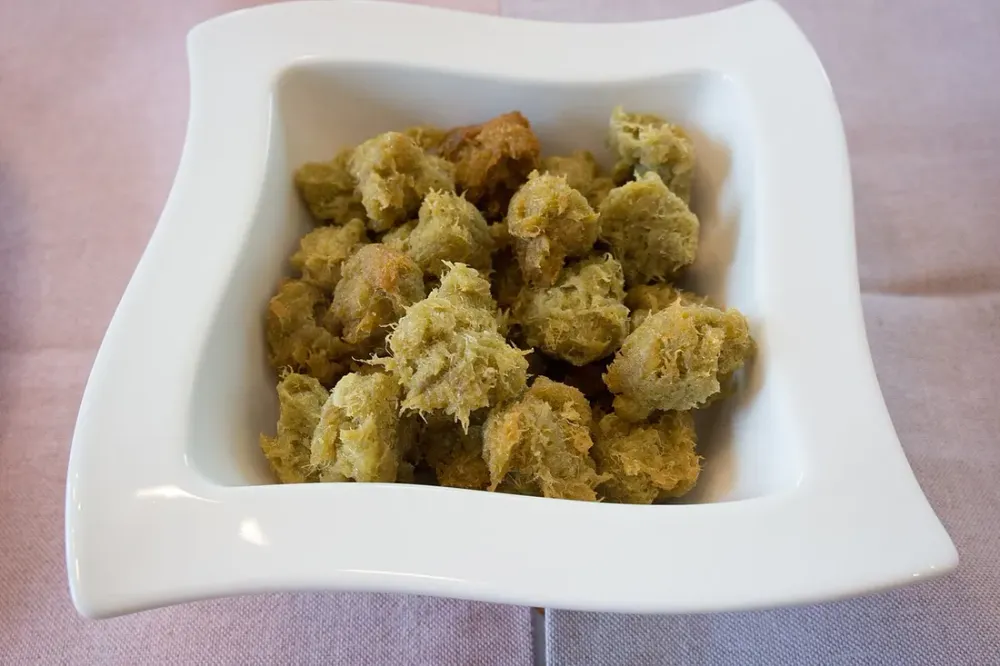
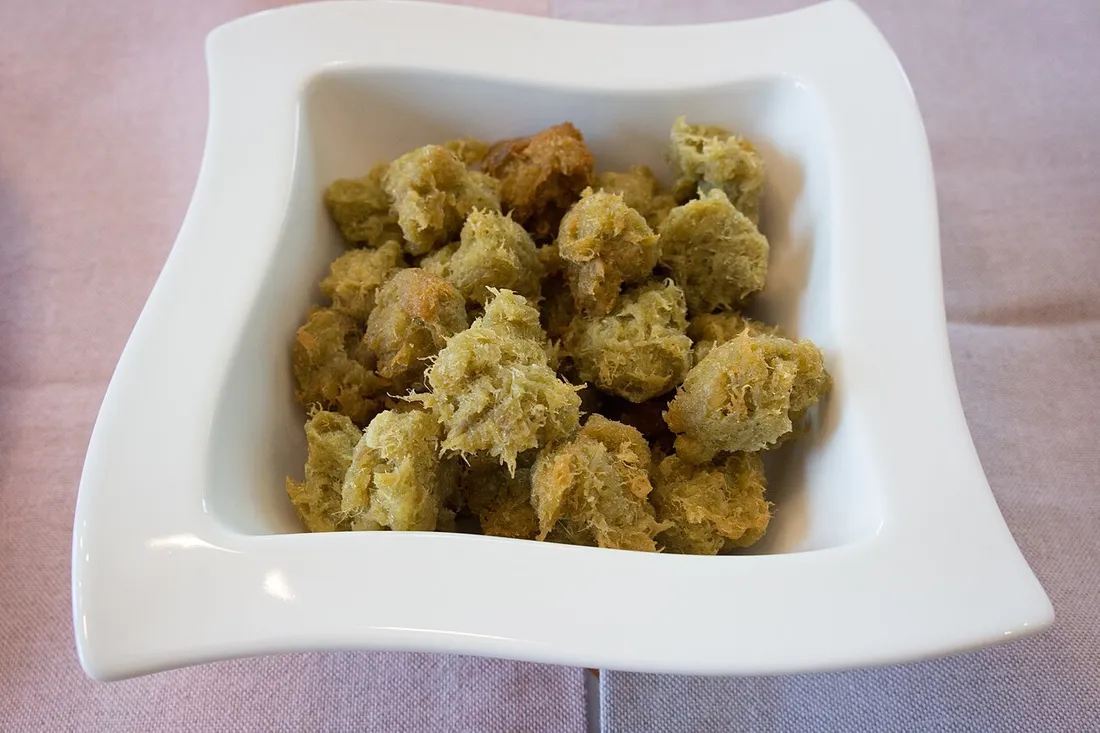
Impossible to start anywhere else. These small golden fritters of salt cod, herbs and chilli are THE Creole aperitif ritual. Expect to pay €5 to €8 a dozen in a restaurant, less at the markets. Crispy outside, soft inside: steer clear of any that are greasy or floury.
2. Creole black pudding (boudin)
Spicier than its mainland cousin, fragrant with bay rum leaf, chive and chilli. You’ll find it in “mild” or “hot” versions. A classic of roadside stalls, often sold for €2 to €3 apiece.
3. Avocado féroce
A mash of avocado, cassava flour and flaked salt cod, generously spiced. The name (meaning “fierce”) says it all about the intensity. Perfect as a light starter before a hearty main.
4. Fruit souskaï
Green mango or June plum marinated in salt, lime, garlic and chilli. Tangy and refreshing, it’s the ultimate beach snack, especially during mango season (July to September).
Fish dishes: the sea on your plate
5. Fish blaff
A broth fragrant with lime, garlic, country onion and bay rum leaf, in which whole fish (snapper, mahi-mahi) are poached. Light and aromatic, ideal for lunch. On the Caravelle peninsula, at Tartane, several spots serve a blaff made from the day’s catch for €16 to €22.
6. Fish court-bouillon
Not to be confused with the blaff: here the sauce is tomato-based, richer, simmered with rum and spices. Served with rice and country vegetables. A Sunday family must.
7. Sea urchins (chadrons) and conch (lambi)
Lambi (a large shellfish) is enjoyed as a fricassee, grilled or in a colombo. Note: its fishing is regulated and closed from October to February to protect the species, so opt for it outside that period. White sea urchins, for their part, have a short and tightly controlled season.
8. Salt cod chiquetaille
Shredded seasoned salt cod served on bread or as a side. Simple, salty, devastatingly good with a ti-punch.
Slow-cooked dishes: the heart of Creole cuisine
9. Colombo
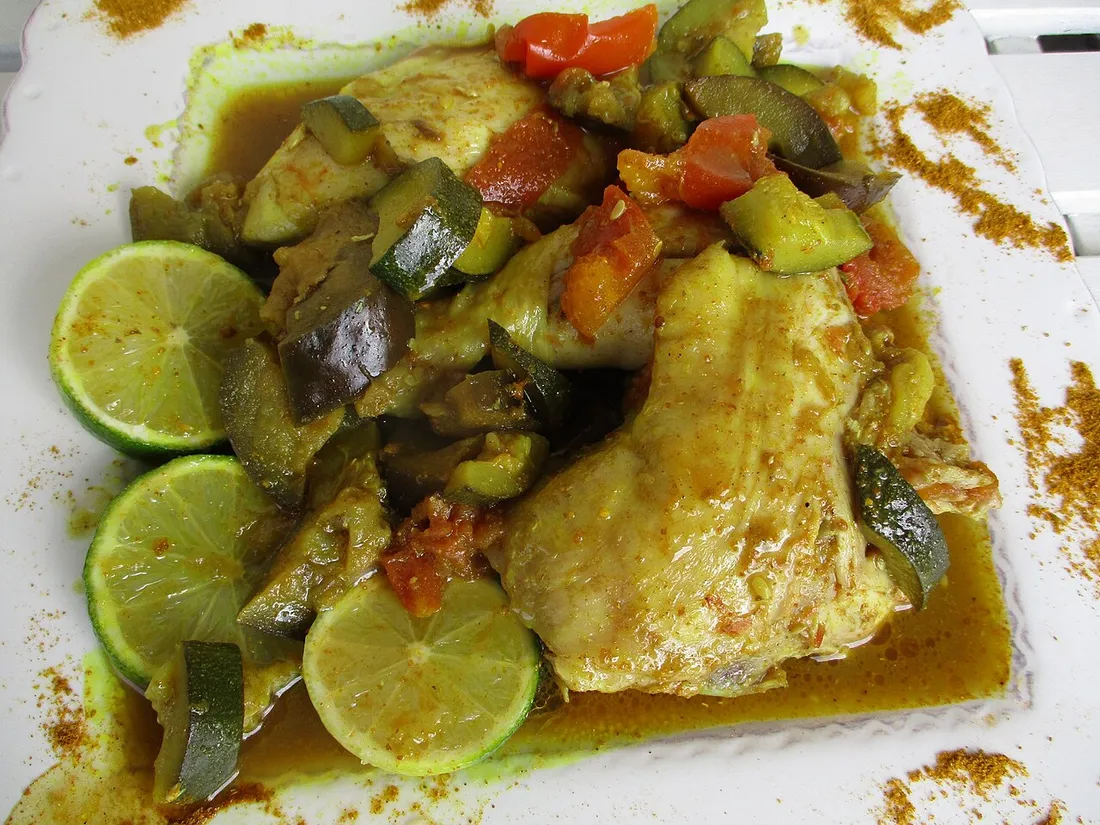
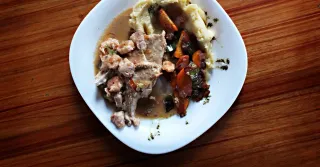
Martinique’s signature dish. A blend of spices of Indian origin (turmeric, coriander, cumin) simmered with chicken, kid (goat) or pork, potatoes and sometimes mangoes. The kid colombo is the most sought after. At a family-run spot in Le François or Les Trois-Îlets, expect €14 to €20.
10. Pork stew (and pâté en pot)
Pork stew, slowly simmered, is a pillar of festive meals. Pâté en pot, a thick soup of lamb offal and vegetables, traditionally accompanies christenings and communions.
11. Crab matété (or matoutou)
The signature dish of Easter and Pentecost. Land crabs cooked with rice, spices and chilli. If you’re travelling during this period, it’s the chance to taste it in its most authentic form, shared at long tables on the beaches.
12. Boucané chicken
Slowly smoked over sugar cane or green wood, this chicken with its fragrant flesh is sold at roadside stalls on weekends. Half a boucané chicken with sauce chien runs around €10 to €14.
Yams, breadfruit, dasheen, plantain and gratinated christophine (chayote) accompany most dishes. Fried plantain (“yellow banana”) is a delight in its own right.
14. Coconut flan and blancmange
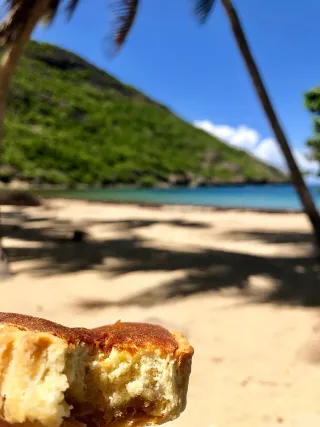
On the sweet side, coconut reigns supreme. Coconut blancmange, fresh and topped with caramel, is the perfect way to end a meal. You’ll also find tourment d’amour (imported from Les Saintes but ubiquitous), a small coconut tartlet.
15. Sorbets and tropical fruits
The coconut sorbet churned in a manual ice cream maker, served at markets and on beaches, is a must (€2 to €4 a scoop). And depending on the season: passion fruit (maracudja), soursop, guava, June plum, Julie mango. Make the most of Lent and summer for fruits at their peak.
And to go with it: AOC agricultural rum
You can’t talk about Martinican cuisine without ti-punch: white agricultural rum, a dash of cane syrup, a twist of lime. Martinique is the only island to enjoy an AOC for its agricultural rum, distilled from pure cane juice. The Rum Route (Clément at Le François, Depaz at Saint-Pierre, Saint-James at Sainte-Marie, La Mauny, Trois-Rivières) offers tours and tastings, often free or around €5 to €10. To be enjoyed in moderation, of course.
Our field tips for eating well in Martinique
Rent a car. The best tables are often off the beaten tourist track: without a vehicle, you miss the essentials.
Follow the markets. The one in Fort-de-France (the large covered market) and those in the South are bursting with spices, fruit and stalls serving the day’s cooking.
Eat fish near the fishing ports: Tartane, Le Diamant, Sainte-Anne. Freshness makes all the difference.
Respect the seasons: lambi outside its closed period, mangoes in summer, matété at Easter. That’s the secret to a successful plate.
Try the “sauce chien”, a fresh condiment of onion, parsley, lime and chilli, which elevates grilled fish and meats.
Average budget: count on €15 to €25 per person for a main course in a Creole restaurant, far less at the stalls and markets.
Where to stay to enjoy Creole cuisine
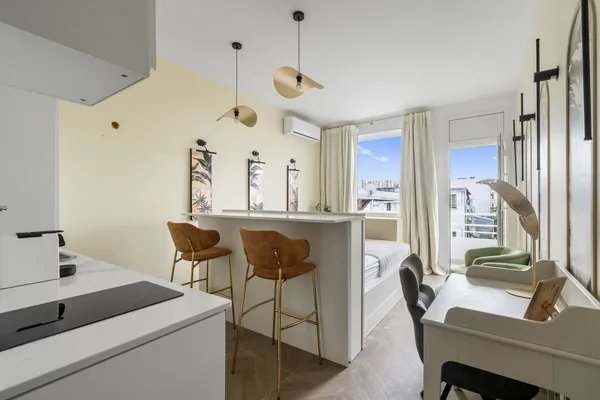
To explore the island’s gastronomy at your own pace, it’s best to have a well-located base, close to the southern beaches and the roads towards Saint-Pierre. At Hostel Toucan, we offer holiday rentals in Martinique hand-picked on the ground, with direct booking and no platform fees, free cancellation up to 7 days before arrival and 7-day-a-week WhatsApp support to share our best current addresses.
Colombo is, without question, Martinique’s signature dish. This stew of spices of Indian origin (turmeric, coriander, cumin) is cooked with chicken, pork or, in its most sought-after version, kid (goat). Salt cod accras and fish blaff round out the podium of must-try specialities.
What budget should I plan for eating in Martinique?
Count on €15 to €25 per person for a main course in a Creole restaurant. Roadside stalls and markets are far cheaper: €5 to €8 for a dozen accras, €10 to €14 for half a boucané chicken, €2 to €4 for a scoop of coconut sorbet. Eating local and seasonal remains the best value for money.
When is the best time to discover Martinican cuisine?
Lent (the dry season, from December to April) is ideal: well-stocked markets, mild weather and Carnival in February–March. Some specialities are seasonal: crab matété at Easter, mangoes in summer (July to September), and lambi outside its fishing closed period (October to February).
Is Martinican agricultural rum really different?
Yes. Martinique is the only island to enjoy an AOC for its agricultural rum, distilled from pure cane juice rather than molasses. It forms the base of the ti-punch (white rum, cane syrup, lime). The Rum Route offers tours of distilleries such as Clément, Depaz or Saint-James, often with a tasting.
Nous utilisons des cookies de mesure d'audience et de publicité pour améliorer votre expérience
et nos campagnes. Vous pouvez accepter ou refuser. Voir notre
politique de confidentialité.