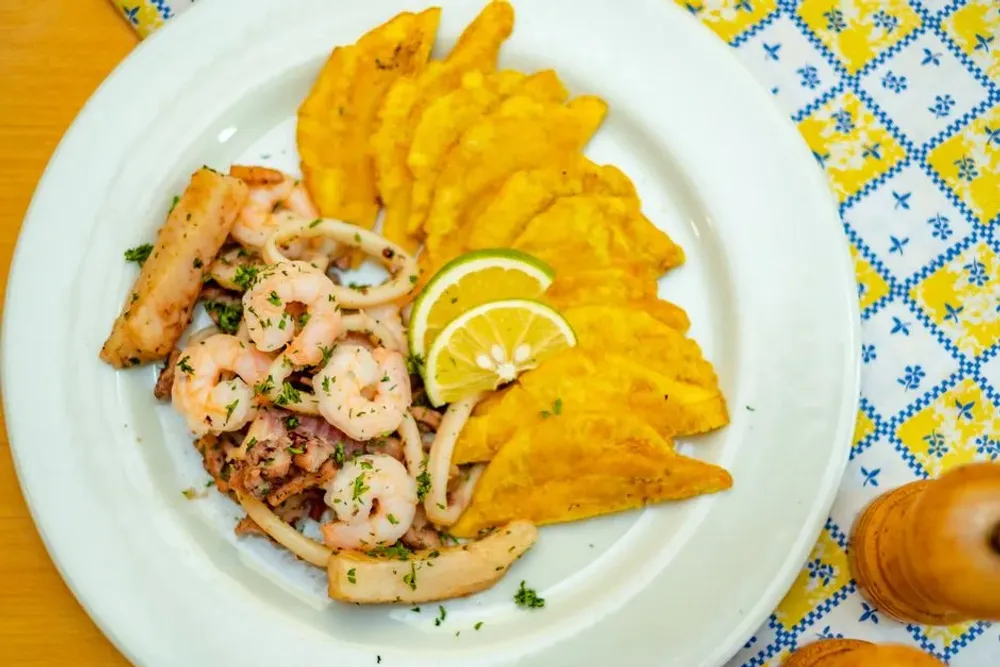
From a barefoot Creole table on the sand to a gourmet restaurant overlooking the bay, Martinique delights from morning to night. Here, the cuisine tells a story: one of spices from faraway lands, fish caught that very morning, sun-drenched fruits and that warm Creole generosity that welcomes you to the table like family. Whether you’re after a steaming colombo, crispy accras, a bokit to devour on the go or a romantic dinner facing the sunset, this guide takes you on a journey to discover the island’s best spots, zone by zone and budget by budget. Get your taste buds ready, the foodie journey begins.
Martinican Creole Cuisine: What You Absolutely Have to Try
Before setting off in search of the best addresses, get to know the essentials. Martinican cuisine is a flavorful blend of African, Indian, European and Caribbean influences.
- Cod accras: these golden, crispy fritters are the king of appetizers. You’ll find them everywhere, from the chic restaurant to the beach stand.
- Colombo: this mild-spiced Caribbean curry comes in chicken, cabri (goat) or pork, slowly simmered and served with rice.
- Fish blaff: fish poached in a fragrant broth seasoned with lime, chili and spices, fresh and light.
- Fish court-bouillon: not to be confused with the blaff, this is a dish with a zesty tomato-based sauce.
- Avocado féroce: a purée of avocado, salt cod and cassava flour, generously spiced.
- Creole boudin: spicy black pudding, served as a starter or with drinks.
And to go with it all, the legendary ti-punch: agricultural rum, cane syrup and a splash of lime. Enjoy in moderation, but don’t skip it.
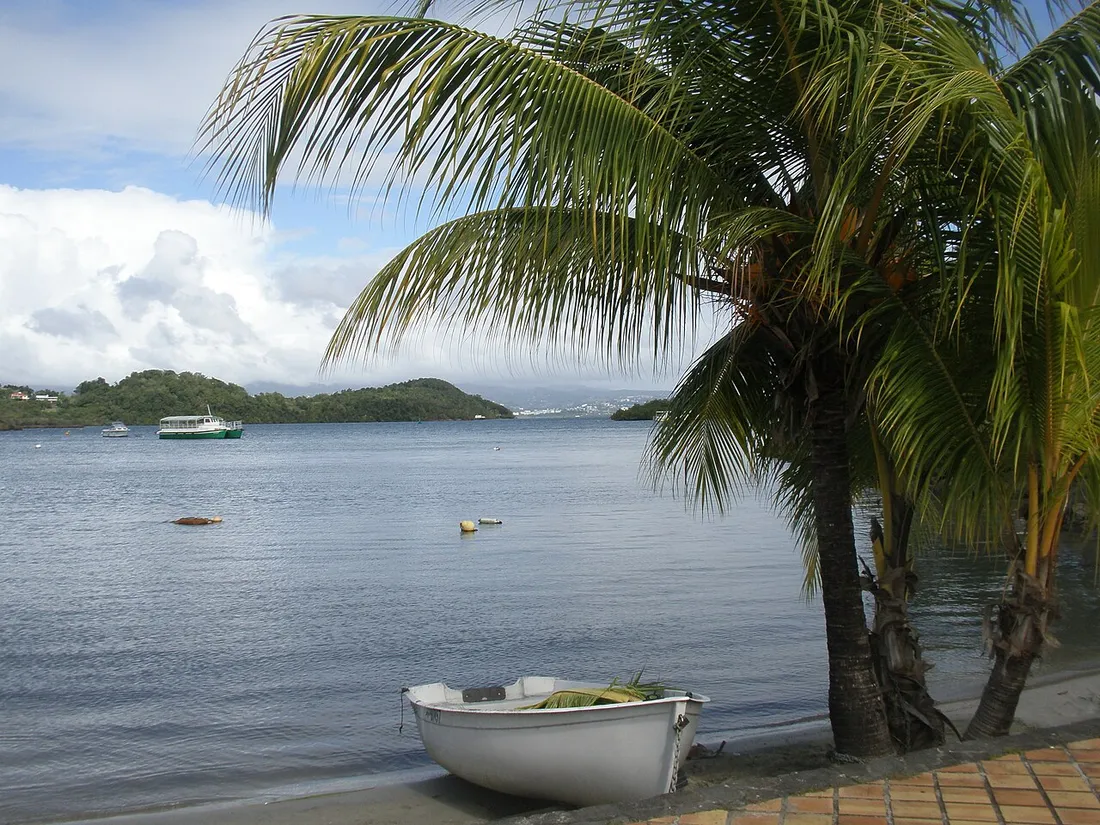
Where to Eat in Trois-Îlets and Anse Mitan?
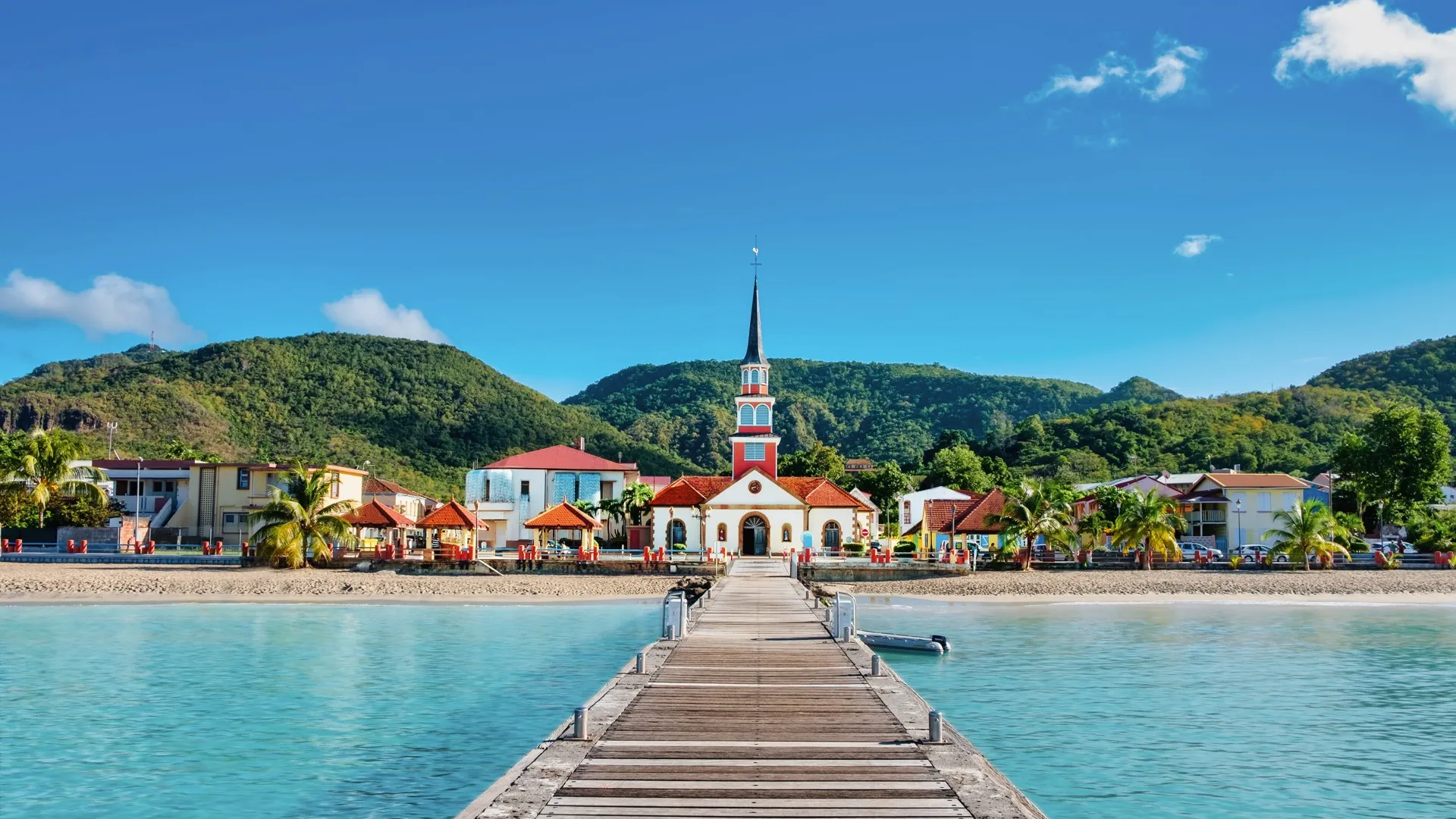
The Trois-Îlets area, just across the bay from Fort-de-France, boasts a fine concentration of restaurants, from fine dining to barefoot-on-the-sand spots.
Gourmet Tables with a View
Several upscale spots are tucked away on the heights or by the sea, offering panoramic views over the bay of Fort-de-France. Here, plating is meticulous, seasonal produce and local spices are showcased, and the wine and rum lists are every bit as impressive. It’s the ideal option for a special dinner, a birthday or a romantic evening. Expect a higher budget and remember to book, especially in high season.
Barefoot-on-the-Sand Restaurants
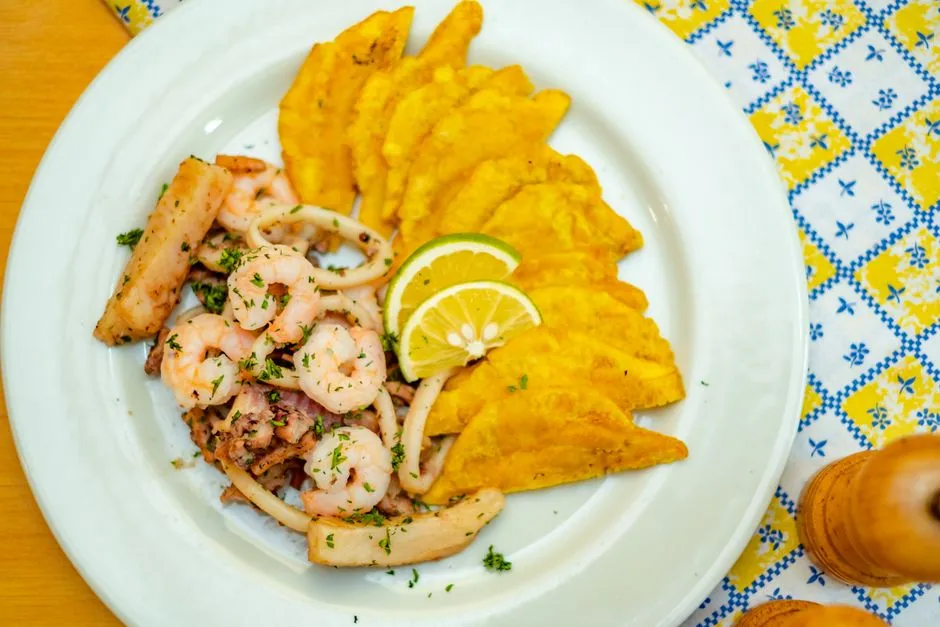
At Anse Mitan and Grande Anse, several venues seat you literally with your feet in the sand, table set facing the lagoon. Grilled fish, lobster, chatrou (octopus) fricassee and seafood platters reign supreme. It’s the perfect spot for a lingering lunch or a sunset aperitif, ti-punch in hand.
Friendly Creole Tables
To eat well and local without breaking the bank, look for the small family-run Creole tables, often away from the seafront. A daily menu on a chalkboard, homemade accras, a generous colombo and a warm welcome: that’s often where authenticity hides. Tip: if the locals are having lunch there, it’s a good sign.
Where to Eat in Fort-de-France?
The capital offers a great variety of tables, from refined colonial mansions to small neighborhood eateries. The town center lends itself to a foodie stroll, ideal to combine with a day of sightseeing. For activity ideas, take a look at our guide on what to do in Fort-de-France.
Refined Tables and Spots with Character
Some addresses set in former 19th-century mansions pair refined cuisine, seasonal produce and local spices in an elegant setting. Perfect for a meal that’s a cut above the ordinary right in the heart of the city.
The Markets, the City’s Gourmet Heart
Don’t miss the large covered market in Fort-de-France, a festival of colors and aromas. You’ll find spices stacked in pyramids, jams, syrups, infused rums, exotic fruits and small stalls where you can sample Creole dishes on the go. It’s also the ideal place to chat with the vendors and pick up everything you need to cook Creole-style in your accommodation.
Street Food and the Famous Bokit
It’s impossible to talk about Martinican cuisine without mentioning street food, affordable and delicious.
- The bokit: this fried sandwich, a sort of puffy, soft bread filled with chicken, salt cod, tuna, vegetables or raw veggies, is an institution. You’ll find it in trucks and stands along the roads and near the beaches. Hearty, cheap and perfect for a quick lunch.
- Savory pâté and agoulou: snacks to grab on the go, often at the same place as the bokits.
- Fresh fruit juices: passion fruit, guava, soursop, cane… freshly pressed, they pair beautifully with a bokit.
- Coconut sorbets: artisanal, sold at beach exits or in the markets, they’re perfectly refreshing.
The bokit trucks display very gentle prices: it’s the tasty solution when the budget is tight or hunger strikes between two swims.