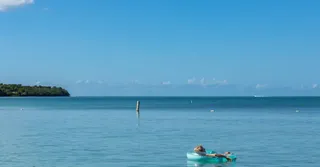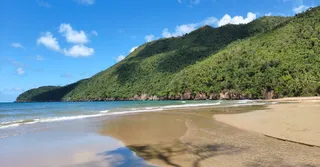
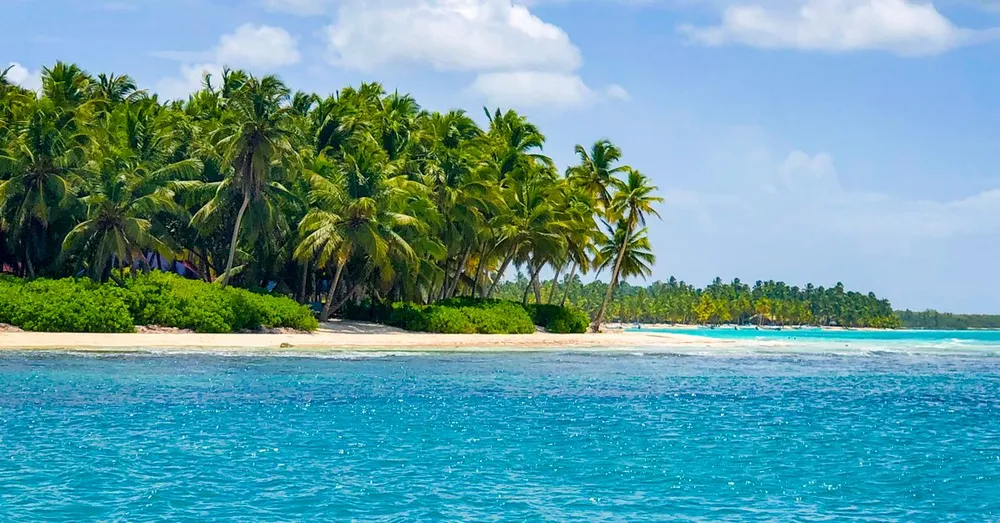
Every summer, I get the same anxious message: “Is it reasonable to come to Guadeloupe during hurricane season?” I live here year-round, and my answer often surprises people: the low season is one of the best windows for anyone who knows how to book smart. A well-prepared hurricane season Guadeloupe rental means rates reduced by 20 to 40%, near-deserted beaches, and cancellation insurance that covers the unexpected. Here, from a local’s perspective, is everything you need to know before setting your dates between June and November.
Hurricane season in Guadeloupe: what it really means
Officially, hurricane season across the Antilles runs from June 1 to November 30. This is what we call the hivernage here, or rainy season, as opposed to the careme (December to April), the dry, tourist season. But beware the shortcut: hurricane season doesn’t mean “permanent hurricane,” simply that conditions become favorable for tropical systems to form.
A few concrete benchmarks, as seen from here:
- The risk isn’t uniform. June and July remain statistically calm; peak activity concentrates in August, September, and the first half of October.
- A major hurricane striking Guadeloupe directly remains rare over the course of a season. Most years, the archipelago experiences only one or two windy passages or harmless tropical waves.
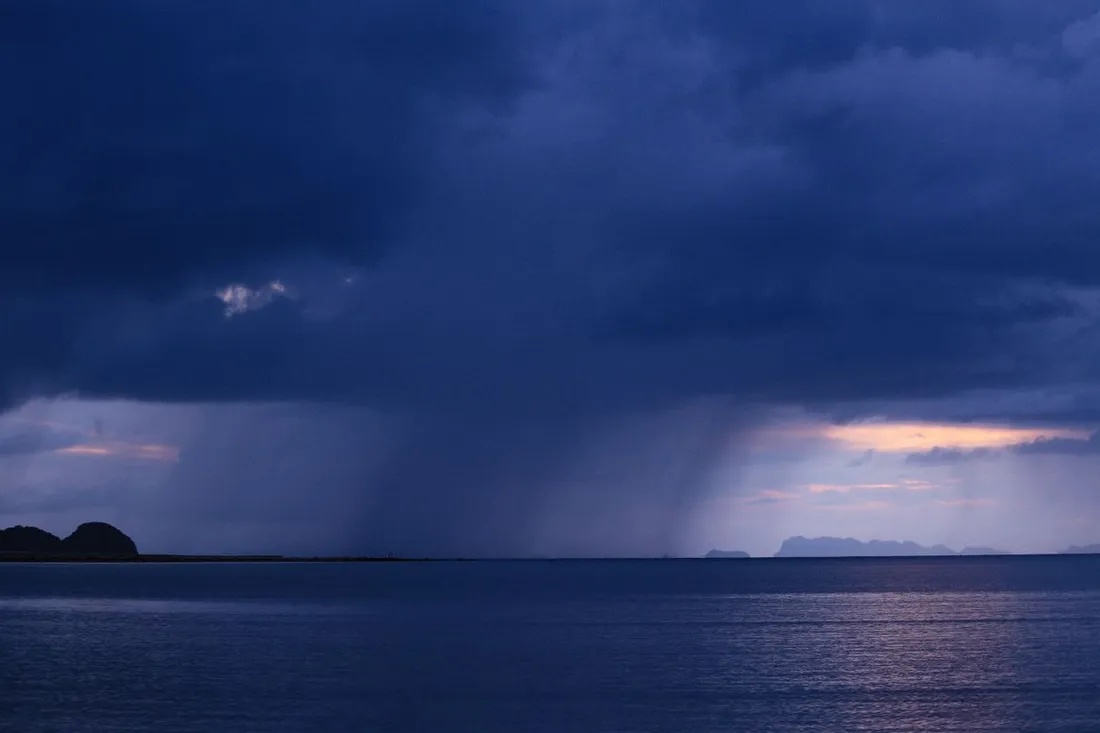
- Low-season Caribbean weather is made of short showers. A heavy downpour in the morning or late afternoon, then the sun comes back. You don’t stay locked up for a week.
The climate stays warm: 28 to 31 degrees in the air, 28 to 29 degrees in the sea, and you can swim without a wetsuit all year. The difference is the humidity (often above 80%) and the frequency of squalls.
Why the weather varies from one wing to the other
Guadeloupe is shaped like a butterfly, and its two wings don’t receive rain the same way. Basse-Terre, mountainous with the Soufriere at 1,467 meters, catches the clouds: the tropical forest there is dense because it rains a lot. Grande-Terre, limestone and flat, stays noticeably drier, and its turquoise beaches from Sainte-Anne to Saint-Francois often enjoy the sun while it rains on the volcano.
In practice, during the hivernage, I recommend basing your stay on the Grande-Terre side or on the leeward coast (Deshaies, Bouillante, Malendure), more sheltered from squalls. For these town-by-town climate nuances, our complete guide to Guadeloupe gives an overview of the archipelago.
Renting during the low season: the real advantages
To convince a friend to come in September rather than February, here are my number-backed arguments.
- Significantly lower rental rates. On the same property, count on 20 to 40% less than in high season. A studio for two renting at 90 to 110 euros a night in February often drops to 60 to 75 euros in September. A villa for 4 to 6 people goes from 250-300 euros to 160-200 euros a night.
- Cheaper flights. Paris - Pole Caraibes (Pointe-a-Pitre) tickets bottom out in September-October.
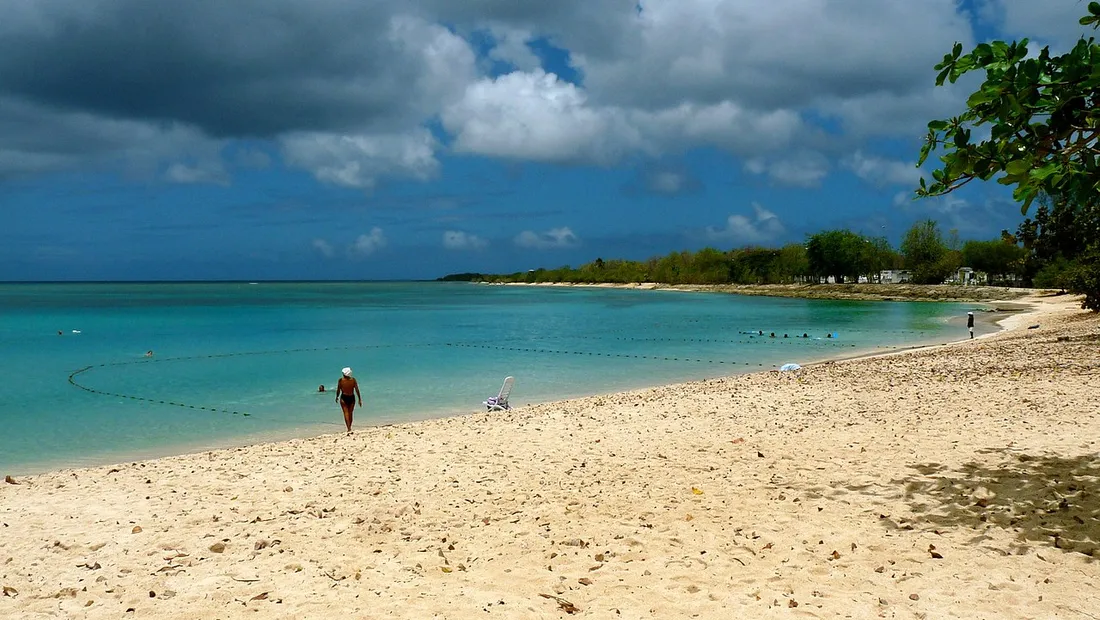
- Beaches and sites to yourself. La Caravelle in Sainte-Anne, Grande Anse in Deshaies, or the Pointe des Chateaux regain a rare tranquility, as does diving at the Cousteau Reserve (Pigeon islets, from Malendure).
- Nature at its peak. The Carbet Falls and the Cascade aux Ecrevisses flow at full force, and the National Park forest is lush.
- Immediate availability. The best properties, fully booked six months in advance in February, stay open.
The only real compromise: accepting a changing sky and keeping a plan B for rainy days. The Memorial ACTe in Pointe-a-Pitre, the distilleries of Marie-Galante (Bielle, Bellevue, Pere Labat), a Creole cooking workshop, or a hammock nap under the terrace. To explore available properties, take a look at our Guadeloupe rentals.
Cyclone cancellation insurance: the clause you absolutely must check
This is the point that reassures my travelers most. Booking a hurricane season Guadeloupe rental without checking your coverage is playing heads or tails.
Understanding the Meteo-France alert level
In Guadeloupe, the cyclone alert works by Meteo-France alert levels: yellow, orange, red, then violet and gray (lockdown). Reaching red or violet triggers official instructions (stay sheltered, traffic prohibited). This is generally the threshold targeted by cyclone cancellation insurance clauses: an officially declared event, not just a shower.
What good insurance should cover
Before paying, read the conditions and check these points:
- The trigger. Does the guarantee activate on a red/violet alert, on airport closure, or only on a named hurricane hitting the island?
- Pre-departure cancellation and trip interruption. Are you reimbursed for the accommodation and the flight, and are the unused nights prorated as well?
- Ancillary costs (delayed return flight, hotel night) and exclusions: many contracts exclude an event already “known.” Subscribe before a storm has formed, not the day before.
Beyond insurance, the decisive factor remains the flexibility of the host’s own cancellation policy: free cancellation protects you far faster than a claim to file after the fact.
The right reflex in case of an alert
If an alert rises, the procedure is simple: follow official bulletins, stock up on water and supplies, charge your devices, and stay in contact with your host. Most alerts end with heavy windy rain and a day spent indoors.
Which accommodation to favor between June and November
Not all properties are equal for the hivernage. After several seasons over this period, here is what I recommend aiming for:
- A covered terrace or a varangue. The number-one feature of the rainy season: living outdoors even under a shower changes the whole stay.
- Good ventilation or air conditioning. With the hivernage humidity, airy or air-conditioned bedrooms make the difference for sleeping well.
- A sheltered coast. Favor Grande-Terre (Le Gosier, Sainte-Anne, Saint-Francois) or the leeward coast of Basse-Terre (Deshaies, Bouillante).
- A fully equipped kitchen and a reachable local host. Cooking a homemade colombo on rainy days lightens the budget, and the host’s responsiveness counts double in low season.
Note: the low season remains very much in demand in July-August (school holidays). September and October form the real trough, hence the best price window, provided you accept the statistical peak of risk.
Booking with peace of mind with Hostel Toucan
We live in Guadeloupe and manage rentals year-round, hivernage included. Booking directly with us addresses precisely the two fears of hurricane season: price and the unexpected.
- Direct booking with no platform fees: you pay the fair price, which amplifies the savings already offered by the low season.
- Free cancellation up to 7 days before arrival: the ideal safety net over an uncertain weather period, without waiting for an insurance claim.
- WhatsApp assistance 7 days a week: changes in the alert level, a beach spared by the rain, a fallback activity, we answer fast.
Are you the owner of a property left empty from June to November? The hivernage can stay profitable with the right management: discover our support on the owners page.
Coming to Guadeloupe during hurricane season isn’t a risky bet: it’s the choice of an informed traveler. You accept a changing sky in exchange for gentle rates, preserved sites, and dazzling nature, all secured by good insurance and a flexible cancellation. Most low-season stays leave with the best value for money of the year.
FAQ
Is it dangerous to come to Guadeloupe during hurricane season?
No, not for a well-prepared stay. A major hurricane striking the archipelago directly remains rare, and the risk concentrates mainly in August, September, and early October. Hivernage weather most often comes down to short showers followed by sun. Follow the Meteo-France alert level, take out cyclone cancellation insurance, book with a flexible cancellation, and favor a sheltered coast: you travel with complete peace of mind.
What are the advantages of renting in the low season in Guadeloupe?
Rental rates drop by 20 to 40% compared to the careme, flights bottom out in September-October, and beaches like La Caravelle or Grande Anse regain their calm. The forest and waterfalls of Basse-Terre are at the peak of their beauty. In return, you keep a plan B for rainy days.
How does cyclone cancellation insurance work for a rental?
Most contracts activate when an event is officially declared: red or violet Meteo-France alert, airport closure, or a named hurricane hitting the island. Check the exact trigger, the cancellation and trip-interruption coverage, and above all the exclusions tied to an already-known event. Subscribe before a storm has formed.
Which wing of Guadeloupe is the driest during the hivernage?
Grande-Terre, limestone and flat, stays noticeably drier than mountainous Basse-Terre, which catches the clouds around the Soufriere. To maximize the sun between June and November, base your stay on the Grande-Terre side (Le Gosier, Sainte-Anne, Saint-Francois) or on the leeward coast of Basse-Terre (Deshaies, Bouillante, Malendure).