“You’re crazy to go in September?” That’s what you sometimes hear when announcing a Martinique holiday in the middle of hurricane season. Yet, after several years living on the island and welcoming travelers there year-round, I can say it plainly: traveling from August to October is anything but reckless, as long as you understand how it works. This wrongly dreaded period offers rock-bottom prices, a lush green island, and a tranquility that high season never knows. Here, straight from the ground, is everything you need to know.
Understanding hurricane season in Martinique
Martinique, a French overseas department and region (DROM) of around 360,000 inhabitants, lives to the rhythm of two tropical seasons. The dry season (the Carême), from December to April, is the most popular; conversely, the wet season (hivernage), from June to November, is the rainy season and the official window of the Martinique hurricane season (from June 1 to November 30). But not all of these months are equal, as the risk is concentrated in a narrower window:
- June and July: start of the season, low risk, few organized systems.
- August, September, October: the heart of the season, with September statistically the most active month in the Atlantic basin.
- November: end of the season, the risk drops off sharply.
Let’s distinguish three phenomena that are often confused. The tropical wave, the most frequent, brings heavy rain over one or two days, without destructive wind. The tropical storm adds sustained winds. Finally, the hurricane (cyclone) is the major phenomenon, fortunately rare to strike the island directly. In the vast majority of hivernage stays, you’ll encounter only tropical waves: overcast skies, a late-afternoon shower, then the return of the sun.
A hurricane in Martinique in August: what’s the real risk?
Let’s stick to the facts. A Martinique August hurricane or one in September that directly hits the island remains rare from one year to the next: major systems most often pass to the north or south of the Antillean arc, and when the island is affected, it’s by the margins (swell, rain, gusts), not by the eye of the storm. So you should travel informed and insured, not anxious. It all comes down to three levers: the weather, the accommodation, and the right insurance.
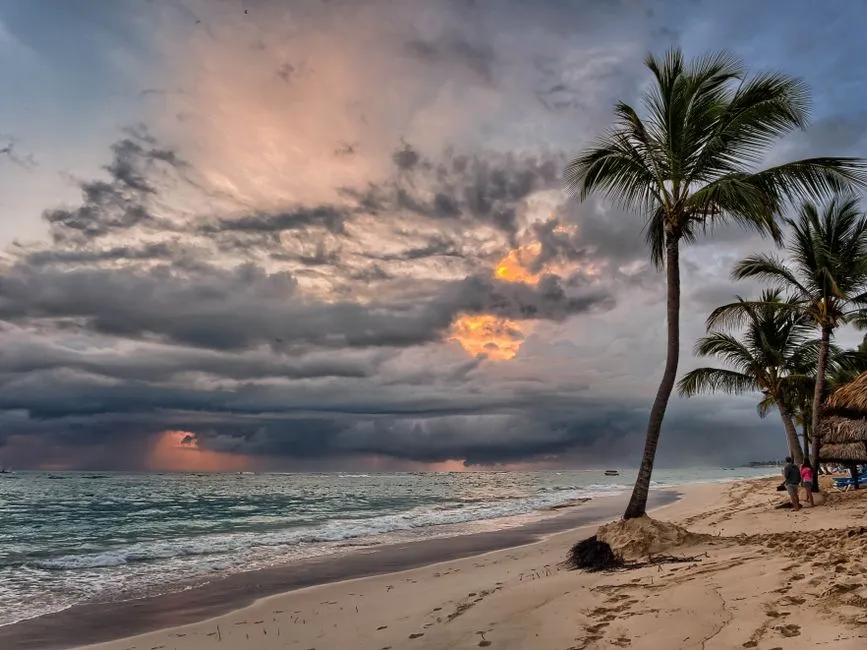
The weather alert system: knowing how to read the warnings
Météo-France runs a color-coded alert system tailored to tropical risks (cyclone, heavy rain, swell, flooding). It’s your compass on the spot.
- Green: no dangerous phenomenon, the normal situation of a hivernage stay.
- Yellow: be attentive. Heavy showers, possibly rough seas; stay cautious at sea.
- Orange: dangerous phenomenon. Limit travel, avoid the sea and hiking.
- Red / purple: major danger, shelter in place. Reserved for a powerful, confirmed system, they remain exceptional.
The reassuring point is anticipation: a cyclone never appears by surprise, it is tracked several days before its possible passage. You will always have time to get organized. My local reflexes: check Météo-France Martinique every morning, follow the prefecture’s instructions in case of an alert (radio, social media), keep your phone charged (dialing code +596), and locate the water, a lamp, and the shutters of your accommodation as soon as you arrive.
Traveling in September in Martinique: the real advantages
For a flexible traveler, traveling to Martinique in September (or in August and October) can transform both their budget and their experience.
Prices slashed, an island to yourself
Demand collapses, and rates with it.
- Accommodation: a rental listed at €1,200 a week in February can fall to around €750 to €850 in September.
- Flights: a round trip Paris–Fort-de-France (Aimé Césaire airport, in Le Lamentin) often comes to €450–600 outside school holidays, versus €800–1,000 during the Carême.
- Car rental (strongly recommended): around €30 to €40/day, with far better availability.
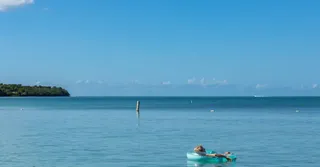
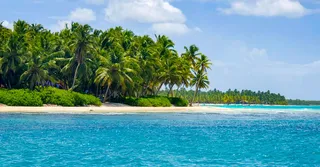
The experience changes too: the Salines in Sainte-Anne without the crowds, Anse Dufour or Anse Noire (with its volcanic sand) almost to yourself. A more intimate Martinique.
Spectacular nature and a smart geographical trade-off
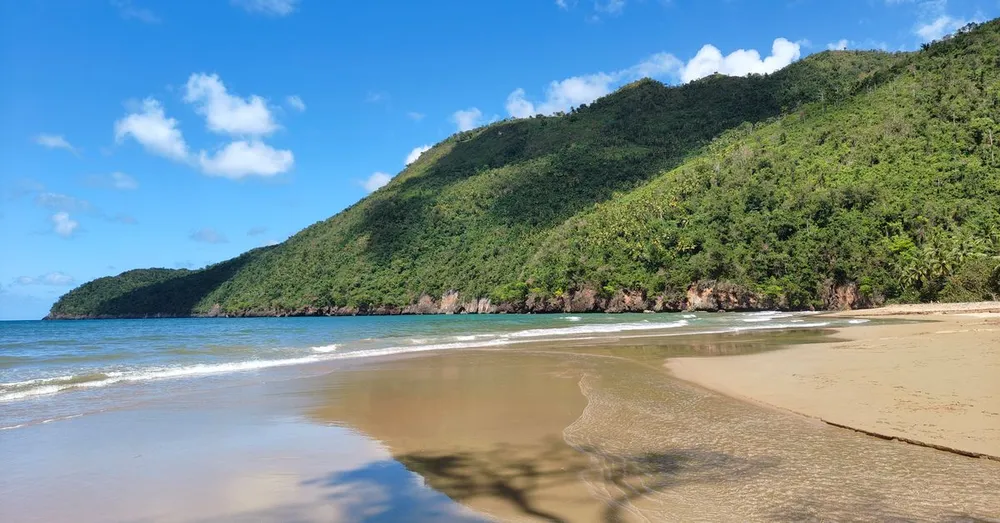
Hivernage is the green season: the tropical forest of the North overflows, the waterfalls are full, the Jardin de Balata bursts with color, and the sea stays warm (never below 26 °C).
That leaves the decisive reflex the guides forget: Martinique has microclimates. The North Atlantic (Saint-Pierre, Le Carbet, Tartane) is far rainier, up to 4,000–5,000 mm of rain a year on the heights, compared to 1,200–1,600 mm for the Caribbean South (Sainte-Anne, Le Diamant, Les Trois-Îlets, Le François, Le Marin). In the wet season, stay in the South: you maximize the sun when the North is under clouds, and keep the Northern excursions (Montagne Pelée, the UNESCO-listed ruins of Saint-Pierre) for clear days.
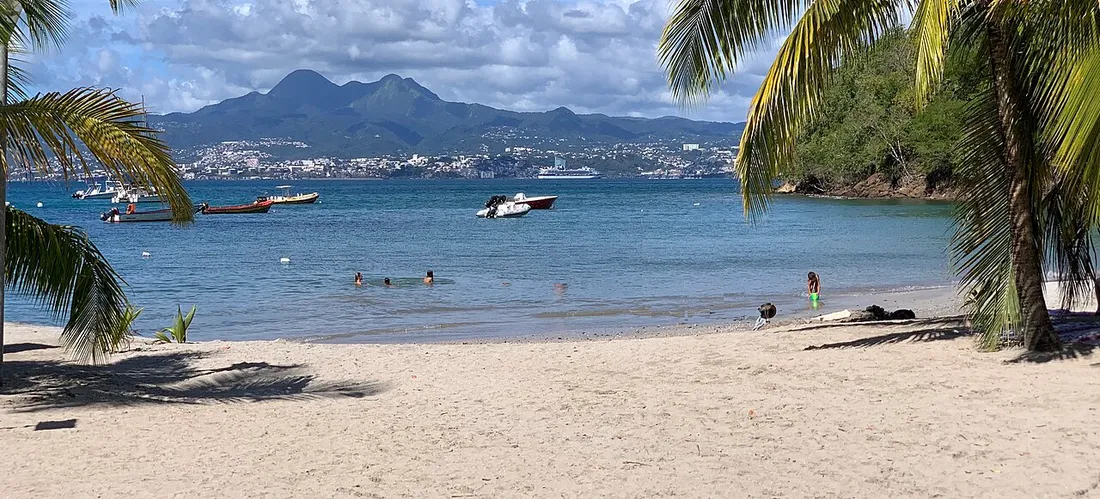
Cyclone cancellation insurance: the clause you absolutely must check
This is the most technical point, and the most overlooked. A well-chosen cyclone cancellation insurance separates a simple mishap from a financial disaster, because not all policies cover climatic hazards in the same way. To check in your contract:
- Coverage of “climatic events”: some policies exclude natural disasters, which is a deal-breaker here. Look for a clause covering storms, cyclones, and bad weather.
- The trigger threshold: many contracts only activate with an official evacuation order or an alert of a given level. Mere rain is not enough.
- Cancellation AND interruption: a good contract covers departure, but also trip interruption and repatriation if a cyclone strikes during your holiday. Take it out when you book, never at the last minute.
In practice, premium bank card insurance (Visa Premier, Gold Mastercard) often includes a cancellation guarantee, but with frequent climatic exclusions: read them. A dedicated travel insurance generally costs 3 to 6% of the trip and offers the most complete guarantees. My advice: don’t bet everything on a single safety net, combine a serious insurance with a flexible-cancellation accommodation, your best protection upstream.
What to do in case of an alert during your stay?
If an orange or higher alert is announced, don’t panic:
- Stay at your accommodation and follow official instructions. Intense phenomena last a few hours, rarely more than one or two days.
- Postpone the beach, the sea, and hiking: swell and currents are the real dangers.
- Anticipate outages: a water reserve, a lamp, and a charged phone are enough.
- Communicate with your host or concierge: a responsive contact makes all the difference.
Once the system has passed, the island quickly recovers its face: washed skies and brilliant light. Often, the most beautiful days follow a disturbance.
Book your hivernage stay with peace of mind with Hostel Toucan
Traveling in hurricane season is a smart calculation: cheaper and calmer, provided you’re well supported. That’s where Hostel Toucan, a concierge service and specialist in seasonal rentals in the DROM, makes the difference.
- Direct booking, no platform fees: the fair price, ideal for enjoying the gentle rates of the low season.
- Free cancellation up to 7 days before arrival: book early and keep control if the weather looks bad.
- WhatsApp assistance 7 days a week: a local contact who tracks the alerts with you, points you to the right beach for the day, and supports you in case of an alert.
Because we live the hivernage every year, we know which Southern towns to favor and how to turn a rainy day into a visit to a distillery on the Route des Rhums (Clément, Depaz, Saint-James, La Mauny, Trois-Rivières).
To prepare your trip, browse our complete guide to Martinique, explore our rentals in Martinique town by town to aim for the Caribbean South, and if you own a property on the island, find out how we support owners in the face of hurricane season hazards.
FAQ
Is it dangerous to travel to Martinique during hurricane season?
No, not if you travel informed. The season (June to November, peaking in August–September) mainly brings tropical waves, that is, brief heavy showers. A hurricane directly hitting the island remains rare, and any system is tracked several days in advance. With suitable insurance, flexible accommodation in the Caribbean South, and an eye on the Météo-France alert, you travel with peace of mind.
What is the riskiest month for a cyclone in Martinique?
September is statistically the most active month in the Atlantic basin, followed by August and October; June, July, and November are markedly less risky. But “the riskiest” doesn’t mean “dangerous for sure”: most September stays go by without any major phenomenon, with rock-bottom prices and a peaceful island.
Do you need special cyclone cancellation insurance for Martinique?
It’s strongly recommended from August to October. Check that the contract explicitly covers climatic events (cyclone, storm, bad weather), specifies its trigger threshold, and includes trip interruption. Bank card insurance often excludes these hazards. A dedicated insurance (3 to 6% of the trip price) combined with a flexible-cancellation accommodation is the best protection.
Is it worth going to Martinique in low season despite the rain?
Yes, for flexible travelers. During hivernage, showers are often brief and fall late in the day, especially on the Caribbean South side. In exchange: prices slashed (accommodation, flights, car), uncrowded sites, and lush green nature. The key: stay in the South (Sainte-Anne, Le Diamant, Les Trois-Îlets), keep some flexibility in the schedule, and plan indoor activities for rainy days.