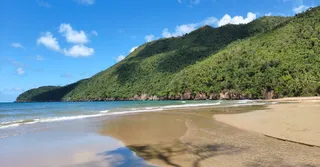
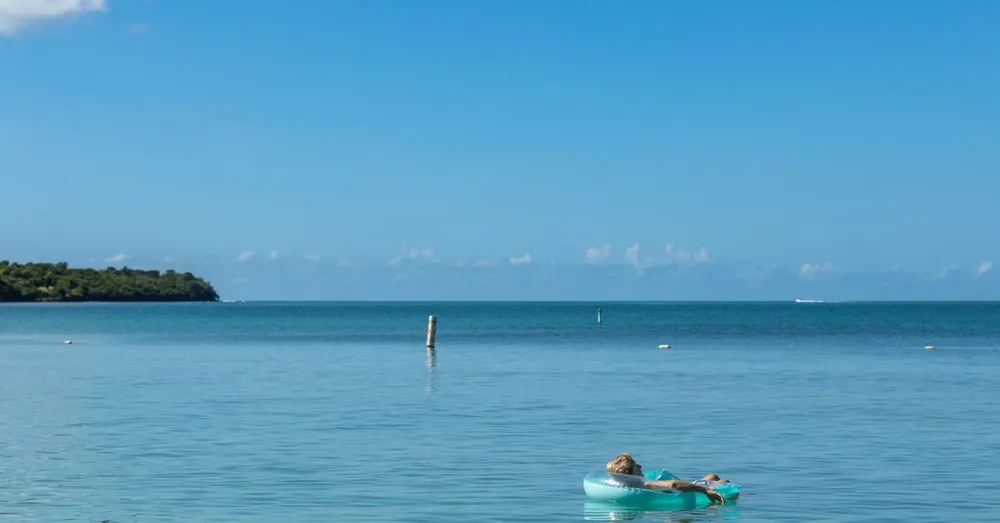
Every year around May, the same question lands in our inbox: “Is it a good idea to book a rental in September?” Behind that question lies a very real topic, both for the traveler hunting for gentle rates and for the owner wondering how to handle their bookings. The Martinique hurricane season rental market is terrain we have walked for years, as residents of the island and as a property-management service. The verdict: renting between June and November is not only possible, but often a smart move, provided you reason in terms of real months, contracts and flexibility. Here is our playbook, from both the host’s and the renter’s side.
Hurricane season and rentals: what are we really talking about?
Martinique, a French overseas department and region (DROM) of around 360,000 inhabitants whose main town is Fort-de-France, lives to the rhythm of two seasons. The dry season (the Carême), from December to April, concentrates the peak rental season and the best rates. At the opposite end, the wet season (the hivernage), from June to November, covers the official hurricane-season window (from June 1 to November 30) and represents the Martinique low season on the rental front.
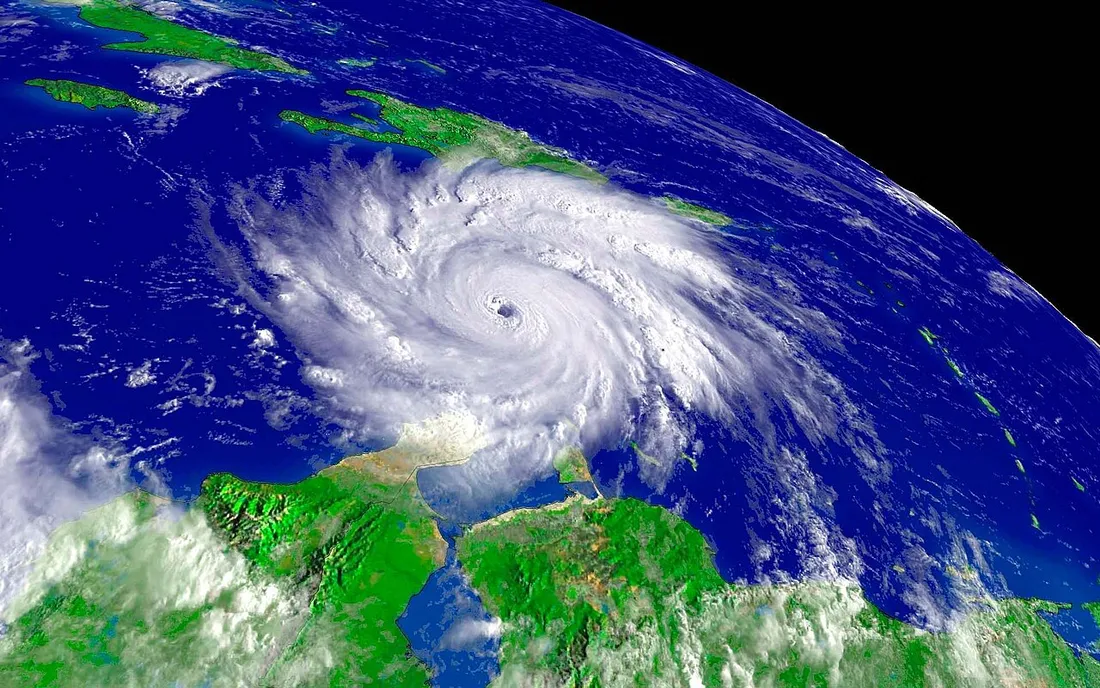
But beware of the shortcut: “hurricane season” does not mean “six months of storms.” For the vast majority of stays, the traveler will only encounter tropical waves, brief heavy downpours, often in the late afternoon, followed by the return of the sun. A hurricane striking the island directly remains rare from one year to the next. So for anyone booking a rental, the issue is not fear but organization: the right month, the right area and, above all, the right contract.
Why this period drives prices down
Demand drops, so rates follow. A few concrete benchmarks:
- Accommodation: a villa listed at €1,300 a week in February can fall to around €750 to €900 in September.
- Flights: a round trip Paris-Fort-de-France (Aimé Césaire airport, in Le Lamentin) often comes to €450-600 outside school holidays, versus €800-1,000 during the Carême.
- Car rental (strongly recommended, the island is best experienced behind the wheel): around €30 to €40/day, with far better availability.
For the traveler, it means access to properties that are often fully booked or out of budget. For the owner, a calendar filled at gentle rates beats an empty home.
The best months to rent during the wet season
Not all months of hurricane season are equal: the risk concentrates in a narrow window, and it is this nuance that should guide a booking.
- June and July: start of the season, low risk, few organized systems. An excellent price/peace-of-mind compromise, July often being well sunlit. Caution: late July to early August, the Tour des Yoles and school holidays tighten the market.
- August, September, October: the heart of the season, with the rock-bottom prices and the quietest island. September is statistically the most active month over the Atlantic basin.
- November: the risk drops off sharply, the island stays lush. A very good month to rent just before December rates climb back up.
Renting in September in Martinique: what you need to know
It is the month that worries people most, yet it concentrates the best deals. Martinique September weather deserves to be understood rather than dreaded: frequent tropical waves, a warm sea (never below 26 °C), lush vegetation and uncrowded sites (Les Salines at Sainte-Anne without the crowds, Anse Dufour or Anse Noire with their volcanic sand almost to yourself). The reassuring point: a hurricane system never appears out of the blue, it is tracked several days in advance. You will always have time to organize, and a well-chosen rental then becomes your best shelter.
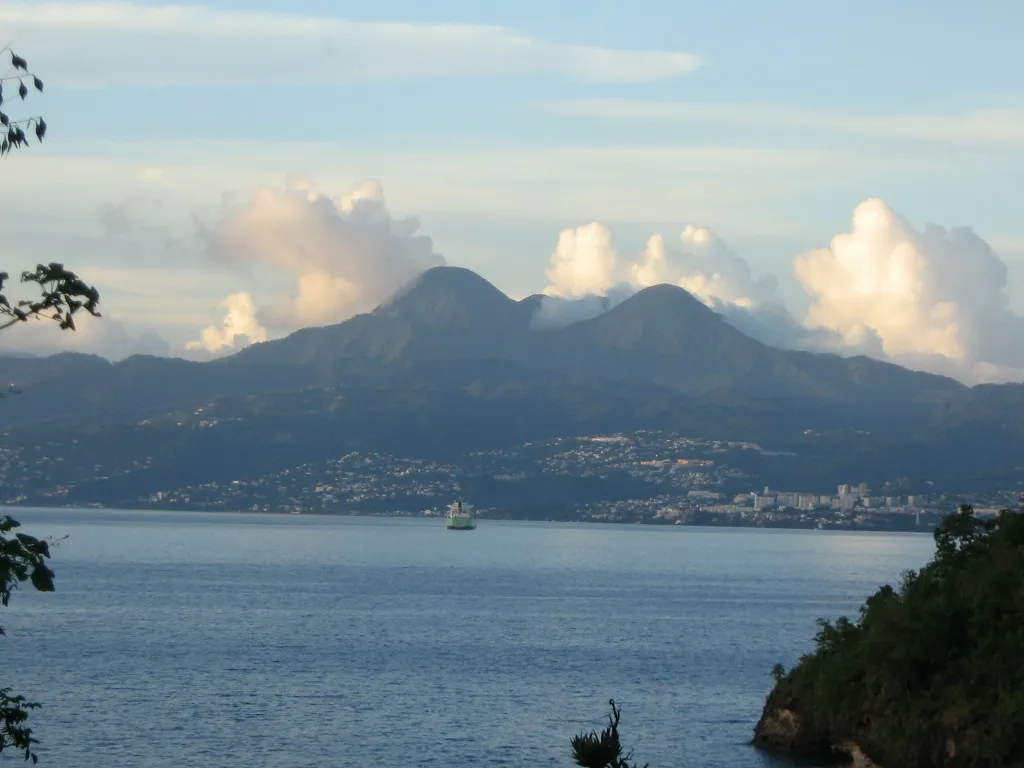
The decisive geographic reflex that the guides forget: Martinique has microclimates. The North Atlantic coast (Saint-Pierre, Le Carbet, Tartane) gets far more rain than the Caribbean South (Sainte-Anne, Le Diamant, Les Trois-Îlets, Le François, Le Marin). In the wet season, book in the South: you maximize sunshine while the North sits under clouds, and you keep the northern excursions (Montagne Pelée, the UNESCO-listed ruins of Saint-Pierre, the distilleries of the Route des Rhums such as Depaz or Saint-James) for the clear days.
Handling cancellations tied to weather alerts
This is the most technical aspect of a hurricane-season rental, and the one that reassures the most when it is well framed. Météo-France runs a color-coded alert system adapted to tropical risks; it serves as the reference for any decision to cancel or proceed.
- Green: normal situation, no reason to change your stay.
- Yellow: marked showers possible; you adapt activities, you leave the booking untouched.
- Orange: dangerous phenomenon, you limit travel; the threshold from which many insurance policies kick in.
- Red / purple: major danger, lockdown; exceptional and always anticipated.
On the traveler’s side, good practice comes down to three points: book flexible-cancellation accommodation, take out a serious hurricane cancellation insurance, and keep in touch with a local contact. On the owner’s side, the challenge is to define a clear policy in advance: what happens if an orange alert hits two days before arrival, or if the airport closes? A written framework prevents disputes and inspires confidence at the moment of booking.
Contract clauses to plan for in your rental agreement
A well-drafted contract makes all the difference in the wet season. Here are the clauses to plan for on the owner’s side, and to verify on the traveler’s side before booking.
- “Force majeure / climatic event” clause: what happens if a hurricane or an official alert prevents the stay (rescheduling, credit, partial refund).
- Objective trigger threshold: a verifiable fact (Météo-France orange or red alert, prefectural order, closure of Aimé Césaire airport) rather than a mere shower.
- Tiered cancellation: for example, free cancellation up to 7 days before arrival, then specific conditions in the event of an official alert.
- Rescheduling rather than an outright refund: a credit toward the following season protects the owner’s cash flow and reassures the traveler.
For the owner, these clauses are not a legal detail: they are a commercial argument. A renter who advertises a transparent weather policy converts far better in the low season than one who leaves the traveler in the dark.
Hurricane cancellation insurance: the clause to check
Not all policies cover climatic hazards the same way. Before booking between August and October, check that your hurricane cancellation insurance explicitly covers “climatic events” (storm, hurricane, bad weather), specifies its trigger threshold and includes trip interruption, not just cancellation before departure. Premium bank cards (Visa Premier, Gold Mastercard) often include a cancellation guarantee, but with frequent climate exclusions. A dedicated travel insurance generally costs 3 to 6% of the price of the stay: combined with flexible-cancellation accommodation, it is the best protection.
On the owner’s side: turning the low season into an asset
For an owner, hurricane season is not a black hole in the calendar, it is a lever to activate.
- Adjust your pricing grid: attractive low-season prices (often 30 to 40% below the Carême rate) maintain a decent occupancy rate.
- Highlight the wet season’s strengths: a lush island, full waterfalls, a warm sea, crowd-free sites. The calm is an argument, not a flaw.
- Secure the property: working shutters, clear drains, a water reserve, a lamp and posted instructions. A well-prepared home reassures and protects.
- Target the right profiles: remote workers, flexible travelers, couples outside school holidays, regional clientele.
This is precisely the job of a local property-management service: adjusting prices, handling communication in the event of an alert, securing the property and supporting the traveler on the ground.
Book your wet-season rental with peace of mind with Hostel Toucan
Renting in hurricane season is a winning calculation for those who surround themselves well: cheaper, quieter and perfectly managed with the right support. This is where Hostel Toucan, a property-management service and specialist in seasonal rentals in the DROM, makes the difference.
- Direct booking, with no platform fees: the fair price, ideal for taking advantage of the low season’s gentle rates.
- Free cancellation up to 7 days before arrival: book early and keep control if the weather looks uncertain.
- WhatsApp assistance 7 days a week: a local contact who tracks the alerts with you and backs you up in the event of a warning (mind the time difference: -5h in winter, -6h in summer relative to Paris, dial code +596).
Because we support both travelers and owners, we know which Caribbean South towns to favor and how to turn a rainy day into a distillery visit or a trip to the Fort-de-France covered market.
To prepare your stay, browse our complete guide to Martinique, explore our rentals in Martinique to aim for the South, and if you own a property, discover how we help owners get the most out of hurricane season.
FAQ
Can you really rent in Martinique during hurricane season?
Yes, and it is often even a good plan. From June to November, the traveler mostly encounters tropical waves (brief showers), not hurricanes. With a rental in the Caribbean South, suitable insurance and a flexible cancellation policy, you enjoy rock-bottom prices and a quiet island. Since any major system is tracked several days in advance, you always keep the time to organize.
What is the best month to rent in the low season in Martinique?
June, July and November offer the best price/risk compromise, with low hurricane activity. August, September and October offer the lowest rates and the quietest island, September being statistically the most active month over the Atlantic basin. The right choice depends on your tolerance for risk and your flexibility: the more flexible you are, the more attractive the low season becomes.
What clauses should you plan for in a hurricane-season rental contract?
Plan for a force majeure clause tied to an objective threshold (Météo-France orange or red alert, airport closure), a tiered cancellation policy, the option to reschedule rather than an outright refund, and a fast communication channel. For the owner, these clauses reassure the traveler and improve the booking rate in the low season.
Do you need hurricane cancellation insurance to rent in Martinique in the summer?
It is strongly recommended from August to October. Check that the policy explicitly covers climatic events (hurricane, storm, bad weather), specifies its trigger threshold and includes trip interruption. Bank card insurance often excludes these hazards. A dedicated insurance (3 to 6% of the price of the stay) combined with flexible-cancellation accommodation is the best protection.