Do you dream of waking up to the song of toucans, of an early-morning hike at the Rorota before the heat sets in, followed by a Creole coffee on the Place des Palmistes? At Hostel Toucan, we manage rentals designed for exactly that: a comfortable base in Cayenne or just outside town, from which you can reach French Guiana’s most beautiful natural sites without losing an hour to transfers. Here is our on-the-ground guide to a successful nature stay in Cayenne, written by people who live here all year round.
Why choose Cayenne as your nature base camp
French Guiana is a French overseas department and region: you pay in euros, French is spoken (along with Creole, Bushinenge and Amerindian languages), and the dialing code is +594. The time difference with Paris is -5h in winter and -6h in summer, which makes calls and coordination from mainland France easy.
Cayenne, the regional capital with around 290,000 inhabitants across the metropolitan area, ticks every box for the ideal base camp:
- Central location: the city sits halfway between the beach coast (Rémire-Montjoly), the eastern wetlands (Kaw, Roura) and the western route toward Kourou and Saint-Laurent.
- Logistics: Félix-Éboué Airport (Matoury) is just about twenty minutes away, and every car rental brand has a presence there.
- Supplies: market, supermarkets, pharmacies and gas stations in the immediate vicinity, essential before setting off to explore.
Our local expert tip: a car is essential in French Guiana. None of our nature sites are properly served by public transport. Book your vehicle at the same time as your rental.
The best time to come
Aim for the dry season, from mid-July to mid-November. The tracks are passable, the mosquitoes less aggressive and the hikes far more pleasant. Also remember the yellow fever vaccine, which is mandatory to enter French Guiana: get it at least 10 days before departure.
Our rentals and their access to nature
We select and manage our accommodations according to a simple criterion: being able to reach nature in under 30 minutes while staying close to amenities. Here is how we lay them out.
Around Rémire-Montjoly: trails and beaches
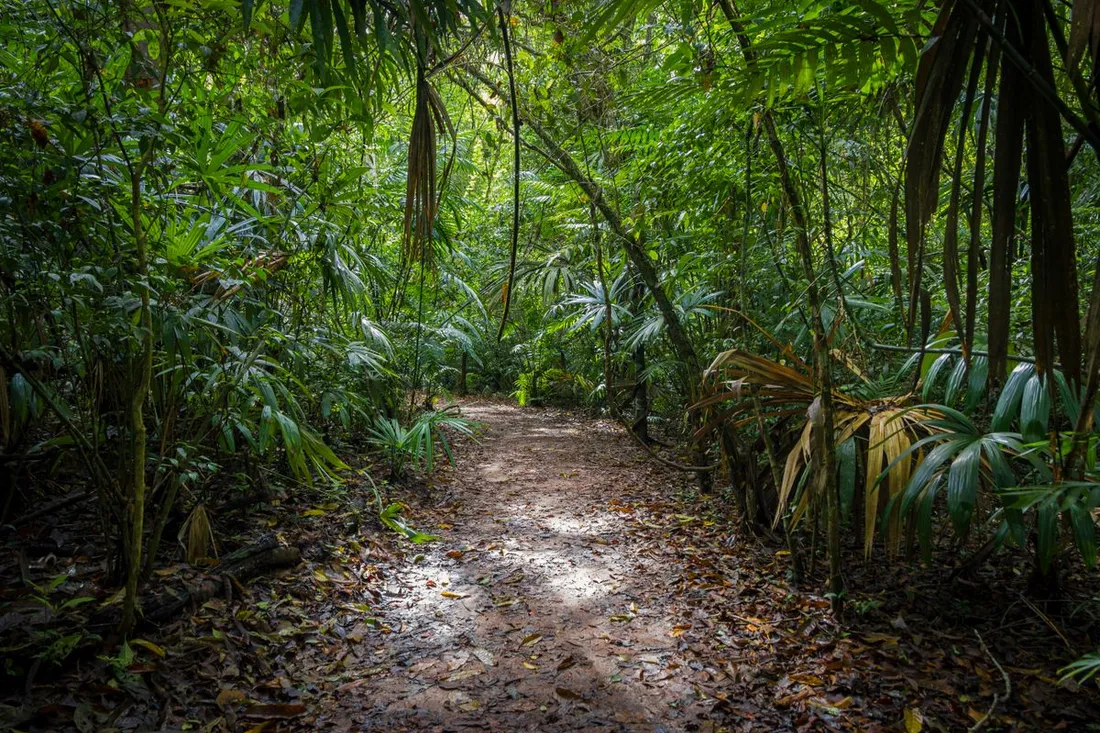
Just 10 to 15 minutes from Cayenne, Rémire-Montjoly is our favorite area for walking enthusiasts. The Rorota trail is a family-friendly loop of about 5 km (1h30 to 2h) around a lake, with ocean viewpoints and wildlife that is easy to spot (monkeys, sloths, ibises). Our rentals in this area let you set off on foot or a 5-minute drive to the trailhead.
Bonus: the beaches of Montjoly are a stone’s throw away, and between April and July, you can sometimes watch sea turtles nesting at night, while respecting the guidelines of local associations.
Around central Cayenne: market and Creole life
For those who want to live at the city’s pace, our downtown rentals put you a few minutes from:
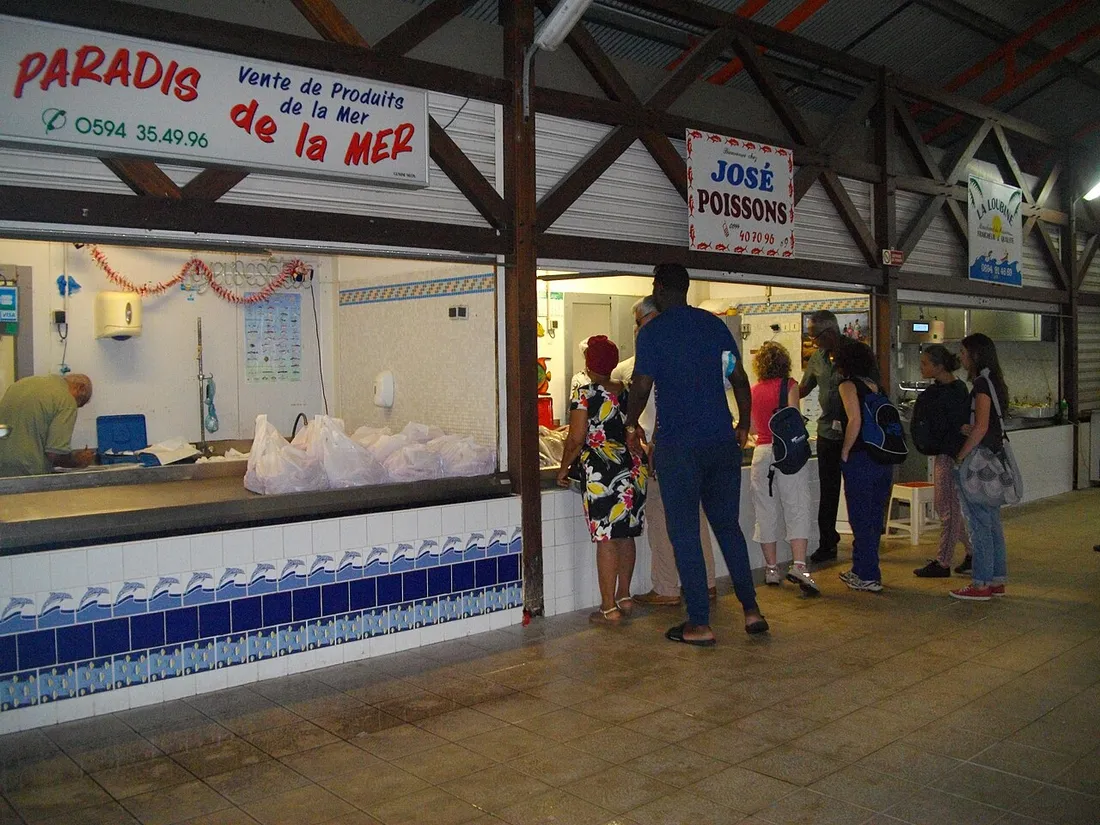
- the Cayenne market (busiest on Wednesday, Friday and Saturday mornings), where you can enjoy a Chinese soup, awara bouillon in season, and stock up on fruit;
- the Place des Palmistes and its royal palms, ideal at the end of the day;
- the Creole, Hmong and Bushinenge restaurants of the center.
Around Matoury / Macouria: heading west
If your plans lean toward Kourou and the Guiana Space Centre, a rental in Matoury or Macouria shortens the drive. Count on about 1h from Cayenne to Kourou (60 km) via the main road.
Branching out from Cayenne: our tested itineraries
Here are three getaways we consistently recommend to our travelers, with realistic durations and distances departing from Cayenne.
1. The Kaw marshes (east) — the signature nature outing
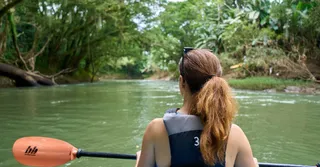
Head toward Roura then the Kaw landing: count on about 1h30 to 2h of driving (the end of the track is winding). On site, a pirogue trip at sunset or by night lets you observe caimans, birds and the marsh wildlife. Book your guide in advance, especially in high season. Plan for an overnight stay or a late return: driving at night calls for caution.
2. Kourou, the Space Centre and the Salvation Islands (west)
1h away by road, the Guiana Space Centre offers free tours (by reservation, ID required). With a bit of luck and an Ariane 6 or Vega launch schedule that falls during your stay, it is unforgettable. From Kourou, set sail for the Salvation Islands: a memorable day blending penal-colony history and turquoise waters.
3. Cacao and the hinterland (southeast)
About 1h15 to 1h30 away, the village of Cacao, founded by the Hmong community, is well worth the detour on Sunday morning for its market (soup, embroidered crafts, fruit). It easily combines with a forest hike.
For the more adventurous, well-organized in advance, the Nouragues reserve, the Maroni river by pirogue from Saint-Laurent-du-Maroni (visit of the penal colony and the Camp de la Transportation), or Awala-Yalimapo and its leatherback turtles (nesting from April to July) round out a longer exploration of French Guiana. Find our detailed itineraries in our complete guide to French Guiana.
Our on-the-ground tips for a successful nature stay
After welcoming hundreds of travelers, here is what makes all the difference:
- Set off early. In the forest as on the trails, the cool air and the wildlife are there before 9 a.m.
- Hydration and protection. Plenty of water, an effective mosquito repellent, lightweight long clothing and closed shoes.
- Fill up on fuel before the big outings: gas stations become scarce outside the metro area.
- Check the schedules (space launches, tides for the beaches, market hours) the day before.
- Anticipate the weather: even in the dry season, a tropical downpour is possible. A waterproof bag protects your phone and documents.
- Respect the wildlife: don’t shine lights on turtles, don’t feed the monkeys, and stay on the marked trails.
Planning your budget
As a rough guide, plan for: car rental €40-70/day, a full tank of fuel €70-90, a pirogue outing at Kaw €40-60/person, a crossing to the Salvation Islands around €60-70/person. Accommodation remains the item where you can optimize most: by booking direct, you avoid platform fees.
Book direct with Hostel Toucan
We are a locally based concierge and vacation rental agency in Cayenne: we know every home, every trail and every guide we recommend. Booking with us means:
- Direct booking, with no platform fees: you pay the fair price.
- Free cancellation up to 7 days before arrival, so you can book with peace of mind.
- WhatsApp support 7 days a week, in French, for your logistics questions, your outing bookings or any unexpected issue on site.
Discover our available rentals on our rentals in French Guiana page and start planning your nature getaway today. Are you an owner in Cayenne or its outskirts and want to entrust your property to a local team? Let’s talk about it on our owners page.
Cayenne is not just a stopover: it is the best starting point for discovering wild French Guiana, one trail and one market at a time. See you very soon in the tropics.
FAQ
What is the best time for a nature stay in Cayenne?
The dry season, from mid-July to mid-November, is ideal: passable tracks, fewer mosquitoes and more pleasant hikes. To watch sea turtles nesting near Montjoly, aim instead for April to July.
Do you need a car to explore nature from Cayenne?
Yes, a car is essential in French Guiana. Sites like Kaw, the Rorota or Kourou are not properly served by public transport. We recommend booking your vehicle at the same time as your rental.
Which nature sites can you easily reach from Cayenne?
The Rorota trail (15 min), the Kaw marshes by pirogue (1h30 to 2h), Kourou and its Space Centre with the Salvation Islands (1h), and the Hmong village of Cacao (1h15). Cayenne is a central and practical base camp.
Are there any health requirements to come to French Guiana?
Yes, the yellow fever vaccine is mandatory to enter French Guiana. Get it at least 10 days before departure and bring an effective mosquito repellent for your nature outings.