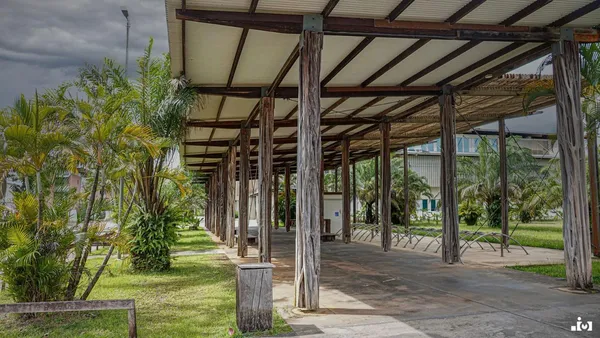

At six in the morning, as Cayenne barely stirs awake in a light that is still warm, a line already forms in front of the formica counters of the covered market. No one speaks loudly. People wait, bowl in mind, for the sacred ritual of the day: Chinese soup. This steaming dish, served in a large generous bowl for a few euros, is no tourist cliche. It is the genuine breakfast of thousands of Cayenne locals, of every origin, and one of the finest gateways to understanding the mixed-heritage soul of French Guiana.
Why Chinese soup is the morning ritual of Cayenne locals
In mainland France, you start the day with a coffee and a croissant. Here, on the equator, you take on the muggy heat with a scalding broth. It may seem paradoxical, but the logic is relentless: the hot bowl makes you sweat, and sweating cools you down. The elders will tell you: a good broth in the morning, and you’ll last until noon.
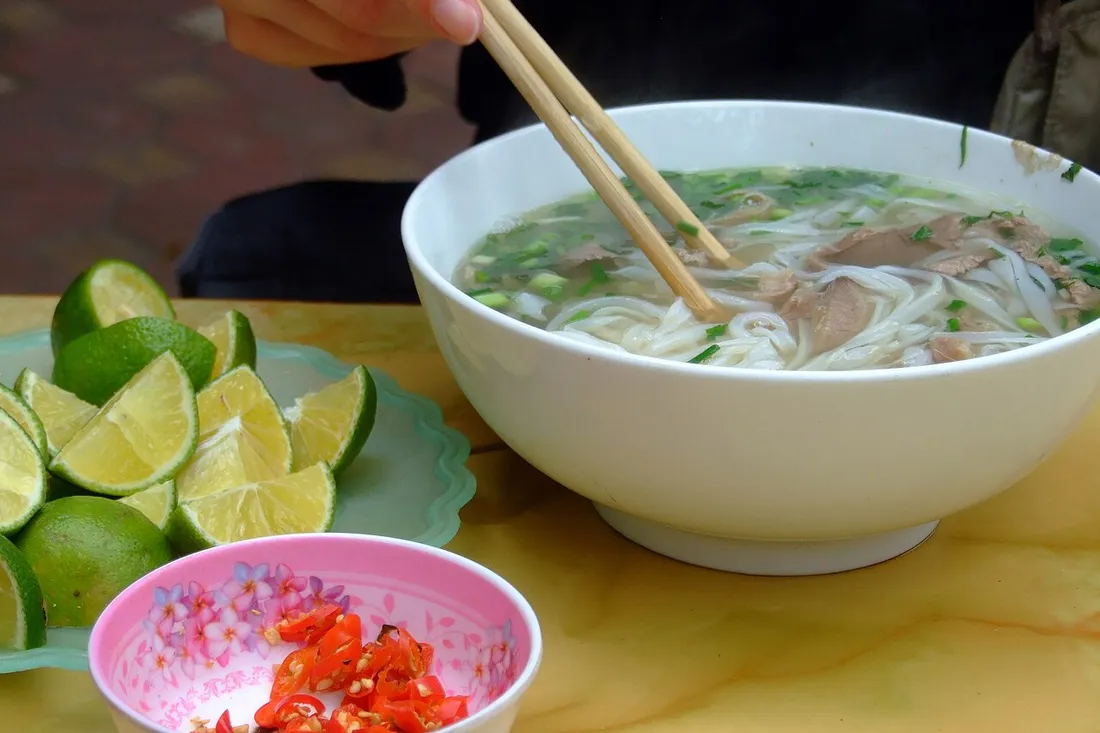
Cayenne’s Chinese soup is not a single dish but a family. In it you’ll find:
- A clear, fragrant broth, simmered from dawn with pork bones, ginger and grilled onions.
- Rice or wheat noodles, sometimes transparent vermicelli.
- A generous topping: glazed roast pork (the famous char siu), meatballs, tripe, steamed dumplings, sometimes chicken or duck.
- Fresh herbs to your heart’s content: spring onion, coriander, mint, bean sprouts, and the indispensable wedge of lime.
- The ritual of condiments: soy sauce, fish sauce, chilli, candied garlic, each diner dosing to their own taste.
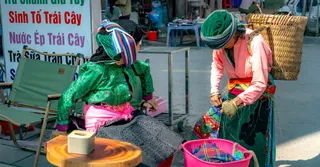
What makes this bowl so moving is that it tells a story of immigration. Cantonese Chinese communities have been present in French Guiana since the 19th century, running the neighbourhood grocery store as well as the morning table. To them were added, in the 1970s and 1980s, the Hmong and Laotian families, refugees from Southeast Asia who settled notably in Cacao and Javouhey. Their arrival enriched the local cuisine with Vietnamese and Lao flavours: pho, bo bun, crispy spring rolls. At the Cayenne market, these traditions sit side by side and blend into something unique, found nowhere else.
A melting pot in a bowl
French Guiana, this French overseas department of around 290,000 inhabitants where you pay in euros and where French, Creole, Bushinenge and Amerindian languages are spoken, is one of the most mixed-heritage territories of the Republic. Chinese soup is its edible symbol. At the next table, a civil servant in a shirt, a Creole market vendor, a Maroni pirogue boatman and an engineer from the Space Centre share the same gesture: noisily slurping the noodles, without ceremony. That is the true face of Cayenne.
Where to enjoy the best Chinese soup in Cayenne
The Cayenne market, the temple of the morning
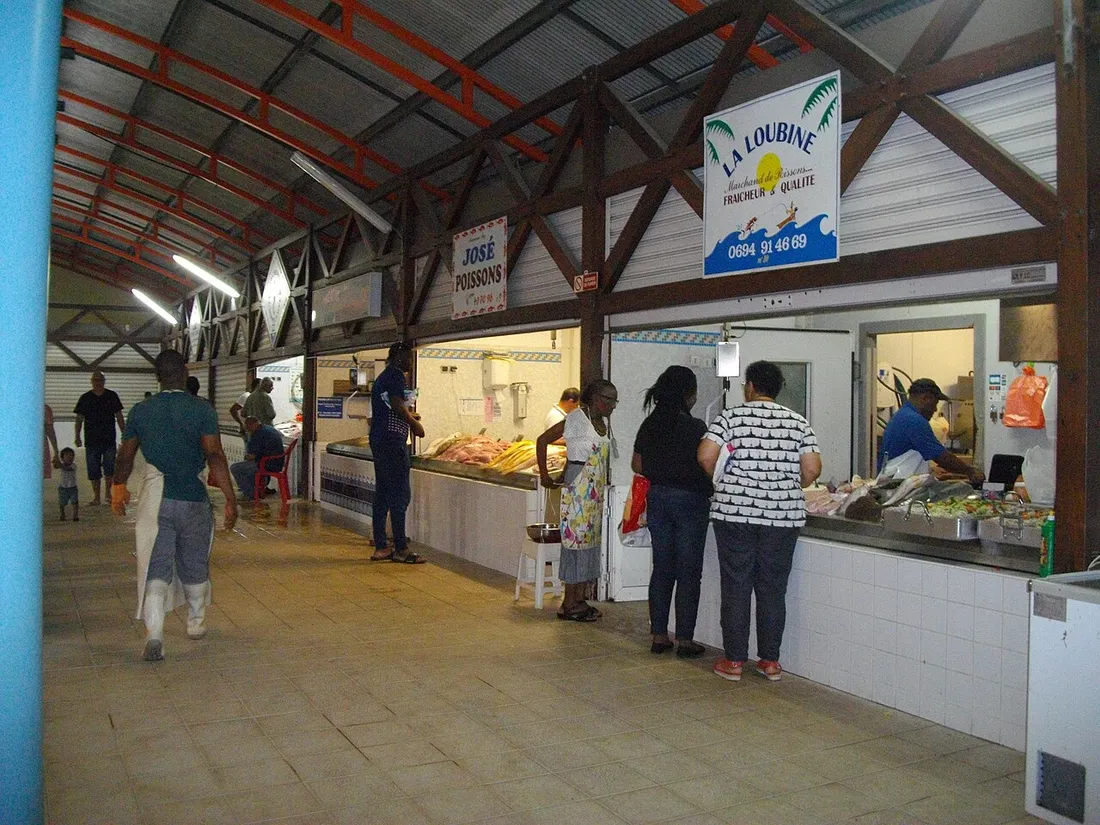
The covered market of Cayenne, at the corner of Rue Saint-Francois and Rue Mole, is the epicentre. It comes alive at the crack of dawn on Wednesdays, Fridays and especially Saturday mornings, the busiest day. Arrive early: the best stalls are stormed and the broth at the prized counters sometimes runs out before 9 a.m.
Our local tips to make the most of the experience:
- Ideal time: between 6:30 and 8:30 a.m., for the freshest broth and the authentic atmosphere.
- Budget: expect 6 to 9 euros for a large bowl, often enough for two small appetites.
- Payment: bring cash, many counters do not take cards.
- How to order: point with your finger, smile, specify whether you want pork, chicken or “the works”. Pho is often ordered with its herb garnish on the side.
- Tip: ask for the chilli “on the side” if you’re new to it, some local sauces are fearsome.
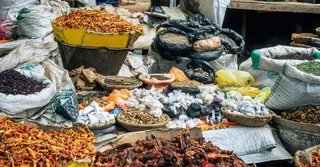
Beyond the soup, take advantage of the market to discover the spices, the wassai, the weighed bananas, the bunches of country herbs and the Amerindian crafts. It’s a complete sensory visit, a stone’s throw from the Place des Palmistes and its royal palms.
Beyond the market: the Asian spots of the urban area
The soup is not limited to the market. The whole urban area is full of small family-run tables:
- Cayenne centre: several Vietnamese and Lao restaurants around the town centre serve pho and bo bun at lunchtime.
- Remire-Montjoly: neighbourhood canteens, frequented by regulars, offer excellent value for money away from touristy eyes.
- Matoury, on the road to Felix-Eboue airport, has several handy Asian caterers before a flight.
- Cacao, about 75 km from Cayenne (1h15 by road via Roura), is the village of the Hmong community. Its Sunday morning market is an institution: soups, fritters, fruit and vegetables of exceptional freshness from the market gardens. An unmissable excursion.
Our selection to get it right
For a successful first encounter with Chinese soup, keep these landmarks in mind:
- For atmosphere and authenticity: the covered market of Cayenne, on a Saturday morning.
- For the Hmong discovery: the market of Cacao, on a Sunday, combined with a nature walk.
- For convenience: the canteens of Remire-Montjoly and Matoury, on weekdays.
How to fold this ritual into your stay in French Guiana
Chinese soup is not just a meal, it’s a cultural key. Here’s how to slip it cleverly into an itinerary:
- Arrival day: drop your bags in Cayenne, and reserve your first morning for the market. It’s the best way to take the pulse of the city without heavy jet lag (Cayenne is 5 hours behind Paris in winter, 6 in summer).
- Before an excursion: a hearty bowl is the perfect base before a day at the Iles du Salut, an outing in the Kaw marshes or the road towards Kourou and its Guiana Space Centre (free visit, possible Ariane 6 or Vega launches).
- Sunday nature and gastronomy: combine the market of Cacao with a hike and the discovery of Hmong culture, then head up to the Nouragues reserve or the trails of Roura.
A few practical reminders for a stress-free stay: a car is indispensable to roam between Cayenne, Macouria, Kourou and Saint-Laurent-du-Maroni. The yellow fever vaccine is mandatory. And the best time remains the dry season, from mid-July to mid-November, when the market mornings are the most pleasant. The local telephone code is +594.
Staying in the right place to live the experience
To savour this morning ritual without constraint, it’s best to stay near the centre of Cayenne or Remire-Montjoly. At Hostel Toucan, we offer holiday rental accommodation managed by residents who know every stall in the market and every hidden spot in the urban area. Book direct, with no platform fees, enjoy free cancellation up to 7 days before arrival, and WhatsApp assistance 7 days a week for your questions, your excursion bookings or simply to find out where the best bowl of the day is.
Whether you’re planning a first trip or looking for your next Cayenne base, browse our complete guide to French Guiana and our holiday rentals in French Guiana. Are you an owner and would you like to entrust your property to a local concierge service? Discover our offer for owners.
The next time you hear the hubbub of the Cayenne market at dawn, let yourself be carried along. Join the line, hold out your bowl, and taste, in a single spoonful, several centuries of history and mixed heritage. That is authentic French Guiana.
FAQ
How much does a Chinese soup cost at the Cayenne market?
Generally expect between 6 and 9 euros for a large bowl, often generous enough for two small appetites. Bring cash, as many counters at the covered market do not accept bank cards.
At what time and on which days can you find Chinese soup at the market?
The covered market of Cayenne comes alive early on Wednesday, Friday and Saturday mornings. Saturday is the busiest day. Arrive between 6:30 and 8:30 a.m. for the freshest broth: the best stalls are sometimes sold out before 9 a.m.
What is the difference between Chinese soup and Cayenne pho?
Chinese soup refers to a family of broths influenced by Cantonese, Vietnamese and Lao traditions. Pho is its Vietnamese version, with rice noodles, broth fragrant with ginger and a garnish of fresh herbs served on the side. At the market, these influences blend together.
Where can you discover Hmong cuisine in French Guiana?
Head to the village of Cacao, about 75 km from Cayenne (1h15 by road via Roura). Its Sunday morning market, run by the Hmong community, offers soups, fritters and very fresh market-garden produce. An unmissable excursion, ideally combined with a nature walk.