Travelling to Guadeloupe solo is a question that comes up again and again in the messages we receive: is it safe, will I get bored, and how much does it cost when there’s nothing to split? After years of welcoming solo travellers into our rentals, the short answer is: yes, the butterfly archipelago lends itself very well to solo travel, as long as you know the lay of the land. Here’s the reality, zone by zone, without rose-tinted glasses or scaremongering.
Why Guadeloupe is a great solo travel destination
It’s a French department: the euro, a valid Carte Vitale, mobile coverage included in most mainland plans (the +590 dialling code for local numbers), and pharmacies and hospitals built to mainland standards. For a first solo trip to Guadeloupe, that’s an enormous safety net compared with other Caribbean islands: no visa, no currency exchange, no language barrier (French and Creole).
The archipelago is also compact. From a well-placed base such as Sainte-Anne or Le Gosier, you can reach everywhere:
- Caravelle Beach (Sainte-Anne): on foot or 5 minutes from the village;
- Cousteau Reserve at Malendure (Bouillante): about 1 hr 15 by road;
- Carbet Falls and La Soufrière (Basse-Terre): 1 hr 15 to 1 hr 30;
- Ferry docks for Les Saintes or Marie-Galante: 20 to 40 minutes.
The only thing to plan around: a 5-hour time difference with Paris in winter, 6 hours in summer. Handy for calling family in the morning, less so for evening video chats.
Safety in Guadeloupe for a solo traveller: the reality zone by zone
Let’s talk frankly about safety in Guadeloupe for tourists, because the forums lump everything together. Crime exists, like everywhere, but it’s very localised and rarely targets visitors. As a resident, here’s an honest reading of the situation.
The areas where you’ll be at ease
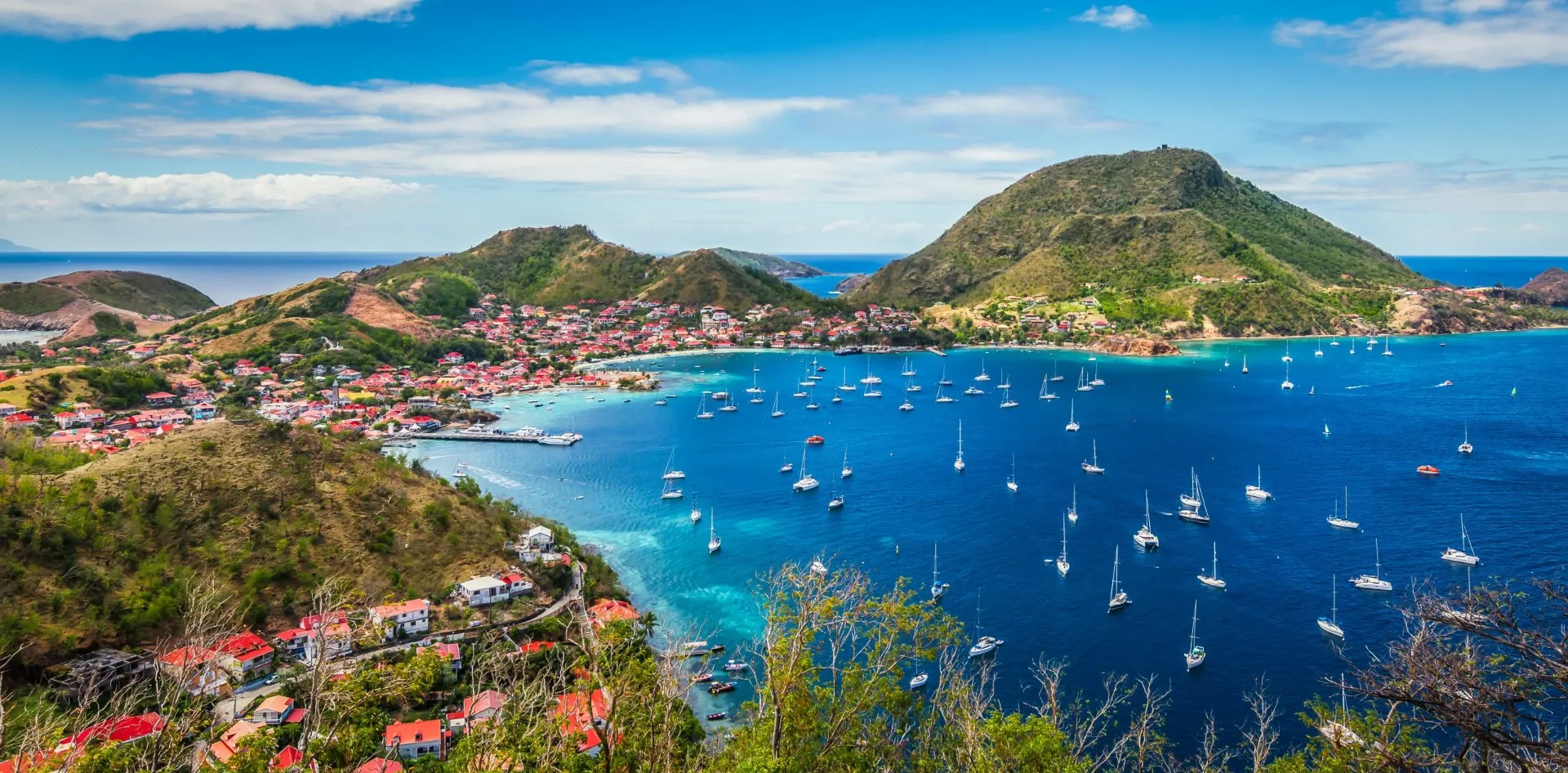
Sainte-Anne, Saint-François, Deshaies, Bouillante, Le Moule, and the Caribbean-sea-facing villages of Basse-Terre: life there is village-paced. You’ll be greeted more often than you’ll be bothered. Les Saintes, Marie-Galante and La Désirade are even more peaceful; in Terre-de-Haut, plenty of people don’t even lock their scooters.
Pointe-à-Pitre and the urban area: worth knowing, not worth avoiding
Pointe-à-Pitre is worth a visit (the spice market, the ACTe Memorial), but in the daytime. The town centre empties out after 5–6 pm, and certain outlying areas (around Lauricisque, some housing estates in Les Abymes) hold no tourist interest: don’t wander there at night, exactly as you wouldn’t in any city. In Le Gosier, the lively seafront is safe in the evening; just stick to the well-lit main streets.
The real risks for a solo traveller (and they’re not where you think)
- Car break-ins: never leave anything visible in the car, especially in the isolated car parks at beaches and trailheads (Pointe des Châteaux, hiking departures). This is risk number one, by far.
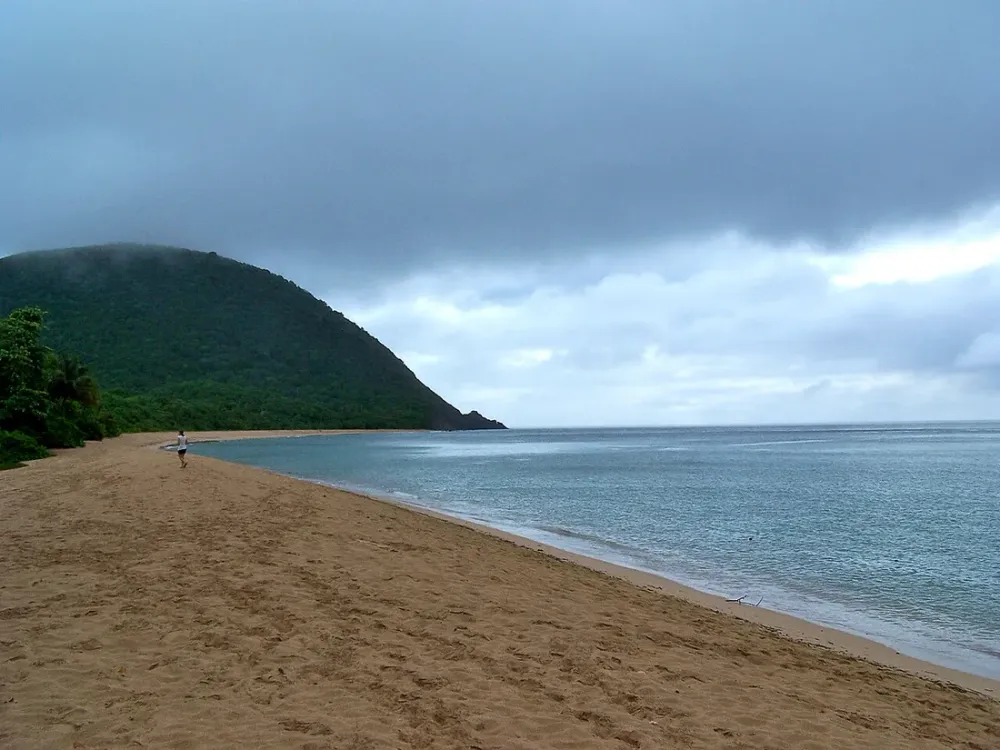
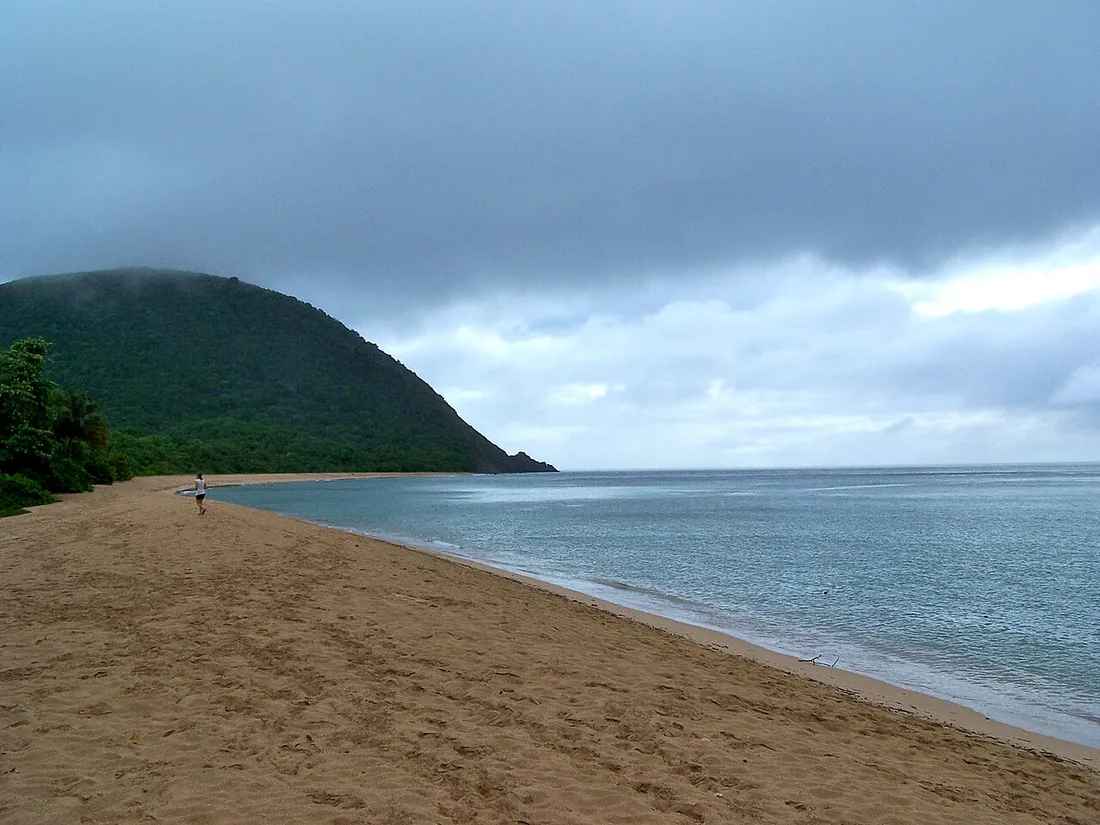
- Swimming: on your own, choose busy or supervised beaches (Caravelle, Grande Anse at Deshaies with caution depending on the swell). No solo sessions on the Atlantic beaches with currents.
- Hiking: on La Soufrière (1,467 m) or the Carbet Falls, set off early, tell someone, and keep in mind that the weather turns quickly at altitude.
Guadeloupe as a woman travelling alone: feedback from the field
The women travellers we host describe an experience that is, on the whole, relaxed: you’ll be approached, often with verbal persistence, rarely more. The codes that work: a firm, smiling “no thank you,” avoiding walking home alone late from Le Gosier’s nightlife areas, and choosing a rental with a host you can reach. That’s exactly why our 7-days-a-week WhatsApp assistance reassures so many women who travel alone: a local contact who answers, even at 10 pm.
Solo budget in Guadeloupe: how much to plan per day
Solo travel mechanically costs more per person: there’s no accommodation or car to share. Here are realistic ranges seen in 2026, excluding flights (allow €450 to €800 for the round trip from Paris to Pôle Caraïbes airport, depending on the season).
- Accommodation: a self-contained studio or one-bedroom flat between €45 and €75/night in the dry season (December–April), €35 to €55 in the wet season. A room in a private home drops to €30–40.
- Rental car: €22 to €35/day for longer rentals, plus €60 to €90 of fuel per week if you move around a lot.
- Meals: a bokit or sandwich €4–6, a full plate at a lolo in Sainte-Anne €10–14, a standard restaurant €20–30. Cooking with market produce, €10–15/day is plenty.
- Activities: beaches and most hikes are free; a try-dive or dive at the Cousteau Reserve €55–70; a round-trip crossing to Les Saintes €25–30; a day excursion to Petite-Terre €90–110.
A realistic overall budget: €70–85/day in budget mode with a car, €110–140 in comfort mode. Three levers really bring the solo bill down:
- Come in the wet season (June–November): accommodation and cars 20 to 30% cheaper, short showers in the morning then bright sunshine.
- Choose a rental with a fitted kitchen: €15 to €20 saved each day compared with eating out every meal.
- Book direct: on our rentals featured at /location-guadeloupe, booking direct removes platform fees (often 12 to 15% on OTAs), with free cancellation up to 7 days before arrival. Over a week at €60/night, that’s around €50 to €60 handed back to your diving budget.