A stay in Guadeloupe often shifts from a simple trip to a lasting memory around a table in the evening, when a host sets down before you a colombo that has simmered all afternoon. The table d’hôte in Guadeloupe is not a restaurant in disguise: it is a shared dinner in a local’s home, where you eat what the household eats, in an atmosphere that no tourist terrace can recreate. At Hostel Toucan, a concierge service based in the French overseas territories, we see this formula win over more and more travellers, and more and more owners wondering how to offer it within the rules. Here is how a table d’hôte really works on the butterfly archipelago, its precise legal framework, and the value it brings on both sides of the plate.
What a Table d’Hôte in Guadeloupe Really Is
Let us clear up the most common confusion: a table d’hôte is neither a restaurant nor a catering service. It is a regulated formula, inherited from the tradition of bed and breakfasts and rural lodges, recognisable by several markers:
- A single menu, with no à la carte choice: you eat the dish of the day. In the morning, the host decides based on the market, the catch and the garden.
- A meal shared in common, around a single table, often with the host or their family.
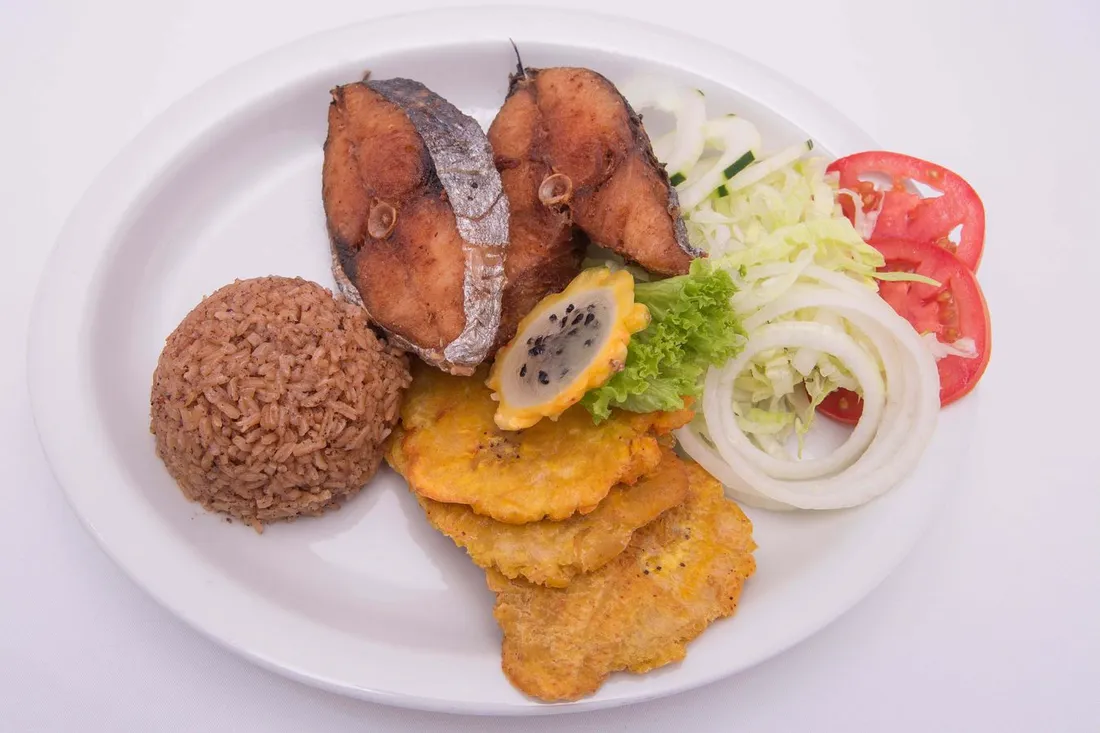
- Home cooking, based on local produce: chayote, breadfruit, yam, local fish, goat, yellow plantains.
- A limited number of seats, set by the accommodation’s capacity, never open to all comers.
Host’s tip: the difference is felt from the very first bite. You are not served a “standardised Creole dish”, but the dinner the family would have eaten anyway — accras as a starter, dombrés with ouassous, coconut blancmange for dessert, homemade rhum arrangé to finish.
This intimacy explains why dining with locals tops searches for a local culinary experience: this meal in a local home draws travellers who want to taste Guadeloupe from the inside rather than merely “visit” it.
The Legal Framework of the Table d’Hôte: What the Rules Say
This is where the line is drawn between a sound activity and an avoidable risk. In Guadeloupe, a French overseas department where French law applies identically, the table d’hôte follows a clear administrative definition set out in the tourism circular.
The Four Cumulative Conditions
For a meal to legally qualify as a table d’hôte — and not a catering activity —, four conditions must be met at the same time:
- Be a complement to the accommodation. The table is offered only to people sleeping on site (bed and breakfast, lodge, furnished tourist rental with accommodation), never to passers-by from the road.
- A single menu, at the family table. No menu card, no service on demand.
- A capacity limited to that of the accommodation (in practice often capped at around 15 seats).
- Cooking with local produce, showcasing the regional heritage.
If one of these conditions falls away — typically opening the dinner to outside customers —, you move into commercial catering, with registration and stricter public-establishment (ERP) standards.
Hygiene, Alcohol and Declarations Not to Overlook
Even within the lighter framework of the table d’hôte, certain rules remain unavoidable in Guadeloupe:
- Food hygiene: the European hygiene package applies. Having someone trained in food hygiene (HACCP) is strongly recommended (training costs around €250 to €350). In the tropical climate where food spoils quickly, respecting the cold chain is non-negotiable.
- Activity declaration to the Guadeloupe Directorate for Food, Agriculture and Forestry (DAAF) for any product of animal origin.
- Alcohol sales: a ti-punch or a rhum arrangé served as part of the meal is tolerated; selling it outside the meal (an aperitif alone, a bar) requires a restaurant licence. Rhum arrangé included in the dinner price remains the safest arrangement.
- Price display and information on the 14 regulatory allergens.
For an owner who already operates a furnished tourist rental in Guadeloupe, the table d’hôte builds on an already declared activity, but is prepared in advance with the DAAF before the first seating.
How Much Does a Table d’Hôte Cost and What Do You Eat?
For the traveller, the table d’hôte offers excellent value for money compared with an equivalent restaurant, because it avoids the overheads of a commercial establishment.
The ranges we observe across the archipelago:
- Full menu (homemade aperitif + starter + main + dessert): €28 to €45 per adult, soft drinks often included.
- Simpler formula (main + dessert): €18 to €28.
- Child: usually half price or around €12 to €15.
- Rhum arrangé: almost always offered as a digestif as part of the meal.
A typical menu at a table d’hôte in Grande-Terre or Basse-Terre looks like this:
- Aperitif: ti-punch or local fruit juice (passion fruit, guava), cod accras, Creole black pudding.
- Starter: avocado féroce, gratinated chayote or coconut-cabbage salad.
- Main: goat colombo, fresh fish court-bouillon, dombrés with ouassous or octopus fricassee, with rice, breadfruit gratin and yellow plantains.
- Dessert: coconut blancmange, sweet-potato cake, or banana tart.
- Digestif: homemade rhum arrangé (vanilla, ginger, local red berries).
Our tip: book your table d’hôte 24 to 48 hours in advance. As the host cooks to order and shops at the market that very morning, a last-minute evening request is rarely feasible. It is also the moment to flag an allergy or a special diet, which many hosts gladly accommodate.
The Added Value for the Traveller: Why Try the Experience
Beyond the meal, the table d’hôte changes the texture of a stay, and our travellers draw three concrete benefits from it.
An Immersion Impossible Anywhere Else
Dining with locals means gaining access to a Guadeloupe that restaurants do not show: family recipes, anecdotes about the old sugar estates, tips on tomorrow’s quiet beach or the distillery not to miss in Marie-Galante. The host becomes an informal guide, often more valuable than a tourist office.
A Dinner Suited to the Rhythm of a Rental Stay
After a day hiking to the Carbet Falls, diving in the Cousteau Reserve at Malendure or lazing on Grande Anse de Deshaies, getting back in the car to find an open restaurant is discouraging. The table d’hôte, sometimes just steps from the rental, solves the dinner problem without a night-time drive on the poorly lit roads of Basse-Terre.
A Controlled Budget With No Surprises
The price is announced in advance, with no trap menu: no scramble for a restaurant in high season (December to April, when the good tables are fully booked), and generous cooking from which you rarely leave still hungry.
To fit these dinners into an itinerary between seaside Grande-Terre and volcanic Basse-Terre, our complete guide to Guadeloupe helps balance sightseeing, beaches and gourmet experiences.
Offering a Table d’Hôte as a Host: The Owner’s Perspective
More and more of the owners we support want to add this service to their seasonal rental. The idea is excellent — done well, a table d’hôte increases the perceived value of the property, builds traveller loyalty and generates additional income. Our field recommendations:
- Check your status. The table d’hôte requires declared accommodation (furnished tourist rental with a registration number, or a bed and breakfast registered with the town hall). Without this basis, the meal has no legal grounding.
- Limit yourself to your guests. As soon as you serve outsiders, you change legal and tax category.
- Get hygiene training and keep simple traceability: at over 30 °C, a cold-chain error is costly.
- Care more about the experience than the number of seats. A well-served table of 6 to 8 guests is worth more than a full but poorly managed room.
- Include the rhum arrangé in the price rather than selling it separately, to stay within the tolerated framework.
Well managed, the table d’hôte becomes a strong selling point, especially in direct booking where you highlight this local signature without drowning it in a platform’s standards.
Hostel Toucan’s Support
Setting up a compliant table d’hôte, managing bookings and coordinating the service with housekeeping and arrivals via Pôle Caraïbes airport takes method, especially when running your property from mainland France with a 5 to 6 hour time difference. This is Hostel Toucan’s job, a concierge service specialising in the French overseas territories:
- checking your compliance (declared accommodation, table d’hôte framework, hygiene) before launching the activity;
- marketing through direct booking with no platform fees, with free cancellation up to 7 days before arrival to reassure your travellers;
- WhatsApp assistance 7 days a week to answer your guests’ questions and your own, including to arrange a dinner;
- showcasing your gourmet offer to travellers seeking authenticity, backed by our Guadeloupe guide.
Do you own a property in Guadeloupe and want to offer this local culinary experience while staying calm on the administrative front? Discover our management offer on the owners page: we pick up the file wherever you are.
Summary: The Table d’Hôte in Guadeloupe
- A table d’hôte is a dinner in a local’s home reserved for guests staying on site, with a single menu and cooking based on local produce.
- Four cumulative conditions distinguish it from commercial catering: complement to accommodation, single menu, limited capacity, local terroir.
- Budget €28 to €45 for the full menu, homemade rhum arrangé often included.
- For the traveller: immersion, dinner without a night-time drive and a controlled budget.
- For the owner: additional income, provided you respect hygiene, declared status and the guests-only limit.
The table d’hôte sums up everything that makes Guadeloupe endearing: generosity, fresh produce and sharing. For the traveller, it is the meal still talked about after the return home. For the owner, it is a signature that turns a simple rental into a real experience.
FAQ
What is the difference between a table d’hôte and a restaurant in Guadeloupe?
A table d’hôte offers a single menu, with no à la carte choice, to guests who sleep on site, around a family table and with a capacity limited to that of the accommodation. A restaurant welcomes any passing customer, offers a menu card and falls under commercial catering with its obligations (registration, ERP standards, licence). As soon as a table d’hôte serves people who are not staying there, it legally shifts into catering.
How much does a table d’hôte dinner cost in Guadeloupe?
Budget generally €28 to €45 per adult for a full menu (homemade aperitif, starter, Creole main, dessert), often with rhum arrangé offered as a digestif. A main-dessert formula is around €18 to €28, and the child rate is usually half price. Prices are announced in advance, with no surprise supplements, which is the strength of the formula compared with a restaurant.
Do you need to book a table d’hôte in advance?
Yes, absolutely. The host cooks to order and shops at the market that very morning depending on the catch and the local fruit available. Give 24 to 48 hours’ notice, especially in the dry season (December to April) when availability shrinks. It is also the ideal time to flag an allergy or a particular diet, which most hosts gladly accommodate.
Can an owner offer a table d’hôte in their seasonal rental?
Yes, provided the legal framework is respected: the accommodation must be declared (furnished tourist rental with a registration number or a bed and breakfast), the meal reserved for guests staying there only, the menu single and the capacity limited. Food hygiene training and a declaration to the DAAF are strongly recommended. Serving the rhum arrangé included in the meal price avoids having to apply for a drinks-sales licence.