When an investor talks to me about Martinique, they almost always have the Caribbean South in mind: Les Trois-Îlets, Sainte-Anne, Le Diamant. Tartane never comes up first, and that’s exactly what makes this micro-market interesting. On the Caravelle peninsula, in the town of La Trinité, the vacation rental market in Tartane doesn’t play in the same league as the South’s beach resorts: a different clientele, a different seasonality, a different price of entry. I live on this side of the island and I manage furnished rentals here; here’s how this market really works in 2026. This educational content is no substitute for professional advice.
A surf-and-nature micro-market, not a beach-resort market
The first mistake is to think of Tartane like Sainte-Anne. On my calendars, the booking profile looks nothing like a one-bedroom at Pointe du Bout. Here you mostly find:
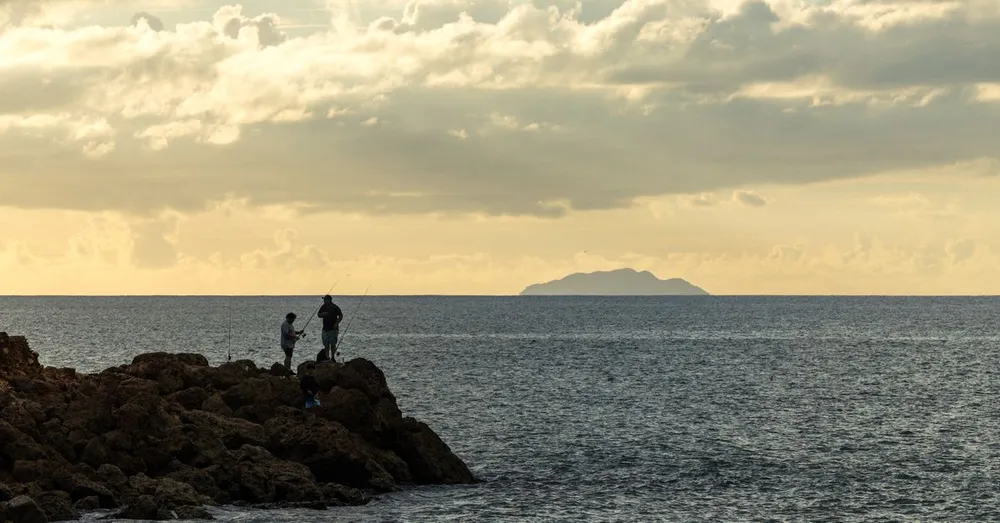
- surfers, drawn by Anse Bonneville, one of the most accessible Atlantic surf spots in Martinique;
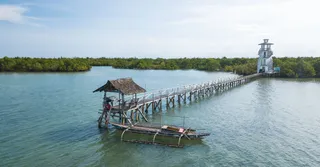
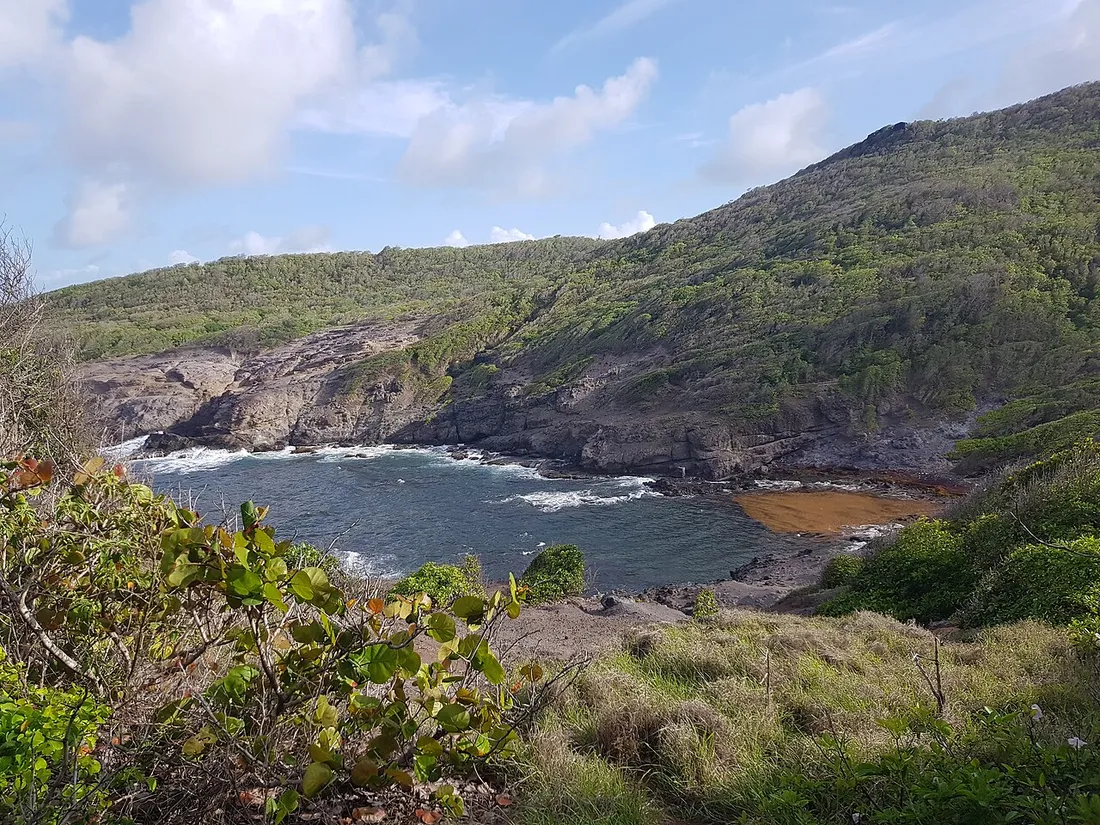
- nature and hiking enthusiasts, coming for the Caravelle Nature Reserve (about 400 hectares protected since 1976), its lighthouse and the ruins of Château Dubuc;
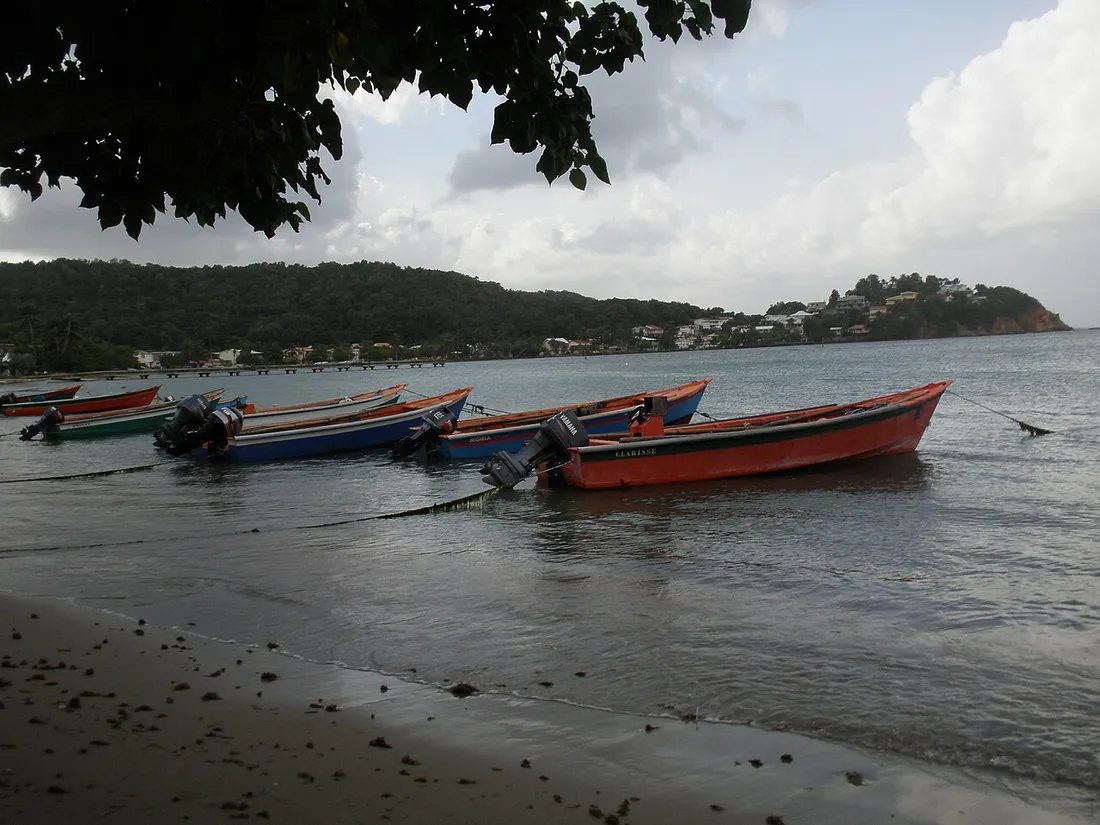
- self-sufficient families and couples seeking authenticity, who cook the fish from the morning market;
- a regional clientele (Martinique, Guadeloupe, Guyane) for a weekend getaway, often overlooked by investors.
This passionate demand is less sensitive to luxury than to location and the spirit of the place: a well-kept authentic property rents better than a flashy listing in the wrong spot. Above all, surf and nature don’t stop in April: this niche is more spread out across the year than a beach-resort product, which cushions the slow periods.
Atlantic seasonality: the underestimated factor
The Atlantic coast lives to the rhythm of the trade winds and the swell, which reshuffles the rental calendar.
The dry season, the Carême, from December to April, remains the best period, with Carnival (February-March) as reinforcement. But Tartane adds a specific driver: the surf swell is more consistent during this window. A furnished rental near Anse Bonneville therefore benefits from two dynamics, climate and surf, where a southern property benefits only from the first.
The wind itself is a selling point: cooler evenings, better sleep and fewer mosquitoes in exposed areas; in return, the rougher sea calls for a well-oriented terrace. From June to November, the hurricane season is quieter and wetter, with vigilance required; but well managed (adjusted pricing, niche targeting), this dip stays shallower than elsewhere.
Purchase prices and real returns of a vacation rental in Tartane
Here are the ranges I observe in Tartane and La Trinité in 2026:
- Studio or one-room flat (25-35 m²), near the seafront: €110,000 to €160,000.
- One-bedroom (40-50 m²) with outdoor space: €150,000 to €230,000.
- Creole house or villa (3 bedrooms), sea or reserve view: €300,000 to €550,000, more with a pool.
Per square meter, count on €2,500 to €4,000, well below the €3,500 to €5,000 of Les Trois-Îlets. Add the notary fees (7 to 8% on existing properties) and furnishing: the octroi de mer raises the cost of imported furniture, and budgeting €8,000 to €15,000 for a one-bedroom is nothing excessive.
Nightly rates and occupancy rate
For properly managed furnished rentals on the peninsula, here are the nightly rates observed:
- Studio / one-room : €55 to €90, up to €100-110 at the peak of the Carême and at Carnival.
- One-bedroom : €80 to €140, with peaks in high season and during swell periods.
- House for 4-6 people : €130 to €250 depending on view and pool.
The annual occupancy rate of a responsive, well-targeted property hovers around 55 to 65%, versus 40 to 50% for a listing managed remotely without follow-up. The nightly rate is lower than at Les Trois-Îlets, but the lower purchase price rebalances the return: a house bought for €320,000 and rented at €170 a night at 60% generates roughly €37,200 in gross revenue; after €7,000 to €10,000 in expenses (property tax, insurance, energy, air-conditioning and pool maintenance), the gross return comes out at 11-12%, comparable to a good southern property. Compare our Martinique rentals to gauge the market.
On location, the village seafront remains the most liquid, the surroundings of Anse Bonneville are the trump card for surfers, and Anse l’Étang or the heights with a view appeal to couples and families. Beyond the village, toward the reserve, there are no more shops. Proximity to a spot, a beach or a view and good orientation facing the wind push the nightly rate up.
Costs, taxation and logistics of the North-Atlantic
Martinique is a French DROM (euro, French and Creole, dialing code +596), and the Caravelle’s off-center position heightens two realities: the octroi de mer raises the cost of imported furniture while the salty air of a wind-swept peninsula wears down air-conditioning and locks (preventive maintenance is essential); and the distance from services, 10 minutes from La Trinité but far from major centers, lengthens response times — hence the value of a local network and insurance suited to the hurricane season (June to November).
On taxation, furnished rental falls by default under the LMNP regime, with rents taxed as BIC (micro-BIC with a 30% allowance, 50% if the property is classified as tourist accommodation, or the real-cost regime, often the winner here thanks to depreciation). Add to this the tourist tax collected from the traveler in La Trinité and the declaration at the town hall. The details are in our complete Martinique guide; consult a chartered accountant for the structuring.
Succeeding in your investment with local support
Buying in Tartane is one thing; running an off-center furnished rental, 7,000 km away and with -5h in winter and -6h in summer relative to Paris, is another. A message sent at 8 p.m. local time lands in the middle of the night in mainland France, a leak on a Sunday is far from the nearest plumber: the Atlantic coast demands an on-the-ground presence. At Hostel Toucan, a concierge service established in the DROM, we handle the whole chain — check-in, cleaning, maintenance, optimizing the listing for the Caravelle niche — and we push direct booking with no platform fees, with free cancellation up to 7 days before arrival and WhatsApp support 7 days a week. You build loyalty with a clientele of enthusiasts and turn an off-center property into passive income.
If you are considering investing on the Caravelle peninsula, browse our Martinique rentals, then discover our management offer on the owners page. Well bought and well managed, a furnished rental in Tartane combines a reasonable entry price with a loyal clientele.
FAQ
Does a vacation rental in Tartane earn as much as in the South?
The average nightly rate there is lower than at Les Trois-Îlets or Sainte-Anne, but so is the purchase price (€2,500 to €4,000/m² versus €3,500 to €5,000 in the South). The gross return of a well-managed property therefore stays comparable, often 11 to 12% for an occupancy rate of 55 to 65%. Tartane’s advantage is a niche (surf, nature) more spread out across the year, which cushions the slow periods.
What clientele are you targeting by investing on the Caravelle peninsula?
A niche clientele: surfers at Anse Bonneville, hikers coming for the Caravelle Nature Reserve, self-sufficient families and couples seeking authenticity, and a share of regional clientele (Martinique, Guadeloupe, Guyane) for weekends. This audience values location and the spirit of the place more than luxury, which favors well-kept authentic properties.
How does Tartane’s seasonality differ from the South’s?
The Atlantic coast lives to the rhythm of the trade winds and the swell. The dry season (Carême, December to April) remains the best period, reinforced in Tartane by a more consistent surf swell that draws riders; the wind also makes evenings cooler and reduces mosquitoes. The low hurricane season (June to November) is generally less slow there than on a purely beach-resort product.
Do you need a concierge service to rent in Tartane from mainland France?
It’s strongly advised. The peninsula is off-center, far from major centers, with a 5- to 6-hour time difference and 7,000 km. Handling nighttime messaging, surfers’ dawn arrivals, cleaning and tropical mishaps on your own quickly weighs on the occupancy rate. A local concierge service like Hostel Toucan handles this logistics, optimizes the listing for the Caravelle niche, develops direct booking with no platform fees and stays reachable on WhatsApp 7 days a week.