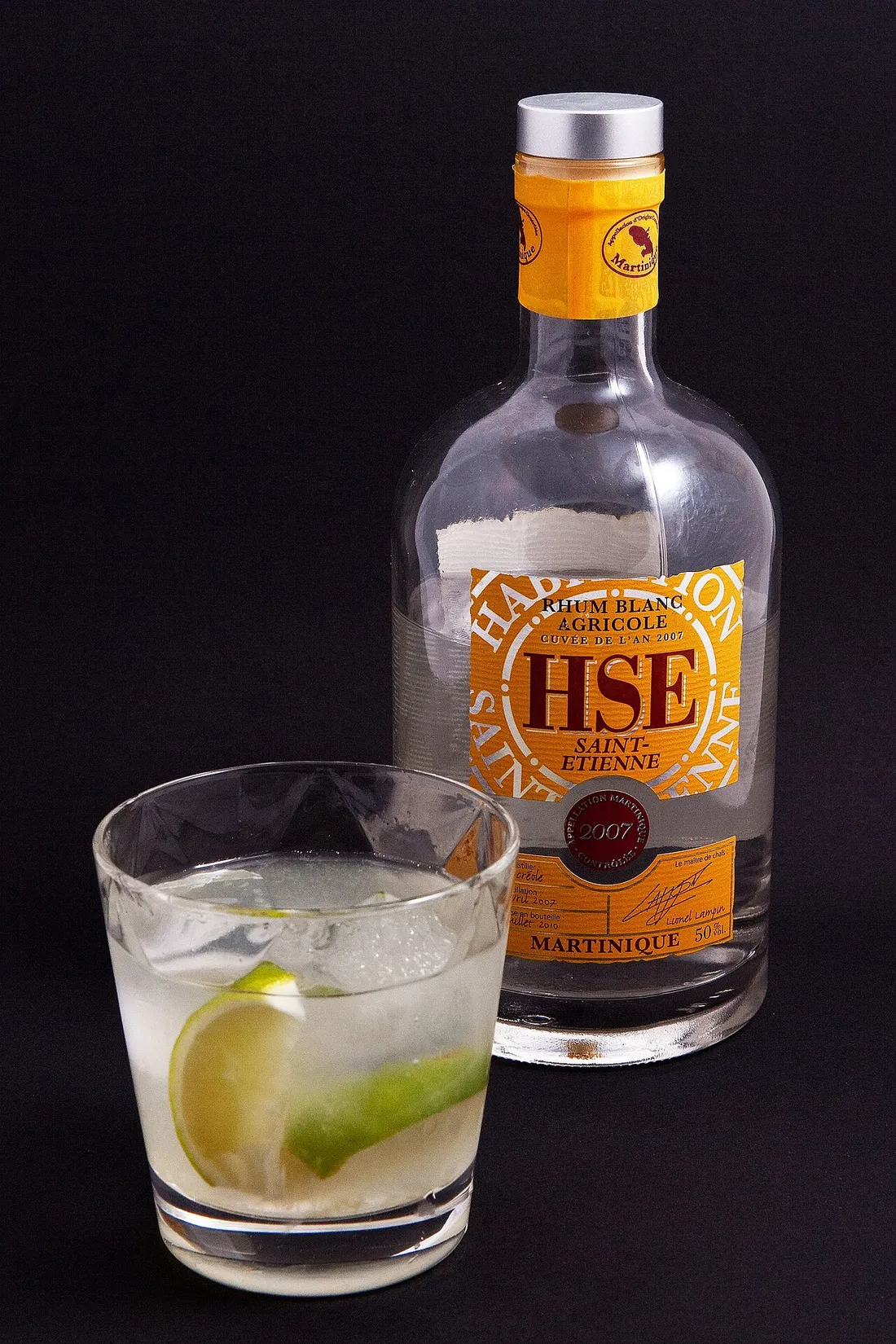
If you had to keep just one image of Martinican conviviality, it would be this one: a small thick glass, a bottle of white rum set in the middle of the table, a cut lime and a jar of cane syrup. No one serves anyone else. Each person mixes their own dose. Here, the ti-punch is not a cocktail you order: it is a gesture you perform yourself, according to your mood and your palate. Understanding this ritual means stepping into Creole culture before you’ve even tasted the first sip.
In this guide, we explain how to prepare a real ti-punch, how to measure it, which white agricole rum to choose, and above all which social codes to know so you don’t come across as a rushed tourist.
What is a ti-punch, really?
The word comes from the Creole “ti” (small) attached to the word “punch.” So it literally means a “little punch.” But don’t be fooled by the diminutive: it’s a short, dry aperitif, very lightly diluted, that favours the character of the rum rather than sugar or ice.
The ti-punch rests on three ingredients and three only:
- Martinican white agricole rum (AOC);
- cane syrup (or a little cane sugar);
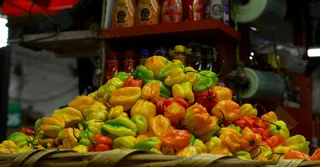
- a piece of lime (the famous “lime,” locally called “ti-citron”).
No pressed juice in quantity, no crushed ice mojito-style, no mint. Sobriety is part of the drink’s identity. In Martinique, a French overseas department and region (DROM) in the Antilles arc, the ti-punch accompanies late afternoons on the terrace, returns from the beach and Sunday family meals.
The ritual: “everyone makes their own”
This is the point that surprises visitors the most. When a Martinican offers you a ti-punch at their home, they don’t hand it to you ready-made. They set the ingredients in front of you and say: “Sèvi’w” (serve yourself). The cultural implication: only the person who drinks knows exactly the dose that suits them.
This autonomy is a mark of respect, not a lack of hospitality. Refusing to serve yourself, or asking the host to “do it for you,” can even be perceived as a small misunderstanding. Serve yourself, adjust, and above all: toast. The “tchin” is done while looking each other in the eyes.
The steps, in order
The order matters. Here is the local sequence, as it is really practised:
- Put the cane syrup at the bottom of the glass (1 to 2 teaspoons depending on taste).
- Squeeze or rub a lime wedge over it, then let it drop into the glass — peel included, for the essential oils.
- Pour the white rum (4 to 6 cl) on top.
- Stir gently with the stick (the “lélé”) or a spoon.
- Drink without ice, at room temperature, in two or three sips.
Sometimes a single ice cube is added, never a mountain. Diluting to excess is betraying the product.
The dosage: the “1-2-3” rule revisited
Many guides recite a “1 sugar, 2 lime, 3 rum” rule. In Martinican reality, it’s more flexible and far drier. Here are concrete benchmarks for an individual glass:
- Cane syrup: 1 teaspoon (purists add barely any);
- Lime: 1 small wedge, just rubbed, not drowned;
- White agricole rum: 4 to 5 cl, the equivalent of a generous splash.
The local ti-punch is deliberately low in sugar and acidity: the aim is to showcase the rum, not to mask it. A local saying sums up the spirit well: “Everyone prepares their own death” — a vivid way of saying that the intensity concerns only the one who drinks.
With or without ice?
Traditionally, the ti-punch is drunk dry, without ice. The “on the rocks” version or one stretched with sparkling water exists (then it’s rather called “ti-punch au frais”), but it is considered a variant, not the reference. It’s up to you: at 30°C in the shade, an ice cube won’t hurt anyone.
Choosing your AOC white agricole rum well
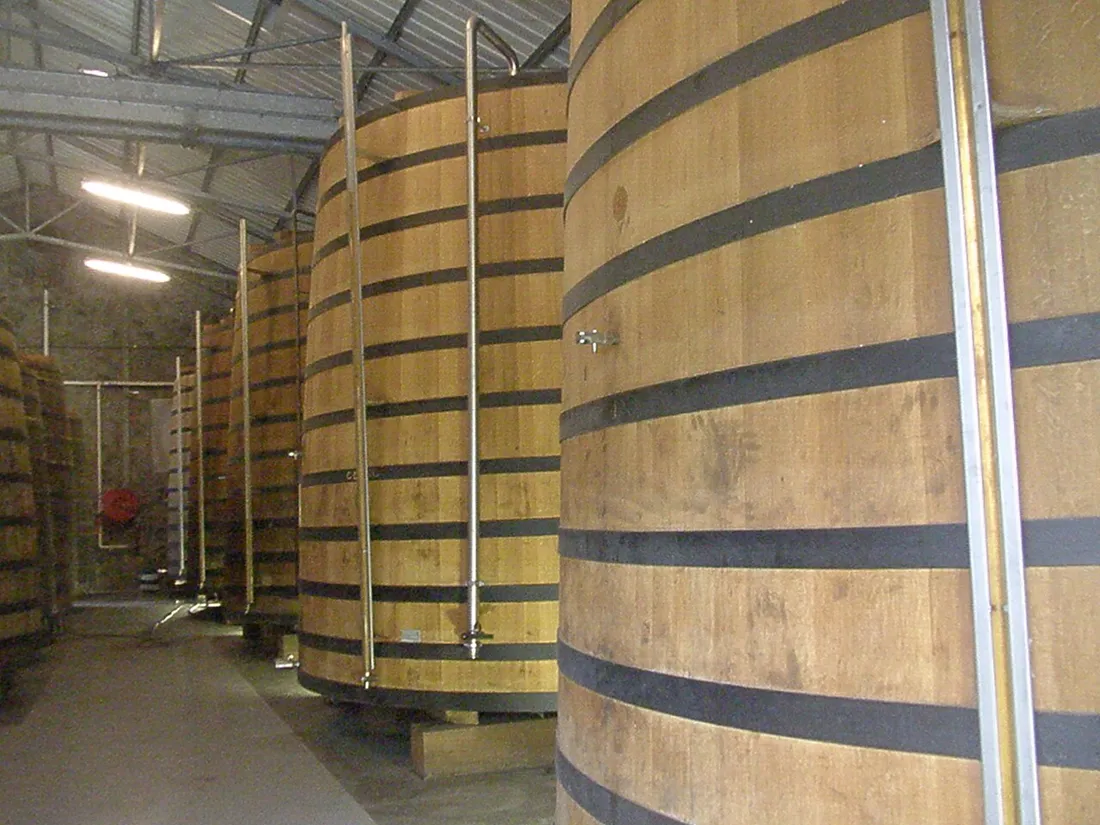
This is where Martinique stands apart from the rest of the world. Agricole rum is made from pure freshly crushed cane juice (the “vesou”), and not from molasses like most industrial rums. Since 1996, the island has benefited from an AOC Martinique that strictly regulates production: it is the only controlled designation of origin for a rum in the world.
For a successful ti-punch, choose a white agricole rum between 50 and 55°, young and aromatic. Here are a few emblematic distilleries you’ll come across on the famous Route des Rhums:
- Clément (Le François) — estate and habitation to visit;
- Depaz (Saint-Pierre) — at the foot of Mount Pelée;
- Saint-James (Sainte-Marie) — renowned rum museum;
- La Mauny and Trois-Rivières (South) — safe bets for the ti-punch.
Expect around 18 to 30 € for a bottle of 50° white agricole rum in a local supermarket, often cheaper than in mainland France. Distillery visits are frequently free or around 5 to 12 € with a tasting. Allow for half a day and a sober driver: a car is strongly recommended to connect the estates, often 20 to 60 minutes of road apart.
When and where to experience the ti-punch?
The best time to enjoy the terraces, beaches and distilleries is the dry season, locally called the Carême, from December to April. The climate is more stable, ideal for stringing together beach in the morning and aperitif at the end of the day. The carnival (February-March) adds an electric atmosphere to the evenings.
A few pairings that work wonderfully:
- A ti-punch on returning from Les Salines in Sainte-Anne, one of the most beautiful beaches in the South;
- A tasting after climbing Mount Pelée and visiting the ruins of Saint-Pierre, listed as UNESCO World Heritage;
- A glass facing the Diamond Rock, at sunset;
- A break after surfing at Tartane, on the Caravelle peninsula.
Note: Martinique runs on the euro, French and Creole are spoken, and the time difference with Paris is -5 h in winter and -6 h in summer. Aimé Césaire airport, in Le Lamentin, drops you off less than 30 minutes from Fort-de-France, the capital (about 360,000 inhabitants on the island). Phone code: +596.
The social codes to know
Beyond the recipe, the ti-punch obeys a discreet but real etiquette:
- You don’t drink your first glass alone without toasting with the group.
- You don’t bluntly refuse an offered ti-punch: a “gladly, but light” is always well received.
- You moderate: the ti-punch is short but strong (45-55°). Two or three are plenty.
- You respect the rhythm: it’s an aperitif, so rather in the late afternoon or before the meal, rarely in the full heat of midday.
- You avoid criticising the host’s rum: the brand chosen is almost a matter of family honour.
And of course, never behind the wheel. On an island where the car is indispensable, designate a driver or arrange accommodation within walking distance of your evening.
Planning your stay with Hostel Toucan
The ti-punch is best savoured when you have a real “home” on site: a terrace to set down the bottle of white rum, a kitchen for the cane syrup, and a strategic location between the southern beaches and the distilleries.
At Hostel Toucan, concierge and seasonal rental service in Martinique, we support travellers with a direct booking with no platform fees, free cancellation up to 7 days before arrival, and WhatsApp assistance 7 days a week for your last-minute questions — including “which distillery should I visit tomorrow?”. Discover our accommodations on the rental in Martinique page and explore our complete guide to Martinique to build your itinerary.
Do you own a property on the island and wish to entrust it to a local team? Our management service is detailed on the owners page.
The ti-punch, in the end, is Martinique in miniature: simple in appearance, demanding on quality, generous in sharing. Make your own, to your own dose. Enjoy your stay, and tchin.
FAQ
Which rum to choose for a ti-punch in Martinique?
A white agricole rum, AOC Martinique, between 50 and 55 degrees, young and aromatic. The brands Clément, Depaz, Saint-James, La Mauny or Trois-Rivières are safe bets. Unlike industrial rums made from molasses, agricole rum is made from pure cane juice, which gives it that lively character ideal for the ti-punch.
What is the right dosage for a ti-punch?
For an individual glass: about 1 teaspoon of cane syrup, a small lime wedge rubbed rather than squeezed, and 4 to 5 cl of white agricole rum. The local ti-punch is deliberately dry and low in sugar, to showcase the rum. The golden rule: everyone adjusts their own dose.
Do you put ice in a ti-punch?
Traditionally no. The ti-punch is drunk dry, at room temperature, in two or three sips. A single ice cube is tolerated in strong heat, but never a mountain of crushed ice: diluting to excess betrays the character of the agricole rum.
When to visit the distilleries of the Route des Rhums?
Preferably during the dry season (the Carême), from December to April, when the climate is stable. Visits are often free or around 5 to 12 euros with a tasting. Allow for half a day, a car and a sober driver, as the estates are 20 to 60 minutes of road apart.