There’s a precise moment when you realize you’ve left mainland France behind: it’s when a Guadeloupean sets down a bottle of rum, a little jar of liquid cane sugar, a few lime wedges in front of you, and then lets you serve yourself. No bartender, no measuring jigger, no ready-made cocktail. Just you, the gesture, and the formula. On this butterfly-shaped archipelago, the ti-punch isn’t a drink: it’s a social ritual, a code, almost a form of identity card. And it’s very easy to get wrong when you don’t know the local rule.
So here, from Sainte-Anne where we live and work all year round, is how to pour a ti-punch like a local, which homemade punch variations to taste, and above all the tourist mistakes that make Guadeloupeans smile (kindly).
What exactly is a ti-punch?
The ti-punch (from “petit punch,” little punch) is the signature drink of the French West Indies. Three ingredients, not one more:
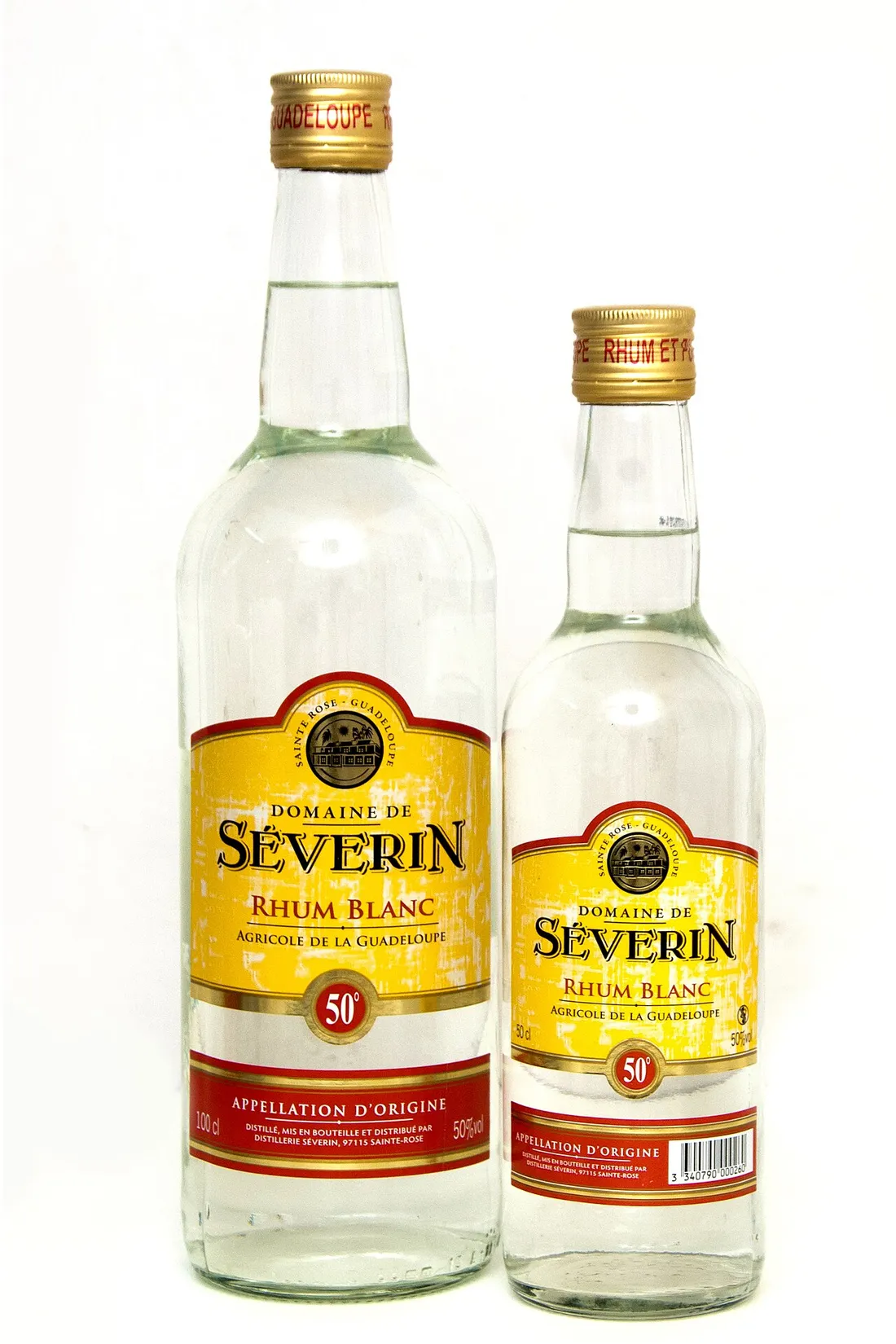
- white rhum agricole (50 to 59% ABV, distilled from pure cane juice, not molasses)
- cane sugar: liquid syrup or crystals, depending on the household
- lime: you mainly use the peel and a splash of juice, never the whole wedge
No crushed ice to drown it all, no fruit juice, no sparkling water. The ti-punch is drunk short, at room temperature or barely chilled, in a small glass. It’s an aperitif, not a long poolside drink.
The key distinction for a visitor: rhum agricole ≠ industrial rum. In Guadeloupe, people drink almost exclusively agricole, more vegetal, drier, with that taste of fresh cane. Marie-Galante, the island of windmills an hour by boat from Pointe-à-Pitre, is its capital, with the Bielle, Bellevue, and Père Labert distilleries.
The local pouring rule
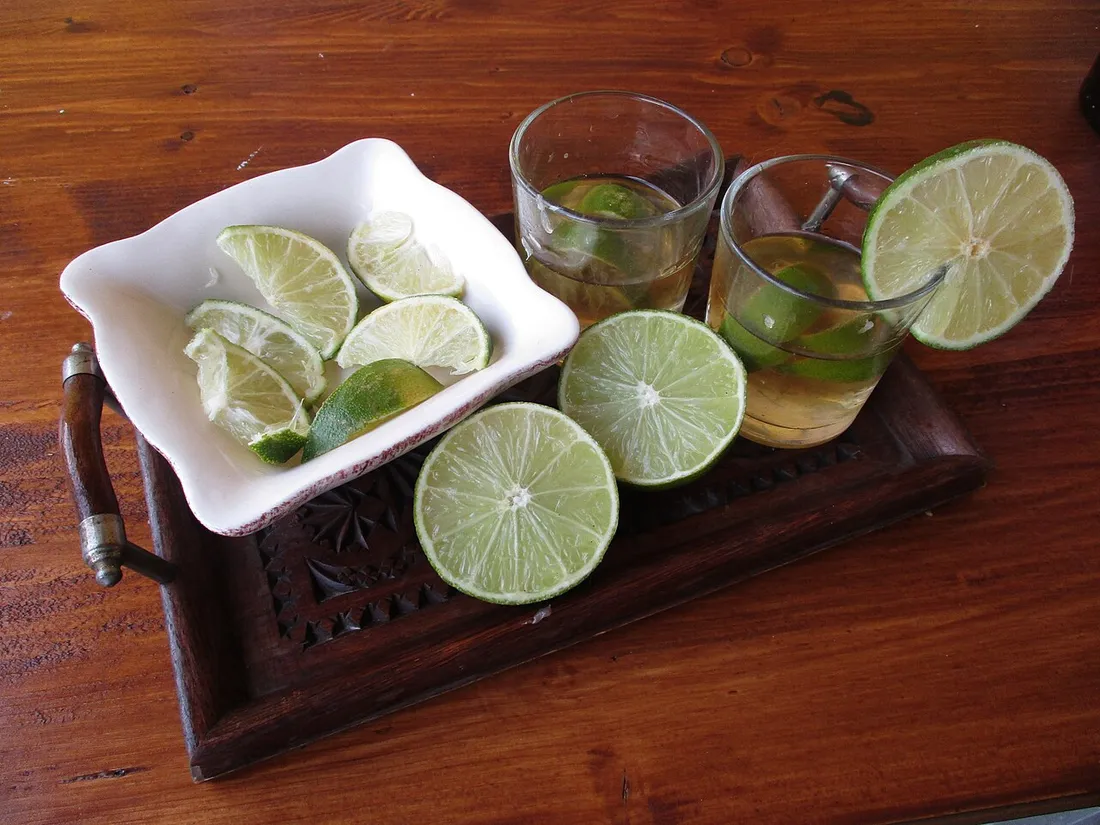
The traditional formula boils down to a phrase you hear everywhere: “each person prepares their own death.” In other words, you don’t pour a guest’s ti-punch; you hand them the ingredients and they sort it out themselves. That’s the first rule, and it’s cultural before it’s technical.
The reference proportions
For an individual glass, here’s the dose considered “right” locally:
- 1 teaspoon of cane sugar at the bottom of the glass (about 1 to 1.5 cl of syrup)
- a splash of lime juice + the zest: squeeze a small wedge, then rub the peel around the rim of the glass and drop it in
- 4 to 5 cl of white rhum agricole poured over the top
- Stir gently to dissolve the sugar — and that’s it
The ratio to remember: plenty of rum, little sugar, just a hint of lime. The sugar is there to round things out, not to make a syrup. The lime to perfume, not to acidify. A good ti-punch stays dry and lets the cane do the talking.
”Sec” vs chilled ti-punch
- Ti-punch sec: no ice, at room temperature. The purist version.
- Ti-punch “with one ice cube”: a single cube, never more, to barely cut the heat without diluting.
Avoid asking for a ti-punch “with lots of ice”: you’ll get lukewarm sugar water.
The homemade punch variations to discover
Beyond the ti-punch, Guadeloupe moves to the rhythm of punchs arrangés: rum steeped with fruits and spices, served sweet and smooth. Every family has its recipe, jealously guarded. Here are the ones you’ll most often be offered.
Coconut punch
Coconut milk, sweetened condensed milk, rum, vanilla, and a touch of cinnamon or nutmeg. Velvety, creamy, dangerously good — and far more treacherous than it looks. It’s the end-of-year festive punch, prepared in large quantities for Creole Christmas meals.
Planteur punch
The famous “planteur”: rum, tropical fruit juices (guava, maracudja/passion fruit, orange, pineapple), cane syrup, and a grating of nutmeg. It’s the most accessible to uninitiated palates, often served as a welcome drink. Beware: its sweetness completely masks the alcohol.
Infused rums (“punch arrangé”)
A bottle of rum in which you let various ingredients steep for several weeks:
- Maracudja (passion fruit) — the most popular
- Pineapple-vanilla
- Ginger-lime — reputed to be tonic
- Bois bandé or spice barks — the “local” version that built its reputation
Allow 3 to 6 weeks of steeping minimum for a good infused rum. The longer it rests, the smoother it gets.
The tourist mistakes to avoid
You see them every week on the terraces of Le Gosier or Saint-François. Nothing serious, but you might as well know them:
- Mixing ti-punch with crushed ice. It’s not a caipirinha. The ti-punch is drunk short.
- Adding the whole lime. Too much acid kills the rum. A splash of juice + the zest is enough.
- Over-sweetening. The “cocktail” reflex makes people pour too much syrup. The ti-punch must stay dry.
- Choosing industrial rum. On the mainland it’s the habit; here, ask for agricole.
- Sipping it like a long drink. A ti-punch is drunk in two or three sips, as an aperitif.
- Underestimating the homemade punches. Coconut and planteur are sweet and smooth: you down three without noticing. At 50-59% ABV, rum doesn’t forgive.
- Driving afterwards. The roads of Basse-Terre and the bends toward the Carbet Falls tolerate no nonsense. The 0.5 g/L rule applies just as everywhere in France.
Where to taste a real ti-punch in Guadeloupe?
A few addresses and experiences to fit into your stay, ideally between December and April (the dry season, the best period):
- Marie-Galante: visit the Bielle or Père Labert distillery, with a tasting on site. Allow a full day from Grande-Terre (boat ~45 min from Pointe-à-Pitre, around €30-40 round trip).
- The markets of Sainte-Anne or Pointe-à-Pitre: producers sell their homemade infused punches there (€8 to €15 a bottle depending on the fruit).
- End-of-day ti-punchs on a beach like the Caravelle in Sainte-Anne or Grande Anse in Deshaies, at sunset.
A good ti-punch generally costs €5 to €8 in a beach bar. A bottle of local rhum agricole starts around €15-20 in supermarkets — often cheaper than on the mainland.
Prepare your Creole aperitif in a Hostel Toucan rental
The real luxury in Guadeloupe isn’t the hotel bar: it’s your private terrace facing the lagoon, with your bottle of rhum agricole brought back from the market and your friends “preparing their own death.” It’s exactly for these moments that our accommodations are designed, from the studio in Sainte-Anne to the villa with a pool in Deshaies.
At Hostel Toucan, you book direct, with no platform fees, with free cancellation up to 7 days before arrival and WhatsApp support 7 days a week — including to point you toward the best distillery or the nearest market to your rental.
- Discover our accommodations in Guadeloupe for your stay
- Plan your trip with our complete Guadeloupe guide
- Own a property on the archipelago? Entrust us with its concierge management
The ti-punch, ultimately, sums up the whole Guadeloupean art of living: simple, generous, fuss-free, and always shared. Once you’ve understood the rule, you’ll never prepare your aperitif the same way again. Chin-chin — or rather, as they say here: here’s to you.
FAQ
What’s the real recipe for a Guadeloupean ti-punch?
Just three ingredients: white rhum agricole (50-59% ABV), cane sugar (syrup or crystals), and lime (a splash of juice + the zest). You add a teaspoon of sugar, a splash of lime, then 4 to 5 cl of rum, and stir. No crushed ice, no fruit juice: the ti-punch is drunk short and dry.
What’s the difference between rhum agricole and industrial rum?
Rhum agricole is distilled from pure fresh cane juice: it’s more vegetal, drier, with a pronounced cane taste. Industrial rum comes from molasses, a by-product of sugar, with a rounder, more neutral flavor. In Guadeloupe, the ti-punch is made almost exclusively with rhum agricole, of which Marie-Galante is the capital (Bielle, Bellevue, Père Labert).
Is the ti-punch strong in alcohol?
Yes, very. Rhum agricole comes in at between 50 and 59% ABV, much higher than a standard table spirit. Since the ti-punch contains neither ice nor juice to dilute it, it stays potent. The sweet homemade punches (coconut, planteur) are even more treacherous because their sweetness masks the alcohol. Drink in moderation and never drive afterwards.
Which homemade punches should you taste in Guadeloupe?
Beyond the ti-punch, taste the coconut punch (coconut milk, condensed milk, vanilla), the planteur (rum and tropical fruit juices), and the infused rums with maracudja, pineapple-vanilla, or ginger-lime. You’ll find them in the markets of Sainte-Anne or Pointe-à-Pitre, between €8 and €15 a bottle.