Foodie Guide to Les Trois-Îlets: Pottery Village, Museums & Creole Cuisine
Published on April 24, 2026 · by Ismael Samuel
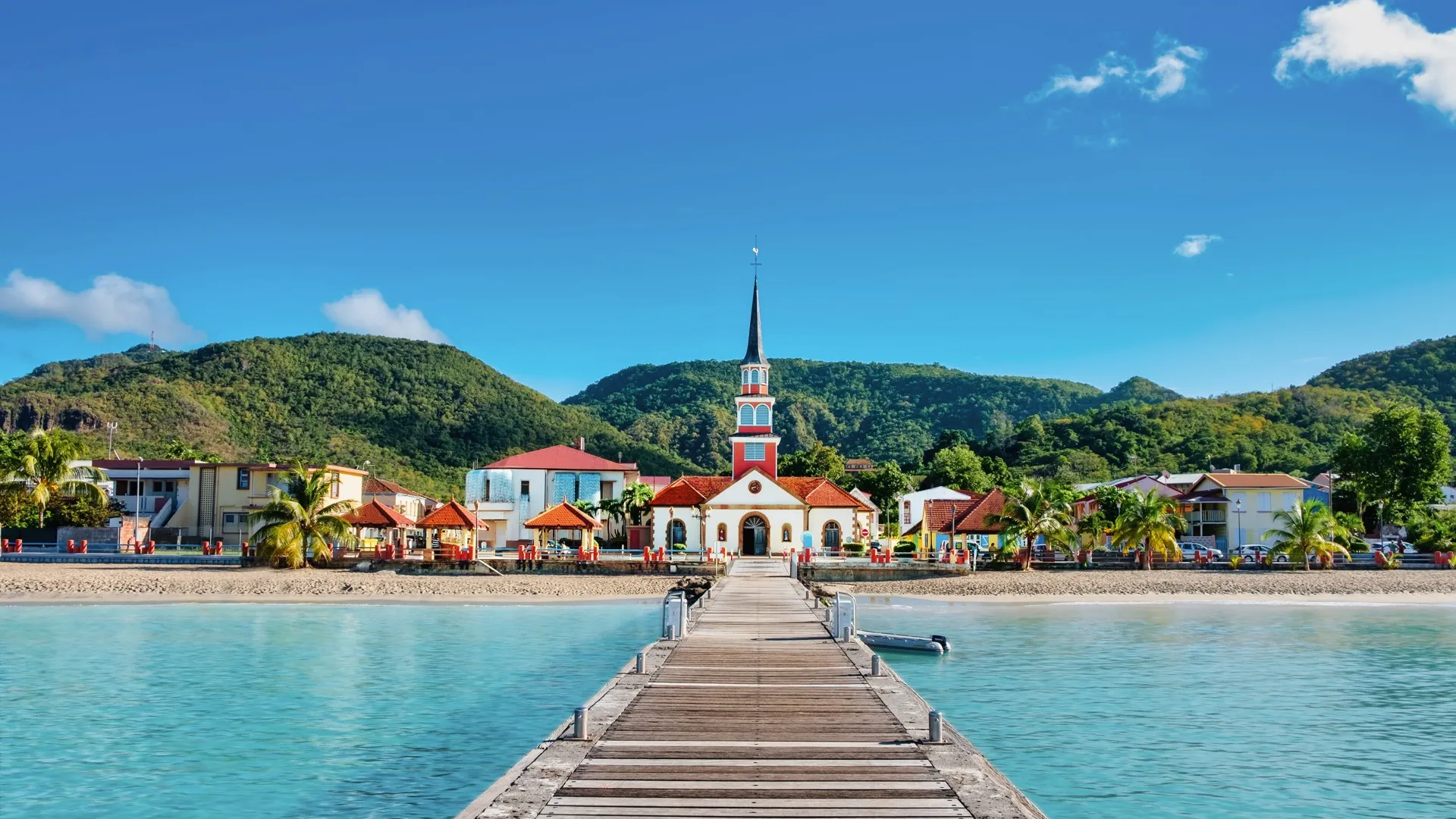
When travellers ask me for a town where you eat well, where you can touch the history of Martinique with your own hands, and where you bring home genuine handmade souvenirs, my answer is immediate: Les Trois-Îlets. Tucked at the back of the bay of Fort-de-France, on the southern shore, this town packs a lot into just a few kilometres: a village of potters where you have lunch between the kilns, an eco-museum that tells the story of the Creole garden and the cooking of yesteryear, the birthplace of Joséphine, and a string of tables where the fish comes straight off the morning ice. Food in Les Trois-Îlets isn’t just a restaurant menu: it’s a whole cultural terroir you can taste. After years living on the island, here is my resident’s itinerary for savouring it without falling into the tourist traps.
Les Trois-Îlets at a glance: location and key facts
Les Trois-Îlets sits right across from Fort-de-France, the island capital, yet away from its bustle, on the southern shore of the bay. Allow roughly 30 to 40 minutes from Aimé Césaire airport in Le Lamentin (~25 km via the N5, outside rush hour), and the seaside South (Sainte-Anne, Le Diamant) is an easy drive away. The town has around 8,000 inhabitants; the island as a whole is home to nearly 360,000.
A few useful pointers for a foodie stay:
Status: a French overseas region (DROM), so the euro, no currency exchange or customs, and an ID card is enough for French nationals.
Languages: French and Martinican Creole. Dialling code: +596.
Time difference: -5h in winter and -6h in summer compared with Paris.
Best time to go: the dry season, known as the Carême, from December to April, perfect for stringing together workshops, museums and terrace lunches. Carnival livens up the island in February-March.
My first piece of advice: rent a car. Between the Pottery Village in the morning, an eco-museum at midday and a seafront table in the evening, a vehicle changes everything; local public transport remains too limited for an à la carte programme. To reach Fort-de-France, on the other hand, leave the car behind: the ferry crosses the bay in about twenty minutes, with no traffic jams.
The Pottery Village: lunch between the brick kilns
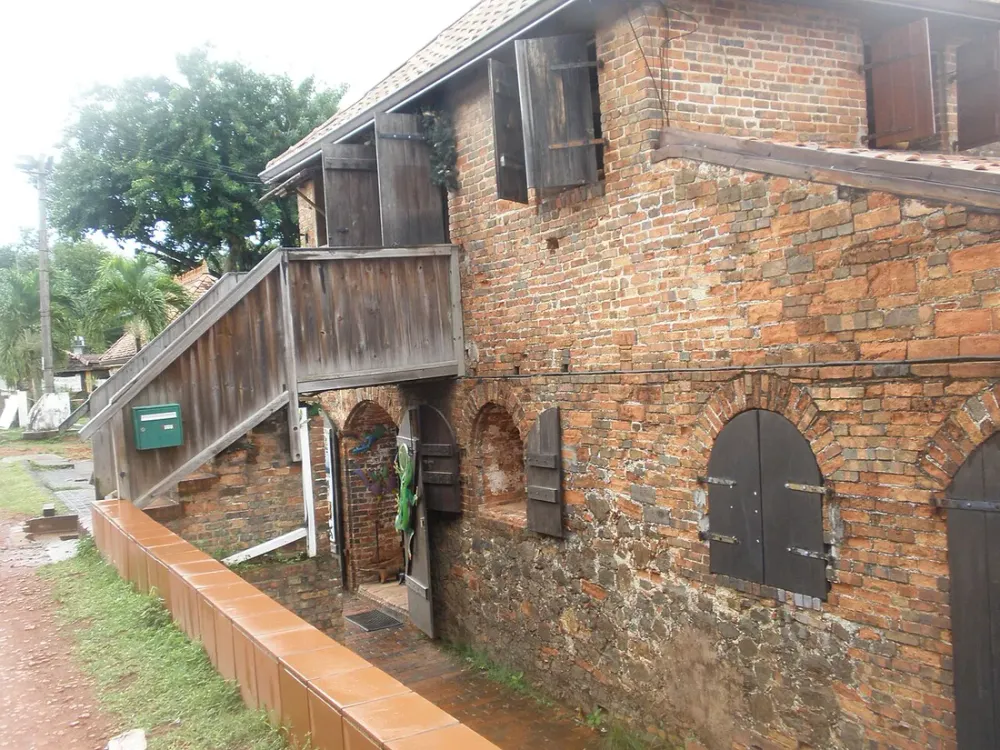
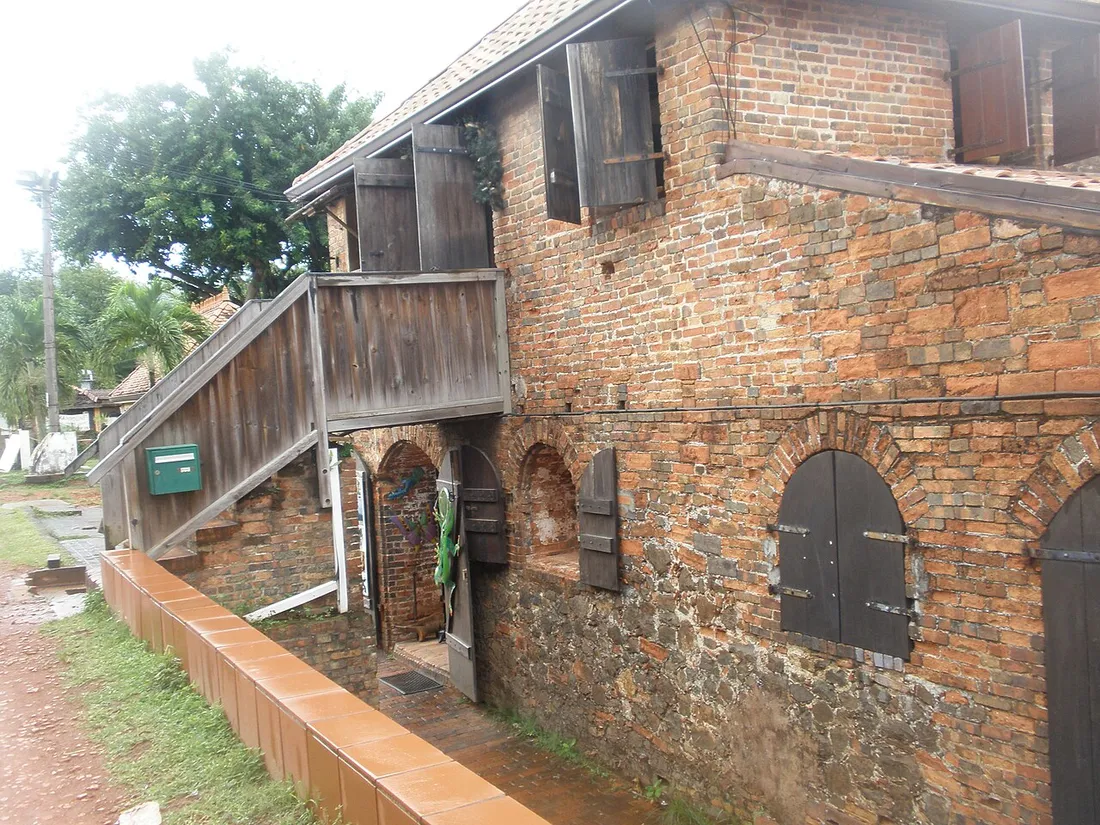
You can’t talk about food in Les Trois-Îlets without starting at the Pottery Village (Village de la Poterie). Set in a former 17th-century brickworks — one of the oldest in Martinique — the site has kept its original brick kilns and massive chimney. Today it’s a living space reclaimed by ceramicists, artisans and designers… and several eateries that make it a genuine foodie stop in its own right.
What I like to do there
Watch the potters at work and wander among the workshops of ceramics, jewellery, soaps and spices; you leave with an authentic souvenir rather than an airport magnet.
Have lunch on the spot: the village is home to restaurants and paillotes serving Creole and bistro-style cooking in a leafy setting. Expect €16 to €28 per dish depending on the address, more for a gastronomic table.
Stock up on spices and treats: local jams, cane syrup for ti-punch, local chocolate, colombo powder. Budget €6 to €10 for a bag of spices, €8 to €12 for a jar of artisanal jam.
My on-the-ground tips
Entry to the village is free: you only pay for your purchases or your meal. Allow 1 to 2 hours on site if you have lunch there.
Come mid-morning to see the artisans at work; some workshops slow down in the early afternoon.
Book your table at weekends and in high season (December-April): the village’s good addresses fill up fast at lunchtime.
Try a fresh cane juice or a house planteur on the terrace: it’s the ideal break between two workshops.
The Pottery Village captures the whole spirit of the town: you eat, you shop, you grasp a still-living tradition, all in one place steeped in history.
Savane des Esclaves: Creole cuisine at the source
A few minutes away, the Savane des Esclaves is, to me, the most striking visit in Les Trois-Îlets for anyone wanting to understand where Martinican cooking comes from. This park-eco-museum recreates a full-scale Caribbean village of old: wattle huts with thatched roofs, an educational trail on slavery and the island’s history, and above all a magnificent Creole garden.
It’s this garden that speaks to the food lover. Here, explained by the guides, you discover the plants that still make up today’s Creole plate:
Local vegetables: yams, dasheen (madère), chayote, breadfruit, giraumon (Caribbean pumpkin).
Spices and aromatics: bois d’inde (West Indian bay), seasoning pepper, ginger, roucou (annatto), chives and other herbs from the “ti-jardin”.
Medicinal plants: the famous “thés-pays” (local herbal teas) and Creole remedies handed down from generation to generation.
Fruit trees: mango trees, soursop trees, banana plants and sugar cane.
Understanding this garden before heading to the market or a restaurant completely changes how you read a Creole menu. You no longer look at a colombo or a blaff the same way once you’ve seen its ingredients grow and heard the story behind them.
Practical info:
Indicative price: around €10 to €14 per adult, reduced rate for children.
Duration: about 1h30, self-guided or with a guide.
Tip: combine the Savane des Esclaves and the Pottery Village in the same morning, they’re neighbours and complement each other.
La Pagerie museum: in Joséphine’s footsteps
To add historical depth to your stay, take a detour to the La Pagerie museum, set on the town’s green heights. This is where, in 1763, Marie-Josèphe Rose Tascher de la Pagerie was born — the future Joséphine de Beauharnais, wife of Napoleon and Empress of the French.
The museum occupies the remains of the family’s former sugar estate: the old stone kitchen, turned into a museum space, gathers period furniture, letters and personal belongings, while the ruins of the mill and the sugar works can be glimpsed beneath the vegetation. Beyond the imperial anecdote, the visit sheds light on the colonial sugar economy and the slave system that underpinned it — in other words, the historical roots of agricultural rum and of the whole Creole culture we taste today.
Indicative price: around €6 to €8 per adult, reduced rate for children.
Duration: 45 minutes to 1 hour, in a peaceful, shaded setting.
Restaurants in Les Trois-Îlets: where to eat Creole from the Pointe to the bourg
Now for the main course. To choose a restaurant in Les Trois-Îlets, I think by area, because the atmosphere and the budget vary a lot from one neighbourhood to the next.
La Pointe du Bout and Anse Mitan: dining at the water’s edge
La Pointe du Bout and Anse Mitan concentrate the tables facing the sunset, perfect for a dinner looking out over the lights of Fort-de-France. You’ll find both fish restaurants and more international tables. On the menu of the good addresses:
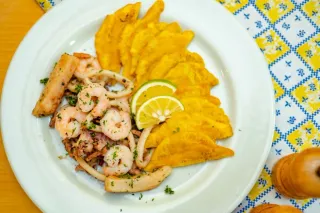
Grilled catch of the day (snapper, mahi-mahi) with chayote gratin and rice, around €20 to €28.
Fish blaff or Creole court-bouillon, simmered with lime and bois d’inde, €18 to €24.
Fricassée of chatrou (octopus) or of conch in season, €22 to €30.
The must-have salt cod accras as a starter, €7 to €9 per portion.
Budget an average of €35 to €50 per person with a starter, a main and a ti-punch, more for grilled spiny lobster (often at market price).
The bourg and Anse à l’Âne: lolos and family tables
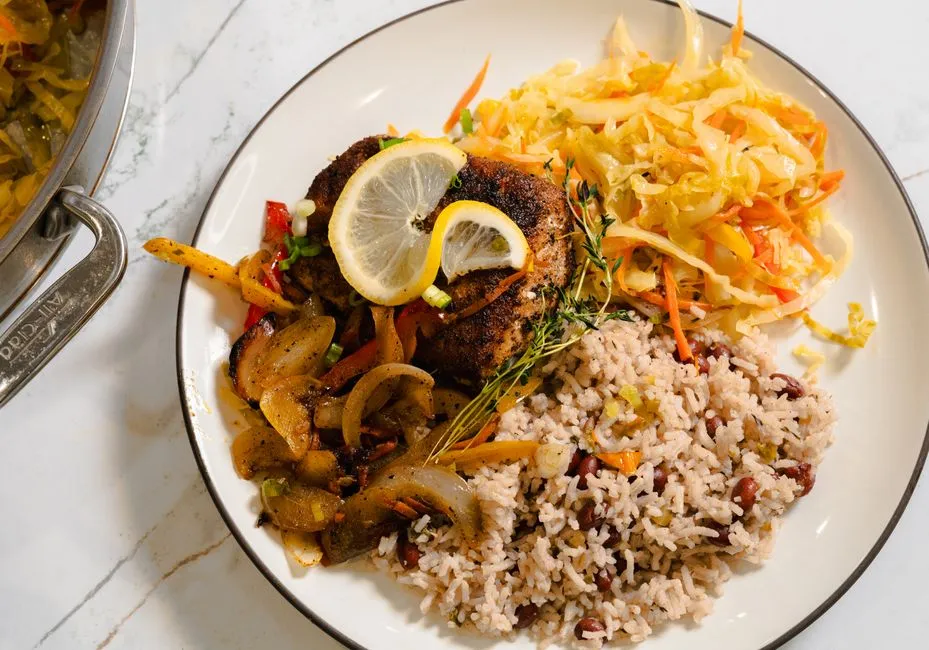
For more authentic, cheaper eating, I head to the bourg of Les Trois-Îlets and Anse à l’Âne, where you still find lolos, those little Creole paillotes with a family feel. The dish of the day runs around €12 to €18: smoked chicken, goat colombo, fricassée of chatrou, served with rice, lentils and yellow plantains. This is often where you eat best, elbow to elbow with the Martinicans.
My local instincts for choosing well:
Spot the tables where the locals eat: that’s the best sign of quality.
Ask for the fish of the day rather than the fixed menu: it’s what arrived that morning.
Finish with a Creole dessert: tourment d’amour, coconut blanc-manger or homemade coconut flan.
Pair it with a ti-punch made with AOC agricultural rum — the island’s emblematic aperitif, to be sipped in moderation if you’re driving.
A word on this rum: Martinican agricultural rum holds the only rum AOC in the world (1996 decree). Distilled from pure fresh cane juice, not molasses, it offers those characteristic herbaceous aromas. The Rum Route (Clément and the Habitation Clément in Le François, Depaz in Saint-Pierre, Saint-James in Sainte-Marie, La Mauny and Trois-Rivières in the South) is easily reached from Les Trois-Îlets to extend the foodie experience.
Cooking your own finds: the asset of a rental with a fitted kitchen
If there’s one thing I recommend to food lovers, it’s to cook on the spot. Between the spices from the Pottery Village, the local fruit from the bourg’s stalls and the fishermen’s catch, a rental with a fitted kitchen transforms the stay. Nothing beats a colombo simmered with your own spices, or a fish court-bouillon bought that very morning, enjoyed on the terrace at sunset.
At Hostel Toucan, we manage holiday rentals ideally located in and around Les Trois-Îlets, many of them with a real kitchen and a terrace to make the most of your market finds. By booking directly with us, you enjoy:
Direct booking with no platform fees: you pay the fair price, not a booking giant’s commission.
Free cancellation up to 7 days before arrival, because a stay in the Caribbean should stay flexible.
7-day WhatsApp support: where to dine tonight, which pottery workshop to favour, the best time slot for the Savane des Esclaves? We know the ground and we share our addresses.
Here’s how I structure a day of flavours and culture in Les Trois-Îlets:
Morning: the Pottery Village to wander among the workshops, buy spices and jams, and drink a fresh cane juice.
Late morning: Savane des Esclaves, a visit to the Creole garden to understand the ingredients of local cooking.
Midday: lunch in a lolo of the bourg or of Anse à l’Âne, goat colombo or fricassée of chatrou.
Afternoon: La Pagerie museum for the story of Joséphine and the sugar estate, then a swim at Anse Mitan.
Evening: dinner at the water’s edge in La Pointe du Bout, grilled catch of the day and a ti-punch facing the sunset.
Les Trois-Îlets is gourmet Martinique in its most complete form: a village that smells of clay and spices, a Creole garden that tells the story of the plate, a history-laden estate and tables where the fish has never seen a freezer. Drop your bags here, and let your palate travel.
FAQ
What to do in Les Trois-Îlets for a foodie and cultural stay?
Start with the Pottery Village in the morning for the artisan workshops, the spices and a lunch between the brick kilns. Continue with the Savane des Esclaves and its Creole garden, then the La Pagerie museum for the story of Joséphine. Finish with a Creole dinner at the water’s edge in La Pointe du Bout. Allow a full day to combine everything without rushing.
Can you eat at the Pottery Village in Les Trois-Îlets?
Yes. Entry to the village is free and the site is home to several restaurants and paillotes serving Creole and bistro-style cooking in a leafy setting, around €16 to €28 per dish. It’s a genuine foodie stop, where you lunch among the ceramicists’ workshops before leaving with spices, local jams or a handmade item. Book at weekends in high season.
What budget should I plan for a restaurant in Les Trois-Îlets?
It depends on the area. At the tables of La Pointe du Bout and Anse Mitan, expect €20 to €28 per dish and an average budget of €35 to €50 per person with a starter, a main and a ti-punch. In the lolos of the bourg and Anse à l’Âne, the dish of the day runs around €12 to €18, for home-style cooking that’s often more authentic and cheaper.
What is the best time to discover the food of Les Trois-Îlets?
The dry season, known as the Carême, from December to April, is ideal: clear skies, pleasant terraces and a lively atmosphere to enjoy the markets, workshops and seafront tables. Carnival livens up the island in February-March, with festive food everywhere. Book your rental and your tables in advance, as it’s the most sought-after time of year.
Nous utilisons des cookies de mesure d'audience et de publicité pour améliorer votre expérience
et nos campagnes. Vous pouvez accepter ou refuser. Voir notre
politique de confidentialité.