When you live in French Guiana, you quickly learn that the great dates on the national calendar are not lived quite the same way as in mainland France. Bastille Day (14 July), New Year’s Eve or the Fête de la Musique take on a special colour here: a blend of republican tradition, Creole rhythms, Bushinenge and Amerindian flavours, all under an equatorial heat that invites you to celebrate outdoors, late into the night. For a visitor, arriving at the right moment means discovering an authentic French Guiana, far from the clichés about the rocket and the rainforest.
Here is an insider’s overview of these highlights and what they mean in practical terms when you’re planning your stay.
Bastille Day in French Guiana: between the Republic and the neighbourhood party
The national holiday falls right at the start of the dry season (mid-July to mid-November), the best time to visit the department. The rains grow scarce, the tracks become passable again, and the atmosphere in the towns changes completely.
Fireworks over the Cayenne harbour
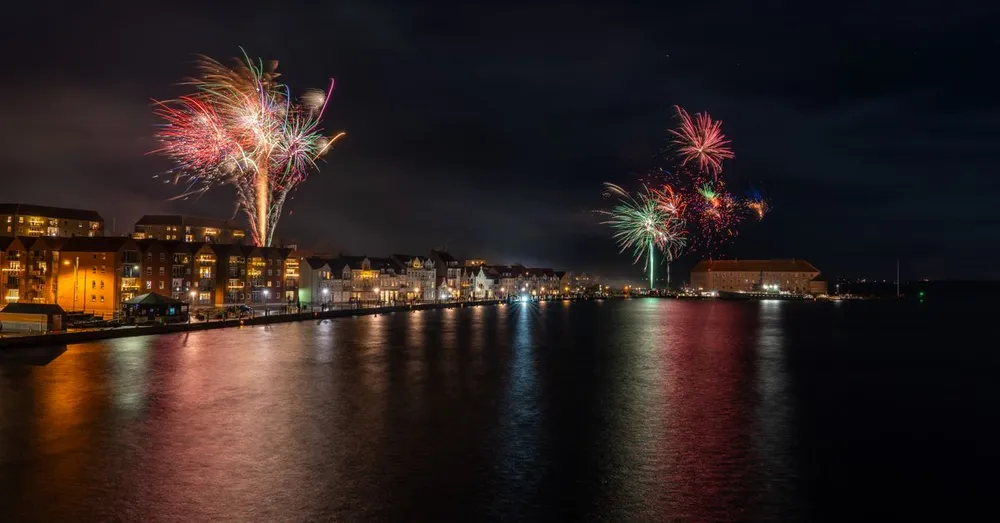
In Cayenne, the unmissable event on the evening of the 13th is the fireworks display set off above the seafront, usually visible from the harbour, the Old Port area and the quays. The crowd gathers in the late evening, around 8–9 pm, enjoying the relative coolness after the heat of the day. Families settle in early with coolers and folding chairs; street vendors offer cane juice, skewers and bokits.
Other coastal towns hold their own displays:
- Kourou: fireworks often visible from the beach, a stone’s throw from the Guiana Space Centre.
- Saint-Laurent-du-Maroni: a riverside atmosphere, with the Maroni as a backdrop and Suriname on the far bank.
- Rémire-Montjoly and Matoury: more local celebrations, ideal for avoiding the Cayenne crowds.
A resident’s tip: arrive 45 minutes early, as parking around the Cayenne harbour fills up very quickly. Park a little farther out (towards Place des Palmistes) and finish on foot.
The parade and the official ceremony
The morning of the 14th makes way for official ceremonies: a military and gendarmerie parade, the presence of the 3rd Foreign Infantry Regiment (3e REI) based in Kourou, and the raising of the colours. It’s more formal, but the atmosphere stays relaxed and family-friendly. Plan to come early in the morning to enjoy the cool air, because by 10 am the heat rises fast.
Neighbourhood balls: the true heart of the celebration
If the fireworks are the showcase, the balls are the soul of the celebration in French Guiana. In the Creole tradition, the neighbourhood ball sets the rhythm for big occasions: people dance the zouk, the biguine, the kaséko (the quintessential Guianese Creole music, with drums and brass) and the aléké among the Bushinenge communities of the Maroni.
What to know before you step through the door of a ball:
- The balls start late, often after 9 pm, and carry on until the early hours.
- Admission is generally modest (around €5 to €15), sometimes free for community neighbourhood balls.
- The atmosphere spans the generations: grandparents, parents and children dance together.
- The kaséko is danced in a group, to lively percussion; don’t hesitate to join in — someone will show you the steps.
To experience this fully immersed, it’s best to stay as close as possible to the lively towns. That’s the whole point of a well-located place to stay: our accommodation in French Guiana puts you within walking distance of the buzzing neighbourhoods, rather than a 30-minute drive away.
A Guianese-style New Year’s Eve
Spending New Year’s Eve in French Guiana means swapping the cold and the coats for a tropical night at 26°C. December–January is admittedly a wetter season, but that takes nothing away from the festive spirit.
A blended table
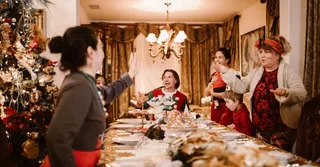
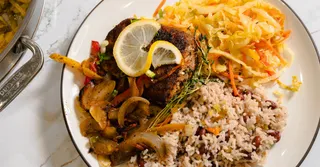
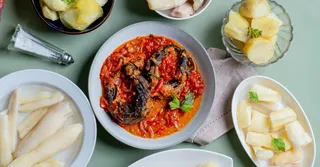
The Guianese New Year’s Eve revolves around a table that tells the story of the territory’s blended heritage:
- The bouillon d’awara, an emblematic dish traditionally served at Easter but also found at big festive gatherings.
- The Creole pâté, a must-have of the end-of-year holidays.
- Seafood, river fish, game and accras.
- All washed down with planteur and ti-punch made with local rum.
On the music side, the chanté Nwèl (Creole Christmas carols) liven up December evenings, in a warm atmosphere blending reworked hymns with Caribbean rhythms.
Fireworks and the atmosphere of the 31st
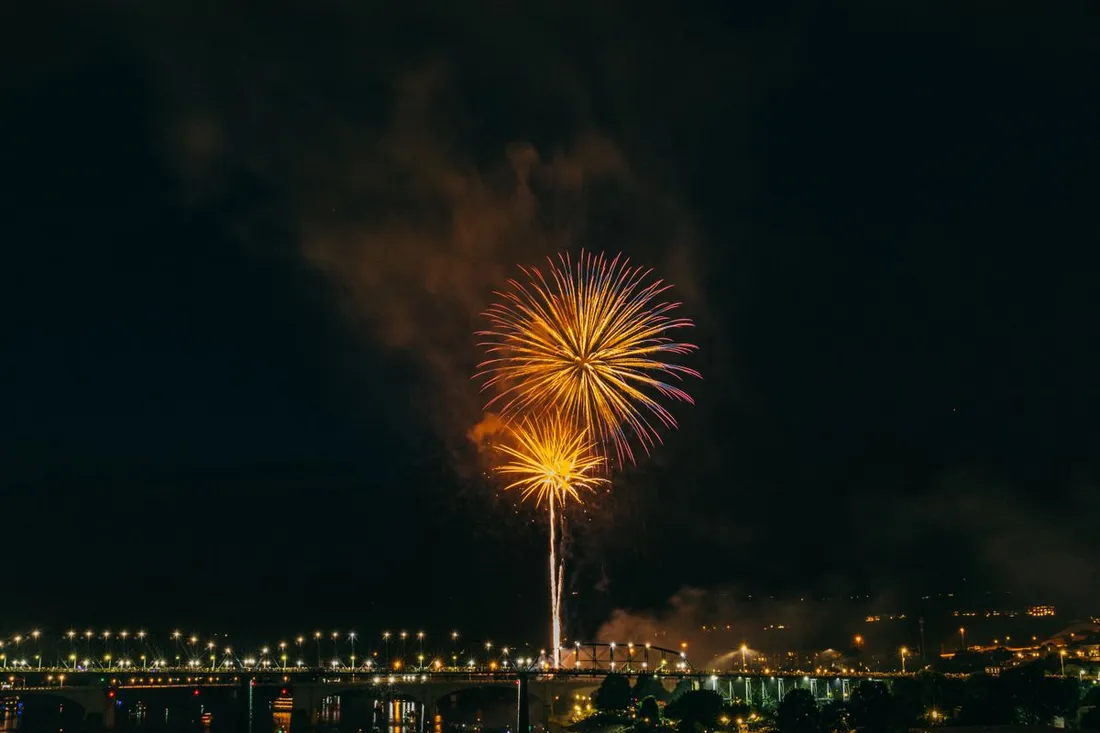
At midnight, firecrackers and improvised fireworks crackle all along the coast. The beaches of Montjoly and the neighbourhoods of Cayenne light up more spontaneously than on Bastille Day. It’s less organised, more grassroots, and genuinely endearing.
When to come: the tourist season decoded
The great advantage of Bastille Day is that it opens the high tourist season, which coincides with the dry season.
| Period | Weather | Visitor numbers |
|---|---|---|
| Mid-July to mid-November | Dry season, ideal | High season, book early |
| December to January | New Year’s, wetter | Peak of local festivities |
| February to March | Guianese Carnival | Strong demand |
| April to mid-July | Rainy season | Low season, gentle prices |
In practical terms, if you’re aiming for Bastille Day, you’ll enjoy a mild climate to line up the must-sees: a free visit to the Guiana Space Centre in Kourou (booking required, and with a bit of luck an Ariane 6 or Vega launch), an excursion to the Îles du Salut (about 1h15 by catamaran from Kourou, 60 km from Cayenne), wildlife watching at daybreak in the Kaw marshes (about 1h30’s drive from Cayenne), or a trip up the Maroni River by pirogue from Saint-Laurent (250 km from Cayenne, a 3-hour drive).
A few practical pointers
- A car is essential: budget around €40 to €60 a day for a rental, to be booked well in advance for July.
- Yellow fever vaccination is mandatory to enter the territory.
- Time difference: -5h in winter, -6h in summer compared with Paris.
- Dialling code: +594; currency: the euro; languages: French, Creole, Bushinenge and Amerindian languages.
Booking your stay for the highlights: our advice
Bastille Day, New Year and Carnival are the three periods when accommodation fills up fastest in French Guiana. Flights to Félix-Éboué airport (Matoury) climb in price, and the best places to stay in Cayenne, Rémire-Montjoly or Kourou often sell out two to three months in advance.
A few reflexes so you don’t get caught out:
- Lock in the accommodation before the flight if possible: it’s the scarcest link in high season.
- Favour a central location to reach the fireworks and balls without depending on a long night-time drive.
- Check the cancellation terms: an unexpected hitch with a flight to French Guiana happens fast.
At Hostel Toucan, we’re local hosts and we manage our properties from A to Z. Booking direct, with no platform fees, saves you money on every night. You benefit from free cancellation up to 7 days before arrival and WhatsApp assistance 7 days a week: we’ll tell you where to watch the fireworks, which neighbourhood ball is worth the detour that particular year, and how to avoid the evening traffic jams. To plan the rest of your trip, our complete guide to French Guiana gathers all the must-sees, from the leatherback turtles of Awala-Yalimapo to the Hmong village of Cacao.
And if you own a property here that you’d like to make profitable during these peak periods, our concierge service for owners takes care of everything, from welcoming guests to cleaning.
In summary
Living Bastille Day in French Guiana means embracing a reinvented national holiday: fireworks over the harbour, a morning parade, then neighbourhood balls where the kaséko takes over until dawn. Add to that a tropical New Year’s Eve, a blended table and the kick-off of the dry season, and you have one of the best windows for discovering the department. All that’s left is to book early enough, in the right spot, and let yourself be carried along by the local rhythm.
FAQ
Where can I watch the Bastille Day fireworks in French Guiana?
In Cayenne, the fireworks are set off above the seafront and are clearly visible from the harbour and the Old Port quays, usually in the evening around 8–9 pm. Other towns such as Kourou (from the beach), Saint-Laurent-du-Maroni (on the banks of the Maroni), Rémire-Montjoly and Matoury also hold their own displays. Arrive early, as parking around the Cayenne harbour fills up fast.
Is Bastille Day a good time to visit French Guiana?
Yes, it’s actually one of the best. Bastille Day opens the dry season (mid-July to mid-November), the ideal time to visit: spaced-out rains, passable tracks and easier access to the Îles du Salut, the Kaw marshes or the Maroni River. It’s also the high tourist season, so you should book your accommodation and flight several months in advance.
What is a neighbourhood ball in French Guiana?
It’s a popular dance party, at the heart of the Guianese Creole tradition, held on big occasions like Bastille Day. People dance the zouk, the biguine and above all the kaséko, the local music driven by drums and brass. The balls start late (after 9 pm), admission is modest (often €5 to €15) and the atmosphere is multigenerational and welcoming.
Do I need to book far in advance for Bastille Day in French Guiana?
Yes. Bastille Day, New Year and Carnival are the periods when accommodation fills up fastest. The best places to stay in Cayenne, Rémire-Montjoly and Kourou often sell out two to three months in advance, and flight prices to Félix-Éboué airport climb. Book your accommodation even before your flight, and favour flexible cancellation terms.