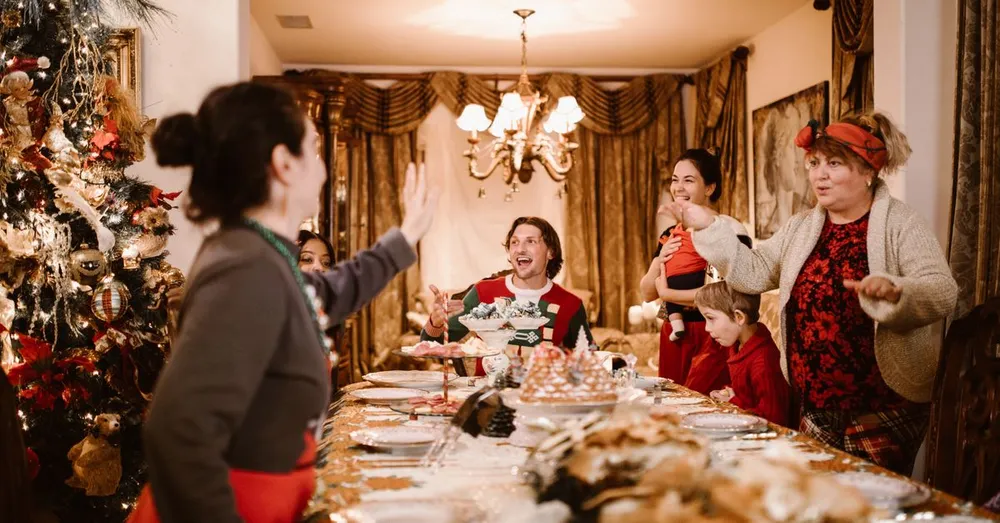
In French Guiana, December is like no other month of the year. No snow, no bundled-up Christmas markets here: year-end festivities unfold at 30 °C, windows wide open, to the rhythm of the Nwel carols echoing from one house to the next. And at the heart of this fervor, one drink reigns over every table: chodo, that silky Creole eggnog served warm to guests. If you’re planning a stay in France’s only South American department between late November and early January, you’ll arrive in the thick of the sweet season. Here, lived from the inside, is what gives a Guianese December its rhythm.
Chodo, the star of Guianese festivities
Chodo (sometimes spelled “chaudeau”) is the local equivalent of eggnog, but with an unmistakably Creole signature. It’s made with sweetened condensed milk, egg yolks, nutmeg, cinnamon, lime zest and, often, a generous splash of agricultural rum. Everything is heated gently, never to a boil, until it reaches a coating, velvety texture.
Why chodo is everywhere in December
As soon as the first Christmas carol rehearsals begin in late November, chodo makes its appearance. It’s the drink offered to the singers who come to liven up the evenings, to neighbors passing by, to the gathered family. Served warm in small glasses, it embodies Guianese hospitality. An alcohol-free version exists for children: simply replace the rum with a little more vanilla and nutmeg.
The homemade snack version
If you’re staying in a guesthouse or independent accommodation, give it a try: chodo takes just 20 minutes to make. Here are the proportions for 4 glasses:
- 1 can of sweetened condensed milk (about 400 g)
- 3 egg yolks
- 1 lime zest
- 1 pinch of grated nutmeg and cinnamon
- 1 split vanilla pod
- 2 tablespoons of agricultural rum (optional)
Whisk the yolks, add the milk and the aromatics, and heat over very low heat, stirring constantly. Serve warm. Expect to spend around €3 to €5 on ingredients at the Cayenne market.
Nwel carols, the soul of December
You can’t talk about Guianese festivities without mentioning the chanté Nwel. This tradition, shared with the French West Indies, brings together families, neighbors or colleagues to sing Creole carols in chorus, accompanied by drums, the chacha (maracas) and sometimes the accordion.
How a chanté Nwel evening unfolds
These evenings are organized throughout December, often on weekends. Everyone sings the classics that all know by heart, the refrains roll on for hours, and between two songs people share chodo, savory pâtés and sweet treats. The atmosphere is warm, intergenerational, and visitors are welcomed with genuine warmth.
A few pointers to make the most of it:
- Where: in the towns of Cayenne, Rémire-Montjoly, Matoury and Kourou, cultural associations and parishes organize open evenings.
- When: throughout December, peaking in the final two weeks.
- How much: most neighborhood gatherings are free or by voluntary contribution; some indoor concerts run around €10 to €20.
Did you know
French Guiana, a French overseas department of about 290,000 inhabitants, is multilingual: French, Guianese Creole, Bushinenge and Amerindian languages are all spoken here. Nwel carols often blend these influences, giving December a unique flavor, halfway between South America and the Caribbean.
The treats that accompany the season
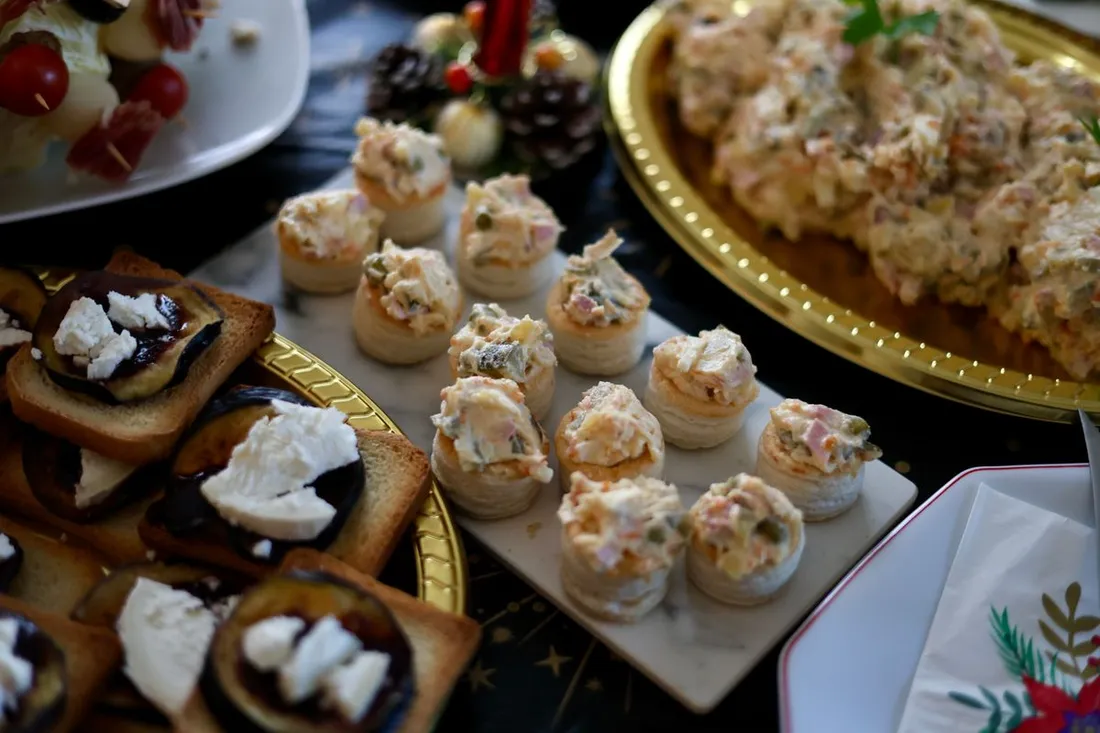
Chodo is never alone. The December table overflows with sweet and savory specialties enjoyed between two songs or at the Christmas Eve feast.
Creole pâté, a Christmas must
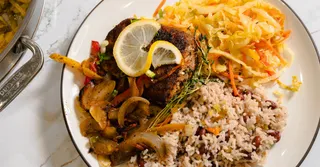
The absolute star of the Christmas Eve feast, the Creole pâté en croûte (with spiced pork or chicken, raisins, olives) is enjoyed warm. Every family has its own recipe. You’ll find it at the Cayenne market from mid-December, for around €3 to €6 a portion.
Syrup and local confections
On the sweet side, you’ll find:
- Tropical fruit jams (guava, passion fruit, June plum).
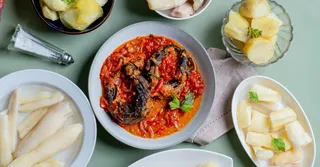
- Sweet potato cake or coconut blancmange, velvety coconut-based desserts.
- Cacao confections: in Cacao, a village of the Hmong community an hour from Cayenne, the Sunday market overflows with sweets and Asian soups, a cultural blend that is quintessentially Guianese.
King cake, the Creole version
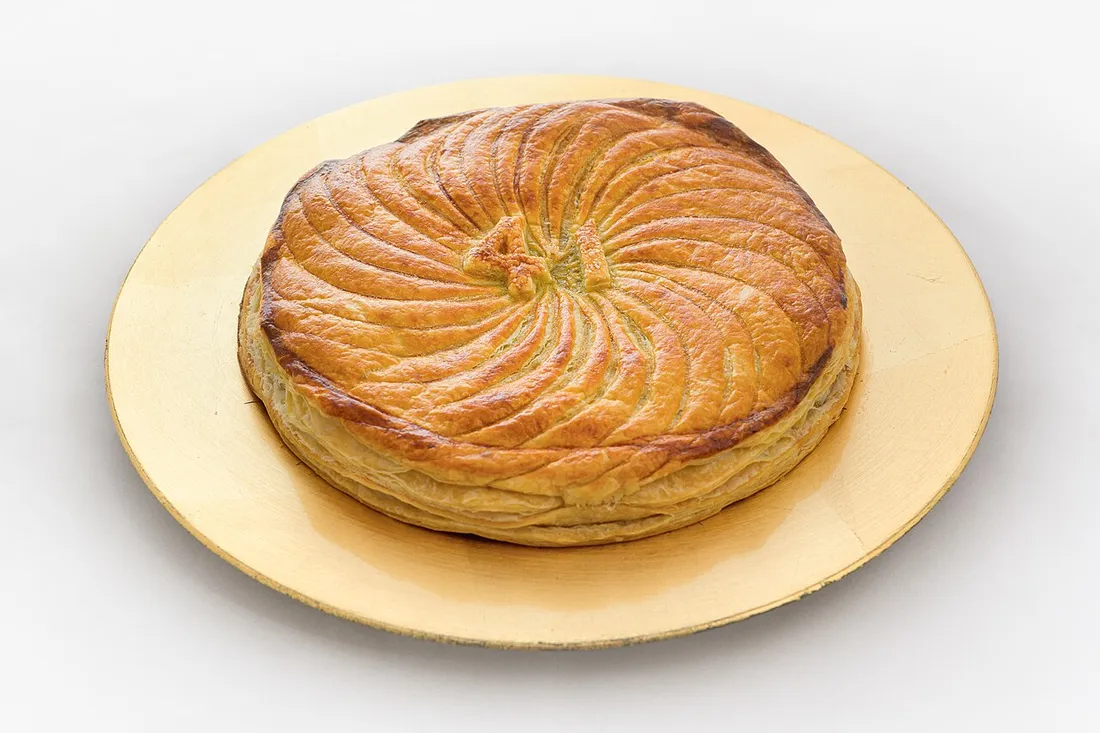
Once the Christmas Eve feast is over, Epiphany prolongs the celebration. In French Guiana, the king cake coexists with brioche-style Creole versions scented with rum and citrus zest. Bakeries in Cayenne, Matoury and Kourou offer it throughout January, generally between €12 and €25 depending on size. A lovely chance to keep the festive spirit going into the heart of the austral winter.
Planning your December stay in French Guiana
December falls in the rainy season (the dry season, ideal for hiking and lazing around, runs from mid-July to mid-November). But don’t let that put you off: the downpours are often brief and intense, followed by beautiful clear spells, and the festive atmosphere more than makes up for it.
Practical pointers
- Flights: arrival at Félix-Éboué airport in Matoury, 15 km from Cayenne.
- Time difference: -5h in winter compared to Paris (-6h during mainland summer). Dialing code: +594.
- Currency: euro. Health: yellow fever vaccination required.
- Getting around: a car is essential; budget €35 to €50 a day for rental.
What to do between celebrations
Even in December, the must-sees remain accessible:
- Guiana Space Center in Kourou (free visit by reservation, with the chance to witness an Ariane 6 or Vega launch), 1 hour from Cayenne.
- Îles du Salut (Salvation Islands), reachable by catamaran from Kourou.
- Kaw marshes for a caiman outing by dugout canoe.
- Saint-Laurent-du-Maroni and its Camp de la Transportation (a relic of the penal colony), 3 hours by road to the west.
- Cayenne market and Place des Palmistes for the festive city atmosphere.
To explore all these stops in more detail, see our complete guide to French Guiana.
Experience the festivities like a local with Hostel Toucan
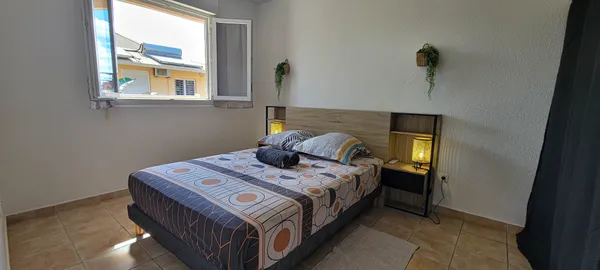
The best part of December in French Guiana is sharing it. Rather than an impersonal hotel, choose accommodation where you’ll be pointed toward the best chanté Nwel evenings and the finest pâtés at the market. At Hostel Toucan, our vacation rentals in French Guiana are spread across Cayenne, Rémire-Montjoly, Matoury and Kourou, as close as possible to the towns where the festivities come alive.
By booking direct, you benefit from:
- direct booking with no platform fees;
- free cancellation up to 7 days before arrival;
- WhatsApp support 7 days a week for your questions, chodo tips included.
Do you own a property in French Guiana and want to make the most of it during the festive high season? Discover our concierge offer for owners. December is best savored in good company: let us help you do just that, a glass of chodo in hand.
FAQ
What is chodo in French Guiana?
Chodo is the Guianese Creole eggnog, made with sweetened condensed milk, egg yolks, nutmeg, cinnamon, lime zest and often a little agricultural rum. Served warm, it is offered to guests throughout December, especially during chanté Nwel evenings.
When do the Nwel carols take place in French Guiana?
Chanté Nwel evenings are held throughout December, peaking in the final two weeks before Christmas. They are organized by associations, parishes and neighborhoods in towns such as Cayenne, Rémire-Montjoly, Matoury and Kourou, often free of charge or by voluntary contribution.
Is it a good idea to visit French Guiana in December?
December falls in the rainy season (the ideal dry season runs from mid-July to mid-November), but the downpours are brief and the festive atmosphere is exceptional. It’s the perfect time to experience Creole traditions: chodo, Nwel carols, Christmas pâtés and king cake. Yellow fever vaccination remains mandatory.
Where can you taste chodo and the Christmas treats in French Guiana?
The Cayenne market is the best starting point from mid-December: Creole pâtés, tropical jams and sweet treats abound there. The Sunday market in Cacao, a Hmong village an hour from Cayenne, rounds out the experience. For chodo, the best option is to taste it at a chanté Nwel evening or to make it yourself in your rental.