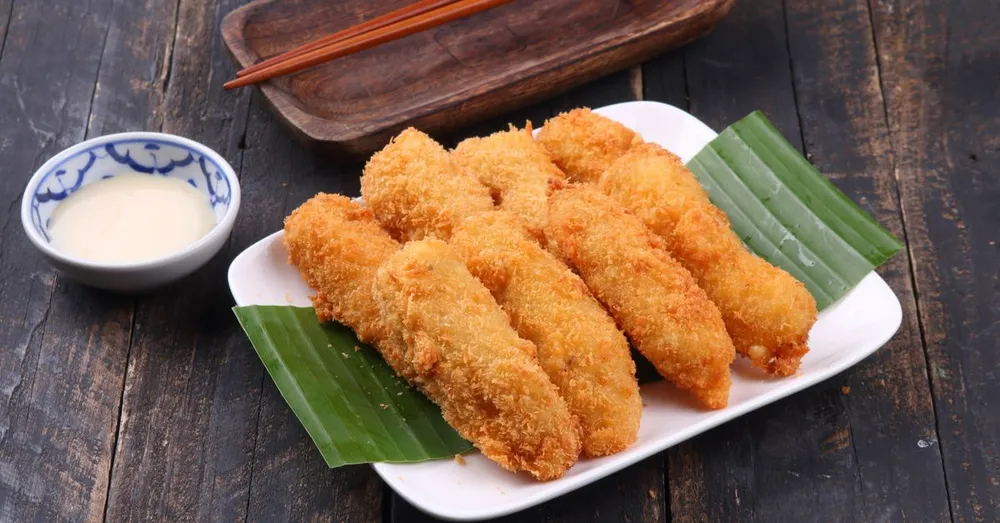
When you land at Pôle Caraïbes airport, the first smell that truly leaves a mark on a traveler is neither sugarcane nor rum: it’s the scent of hot oil where accras are sizzling. These little golden fritters are the soul of the Creole apéritif, the staple of all our celebrations, and the subject of endless debates between Guadeloupean families. At Hostel Toucan, our guests ask us almost every week: where can I eat the real thing, and how do I nail them at home? Here is everything we’ve learned over fifteen years roaming the archipelago’s lolos, recipe and addresses included.
Why the accra is so iconic in Guadeloupe
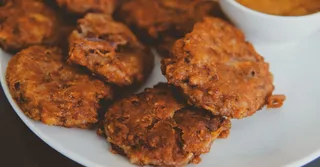
The cod accra is more than an appetizer: it’s a cultural marker. Born from the meeting of West African techniques and the salted cod imported for centuries, it tells the story of the island. You’ll find it everywhere: at the beachfront in Sainte-Anne, at a wedding in Saint-François, or simply on a Sunday lunch with family and a well-measured ti-punch.
On an archipelago shaped like a butterfly, split between the seaside Grande-Terre and the volcanic Basse-Terre, every town claims its own version. The cod-versus-shrimp debate (“accra de chiquetaille” against “marinade de crevette”) stirs up the dinner table just as surely as a gwoka match. But when we talk about the accra par excellence, it’s cod that reigns.
Accra, marinade, bonda: don’t mix them up
A detail that gives away the novice traveler: here, we don’t always say “accra.” A little survival glossary:
- Accra: the generic term, often cod-based.
- Marinade: in some families, refers to the batter before frying, or the shrimp version.
- Bonda: the big, soft, more rustic ball.
- Chiquetaille: the shredded, seasoned cod, the base of the accra.
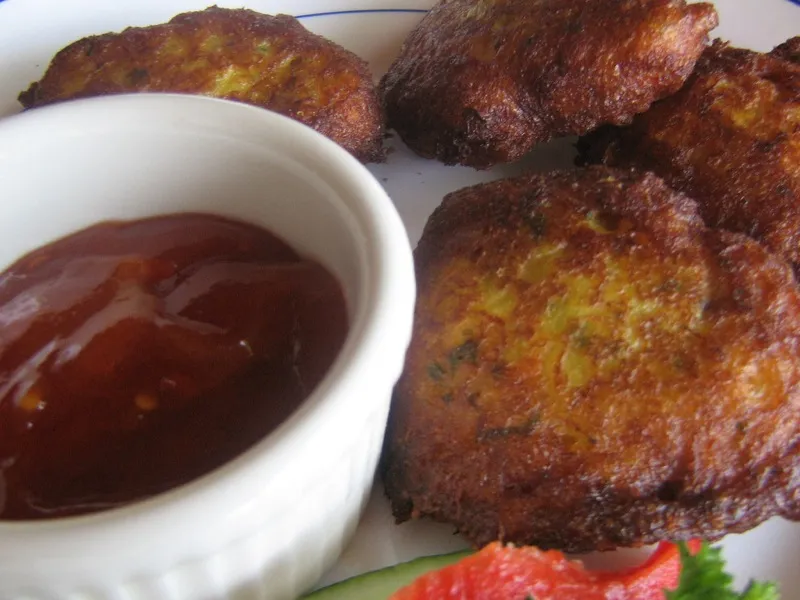
The batter technique: the real secret
Many tourists think a successful accra is all about the oil. That’s wrong. Everything comes down to the batter, what our grandmothers call “raising the dough.” Here is the method we pass on to travelers who want to cook in their rental.
Desalting the cod
This is the step that 90% of failures overlook. The salted cod must desalt for 12 to 24 hours in the refrigerator, in a large volume of cold water changed three or four times. Too salty, and the accra is inedible; too desalted, and it’s bland. Taste the raw cod after desalting: it should be pleasantly briny, never harsh. You’ll then poach it for 10 minutes in simmering water, before shredding it finely by hand, removing skin and bones.
The proportions that work
For about 40 accras (apéritif for 6), here is a reliable base:
- 250 g of desalted, shredded cod
- 250 g of wheat flour
- 1 sachet of baking powder
- 1 egg (optional, for softness)
- 150 ml of lukewarm water
- 4 finely chopped scallions (oignons-pays)
- 2 cloves of garlic, parsley, thyme
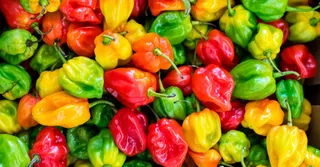
- 1 seasoning pepper (the famous “bonda man Jak”), seeds removed
- Salt and pepper, sparingly
The secret of the airy fry
Here is what our hosts call “the grannies’ trick.” The batter must rest for at least 1 hour, ideally two, at room temperature. The yeast works, bubbles appear: this is what gives that airy, almost mousse-like interior that sets the real accra apart from a heavy fritter.
Three golden rules for frying:
- Oil at 170-180 °C, no more. Too hot, and the accra browns outside while staying raw inside.
- A spoon, not a ball: scoop it up with a soup spoon and slide the batter into the oil. The irregular shape traps air.
- Don’t overload the pot: 5 or 6 accras at a time, otherwise the temperature drops and the oil seeps in.
A successful accra floats up on its own, almost flips itself, and turns golden in 2 to 3 minutes. Drain on paper towel and serve immediately: the accra waits for no one.
Our best spots: authentic lolos and markets
A lolo is that small, no-frills family eatery, often a roadside or beachside hut, where you eat Creole food for a few euros. That’s where the best accras hide, not in the tourist restaurants. Here are the areas we recommend to our travelers.
On the seaside Grande-Terre
- The Sainte-Anne market: late in the morning, several stalls sell their accras piping hot, expect 3 to 5 € a tray of about ten. Perfect to snack on before the Caravelle beach, a ten-minute walk away.
- Le Gosier, the seafront: the lolos serve accra at apéritif time, often with a homemade ti-punch.
- Saint-François, around the marina: before heading off to the Pointe des Châteaux (20 minutes away), an accra stop is a must at the weekend street vendors.
On nature’s Basse-Terre
- Deshaies: after the Grande Anse beach, the small eateries in the village offer generous cod accras, to enjoy facing the sunset.
- Bouillante / Malendure: before or after a snorkeling outing in the Cousteau Reserve at the Pigeon islets, the beach snack bars serve accras and fresh fruit juices.
On the islands
During an excursion to Les Saintes (Terre-de-Haut) or Marie-Galante, don’t miss the accras at the local markets. On Marie-Galante, they’re happily paired with an agricultural rum from the Bielle, Bellevue or Père Labat distilleries. The shuttle crossing from Pointe-à-Pitre takes about 45 minutes to 1 hour.
The right freshness reflex
A first-hand tip: buy your accras where there’s a crowd and turnover. An accra coming out of the oil before your eyes is nothing like one that’s sat under a cover for an hour. And beware of the “ready-made” trays from supermarkets: to discover the soul of the dish, nothing beats the lolo.
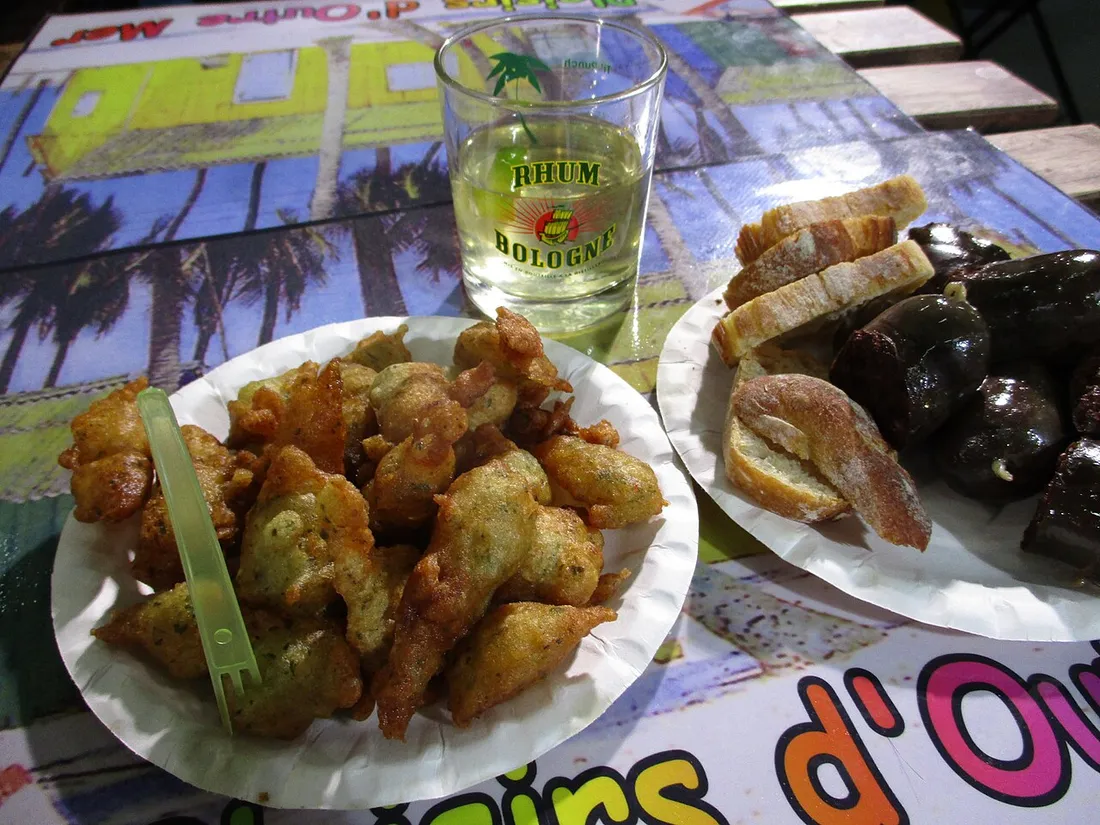
When and how to enjoy them during your stay
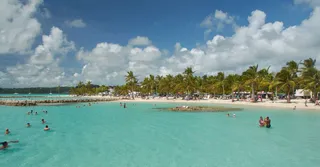
The best time to visit Guadeloupe is the dry season, from December to April: clear skies, turquoise sea and lively markets. It’s also the high culinary season, with the year-end festivities when accras flow freely.
To truly live the experience, we advise our travelers to combine:
- an improvised cooking workshop in their accommodation, cod bought at the market;
- a lolo tour across two or three towns, from Le Gosier to Deshaies;
- a sunset apéritif with accras and planteur, on a terrace facing the sea.
Our accommodations come with functional kitchens precisely for this: trying the airy fry yourself is part of the journey. And if the batter doesn’t rise on the first try, our 7/7 WhatsApp assistance is there to whisper the best backup spot.
Booking the Guadeloupean experience with Hostel Toucan
A concierge service and short-term rental specialist across the archipelago, Hostel Toucan handpicks accommodations in the heart of the best towns, a stone’s throw from markets and lolos. By booking directly, with no platform fees, you get the best rate, free cancellation within 7 days and tips from locals who know every accra stand.
Want to plan your stay around Creole cuisine? Check out our complete guide to Guadeloupe for the must-sees, browse our rentals in Guadeloupe depending on your cravings for beach or volcano, and if you own a property, find out how to entrust your accommodation to our concierge service. The butterfly archipelago awaits you — and it smells wonderfully of accra.
FAQ
What is the difference between an accra and a marinade in Guadeloupe?
The accra refers to the small fried fritter, most often based on shredded cod. The marinade refers, depending on the family, either to the batter before frying or to a shrimp-based version. Both share the same risen-batter and frying technique, but the cod accra remains the Creole benchmark.
How much does a tray of cod accras cost at Guadeloupean markets?
Expect generally 3 to 5 euros for a tray of about ten accras at the markets and from lolo vendors, for example in Sainte-Anne or Le Gosier. It’s an ideal and affordable snack before the beach or at apéritif time.
What is the secret to nicely airy accras?
The secret comes down to two points: letting the batter rest for at least an hour so the yeast forms bubbles, and frying at 170-180 °C, scooping the batter with a spoon rather than shaping a ball. The irregular shape traps air and gives that soft, mousse-like interior.
What is the best time to discover Creole cuisine in Guadeloupe?
The dry season, from December to April, offers the best climate and very lively markets. The year-end festivities are particularly good for tasting accras everywhere, from the lolos of Grande-Terre to the markets of Marie-Galante and Les Saintes.