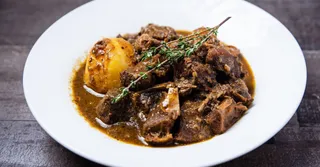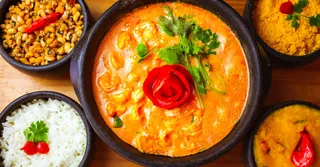
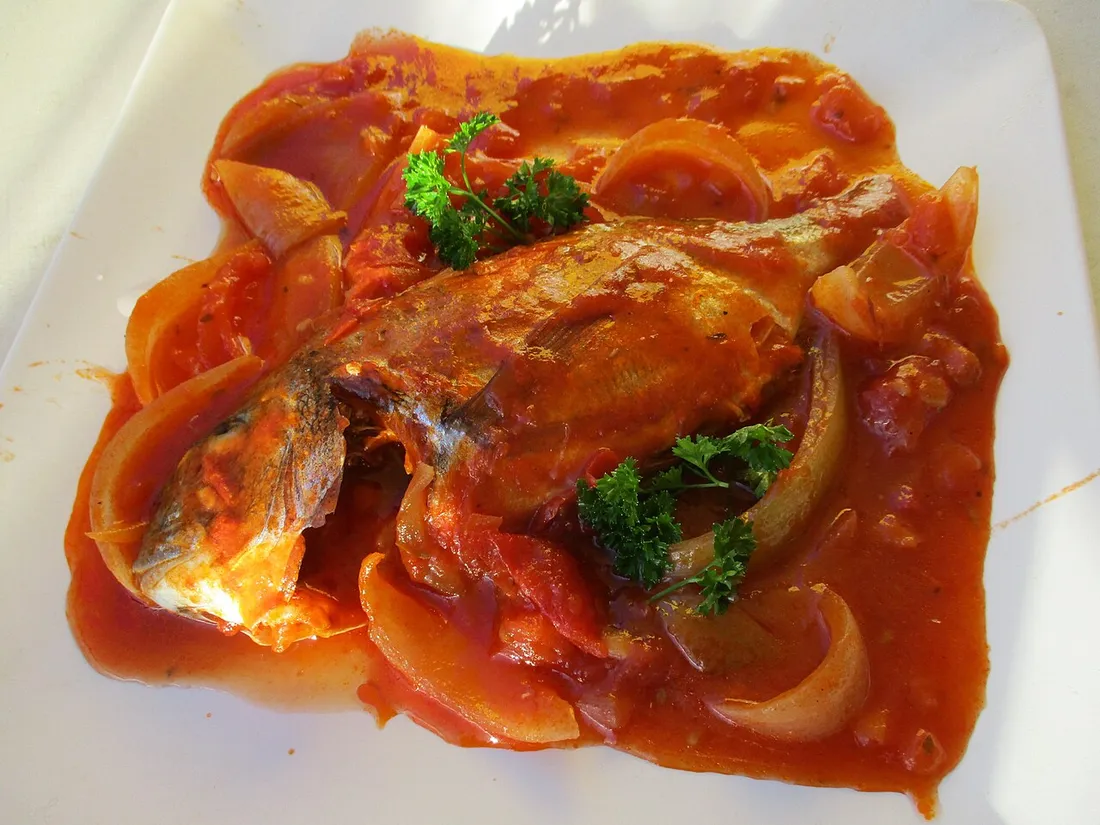
There is one dish that, more than any other, tells the story of Guadeloupe in a single bite: fish court-bouillon. Not the clear cooking broth that mainland French cooks know, but a fish stew simmered in a tomato-rich, lemony and well-seasoned sauce, where the fish almost melts into the rice. At Hostel Toucan, several of our hosts prepare it for travellers on the evening they arrive. One of them, Maryse, who runs a traditional case in Sainte-Rose on the north coast of Basse-Terre, gave us her version. Here it is, faithful to her every gesture, market trip included.
What exactly is Creole court-bouillon?
In Guadeloupe, a butterfly-shaped French archipelago in the Caribbean (around 380,000 inhabitants, two wings: limestone Grande-Terre and volcanic Basse-Terre), court-bouillon refers to fish cooked in a short, fragrant and tangy sauce. Nothing to do with a clear broth. The word is misleading, the dish is generous.
Its backbone rests on three elements:
- A whole local fish or fish steaks: snapper (« sorf »), mahi-mahi (« dorade créole »), tuna, marlin or balaou depending on the catch.
- A lemon soak with lime, which “cleans” and firms up the flesh.
- A short sauce based on tomato, oignon-pays, garlic, thyme, chilli and roucou for colour.
Maryse sums it up like this: “A good court-bouillon is a fish that was pampered before it even touched the pot.” Everything is decided at the purchase and the marinade.
The market: where and how to buy the fish
The soul of this recipe is the fresh fish of the day. On the coast, you buy it directly at the fishermen’s landing point.
The best spots by town
- Sainte-Rose and Deshaies (leeward coast): fishermen’s stalls in late morning, snapper and mahi-mahi around 12 to 16 € per kilo.
- Pointe-à-Pitre, the covered market and the Carénage market: the widest choice, atmosphere and bargaining.
- Sainte-Anne and Le Moule (Grande-Terre): small morning markets, trap-caught and line-caught fish.
A few freshness cues Maryse gives us: a bulging, shiny eye, bright red gills, firm flesh that springs back under the finger, and a smell of iodine, never of ammonia. For 4 people, count on 1 kg to 1.2 kg of cleaned fish.
Local tip: ask the fisherman to scale and gut on the spot, and to cut into 3 cm steaks. You save twenty minutes in the kitchen and you leave with a fish head, ideal for enriching the sauce.
Maryse’s Creole court-bouillon recipe
For 4 people — preparation 25 min, marinade 30 min, cooking 30 min.
The market ingredients
- 1.2 kg fish steaks (snapper or mahi-mahi)
- 3 limes
- 4 cloves of garlic
- 2 onions + 1 bunch of oignon-pays (chives)
- 4 ripe tomatoes (or 1 tin of crushed tomatoes if needed)
- 2 tablespoons tomato paste
- 1 sprig of thym-pays, 2 bois d’Inde (bay rum) leaves
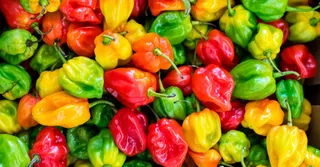
- 1 seasoning pepper (for aroma) + ½ Caribbean chilli for the brave
- 1 tablespoon roucou oil (or roucou seeds)
- 1 glass of dry white wine, salt, pepper
Step 1 — The “lavé” (washing the fish)
Squeeze 2 limes into a large bowl of water, add a pinch of coarse salt. Rub the steaks, rinse, drain. This essential gesture removes the mucus and firms up the flesh.
Step 2 — The “tranpé” (the marinade)
Prepare a crushed seasoning paste: garlic, a little oignon-pays, salt, pepper, the juice of the 3rd lime and a touch of chilli. Massage the steaks, slip a little of this paste into the slits, cover and leave 30 minutes in the cool. This is where the fish takes on its character.
Step 3 — The “roussi” (the sauce base)
Heat the roucou oil in a pot. Sweat the onions, garlic and oignon-pays for 5 minutes. Add the tomatoes, paste, thyme, bois d’Inde and the whole seasoning pepper (unpierced, for aroma without the heat). Let it cook down for 8 to 10 minutes.
Step 4 — The simmer
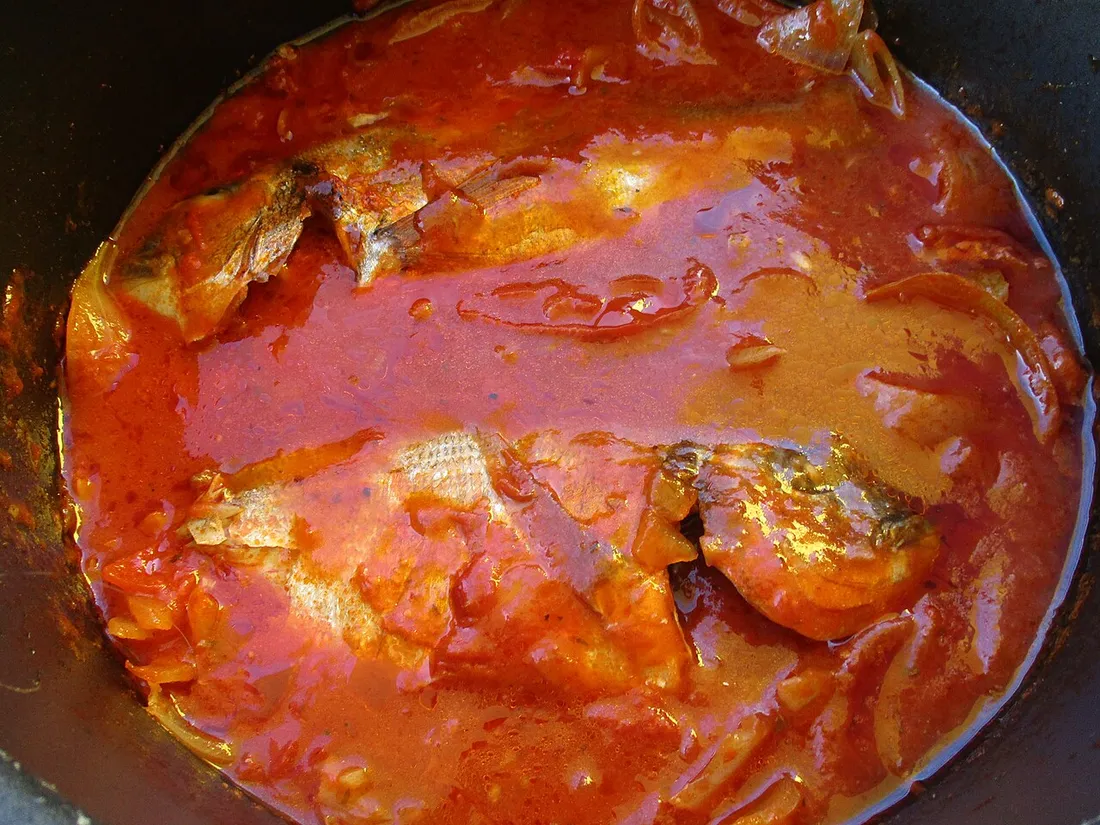
Deglaze with the white wine, moisten with a large glass of water (or the water from the fish head). Salt. Gently lay the steaks in a single layer, lower the heat. Cover and let it gently simmer for 12 to 15 minutes without stirring too much: you shake the pot rather than stir, so as not to break the fish. The sauce should stay short and coating.
Step 5 — The finishing touch
Turn off the heat. Add a splash of lime, a little raw chopped oignon-pays, adjust the salt. Let it rest 5 minutes covered. The dish will only be better for it.
The perfect pairing: rice, and nothing else (or almost)
Court-bouillon is eaten with Creole white rice, full stop. The rice soaks up the sauce, which is the whole point. Maryse cooks it in salted water with a drizzle of oil, grains well separated, like a light pilaf.
To round out the plate Guadeloupe-style:
- A few slices of seasonal avocado (peak season from July to October).
- A spoonful of sauce chien (oignon-pays, garlic, chilli, lime, oil, persil-pays).
- Yellow bananas (ripe plantains) or a christophine gratin for big tables.
To drink, a light ti-punch as an aperitif with rhum agricole — from the Bielle distillery in Marie-Galante, for example — then a chilled rosé or a homemade passion fruit juice. The sauce is lemony, the wine should be too.
When and where to experience this cuisine in Guadeloupe
The best time to visit and cook local is the dry season from December to April: settled markets, regular fishing, mild temperatures. The archipelago is reached via Pôle Caraïbes airport in Pointe-à-Pitre (-5h in winter, -6h in summer compared to Paris, dialling code +590).
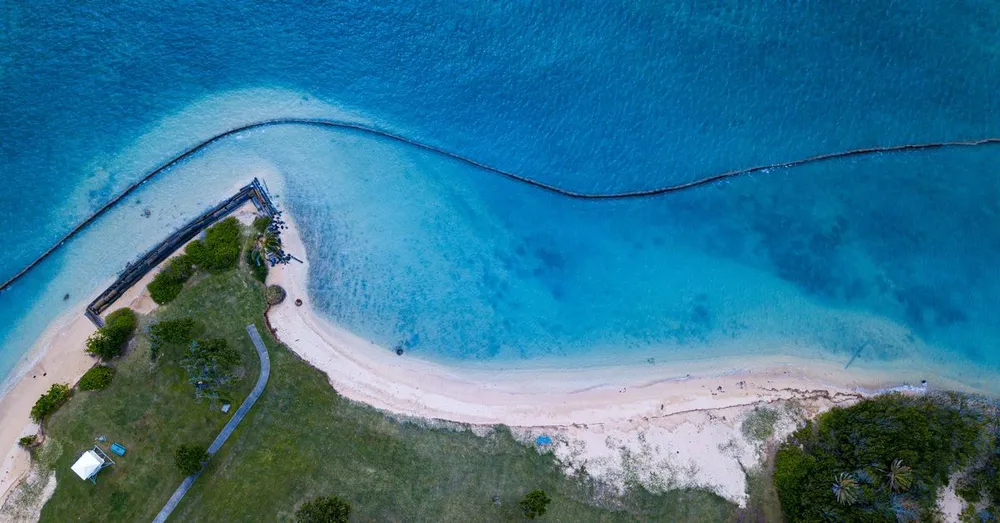
Set your bags down near the good markets and the sea. On the Basse-Terre side, Sainte-Rose and Deshaies (10 minutes from Grande Anse beach) put you at the heart of the fishing scene, a hop from the Cousteau Reserve at Malendure for snorkelling. On the Grande-Terre side, Sainte-Anne and its morning market, Saint-François and the Pointe des Châteaux offer turquoise beaches and seaside life. To explore further — La Soufrière (1467 m), the Carbet falls, Les Saintes or Marie-Galante — our complete guide to Guadeloupe details the itineraries.
Cooking like a local, from your rental
The secret to a real court-bouillon isn’t just the recipe: it’s an equipped kitchen, a market ten minutes away and the time to wander. Our Hostel Toucan accommodations are designed for exactly that — full kitchens, Creole pots, neighbourhood tips from hosts who, like Maryse, happily share their fishermen’s addresses.
Book direct, with no platform fees, with free cancellation within 7 days and WhatsApp support 7 days a week for your questions, from arrival to the best fish stall. Discover our accommodations in Guadeloupe and choose the town that matches your cravings for markets and beaches.
Do you own a case or an apartment on the archipelago? Entrust it to a local property management team that knows the cuisine, the hosts and the travellers: we explain everything on the owners page.
Good market, good fire, and above all: don’t break the fish.
FAQ
Which fish should I choose for a Creole court-bouillon in Guadeloupe?
The best are the firm fish of the local catch: snapper (sorf), mahi-mahi (dorade créole), tuna, marlin or balaou. Buy them whole or in steaks directly from the fishermen of Sainte-Rose, Deshaies or at the Pointe-à-Pitre markets. Count on 1 to 1.2 kg for 4 people, around 12 to 16 € per kilo.
What is the difference between Creole court-bouillon and mainland court-bouillon?
Despite the shared name, they are two different things. In mainland France, court-bouillon is a clear, aromatic cooking liquid. In Guadeloupe, court-bouillon is a complete dish: fish simmered in a tomato-rich, lemony and spicy sauce, served with white rice that soaks up the sauce.
What is fish court-bouillon served with?
Traditionally with Creole white rice, which absorbs the short sauce. It is often accompanied by seasonal avocado, a spoonful of sauce chien, yellow bananas or a christophine gratin. To drink, a ti-punch with rhum agricole as an aperitif, then a chilled rosé or a passion fruit juice.
What is the best time to taste court-bouillon in Guadeloupe?
All year round, but the dry season from December to April offers the best-stocked markets and regular fishing, with a mild climate ideal for exploring the archipelago. It is also the high tourist season: book your accommodation in advance.