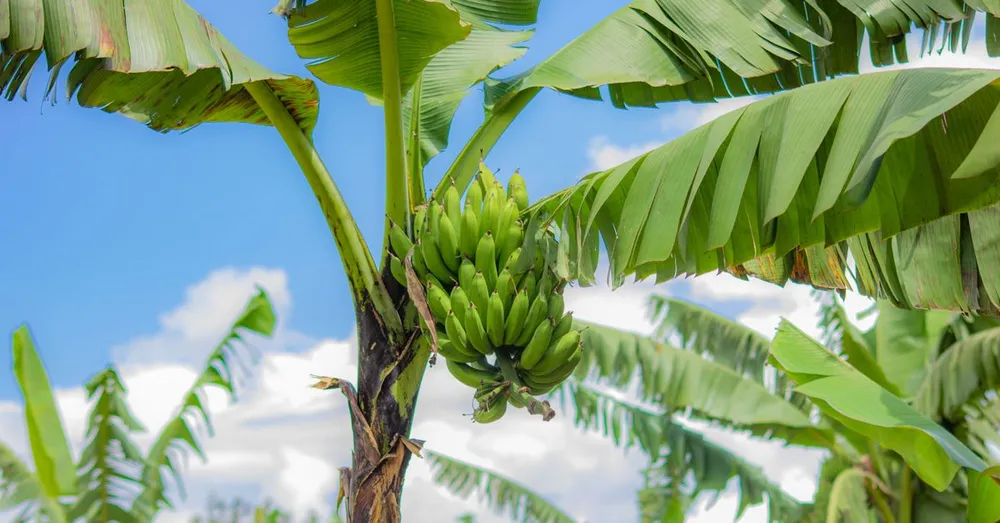
At the market, in front of a beautiful display of local vegetables, one of my guests slipped me this question the other day: “Can we really buy that, with the chlordecone?” The question is legitimate, and it comes up on nearly every stay. After several years living on the island and welcoming travelers, I’ve learned it’s better discussed with facts than with fears. So here, without beating around the bush or scaremongering, is what you need to understand about chlordecone in Martinique when you come on vacation: what this pesticide really is, which products and fishing zones deserve caution, and above all how to keep savoring Creole cuisine with complete peace of mind.
What is chlordecone in Martinique?
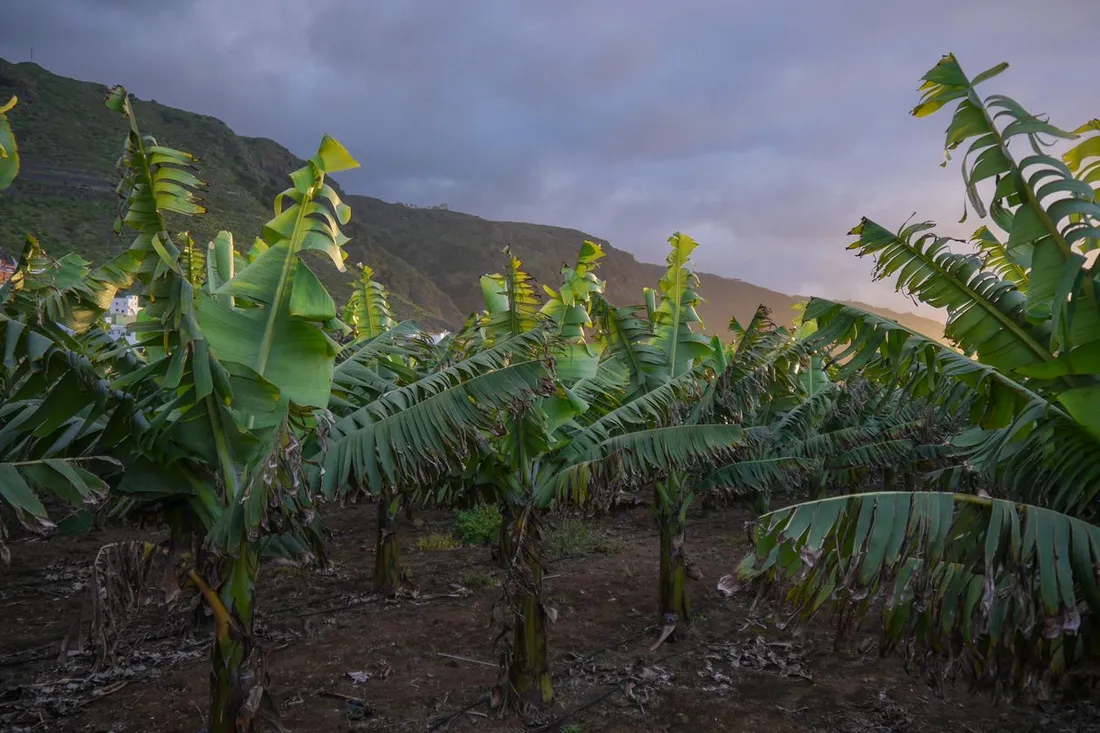
Chlordecone is an organochlorine pesticide used in the banana plantations of the French West Indies between 1972 and 1993 to fight the weevil. Banned for more than thirty years, it still poses a problem: it is an extremely stable molecule that barely degrades. Scientists estimate it will remain present in certain soils for several decades, even several centuries. It is a serious public health issue, recognized by the State, which has launched several action plans.
For a traveler, the essential point comes down to one sentence: chlordecone is a pollutant of the land, not of the sea or the air. You don’t breathe it in, you don’t catch it while swimming. The only exposure route identified by health authorities is food — and even then, only for certain products from specific areas. So everything that matters for you plays out on your plate, and it’s very simply managed.
How contamination reaches (or doesn’t reach) your plate
The molecule clings to soils and sediments, especially where the banana plantations were located (the center and northeast of the island, on the volcanic lands). It migrates slowly toward the rivers and then toward certain coastal river mouths. The products potentially affected are therefore:
- root vegetables grown in contaminated soil: yam, dachine (taro), sweet potato, malanga, cassava;
- certain bottom-dwelling fish and crustaceans living in polluted coastal areas or rivers, which accumulate the molecule in their flesh;
- the water of certain rivers located downstream of the former plantations (never tap water, which is treated and monitored).
Conversely, the vast majority of what you’ll eat during your stay — offshore fish, tropical fruits, imported products, restaurant dishes — is not affected. The question is not “should I be afraid of everything,” but “which two or three habits are enough.”
Can you eat fish in Martinique?
This is the number-one question, and the answer is reassuring: yes, fish sold through official channels is safe. Professional fishermen work in authorized zones and their catches are monitored. At a restaurant, the covered market, or a registered fishmonger, you can eat without worry.
The key to answering “can you eat fish in Martinique” comes down to one word: pelagic. Offshore fish don’t frequent the sediments where the pesticide in Martinique lodges, so they pose no chlordecone problem whatsoever. Favor them — they are in fact the heart of local gastronomy:
- tuna and mahi-mahi (the “dorade” on menus, or dolphinfish);
- wahoo (the king of Creole court-bouillon);
- marlin (often smoked), bonito, and snapper bought through official channels.
Expect to pay roughly 15 to 25 € per kilo of tuna or mahi-mahi depending on the season and the catch, a bit less in the early morning straight from the fishermen on the docks of Le Robert, Le François, or Sainte-Luce. A wahoo court-bouillon, cod fritters, a fish colombo: these everyday dishes pose absolutely no concern.
The fish and products to stay vigilant about
The real vigilance concerns bottom and river fishing in the zones polluted by chlordecone. Prefectural orders there prohibit or regulate the catch, mainly along the Atlantic coast (from Le Robert to Galion bay) and in the rivers of the north. The species that accumulate the most of the molecule are those that root through the sediments:
- the bottom-dwelling fish of certain eastern bays;
- the spiny lobsters and crustaceans of regulated zones;
- above all the ouassous (large freshwater shrimp) caught in contaminated rivers.
The rule is simple: don’t buy fish or crustaceans on the roadside from an amateur fisherman, and if you fish on vacation, find out about the authorized zones before casting your line in a river or river mouth. By going through the markets, fishmongers, and registered lolos, you’re safe. As for the neighboring question of swimming — which presents no chemical risk at all — I covered the topic in detail in our article dedicated to chlordecone and swimming in Martinique.
Local vegetables and markets: the right habits
On the land side, root vegetables are the most closely monitored products, because they are the ones that grow in direct contact with the soil. But here too, no need to panic: the agricultural sector is monitored, and producers in at-risk areas have their land analyzed. My on-the-ground advice for shopping the market with a light heart:
- Buy at the covered market or from an identified market gardener rather than at random. The Fort-de-France market, and those of Le Marin, Sainte-Anne, or La Trinité, bring together registered producers. To prepare your visit well, see our guide to the Fort-de-France market.
- Vary your sources and the types of produce. Tomatoes, salads, chayote, fruits (mango, pineapple, breadfruit) grow outside contaminated soil or don’t store the molecule: no concern at all.
- Tropical fruits are not affected. Mango, banana, guava, passion fruit, soursop: enjoy them with no second thoughts.
- If you rent accommodation with a kitchen and like to cook your purchases, peel generously the root vegetables — a common-sense gesture that costs nothing.
Be aware too that support programs exist locally to help residents with a garden have their soil analyzed and adapt their crops. It’s a sign that the issue is taken seriously on the ground, well beyond the length of a stay — and that the channels you use as a visitor are, for their part, safe.
Should you worry about your stay?
Let’s be honest: the chlordecone Martinique file is a heavy legacy that residents carry daily, and it would be inappropriate to brush it aside. But for your trip, the concrete impact is limited and easy to manage. You swim everywhere, you eat at restaurants and markets without worry, you buy your offshore fish with your eyes closed. The only real caution: avoid wild bottom and river fishing, and informal roadside purchases.
The dry season, Carême, from December to April, remains the best time to fully enjoy the island and its table: markets overflowing with fruit, crystal-clear sea, clear skies. In February–March, carnival adds its joyful fever — just remember to book your accommodation early, as demand explodes. Eating local, from the ti-punch at aperitif to the colombo at lunch, is an integral part of the trip to Martinique: there’s no reason to deprive yourself.
Stay and savor Martinique with Hostel Toucan
Eating well while traveling also means being well advised on the spot. That’s the whole point of going through a local team: at Hostel Toucan, concierge and specialist in seasonal rentals in the French overseas territories, we know the good markets, the serious fishermen, and the lolos where you eat Creole without a second thought.
Booking directly with us means:
- No platform fees: you pay the fair price, with no hidden commission.
- Free cancellation up to 7 days before arrival, to travel with a light heart.
- WhatsApp assistance 7 days a week, in French as well as Creole, for your questions about the market, the fishmonger, or the slightest hitch.
Many of our accommodations have an equipped kitchen: ideal for bringing back your market purchases and cooking Martinican. Discover our rentals in Martinique town by town and prepare your trip with our complete guide to Martinique. Do you own a property on the island and want to make the most of it without constraints? Our concierge offer for owners is made for you.
Chlordecone should not spoil your pleasure at the Creole table. Inform yourself from the right sources, trust the markets and the fishermen, and treat yourself: Martinique is savored first and foremost on the plate.
FAQ
Can you eat fish in Martinique despite the chlordecone?
Yes, without a problem, as long as it comes through official channels. Pelagic offshore fish — tuna, mahi-mahi, wahoo, marlin — don’t frequent the sediments where chlordecone lodges and are therefore not affected. Restaurants, markets, and registered fishmongers sell a monitored product. The only vigilance concerns amateur bottom and river fishing, and informal roadside purchases, which should be avoided.
Which fishing zones are off-limits because of chlordecone?
Prefectural orders regulate or prohibit fishing in the zones where the sediments are most loaded, mainly along the Atlantic coast (from Le Robert to Galion bay) and in certain rivers of the north, downstream of the former banana plantations. The species mainly targeted are bottom-dwellers and ouassous (freshwater shrimp). These perimeters concern local fishing, not your plate if you buy through official channels.
Are market vegetables safe in Martinique?
Yes, in the vast majority of cases. The most closely monitored products are root vegetables (yam, dachine, sweet potato), because they grow in contact with the soil; the sector monitors them and producers in at-risk areas have their land analyzed. Buy from identified market gardeners at the markets, vary your sources, and peel the roots generously if you cook. Tropical fruits and soilless vegetables pose no concern at all.
Does chlordecone present a risk for a passing tourist?
The practical risk is very low for a stay. Exposure happens only through food, and only for certain products from specific areas. By eating through official channels (markets, restaurants, fishmongers) and avoiding wild river fishing, you’re safe. Swimming, for its part, presents no chemical risk: chlordecone is a pollutant of the soil, not of the seawater.