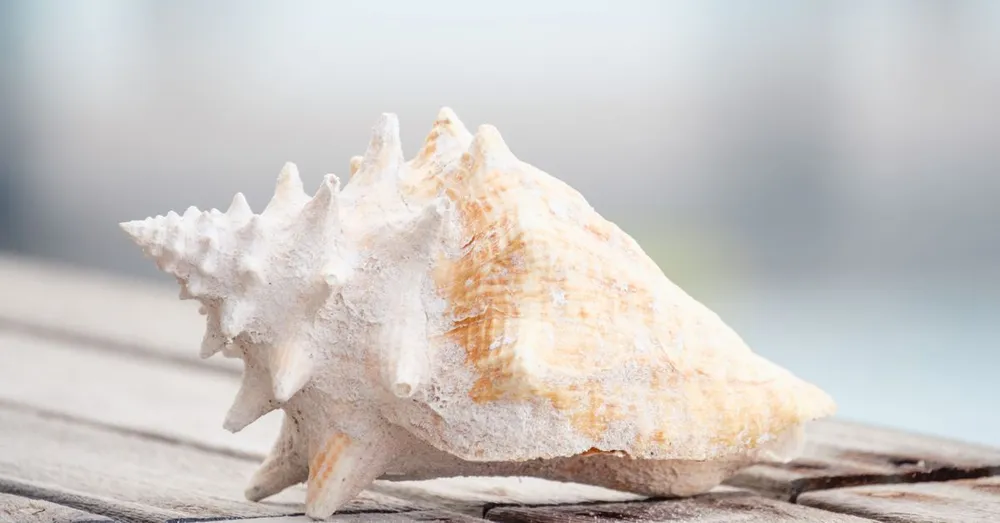
Ask anyone from Guadeloupe what they miss most when they’re away, and they’ll likely describe a conch fricassée or a rich octopus colombo. Seafood in Guadeloupe isn’t a postcard product: it sits at the heart of everyday cooking as much as of the big Sunday family tables. But between the Creole names, the fishing seasons and regulations many visitors know nothing about, it’s easy to order the wrong dish or, worse, to support illegal fishing without realising it.
After years spent frequenting the seaside lolos, the markets and the good restaurants of the archipelago, here’s my field guide to recognising, understanding and enjoying the three local stars: conch (lambi), octopus (chatrou) and river prawns (ouassous).
Lambi, chatrou, ouassous: who’s who?
Creole often names seafood differently from mainland French, and it’s this vocabulary that makes the Guadeloupean table so rich.
Lambi, the great pink shell
The Creole lambi is a large marine mollusc, the queen conch (Lobatus gigas), recognisable by its spiral shell with a pearly-pink interior — the one children hold to their ear to “hear the sea”. Its firm white flesh needs tenderising (it’s pounded and slow-cooked) before being prepared as a fricassée, a colombo, a blaff or a delicious conch tart. It’s the emblem of seafood in Guadeloupe, but also the most fragile species: its fishing is strictly regulated, and I’ll come back to that below.
Chatrou, the local octopus
Chatrou is the Creole word for octopus. Harpooned over rocky seabeds, it’s mostly cooked as a slow-simmered fricassée or a colombo, with that signature aroma of browned country onion, garlic, thyme and chilli that defines Caribbean cooking. Cooked well, it’s meltingly tender; cooked badly, it turns rubbery — hence the importance of where you order it. Don’t confuse it with the chadron (the white sea urchin), whose fishing is closed for much of the year.
Ouassous, the giant freshwater prawns
Ouassous (or “z’habitants”) are large freshwater prawns that live in the rivers of Basse-Terre, where the rainforest and the Soufrière volcano feed a swift, cool current. The word is said to come from a Creole expression meaning “king of the springs”. Grilled, flambéed with rum or stewed in a fricassée, they are a true festive dish, rarer and pricier than imported sea prawns. A restaurant that offers real river ouassous (rather than farmed gambas rebranded under the name) usually runs the rest of its kitchen with the same care.
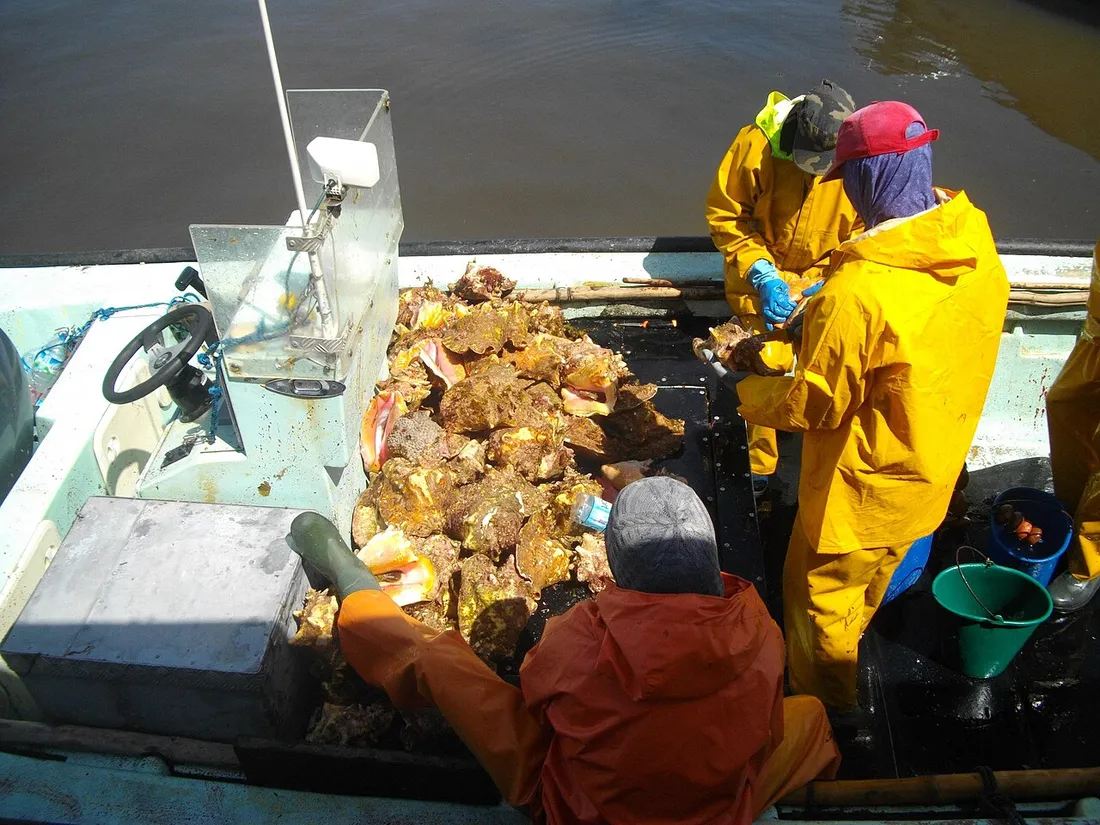
Fishing seasons: when to enjoy what
Eating local means eating in season. You won’t find everything all year round in Guadeloupe, and that’s a good thing: it protects the resource.
- Lambi: fishing is regulated and subject to closed seasons to allow reproduction. It’s easier to find fresh outside the closed periods; the rest of the year, it’s often sold frozen.
- Chatrou: available for a good part of the year, with peaks depending on the weather and the state of the sea. The swell of the rainy season makes fishing over rocky seabeds harder.
- Ouassous: at their best in the dry season (December to April, the carême), when the rivers run clearer and fishing is more accessible. It’s also the best time to stay in the archipelago.
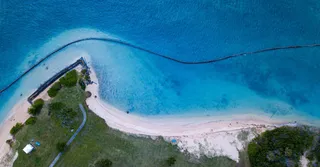
The dry season, which coincides with the high tourist season, is therefore the ideal moment to combine fine weather, the turquoise beaches of Grande-Terre, hikes to the Carbet Falls and a beautiful plate of seafood. To plan the rest of your trip, our complete guide to Guadeloupe breaks down the best periods activity by activity.
Regulations: feasting without plundering the sea
This is the point too many visitors overlook. Conch is a species protected internationally (listed under CITES) because it has been overfished throughout the Caribbean. In Guadeloupe, its fishing is strictly regulated. Without going into the detail of the decrees (which change), keep in mind the main principles of the conch fishing regulations:
- Minimum size: only adults, whose shell has formed its characteristic flared lip, may be harvested. Young conch must stay in the water to reproduce.
- Closed seasons during the reproduction period.
- Protected zones (reserves, no-take areas) where recreational fishing is banned or limited.
In practice, you probably won’t go conch-fishing yourself. But you do hold real power: the power to choose where you eat. A serious restaurant sources from registered fishermen and won’t offer out-of-season conch at a knock-down price. Be wary, too, of shells sold as souvenirs: their export is regulated, and you could be in for a surprise at customs. The golden rule I give our travellers: favour chatrou and ouassous, which are more abundant, and reserve conch for transparent establishments. That’s the spirit of a respectful stay in an archipelago where the National Park and the Cousteau Reserve protect an exceptional marine biodiversity.
Where to enjoy seafood in Guadeloupe
The price ranges below are observed on the ground and vary by season and establishment.
Lolos, the soul of seaside cooking
Lolos are those little Creole eating shacks, often almost with their feet in the sand. That’s where you eat the most authentic food and get the best value for money.
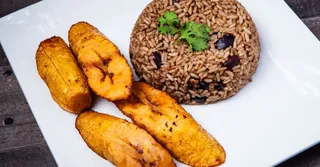
- Sainte-Anne (Grande-Terre): the row of beachside lolos is an institution. Expect €12 to €18 for a plate of octopus or conch fricassée with rice, red beans and plantains.
- Le Gosier and Saint-François: a seaside atmosphere and good tables for fish and seafood.
- On the Basse-Terre side, towards Deshaies or Bouillante: after a dive at the Cousteau Reserve, a plate facing the Caribbean Sea.
Restaurants for flambéed ouassous
For ouassous, head up towards the rivers of Basse-Terre or seek out the tables that make them their speciality. A dish of large grilled or rum-flambéed ouassous runs around €22 to €32, in keeping with how rare the product is. It’s the meal I recommend for a festive dinner, after a day hiking in the rainforest.
Markets and the self-catering option
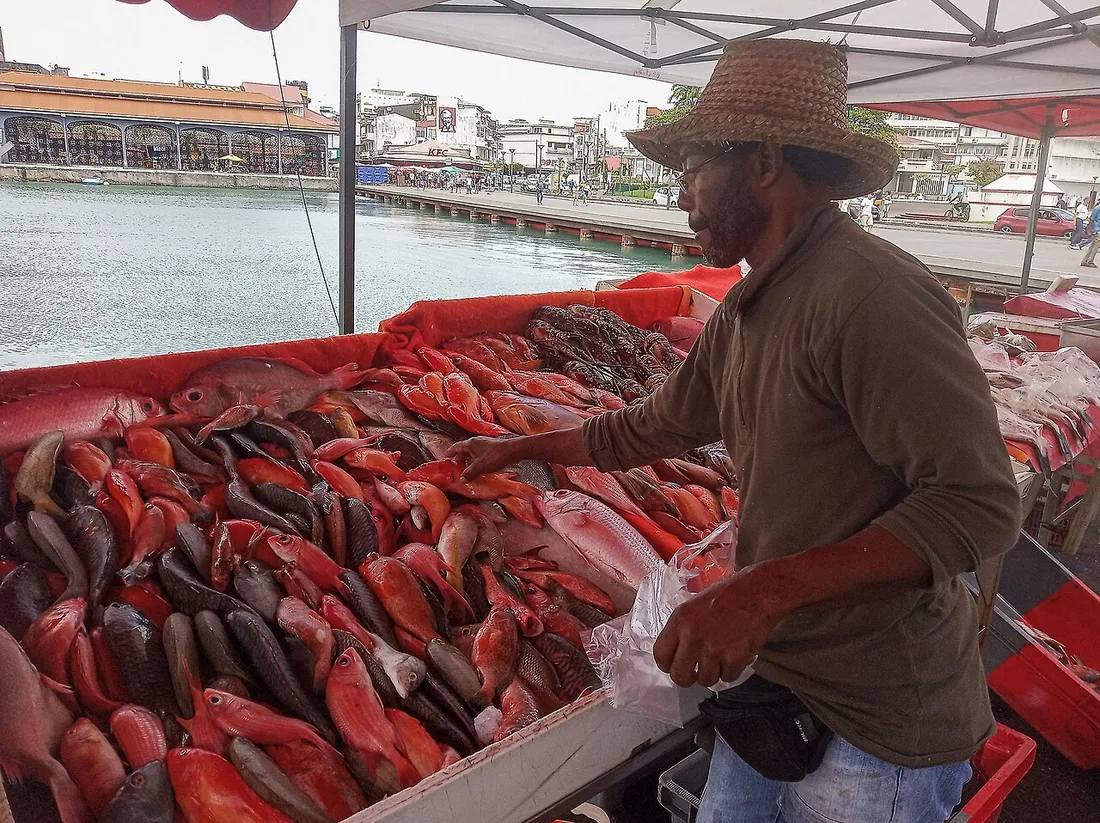
My favourite tip for longer stays: buy directly from the fisherman or at the market (Pointe-à-Pitre, Sainte-Anne, Saint-François) and cook it yourself. A kilo of fresh octopus or ouassous, a little country onion, garlic, thyme, chilli and lime, and you have a memorable meal for a fraction of the restaurant price.
This is where staying in accommodation with a fully equipped kitchen changes everything. Our rentals in Guadeloupe are chosen for their location close to markets and beaches, with a real kitchen for getting hands-on. By booking direct, you avoid platform fees, you enjoy free cancellation up to 7 days before arrival, and our team stays reachable on WhatsApp 7 days a week to point you to the right lolo or the fisherman who lands his catch in the morning. And if you’re an owner looking to showcase a property around the Creole art of living, discover our dedicated support for owners.
How to cook them like a local
Tempted to give it a go? Here are the basics that make the difference in Creole cooking:
- The base seasoning: country onion (chive), garlic, thyme, parsley and chilli, finely pounded. The foundation of almost everything.
- Lime to “citronner” — to acidulate and clean the product before cooking.
- Patience for conch and octopus: long, gentle cooking to make them tender; conch takes well to the pressure cooker.
- Briskness for ouassous: cook them short and hot to keep their pearly flesh.
Serve with white rice, red beans, yellow plantains or a christophine gratin, and you have the complete Creole plate.
In summary
Conch, octopus and ouassous tell the whole gourmet geography of the archipelago: the pink shell of the Caribbean depths, the octopus of the rocks and the prawns of Basse-Terre’s volcanic rivers. To savour them is to taste authentic Guadeloupe — provided you respect the seasons and the regulations, especially for conch. Favour the abundant species and the transparent addresses, and treat yourself, just once, to the pleasure of cooking a product bought that morning from the fisherman: it’s the best souvenir you’ll bring home.
FAQ
What’s the difference between lambi and chatrou?
Lambi is a large marine shell (the queen conch) with firm white flesh, recognisable by its pearly-pink shell. Chatrou is the Creole word for octopus. Both are cooked as a fricassée or a colombo, but conch is a protected species whose fishing is regulated, whereas octopus is more abundant.
Can you eat conch all year round in Guadeloupe?
Not really. Conch fishing has closed seasons to protect reproduction, and it’s a threatened species across the Caribbean. Outside those periods, it’s mostly found frozen. A restaurant offering cheap fresh conch in the middle of a closed season should raise your suspicions: choose establishments that are transparent about their sourcing.
Where can you find the best ouassous in Guadeloupe?
Ouassous (large freshwater prawns) come from the rivers of Basse-Terre. Look for tables located towards the interior of the volcanic wing, ideally in the dry season (December to April) when the rivers run clear. Expect €22 to €32 a dish. Our team can point you in the right direction by WhatsApp during your stay.
How much does a seafood dish cost at a lolo in Guadeloupe?
At a seaside lolo, in Sainte-Anne for example, a plate of octopus or conch fricassée with rice, red beans and plantains usually costs €12 to €18. Ouassous, being rarer, are noticeably more expensive (€22 to €32). Cooking a market-bought product yourself remains the most economical option in self-catering accommodation.