I’m often asked which line item is the most underestimated when launching a short-term rental in the tropics. It’s neither the tourist tax nor the dock dues: it’s the cleaning. Managing and maintaining a furnished rental here has nothing in common with a studio in Lyon. Cleaning an Airbnb in Martinique has to contend with constant humidity, salt in the air, sand that finds its way everywhere and, in certain months, sargassum that leaves a stubborn smell along the coast. As a resident and property manager on the island, I’ll explain why these constraints weigh heavily on your real running costs, and how I anticipate them day to day in our rentals.
Why cleaning costs more in a tropical climate
An owner calculating profitability from mainland France often budgets a cleaning fee “as in France”: an hour and a half, an all-purpose product, and on to the next arrival. On the ground in Martinique, that reasoning falls apart by the first summer.
Humidity, enemy number one
Martinique lives with a humidity level hovering around 75 to 85 % for much of the year, and far more during the rainy season from June to November. In practice, a property closed up between two stays becomes an ideal breeding ground for mould: bathroom seals turning black within two weeks, a musty smell in the cupboards, greenish stains behind poorly ventilated furniture.
This changes everything when it comes to maintaining a tropical furnished holiday rental:
- Turnaround cleaning is never just dusting: you must systematically air the place out, treat damp spots and check the seals.
- A property left vacant for more than five or six days calls for an interim visit, even without a guest, or you’ll find mould at the next arrival.
- Anti-mould products and white vinegar become regular consumables, not a one-off purchase.
Salt, sand and dust
Along the coast — and most sought-after rentals are near the sea, in Sainte-Anne, Le Diamant, Les Trois-Îlets or Tartane — the salty air attacks everything. Hinges, locks, metal furniture legs and above all the air conditioning clog up and corrode twice as fast as inland.
Sand, for its part, is a tireless stowaway: it builds up in door grooves, under doormats, at the bottom of beach bags stowed in a cupboard. Serious cleaning means a powerful vacuum cleaner and a thorough pass over entrances, terraces and transition areas. Add to that, several months a year, the Saharan dust haze that deposits an ochre film on surfaces and windows: a property that was “clean” the day before can look dusty the next.
Sargassum on the Atlantic coast
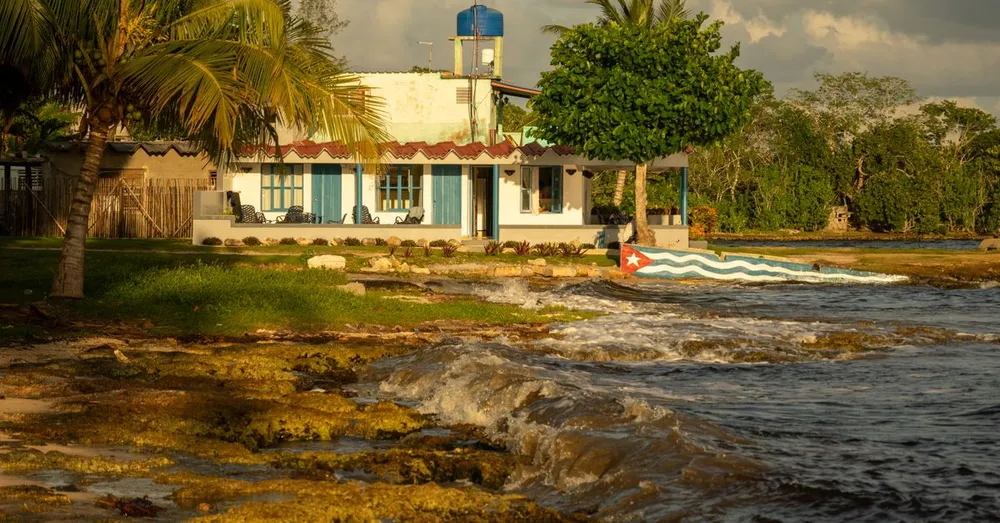
This is the constraint that generalist guides ignore. On the Atlantic side (Le François, Le Robert, the Caravelle peninsula, Le Vauclin), sargassum strandings release a rotten-egg-smelling gas that seeps into properties near the shore and tarnishes silverware, jewellery and sometimes electronics. Cleaning doesn’t make the phenomenon go away, but on-the-ground management eases it: controlled ventilation, air purifiers, transparent information for the guest. On the Caribbean side (Anse Dufour, Grande Anse d’Arlet, Les Salines), the problem is almost absent, which also weighs in the choice of a property to operate.
Turnaround cleaning, step by step
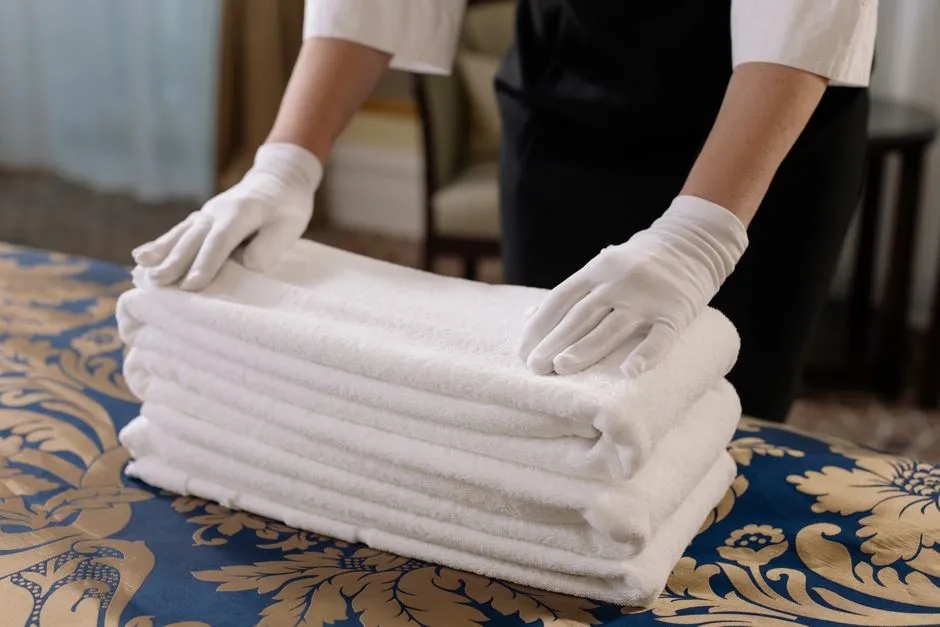
Here’s what a turnaround clean between two stays actually looks like in a well-kept property in Martinique. Allow 2.5 to 4 hours for a one- or two-bedroom unit depending on condition, versus an hour and a half for a mainland equivalent.
- Immediate airing: open everything wide as soon as you walk in, ideally 30 minutes before starting, to clear out accumulated humidity.
- Bathroom and kitchen: descaling (the water is hard in several municipalities), preventive treatment of the seals, checking for any nascent mould.
- Floors and surfaces: careful vacuuming of the sand, washing, dusting off the dust-haze film on windows and worktops.
- Air conditioning: cleaning the filters every two or three departures, because a filter clogged with salt gives off a smell and loses efficiency.
- Outdoor areas: terrace, garden furniture, pool surrounds, often forgotten even though they are at the heart of the Caribbean experience.
- Final check: the property’s smell, the state of the linen, small repairs (light bulb, seal, mosquito screen).
The maintenance frequency that weighs on running costs
This is the crux of the matter for an owner. In this climate, some maintenance simply can’t wait for guest turnover:
- Descaling and anti-mould: ongoing at every clean, not once a quarter.
- Air conditioning filters: frequent cleaning, annual replacement.
- Household linen: shortened lifespan from frequent high-temperature washing (see below).
- Outdoor furniture and terrace textiles: replaced more often because of sun, salt and rain.
All of this translates into euros. Where a mainland owner sets aside 4 to 6 % of rental income for routine maintenance, in Martinique I recommend aiming for 8 to 12 %, sometimes more on a seafront property. Underestimating this line item eats into your net margin without you seeing it coming. Our complete guide to Martinique places these climatic realities in the wider context of life on the island.
Laundry for a short-term rental in the French overseas territories
Linen deserves a chapter of its own, because that’s where the climate hits the wallet most quietly.
Drying laundry in the tropics: a headache
With high humidity, open-air drying is slow and unreliable: a sheet can stay damp for hours, take on a musty smell, even go mouldy if it’s put away not quite dry. A tumble dryer becomes almost essential for laundry in an overseas short-term rental, but it uses a lot, and electricity isn’t cheap.
My field benchmarks for linen:
- Wash at 60 °C minimum for sheets and towels, to avoid odours and sanitise, which wears out the textile faster.
- Immediate and complete drying: never store half-dry linen in a closed cupboard.
- Storage in a ventilated area, with anti-humidity sachets, and a double stock of linen to absorb delays.
- More frequent replacement: a white sheet turning grey or scratchy towels send 5-star reviews running.
In-house or outsource the laundry?
Two schools of thought, and the right choice depends on volume.
- Washing on site: handy for small units, but it ties up the property’s machine, lengthens cleaning time and speeds up wear on the appliances — an imported washing machine easily costs 450 to 600 € to replace here, dock dues included, sometimes with several weeks’ wait for a spare part.
- Entrusting it to a professional laundry: you get back spotless, ironed linen, ready to lay out. Reckon on average 8 to 12 € per set (duvet cover, fitted sheet, pillowcases, towels) per bed. On a rental that turns over 30 to 40 stays a year, the maths is worth running.
Many remote owners can’t imagine that a simple problem of poorly dried linen can trigger a negative review and drag down their ranking. That’s precisely the kind of detail that on-the-ground management absorbs without you giving it a thought.
Why delegate this upkeep to a local operator
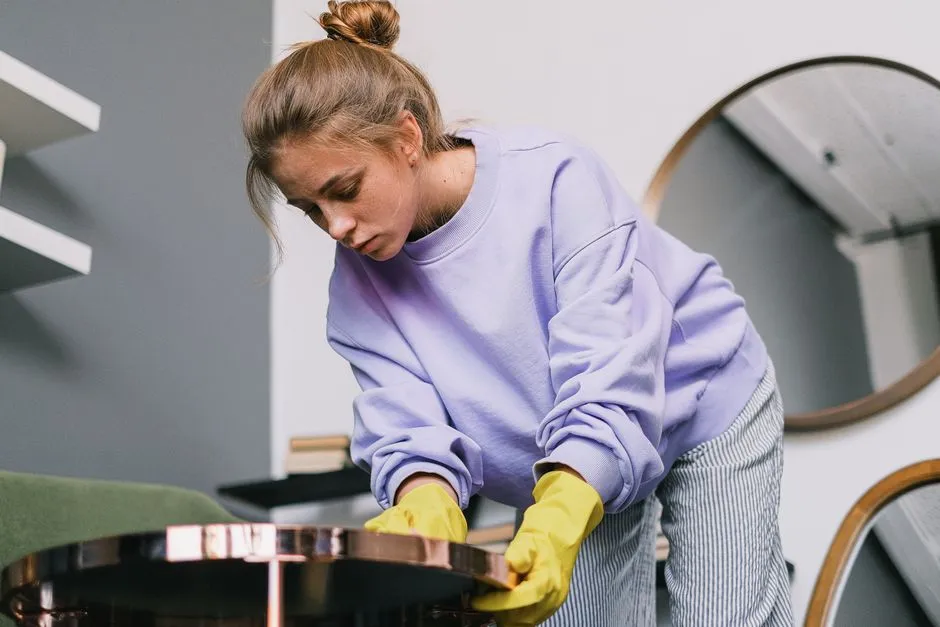
Managing this cleaning and laundry from mainland France, with a 5-hour time difference in winter and 6 in summer, is close to impossible. You can’t check a mouldy seal, reset a tumble dryer or react to a sargassum stranding by phone from Paris. That’s where proximity changes everything.
At Hostel Toucan, a concierge and short-term rental service in the French overseas territories, we build all these constraints into our routines: teams less than 30 minutes from the tourist municipalities, local laundry partners, a buffer stock of linen, preventive treatment of humidity and air conditioning. For the guest, that means a flawless property and 7-day WhatsApp support; for the owner, a preserved net margin. We also offer direct booking with no platform fees, with free cancellation up to 7 days before arrival, to build loyalty among returning guests. Discover our approach on the owners page and browse our rentals in Martinique to see the level of finish this maintenance work makes possible.
Maintaining a furnished rental in the tropics isn’t doing the cleaning on a bigger scale: it’s anticipating humidity, salt, sand and sargassum before they damage the property and the listing’s reputation. It’s invisible in a beautiful photo, but it’s exactly what separates a property that keeps turning over from one that wears out.
FAQ
How long does cleaning an Airbnb in Martinique take between two stays?
Allow on average 2.5 to 4 hours for a one- or two-bedroom unit, well above mainland levels. The difference comes from the sand to vacuum, the dust-haze film on surfaces, the preventive treatment of seals against mould and the regular cleaning of air conditioning filters. The outdoor areas (terrace, pool surrounds), at the heart of the Caribbean experience, add still more time that’s often overlooked in a budget set up from afar.
Do you need a tumble dryer to rent out a furnished property in Martinique?
It’s very strongly recommended. Tropical humidity makes open-air drying slow and risky: linen put away not quite dry takes on a musty smell, or even goes mouldy. A tumble dryer guarantees ready-to-lay linen between arrivals. The alternative is to entrust the laundry to a local provider, for around 8 to 12 € per bedding set, which avoids wearing out the property’s appliances and tying up the machine during the clean.
How do you prevent mould in a tropical short-term rental?
The golden rule is ventilation: air the place out at every visit, never leave a property completely closed for more than five to six days, and treat bathroom seals preventively. I add anti-humidity sachets in the cupboards, frequent cleaning of the air conditioning filters and a systematic check of poorly ventilated areas (behind furniture, under sinks). During the rainy season, from June to November, these steps become essential to avoid finding marks at the next arrival.
What budget should you plan for maintaining a furnished holiday rental in Martinique?
Where a mainland owner sets aside 4 to 6 % of rental income for routine maintenance, I recommend aiming for 8 to 12 % in Martinique, more on a seafront property. This difference is explained by the accelerated wear from salt and sun, the more frequent replacement of linen and outdoor furniture, and the cost of appliance replacements inflated by the dock dues. A local concierge service like Hostel Toucan builds these items into its management to avoid nasty surprises for your net margin.