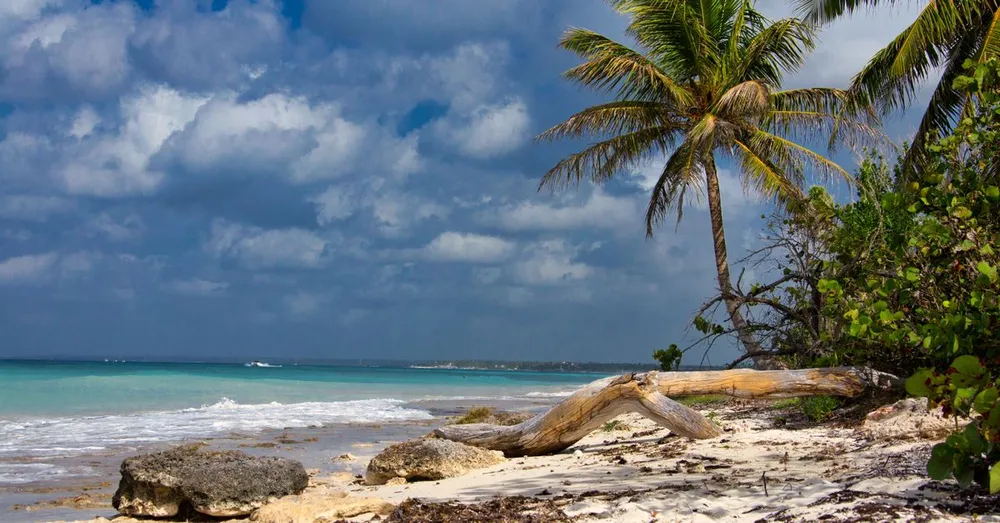
When the trade winds set in and the Caribbean coast dozes at anchor, it’s the other side of the island that comes alive. Martinique’s Atlantic shore, swept by a steady wind and shielded by a string of islets and coral barriers, is one of the most underrated riding playgrounds in the French Antilles. Flat lagoons, water at 27-28 °C all year round, and room to roam: for anyone into kitesurfing in Martinique or windsurfing, the South Atlantic is a quiet little paradise.
After several seasons rigging up my kite on these waters, here’s an honest tour of the best spots, the winds to expect month by month, and the schools where you can learn safely, from Vauclin to Cap Chevalier by way of the islets of Le Robert.
Why Martinique’s Atlantic coast is made for riding
Martinique is swept by the trade winds, those easterlies that blow almost continuously across the Atlantic shore. It’s the ideal orientation: the wind comes off the sea (side to side-onshore depending on the spot), which makes the return to the beach safe and keeps a rare consistency. Three ingredients make for a quality riding spot in Martinique on the east side:
- The wind: 12 to 22 knots on average during the dry season (the Carême), with peaks in January and February.
- The flat lagoons: behind the coral barriers and islets, the water stays smooth even when it’s blowing hard. Perfect for both learning and freestyle.
- The warm water: 27 to 28 °C all year round. No wetsuit needed, just a UV-protection rash guard.
A useful reminder: Martinique is a French overseas department (DROM). Your certifications (IKO for kite, FFVoile for windsurf) are recognized, the euro is the currency, the dialing code is +596, and the time difference is -5 h in winter, -6 h in summer versus Paris. A car is strongly recommended: the spots are scattered and poorly served by public transport.
Local tip: the trade winds often pick up mid-morning and ease off in late afternoon. The best sessions happen between 10 a.m. and 4 p.m.
Le Vauclin: the star kitesurf spot in Martinique
If only one name is to be remembered, it’s this one. Le Vauclin, about 50 minutes from Fort-de-France (45 km) and 40 minutes from Aimé Césaire airport in Le Lamentin, is the mecca of windsurfing and kitesurfing on the island.
Pointe Faula: the perfect lagoon
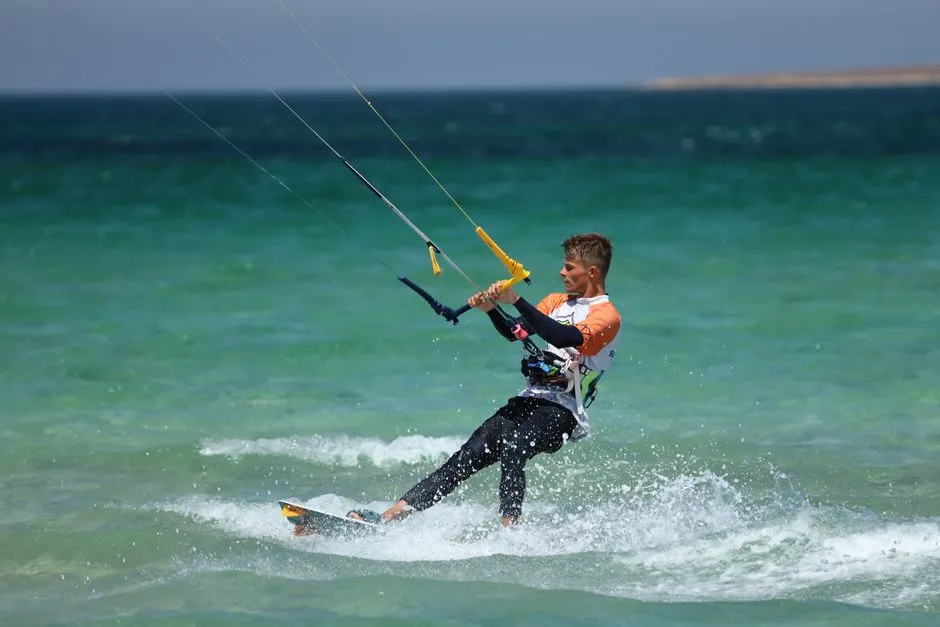
The legendary spot is Pointe Faula: a vast turquoise lagoon, shallow (you can often touch the bottom far from shore), protected by the coral barrier, with a steady side-shore wind. Flat water, sandy bottom, wide-open space: the ideal place to start kiting or windsurfing as well as to progress.
- Level: from complete beginner to advanced.
- Prevailing wind: side to side-onshore, 15 to 20 knots in season.
- Parking: free, but arrive early on weekends.
- On site: food trucks, snacks and several schools.
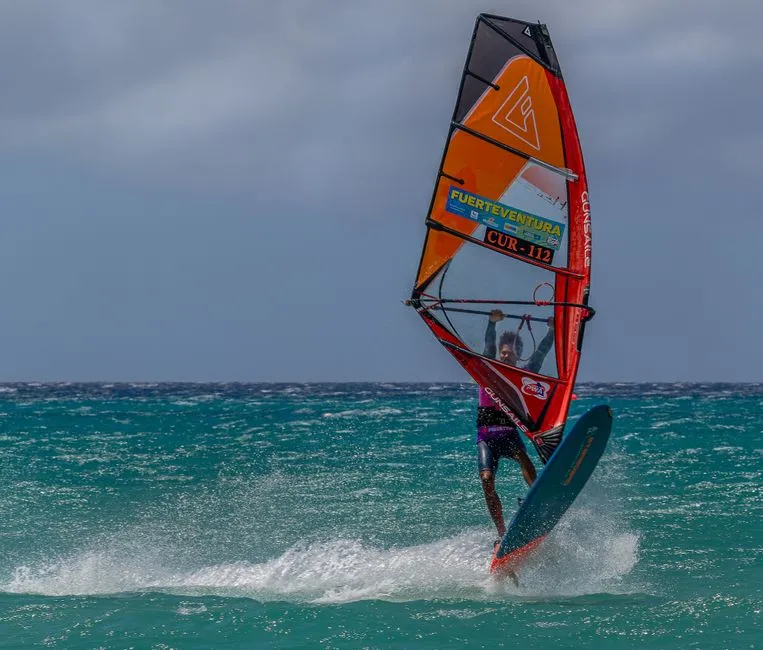
On the windsurf side, windsurfing at Le Vauclin is a tradition that predates kiting: Pointe Faula remains one of the best stretches of water in the Lesser Antilles for slalom and freestyle.
Cap Chevalier: Sainte-Anne’s hidden kite spot
Further south, in the territory of Sainte-Anne, Cap Chevalier is the other great name in Martinique riding. Cap Chevalier kite is practiced on a superb lagoon, closed off by Îlet Chevalier and a coral barrier, in a wilder setting than Le Vauclin. The crystal-clear, shallow water makes it one of the island’s most beautiful spots; on windless days, you can even walk out to the islet at low tide for some snorkeling.
- Level: intermediate to advanced depending on the zone.
- Prevailing wind: side-onshore, sustained at the height of the Carême.
- Access: via the Cap Chevalier road from Sainte-Anne, about 1 h 10 from Fort-de-France.
- Caution: fewer facilities than at Le Vauclin, so bring your own gear and ride with company if you’re new to the spot.
Cap Chevalier is also the starting point of the Trace des Caps, the coastal trail of the Grand Sud: a chance to combine riding in the morning and a coastal hike in the afternoon.
Le Robert and its islets: flat water as far as the eye can see
Further north along the Atlantic coast, the bay of Le Robert and its string of islets (including Îlet Chancel and its iguanas) offer vast sheltered stretches of water. More low-key terrain, prized by self-reliant riders looking for space and flat water away from the crowds. The wind here is a bit more fickle than at Le Vauclin, as the coast is cut into bays, but on well-oriented days you ride on glassy water between the islets. Reserved for riders who are already self-sufficient and well informed about the navigation zones.
Also worth knowing: Le François, neighbor to Le Robert and famous for its fonds blancs, and Pointe Marin (Sainte-Anne / Le Marin) for beginner windsurfing in moderate wind, in a sheltered setting on the south side.
Which wind, which season? The riding calendar
Kitesurfing in Martinique is possible much of the year, but not all seasons are equal.
- December to April (the Carême, dry season): THE time. Established trade winds, a steady 15 to 22 knots, clear skies, flat water. January and February are the windiest. It’s also the Carnival season (February-March), worth fitting into your trip if your dates line up.
- May to August (shoulder season then summer): more irregular wind, and the Saharan dust haze can reduce visibility from July to August.
- September to November (wet / hurricane season): the calmest period for wind, with frequent showers. Best avoided if riding is your main motivation.
On the kite gear side, a 9 m² kite covers most of the season, complemented by a 12 m² for light days and a 7 m² for the January peaks (average build).
Learning safely: the affiliated schools
Starting out on an unfamiliar spot without supervision is a bad idea. Martinique has several serious affiliated schools, concentrated in Le Vauclin and Sainte-Anne. Favor the IKO label (International Kiteboarding Organization) for kitesurfing, an FFVoile affiliation or an École Française de Voile club for windsurfing, with recent gear and certified instructors.
Realistic rates seen on the island:
- Private kitesurf lesson (1 h): €60 to €90; beginner course (6 to 9 h over several days): €350 to €500.
- Windsurf lesson (1 h 30, group): €35 to €50.
- Half-day rental: €40 to €60 for kite, €20 to €30 an hour for windsurf (self-reliant rider).
Book at least 48 h in advance, more during school holidays and the peak of the Carême. A skill card (IKO or equivalent) is required for self-reliant rental.
Safety first: the Atlantic is still the Atlantic. Stay within the marked zones, respect the lanes of the yoles and fishing boats, never head out underpowered in strong wind, and let someone know about your session.
Where to stay to string sessions together
To ride in the morning without an hour’s drive, it’s best to drop your bags on the South Atlantic side: Le Vauclin, Sainte-Anne, Le Marin or Le François put you just minutes from the spots and their best wind windows.
At Hostel Toucan, we offer hand-picked seasonal rentals all over the island, with a fine-grained knowledge of the terrain and its spots. Booking directly means: no platform commission (you pay the fair price), free cancellation up to 7 days before arrival (handy when you’re watching the weather), and WhatsApp assistance 7 days a week, from choosing the spot based on the day’s wind to the best school to get started.
To plan your trip, check out our complete guide to Martinique, browse our rentals in Martinique near the spots, and if you own a property on the island, discover our concierge services for owners.
Martinique’s Atlantic coast isn’t just about its wild beaches and idyllic islets: for those who know how to read the wind, it’s also one of the finest stretches of riding water in the Caribbean. Pump up the kite, the trade winds are waiting.
FAQ
What is the best kitesurf spot in Martinique?
Pointe Faula, at Le Vauclin, is the benchmark spot: a flat, shallow lagoon protected by the coral barrier, suitable for beginners and advanced riders alike. Cap Chevalier, at Sainte-Anne, is the other great spot, wilder and a bit more technical.
What is the best time to kitesurf in Martinique?
The dry season, the Carême, from December to April: established trade winds of 15 to 22 knots, clear skies and flat lagoons, with January and February being the windiest months. The September-November period, calmer and rainier, is best avoided if riding is your priority.
Can you start kitesurfing in Martinique with no experience?
Yes. The flat lagoon of Pointe Faula is reassuring for your first lessons, and several IKO-certified schools offer beginner courses (around €350 to €500 for 6 to 9 h over several days), from ground kite-flying to your first runs. Water at 27-28 °C means no wetsuit needed.
Do you need to bring your own riding gear?
Not necessarily: the schools in Le Vauclin and Sainte-Anne rent kites and windsurf equipment, on presentation of a skill card for self-reliant practice (€40 to €60 per half-day for kite, €20 to €30 an hour for windsurf).