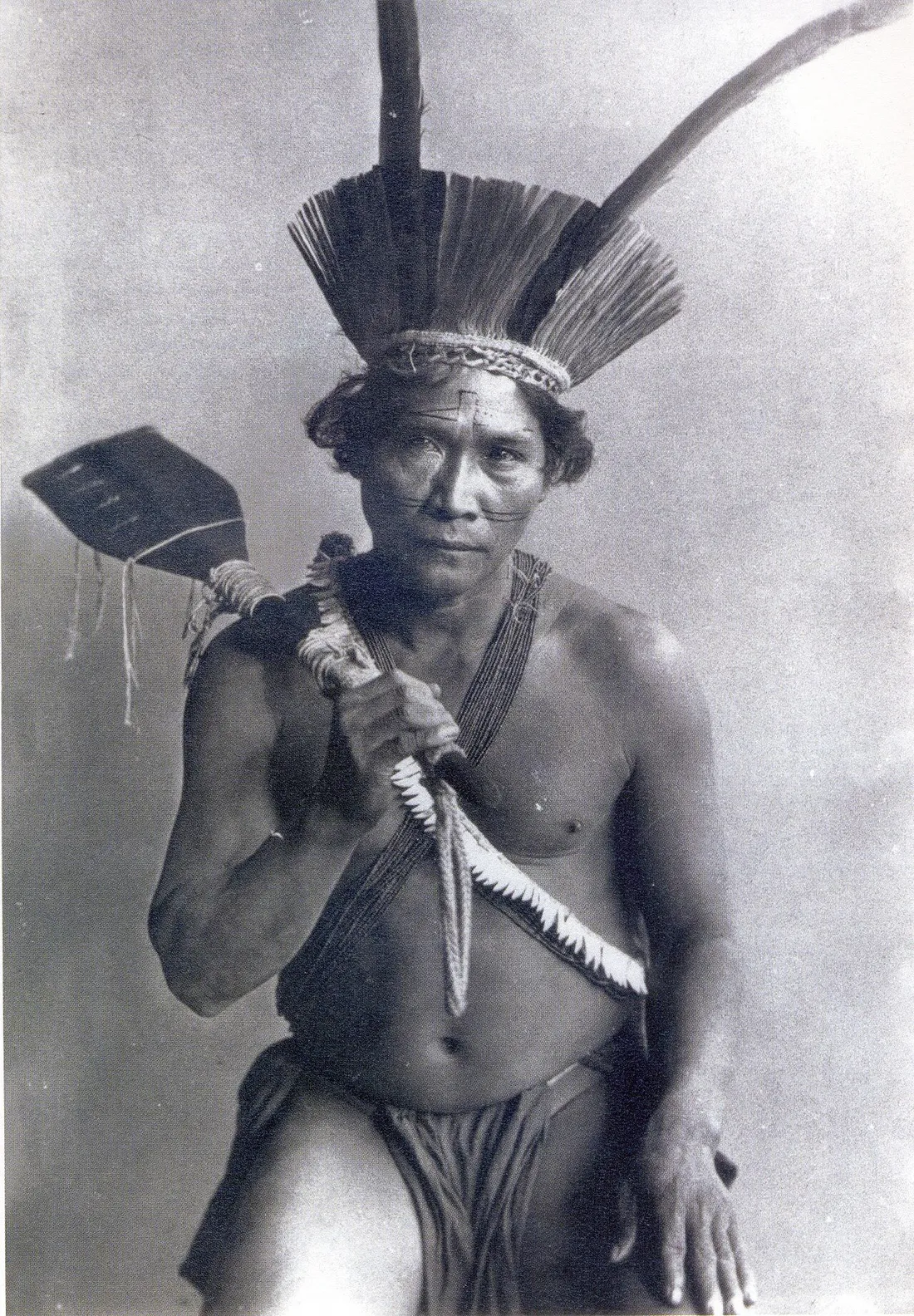
The Kali’na Games are among the most striking events for anyone wishing to approach the Amerindian culture of French Guiana with respect and curiosity. Held in the town of Awala-Yalimapo, at the far western edge of the territory, they celebrate traditional contests, ancestral know-how, and a way of life passed down from generation to generation. Before you go, take the time to understand who the Kali’na and the other Indigenous peoples of French Guiana are: it is the best way to engage with this living heritage as an attentive visitor rather than a mere spectator.
Who are the Kali’na and the Amerindian peoples of French Guiana?
French Guiana is home to several Amerindian peoples whose presence predates colonization. Six recognized Indigenous peoples are generally distinguished, spread between the coast and the interior:
- The Kali’na (sometimes spelled Galibi), a coastal people of the west, to whom the Awala-Yalimapo Games belong.
- The Lokono (or Arawak), also present along the coastal strip.
- The Pahikweneh (Palikur), settled toward the east, around the Oyapock.
- The Teko and the Wayãpi, peoples of the interior, along the rivers of the south.
- The Wayana, on the upper Maroni, renowned for their craftsmanship and village organization.
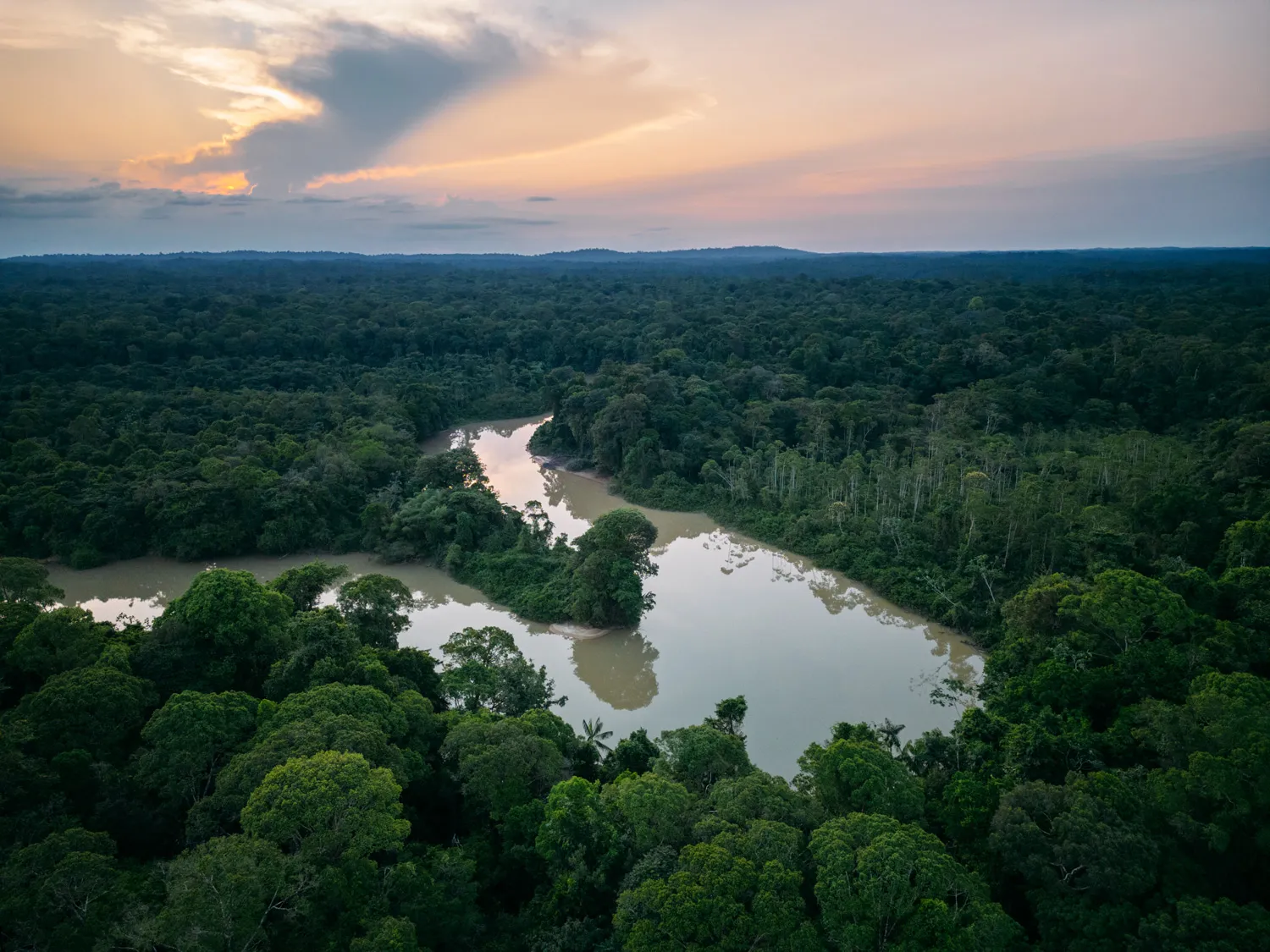
The Kali’na belong to the broad Carib language family and traditionally live along the ocean and estuaries. They are first and foremost a people of pirogue paddlers and fishers, whose daily life has long revolved around water, the forest, and cassava. This close relationship with the natural environment largely explains the nature of the contests you will discover at the Games.
What are the Kali’na Games?
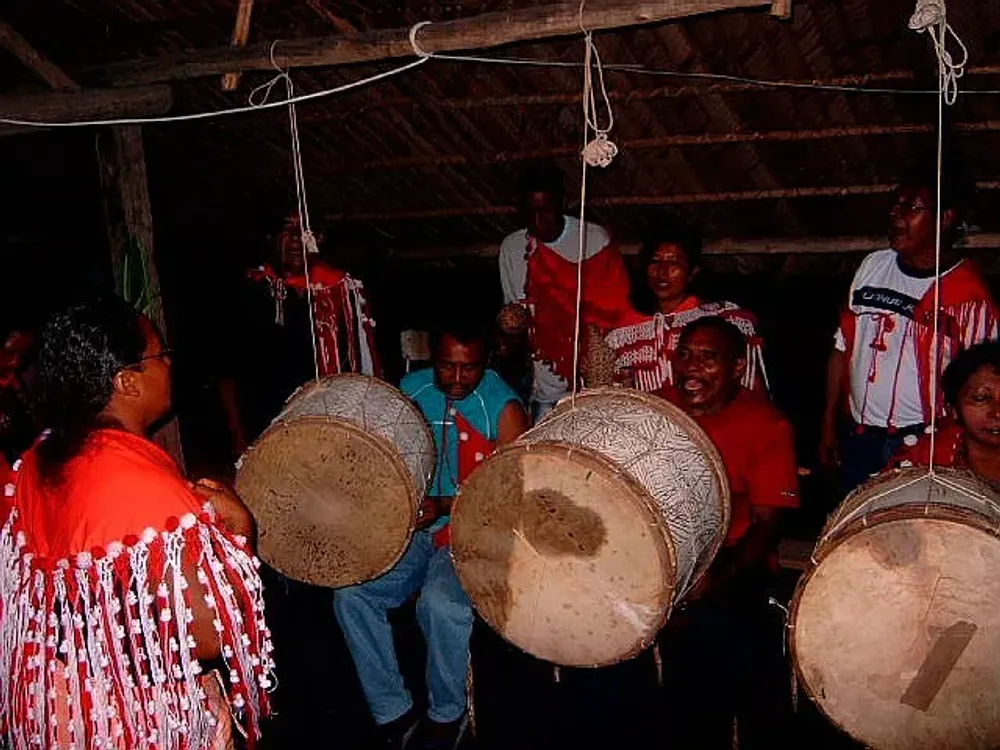
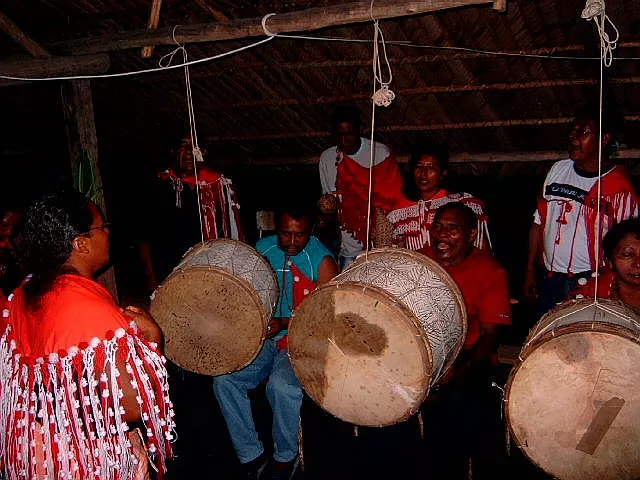
The Kali’na Games are cultural and sporting festivities intended to celebrate and pass on the traditional practices of the Kali’na people. In Awala-Yalimapo, a town located on the border with Suriname, residents open their gathering to Guianese visitors and travelers, who can watch or take part in contests directly inherited from the everyday gestures of the past.
The spirit of these days goes well beyond mere competition. The aim is to:
- Pass on to younger generations skills that might otherwise be lost.
- Affirm a living cultural identity, in a spirit of pride and recognition.
- Build connections between villages, families, and neighboring peoples, including those of nearby Suriname.
For you, it is the chance for an authentic immersion, far from mass tourism, provided you come as a respectful guest rather than a consumer of folklore.
What are the traditional contests?
The competitions bring together numerous teams around contests directly inspired by ancestral activities of hunting, fishing, navigation, and forest life. You will generally find:
- Running: a test of endurance and speed.
- Coconut tree climbing: an agile ascent of a trunk, recalling traditional harvesting.
- Pirogue racing: paddling upstream, celebrating the Kali’na art of navigation.
- Archery: precision inherited from hunting and fishing techniques.
- Tug of war: a collective test of strength and team cohesion.
- The devil game: a test of skill and coordination.
- Load carrying: a demonstration of endurance and sturdiness.
- Javelin throwing: a gesture of strength and precision.
As the Kali’na are a people of pirogue paddlers, the water-based contests hold a central place and often draw the most attention from the crowd. Each contest tells part of the story of the traditional way of life: the pirogue evokes travel along the rivers, archery recalls hunting, and climbing recalls harvesting. It is this symbolic dimension that sets the Games apart from a simple sporting event.
Kali’na craftsmanship and material culture
Beyond the contests, these cultural gatherings are an opportunity to discover a remarkably refined Amerindian craftsmanship, deeply tied to the resources of the forest and the coast. You will be able to appreciate in particular:
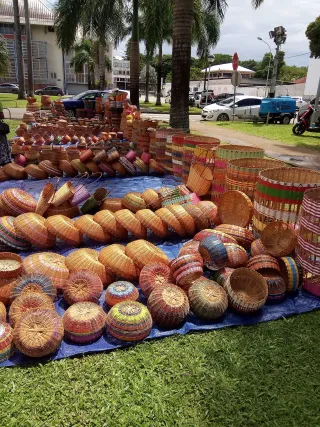
- Basketry, woven from plant fibers, used to make baskets, carrying packs, and the famous cassava snake (couleuvre à manioc) used to press the tuber.
- Pottery, shaped and decorated with traditional motifs, some pieces of which still serve everyday functions.
- Beads and adornments, assembled into necklaces and ornaments bearing symbolic motifs.
- Fishing and navigation objects, such as paddles and pirogues, carved according to techniques passed from father to son.
Gastronomy also plays an important role. Cassava is the staple food: turned into cassava bread, into couac, or worked into preparations such as kasilipo (a traditional cassava-based dish), it accompanies most moments of sharing. Tasting these dishes, when they are offered, is fully part of the experience.