
You’ve just learned of your transfer to French Guiana and the plane takes off in a few weeks. Whether you’re a State civil servant, a gendarme, a healthcare worker, a teacher, a space-sector employee or a seconded worker, the most urgent question isn’t finding a permanent home, but knowing where to set down your bags for the first three months, the time you need to understand the territory, to visit calmly and to sign a lease with full knowledge. Rushing into a rental seen from mainland France, without having set foot in the neighbourhood, is the mistake newcomers most regret.
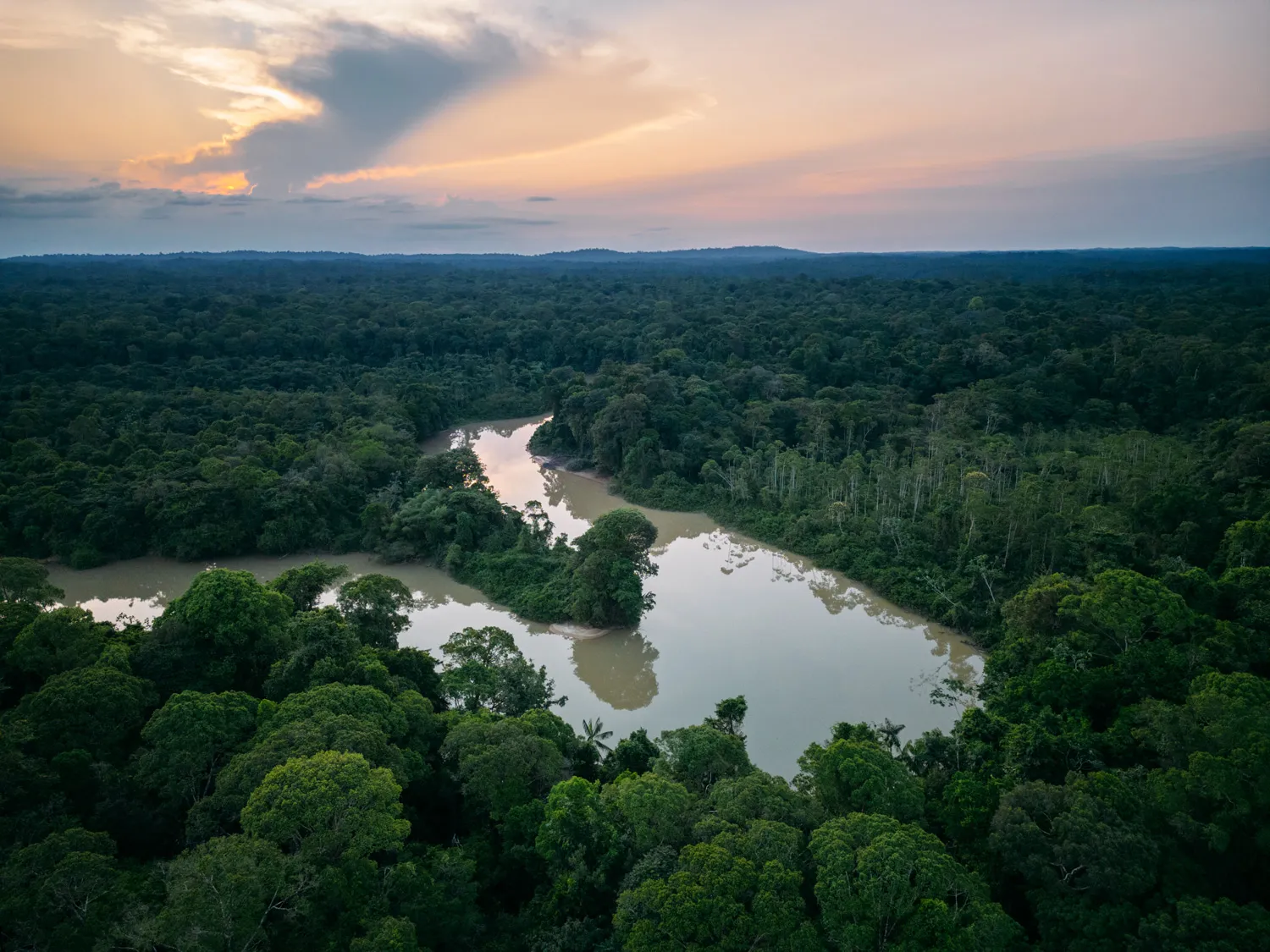
French Guiana is not a small island: it’s a department the size of Portugal, with very different realities between the urbanised coast (Cayenne, Kourou, Saint-Laurent-du-Maroni) and the interior. The housing market is tight, rents are higher than you’d imagine, and the logistics of settling in (furniture, vehicle, school, network) take time. This guide helps you secure those first 90 days: where to stay depending on your posting, what budgets to plan for, which furnished solution to choose, and which steps to launch as a priority.
Why you shouldn’t sign a lease remotely
This is the first piece of advice, and the most important. A home that looks ideal in photos can turn out to be poorly ventilated, far from everything, exposed to noise or located in a neighbourhood you’d have avoided had you known. On arrival, you’ll also discover that certain criteria matter enormously in French Guiana and are invisible from a listing: the orientation facing the trade winds (to air out without permanent air conditioning), the presence of mosquitoes depending on proximity to stagnant water, the real state of the electrical supply, or the distance to your workplace at rush hour.
The safest approach is to split the move into two stages:
- Phase 1 (months 1 to 3): furnished, flexible, ready-to-live accommodation, with no long-term commitment. You settle in, you work, you explore.
- Phase 2 (from month 3-4): an unfurnished rental on a standard lease, or a purchase, chosen after visiting in person and understanding your daily commutes.
This split avoids the trap of a lease signed in a hurry, and gives you time to negotiate calmly. To prepare this transition, keep an eye on the blog where we publish practical pointers on settling in French Guiana.
Where to stay depending on your posting
The right neighbourhood depends first and foremost on where you’ll be working. Commutes in French Guiana are often counted in tens of kilometres and a car is all but essential outside the centres.
You’re posted to Cayenne and its urban area
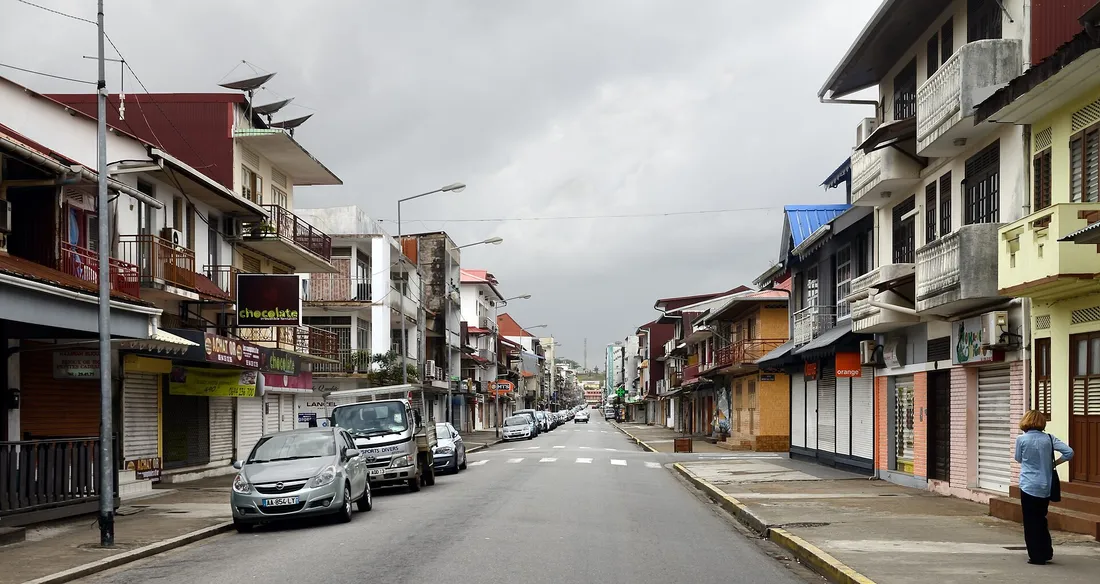
Cayenne concentrates the administration, the Cayenne hospital (in Montjoly), the courts, the education authority and much of the public services. The urban area also includes Remire-Montjoly (residential, close to the Montjoly and Rorota beaches) and Matoury (near Felix-Eboue airport, more affordable).
A few neighbourhood pointers:
- Central Cayenne (Chinese Village, Cabassou, historic districts): close to services, livelier, but parking and heat in town.
- Montabo: sought-after residential heights, close to the centre and the seafront.
- Remire-Montjoly: family-friendly, beaches, schools, often favoured by transferees with children.
- Matoury / La Chaumiere: a good price/airport-access compromise, growing fast.
For a comfortable, well-connected first base, discover our accommodation along the coast.
You’re posted to Kourou
Kourou lives to the rhythm of the Guiana Space Centre (CSG). Many employees of ArianeGroup, CNES, subcontractors and the base are transferred there. The town is smaller, more concentrated, with quick access to the beaches and to the jetty for the Salvation Islands. Housing is in demand during launch campaigns; plan ahead, especially if your arrival coincides with a launch.
You’re posted to Saint-Laurent-du-Maroni or the West
Saint-Laurent, on the Maroni river facing Suriname, is the department’s second city and one of the most demographically dynamic. Healthcare workers, teachers, gendarmes and public-service agents are transferred there. The rental market is more limited than in Cayenne: it’s better to arrive with a furnished solution booked in advance. Allow around 2 h 30 to 3 h of driving from Cayenne via the RN1.
Other postings (Maripasoula, interior communes)
For the interior communes, accessible mainly by plane or dugout canoe, housing often goes through employer-specific arrangements (staff housing, cabins). In that case, your transit point will generally be Cayenne or Saint-Laurent while you handle formalities: a furnished base on the coast remains useful.
What accommodation solutions for the first 3 months
Several options exist, each with its advantages depending on your profile.
Serviced furnished accommodation (recommended for a transfer)
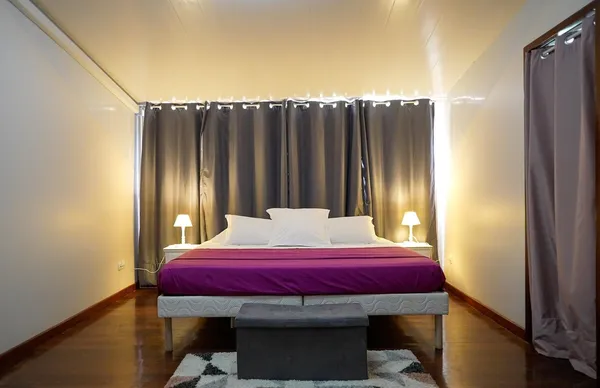
This is the most suitable solution for settling in: a fully equipped home, ready to live in from the first night (linen, kitchen, wifi, cleaning), with no furniture to buy or one-year lease to sign. You pay per stay, you extend if needed, and you leave when your permanent rental is ready. Ideal when your removal container takes several weeks to arrive.
This is precisely what Hostel Toucan offers: furnished accommodation in French Guiana designed for medium-stay periods. Browse our accommodation and write to us via contact us to lock in your transfer dates.
The furnished rental on a mobility lease
The mobility lease (1 to 10 months, non-renewable, no security deposit) was designed exactly for situations of professional transfer and training. It offers a flexible legal framework. You still have to find an available furnished property: supply remains limited and books up early.
The hotel or aparthotel
Handy for the very first days, but costly over time and rarely fitted with a kitchen. To be kept as a stopgap (first week) rather than for the full three months.
Temporary accommodation via the employer
Some administrations and large employers (space, health, security) offer transit housing or relocation assistance on arrival. Ask your HR department or social-action service before departure: it may cover part of phase 1.
Budget: what to expect
The pointers below are indicative and vary greatly depending on the commune, the season, the state of the property and the launch period in Kourou. Treat them as orders of magnitude to build your budget, not as guaranteed prices.
- Short/medium-stay furnished (studio to one-bedroom): often in a range from a few hundred to over a thousand euros per month depending on comfort and location.
- Unfurnished rental on a standard lease: rents on the Guianese coast are generally higher than in mainland France for comparable surface area; add charges and electricity (air conditioning weighs on the bill).
- Vehicle line item: all but unavoidable. Plan for the purchase of a second-hand vehicle (often more expensive than in mainland France) or a rental while you equip yourself.
- Cost of living: many imported products are noticeably more expensive; anticipate a food budget higher than in mainland France.
On day-to-day spending pointers, the blog details several useful items (transport, groceries, seasonality).
Financial points of vigilance
- Ask whether water, electricity and wifi are included in the furnished rental: it changes the comparison.
- Check the cancellation and extension conditions before booking.
- Keep all your accommodation invoices: depending on your status, part of the installation costs may be covered or deductible.