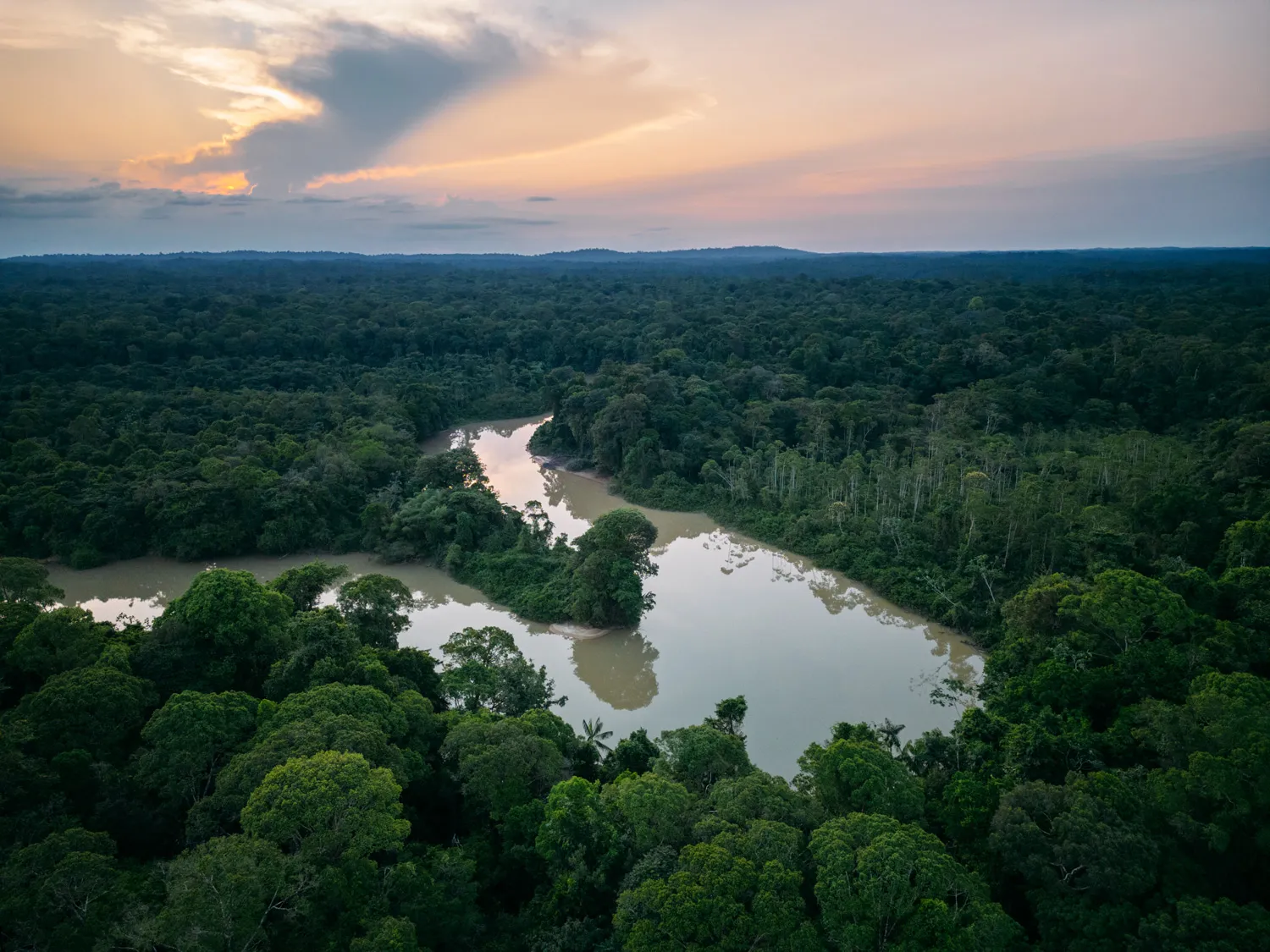
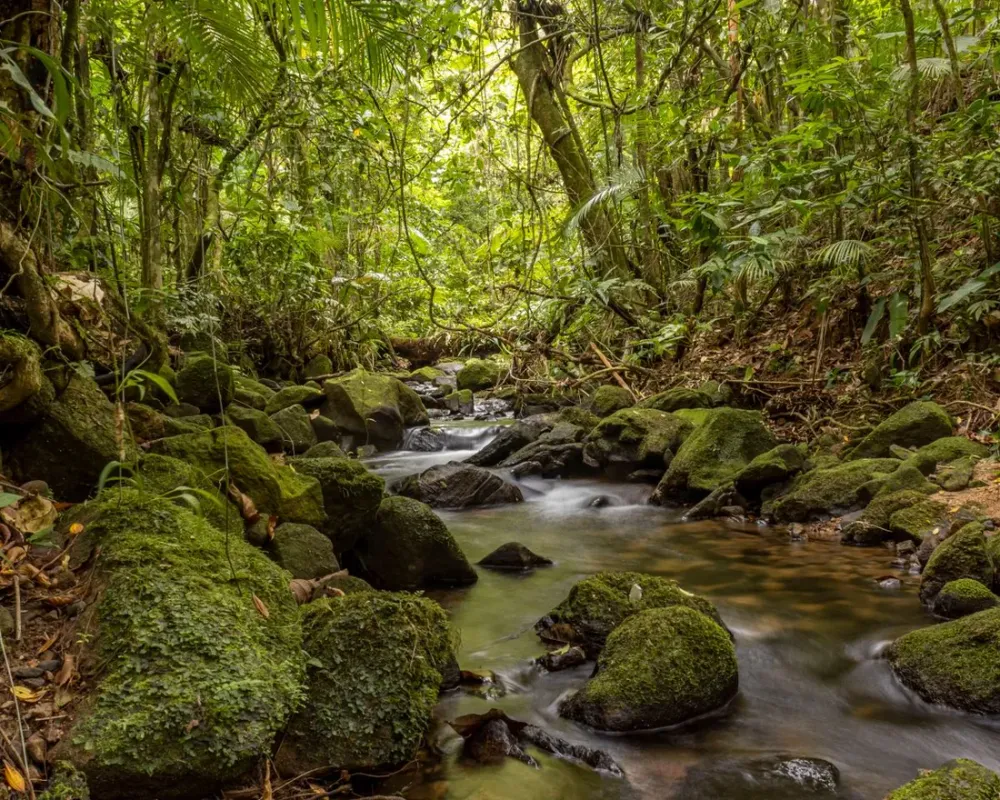
Packing for French Guiana, what exactly should you bring? It’s the question nearly every traveler asks me before landing at Félix-Éboué. The answer often comes as a surprise: a suitcase designed for the Caribbean islands simply doesn’t work here. French Guiana isn’t a coconut-fringed island, it’s a piece of Amazonia perched on the Atlantic. Constant 85% humidity, brutal downpours, mosquitoes on the hunt from 5:30 p.m.: after several years living between Cayenne and Rémire-Montjoly, here’s the list I pass on to every traveler we host.
Good news along the way: it’s a French overseas territory. Euros, well-stocked pharmacies, ordinary supermarkets. Anything you forget can be bought on the spot, often 20 to 40% more expensive than in mainland France.
Understand the Climate Before Filling Your Suitcase
The equatorial climate of French Guiana is unlike anything most mainland travelers have experienced. Three facts change everything:
- Stable temperature: 26 to 33 °C year-round, day and night. No “cool evening” calling for a sweater, except in a hammock shelter around 4 a.m.
- Relative humidity of 80 to 95%. Jeans take two days to dry, a cotton towel never really dries. Anything thick stays in the closet.
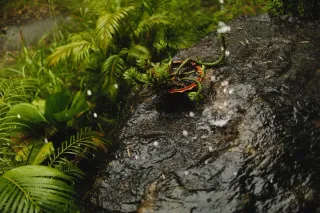
- Brutal, brief rains, especially from December to June: 20 minutes of deluge, then the sun returns. In the dry season (July to late November, the best window), the showers thin out without disappearing entirely.
The packing logic follows from this: breathable synthetic fabrics that dry in two hours, compact rain protection always on you, and a serious anti-mosquito arsenal.
Why a Caribbean Suitcase Isn’t Enough
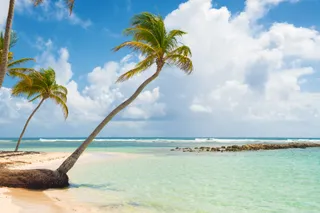
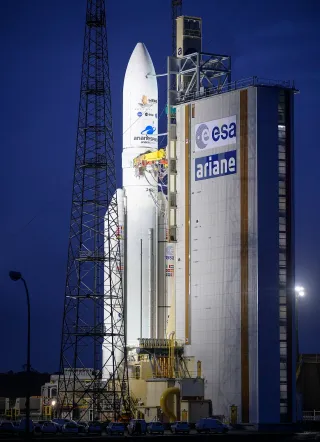
In the Caribbean, you live in a swimsuit between the beach and the terrace. In French Guiana, the water at the beaches of Rémire-Montjoly is amber with sediment from the Amazon, and the heart of the trip plays out elsewhere: a pirogue on the Maroni, a night in a hammock shelter at the Kaw marshes, the Nouragues trails, the Space Center at Kourou. Field activities, not lounging. In concrete terms: fewer beach outfits, more technical gear. The swimsuit mainly comes out at the end of the day, by the pool back at your rental: that is what makes coming home to the air-conditioned studios with a pool at Résidence Francis, in Cayenne’s Montabo district so welcome after a day in the field.
The French Guiana Packing List: Detailed Item by Item
Here is the French Guiana packing list I actually use, calibrated for a 10- to 15-day stay with at least one excursion into the forest or on a river.
Clothes Suited to the Equatorial Climate
Equatorial-climate clothing follows one simple rule: light, covering in the evening, quick to dry.
- 5 to 7 technical t-shirts in polyester or lightweight merino (15-25 € each at a sports store). Cotton soaks up the humidity and ends up smelling of mildew.
- 2 lightweight long-sleeve tops, essential from nightfall (6:30 p.m. all year long) against mosquitoes.
- 2 lightweight hiking trousers, ideally convertible. Jeans are off-limits: too hot, far too slow to dry.
- Shorts and 2 swimsuits — for the creeks and pools, more than for the ocean.
- A thin fleece or a windbreaker: for the flight (glacial air conditioning) and nights in a hammock.
- Plenty of technical underwear: the item people always regret underestimating.
Footwear: The Winning Trio
- Walking sandals or sturdy flip-flops for town, the Cayenne market and the Place des Palmistes.
- Lightweight, already broken-in hiking shoes, low-cut is enough for most trails. No need for heavy mountaineering boots.
- A pair you don’t mind ruining (Crocs or old sneakers) for the pirogue and muddy ground: on the Maroni, you often step off into the water.
Many local guides work in rubber boots. No need to haul them along: you can find a pair for 15-20 € in the hardware stores of Cayenne or Saint-Laurent-du-Maroni if your forest program calls for it.
Mosquito Protection in French Guiana: The Item You Don’t Negotiate
Mosquito protection in French Guiana isn’t a comfort, it’s a health necessity: dengue and malaria circulate (malaria mainly along the rivers and inland). My standard kit:
- Skin repellent with 50% DEET or 25% icaridin: 2 bottles minimum for two weeks (8-12 € a bottle at the pharmacy). The “family” repellents at 10% sold in mainland supermarkets are insufficient here.
- Permethrin-treated clothing (impregnation spray around 15 €, effective through several washes) if you plan on forest or river.
- Treated mosquito net for any night in a hammock shelter — often supplied with the rental hammock, but check before heading out on an expedition.
- Soothing cream and an antihistamine: even well protected, you will get bitten.
On the health-formalities side, the yellow fever vaccine is mandatory (around 70 € at an international vaccination center, at least 10 days before departure, valid for life). Slip the yellow booklet in with your papers.
The Rain and Humidity Kit
- A poncho or compact waterproof jacket, always in your day bag. An umbrella is useless under equatorial squalls.
- Dry bags of 5 to 20 L for phone, papers and camera — vital in a pirogue on the Maroni or at the Kaw marshes. Count on 10-25 € each.
- A rain cover for the backpack and a few zip freezer bags to compartmentalize.
- A microfiber towel: dries in an hour where cotton goes moldy.
- Desiccant packets or rice in the electronics pouch: humidity kills cameras more surely than rain.
Pharmacy, Papers and Sundries
- ID card or passport (useful for neighboring Suriname or Brazil), yellow fever vaccination booklet, driver’s license — a car is indispensable in French Guiana.
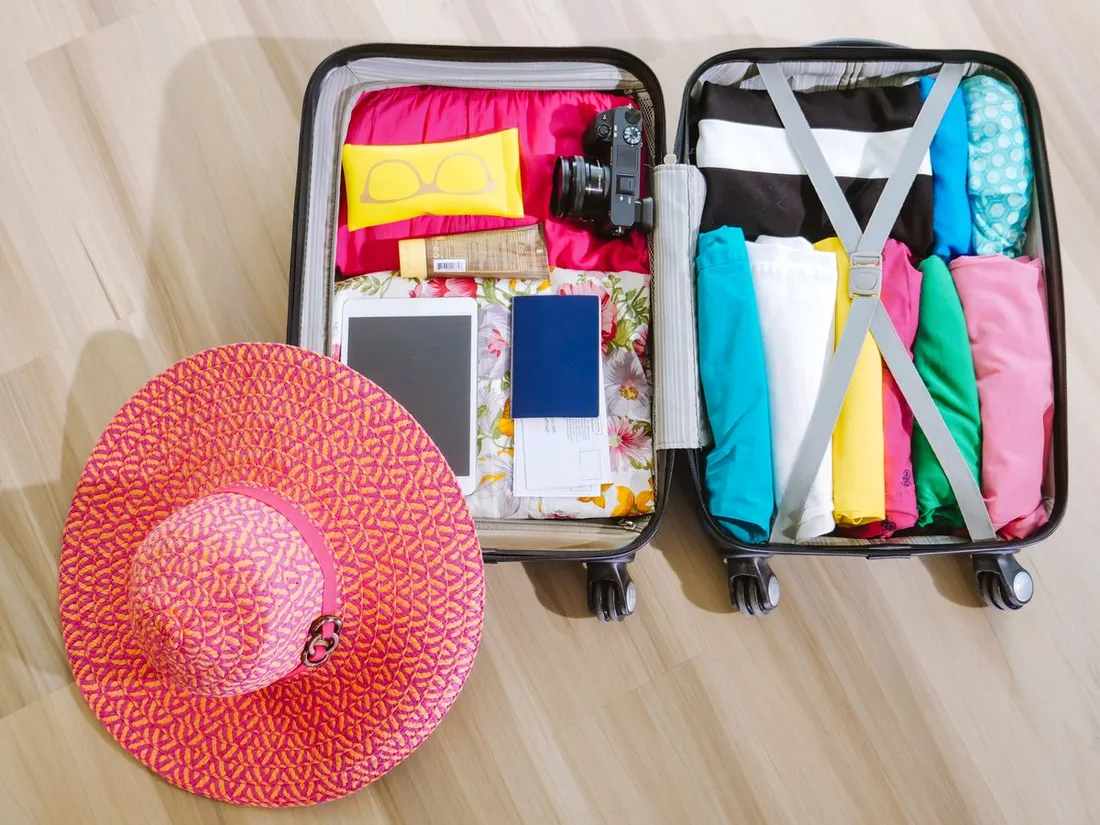
- SPF 50 sunscreen, wide-brimmed hat, sunglasses.
- Basic first-aid kit: anti-diarrheal, paracetamol, disinfectant, blister plasters.
- Headlamp (caiman outings at Kaw and nights in a hammock shelter happen in total darkness).
- No adapter needed: French sockets, 220 V. For calls, count on -5h from Paris in winter, -6h in summer, dialing code +594.
- Lightweight binoculars for the Nouragues or the leatherback turtles at Awala-Yalimapo (April to July).