
Hostel Toucan — Apartments & Hotels
Menu

Settling in

Your First Weekends: Discovering Guadeloupe

Published on July 30, 2026 · by Ismael Samuel

Your First Weekends: Discovering Guadeloupe

Arriving in Guadeloupe for a job transfer, a secondment or a long-term move is a real turning point: a new climate, a new geography, new bearings. The first few weeks are usually swallowed up by paperwork, the hunt for permanent housing and adjusting to the Caribbean pace of life. And yet it is precisely those first weekends that shape your relationship with the archipelago. Planned well, they help you grasp the island’s geography, scout the neighbourhoods you might want to live in and build your first routines. This guide, written for newcomers arriving from mainland France, helps you structure those first outings without wearing yourself out, while enjoying comfortable temporary accommodation as you settle in.

Understanding Guadeloupe’s geography before you set off exploring

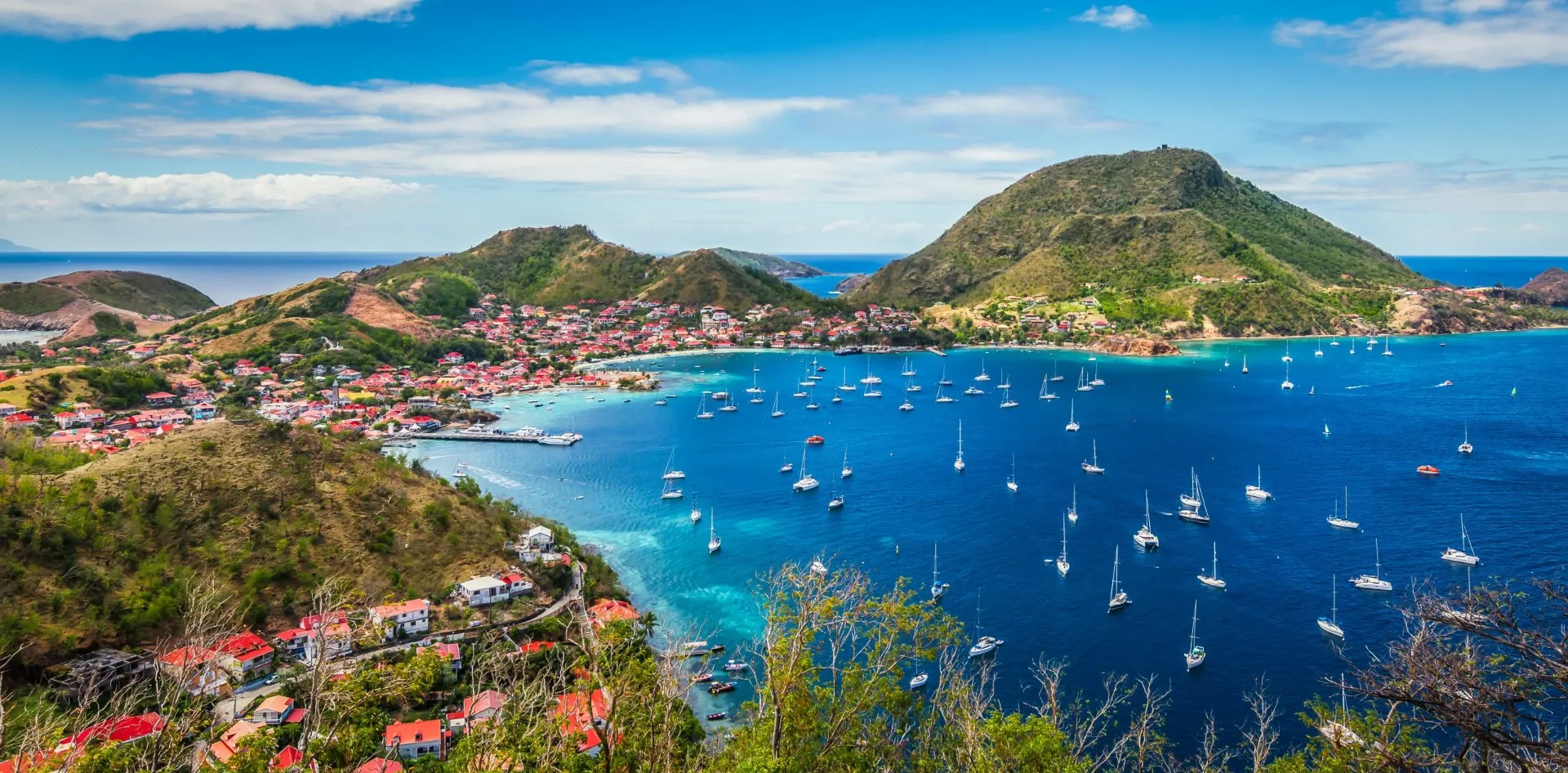
Guadeloupe is not a single island but an archipelago. The main territory, shaped like a butterfly, is made up of two wings joined by a bridge over the Rivière Salée: Grande-Terre to the east and Basse-Terre to the west. Add to that the outlying islands: Marie-Galante, Les Saintes (Terre-de-Haut and Terre-de-Bas), La Désirade, as well as Saint-Martin and Saint-Barthélemy further north.

This distinction is essential when planning your weekends, because the two “wings” have very different characters:

  • Grande-Terre is fairly flat and limestone-based, geared towards beaches, seaside tourism and business activity. It is home to Pointe-à-Pitre (the economic hub), Le Gosier, Sainte-Anne and Saint-François.
  • Basse-Terre is volcanic, mountainous and lush green. It shelters the Guadeloupe National Park, the Soufrière volcano and the town of Basse-Terre, the department’s administrative capital.

Understanding this duality saves you a lot of disappointment: aiming for a rainforest hike on a Sunday when setting off from Le Gosier means a good hour on the road, sometimes more depending on traffic around Pointe-à-Pitre.

Journey times as a rough guide

As a rough guide, allow around thirty minutes between Pointe-à-Pitre and Sainte-Anne, and easily an hour to an hour and a quarter to reach the south of Basse-Terre from Grande-Terre. Traffic jams around the Pointe-à-Pitre conurbation, particularly at peak times and during the commute, can lengthen these times noticeably. Always build in a margin on your first outings.
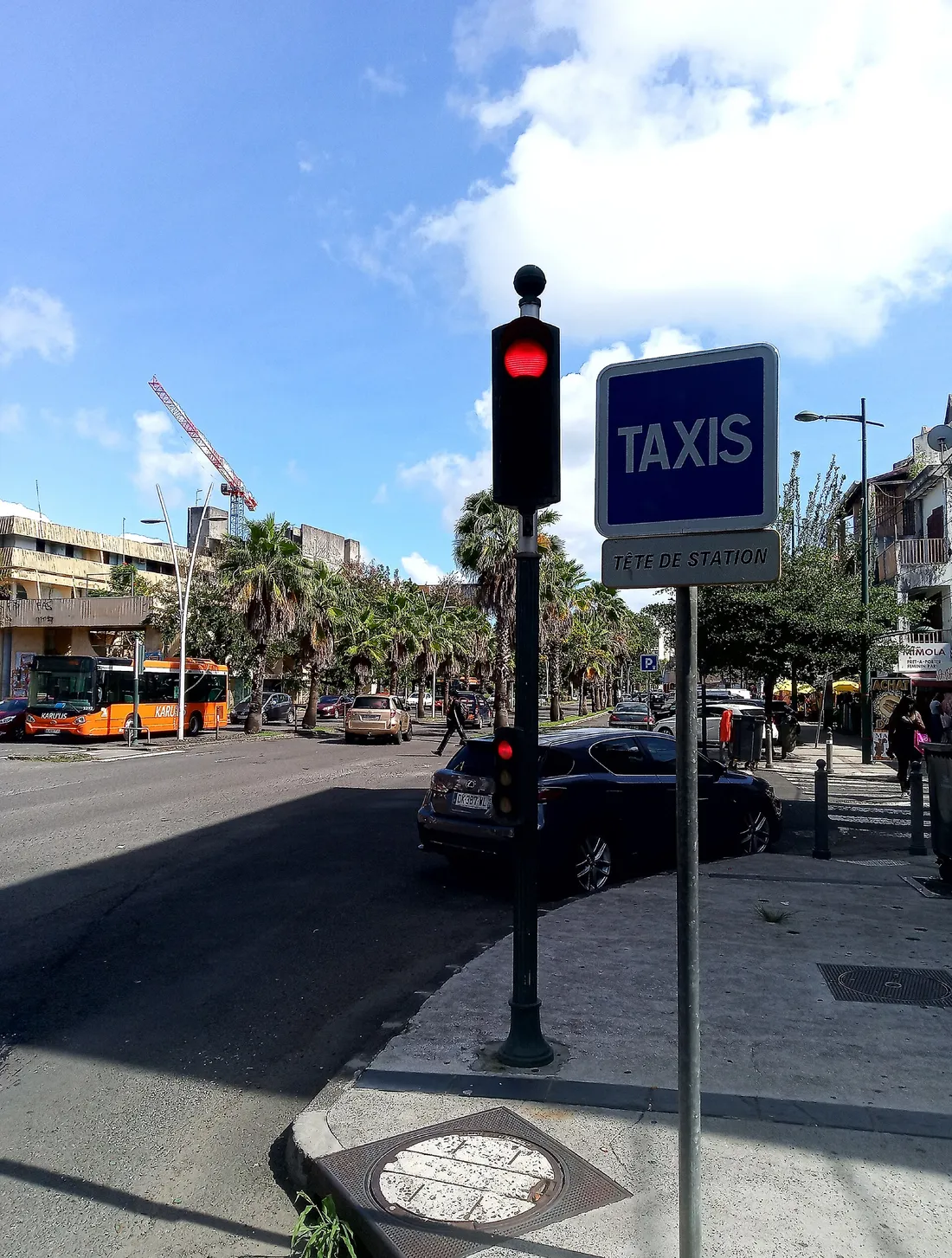
Rue animée de Pointe-à-Pitre en Guadeloupe avec station de taxis, bus et maisons créoles
Pointe-à-Pitre : premières impressions dès l'arrivée, entre station de taxis, bus urbains et façades créoles colorées. — © Filo gèn' — Wikimedia Commons (CC BY-SA 4.0)

Weekend 1: getting your bearings around home

The first weekend is not about clocking up mileage. The aim is to get familiar with your immediate surroundings and sort out the day-to-day essentials.

Scouting local shops and services

Use Saturday morning to identify your anchor points: the nearest supermarket, the market, the pharmacy, the petrol station, the bakery. Markets are an excellent starting point for understanding local life. The Saint-Antoine market in Pointe-à-Pitre, the Sainte-Anne market or the one in Saint-François plunge you straight into local produce: bananas, yams, chayotes, spices, rum punches and fresh fish.

Finding your way around the beaches

Guadeloupe has plenty of accessible beaches, and it is worth pinpointing one or two “local” ones from the very first weekend. In Grande-Terre, the beach at Sainte-Anne, the one in the centre of Saint-François or Anse à la Gourde offer calm, shallow waters. Over on Basse-Terre, the atmosphere changes: black or grey volcanic sand beaches, such as Malendure beach in Bouillante, well known for its access to the Cousteau Reserve.

  • Locate the nearest supermarket, pharmacy and petrol station
  • Find the local market and its opening days
  • Identify two beaches reachable in under thirty minutes
  • Note where your town hall and post office are located

Weekend 2: exploring seaside Grande-Terre

Once you have your bearings, Grande-Terre is ideal ground for a second weekend of discovery, with generally faster-flowing roads and sights clustered close together.

The southern Riviera: from Le Gosier to Saint-François

The coastal stretch linking Le Gosier, Sainte-Anne and Saint-François is the island’s liveliest tourist area. Le Gosier, with its islet and its nightlife, is popular with newcomers for its social scene. Sainte-Anne charms visitors with its town centre, its craft market and its family-friendly beaches. Saint-François, further east, combines a marina, a golf course and restaurants.

Pointe des Châteaux

At the eastern tip of Grande-Terre, Pointe des Châteaux is a must-see. This listed site offers a spectacular panorama over the Atlantic Ocean, with wave-battered cliffs and a summit cross reached by a short trail. On a clear day you can make out La Désirade offshore. It makes an ideal end-of-day outing, provided you bring closed shoes and water.

North Grande-Terre, more authentic

Less visited, North Grande-Terre (Le Moule, Anse-Bertrand, Port-Louis) appeals to those looking for a quieter feel. La Porte d’Enfer, with its lagoon hemmed in between two cliffs, or Pointe de la Grande Vigie, the island’s northernmost point, are worth the detour for their wild landscapes.

Weekend 3: diving into Basse-Terre’s nature

For your third weekend, change of scene and head for Basse-Terre, kingdom of rainforest and volcanic relief. Set aside a full day, as distances are longer there and roads more winding.

The Carbet Falls and La Soufrière

The Soufrière massif, an active volcano peaking at around 1,467 metres, dominates the south of Basse-Terre. Climbing it is for well-prepared walkers and depends heavily on the weather, often cloudy at altitude. Nearby, the Carbet Falls are among the most visited waterfalls: the second fall is generally the most family-friendly.

La Route de la Traversée

The D23, known as the Route de la Traversée, cuts across Basse-Terre from east to west through the heart of the National Park. It gives access to the Maison de la Forêt and the Cascade aux Écrevisses, a very popular freshwater swimming spot. Note: this road can be closed occasionally for roadworks or bad weather, so check before setting off.

The Caribbean south and diving

The leeward coast, from Bouillante to Vieux-Habitants, is a paradise for diving and snorkelling enthusiasts thanks to the Cousteau Reserve, off Malendure. The calm waters of the Caribbean coast contrast with the choppier Atlantic side.
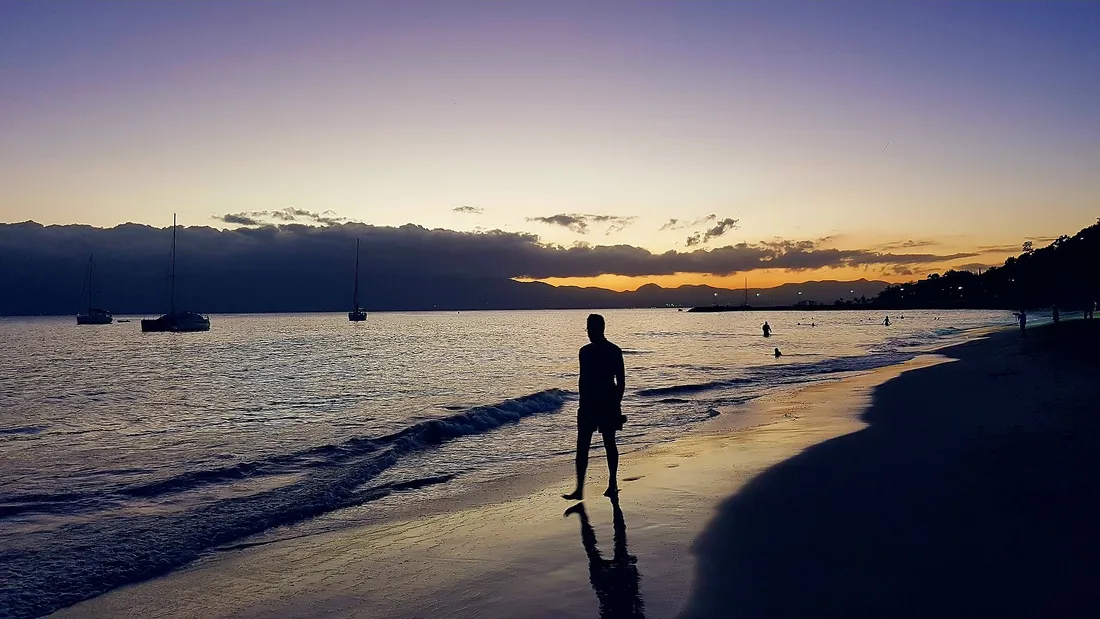
Coucher de soleil sur la plage de la Datcha au Gosier, Guadeloupe, avec silhouette et voiliers
Fin de journée sur la plage de la Datcha au Gosier : le rendez-vous idéal pour clôturer un premier week-end en Guadeloupe. — © Antoine Cupial — Wikimedia Commons (CC BY-SA 4.0)

Finding somewhere to stay while you settle in

One of the biggest challenges for newcomers is the gap between arriving and getting into permanent housing. Finding a long-term rental from mainland France is often a gamble, and viewings are far better done on site. Hence the value of comfortable temporary accommodation for the first few weeks, or even the first few months.

Why opt for a furnished stopgap home

A furnished, fully equipped home saves you buying furniture and appliances before you have chosen your permanent neighbourhood. It also gives you a stable base from which to handle your paperwork, explore the island at weekends and meet potential landlords. That is exactly the kind of solution we offer through our properties, designed for people relocating or in the middle of settling in.

Choosing where to live

Your choice of neighbourhood depends on your workplace and your lifestyle:

  • Le Gosier and Bas-du-Fort: social life, restaurants, close to Pointe-à-Pitre, popular with working people and families.
  • Sainte-Anne and Saint-François: seaside setting, more residential, a good balance of peace and quiet and amenities.
  • Baie-Mahault and the Jarry area: the island’s leading employment hub, handy for cutting commuting time if you work there.
  • Basse-Terre and its surroundings: for those who prioritise nature, cooler air in the highlands and a more administrative setting.

Temporary accommodation checklist

  • Decide how long you want the stopgap accommodation for
  • Target an area close to your workplace
  • Check the amenities (air conditioning, kitchen, wifi, parking space)
  • Plan an indicative budget suited to the season (rates vary noticeably between high and low season)
  • Schedule viewings of permanent homes during your stay

Practical life: habits to build from your first weekends

Beyond the sightseeing, a few practical habits make settling in much easier.

Cars and getting around

In Guadeloupe, having a vehicle is all but essential outside the Pointe-à-Pitre conurbation, as public transport remains limited for reaching natural sites and beaches. If your own car has not yet arrived by container, arrange a rental for your first weekends.

Weather and seasons

Guadeloupe has two main seasons: the carême, drier, generally from December to April, and the hivernage, wetter and prone to downpours, often from June to November. The hurricane season classically runs from June to November. Check the forecast before every trip into the mountains, where conditions change fast.

Local pace and habits

The Caribbean pace calls for planning ahead: many shops close early and Sunday afternoons are often quiet. Long weekends around public holidays, as well as the Carnival period (from Epiphany to Ash Wednesday), strongly shape local life and can affect traffic and availability.

Getting off to a good start with paperwork

From your very first weekends, make a point of locating the administrative offices you will need: your town hall, the CAF, the prefecture in Basse-Terre, and the branches of the main utility and telecom providers. Most procedures are handled on weekdays, but pinpointing these places at the weekend will save you time.

Frequently asked questions

Do you need a car as soon as you arrive in Guadeloupe?

In the vast majority of cases, yes. Outside Pointe-à-Pitre and its outskirts, public transport is not enough to easily reach the beaches, the natural sites and many residential neighbourhoods. Renting a vehicle is strongly recommended until your car arrives or you buy one locally.

How long should you plan for in temporary accommodation?

It depends on your situation, but it is wise to allow several weeks, enough time to explore the neighbourhoods, handle your paperwork and view homes in person. Furnished stopgap accommodation avoids committing from a distance to a permanent home that turns out to be the wrong choice. We can support you through this phase via our properties.

Grande-Terre or Basse-Terre to settle in?

There is no universal right answer. Grande-Terre concentrates seaside activity, services and a share of the jobs, with a drier climate. Basse-Terre offers nature, cooler air at altitude and a more administrative setting. The choice mainly comes down to your workplace and the lifestyle you are after.

When is the best time to arrive?

The dry season (the carême, often from December to April) is generally more comfortable for settling in and exploring. The hivernage brings more rain and coincides with the hurricane season. That said, a job transfer often dictates its own dates: whatever happens, simply adapt your outings to the weather of the moment.

Can you visit the outlying islands during your first weekends?

It is possible but it takes some organising. Les Saintes, Marie-Galante and La Désirade are reachable by boat from several departure points. These trips lend themselves well to a full day, or even a whole weekend once you have found your feet on the main island.

Settling in starts with the right base

Your first weekends in Guadeloupe set the tone for your entire relocation. By structuring your outings, understanding the archipelago’s geography and relying on a comfortable base, you turn what can be a stressful arrival into a relaxed discovery. The secret: don’t try to do everything at once, and secure stable accommodation while you make an informed choice.

For your arrival, book comfortable temporary accommodation suited to your relocation right now through our properties. Would you like support with settling in, or to find out more about our property management service? Feel free to get in touch, and find more practical advice on the blog.

🧭 Which stay suits you?

3 questions, 20 seconds.

Also read