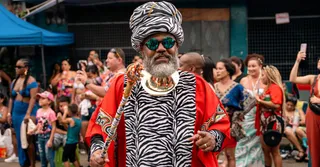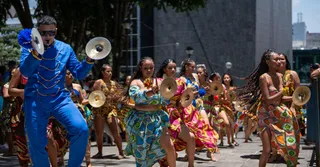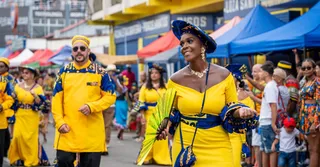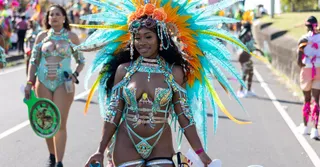
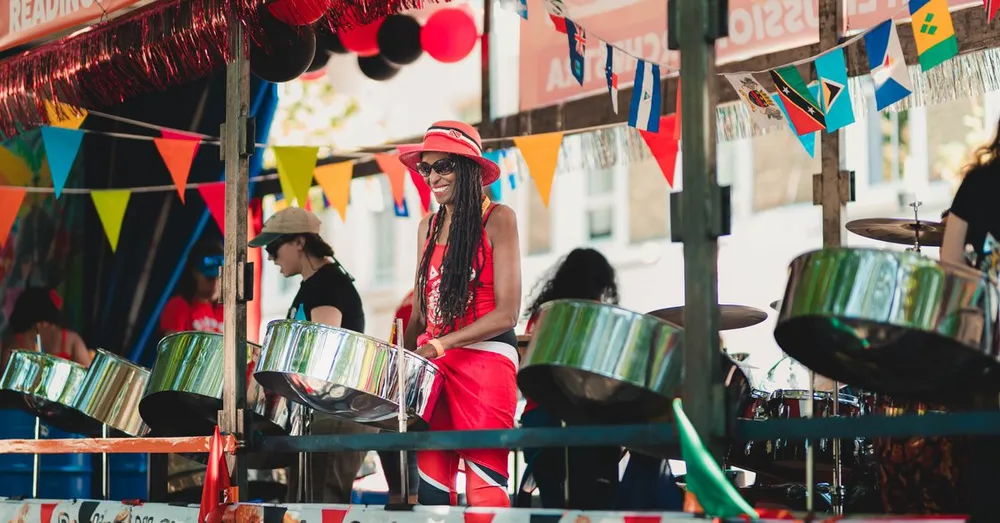
When you live in Guadeloupe, you don’t say you “attend” carnival: you live it, you walk it, you dance it. At first, you think you know carnival — the floats, the glitter, the confetti. Then one January night, in Pointe-a-Pitre, a wall of skin drums rises out of the darkness, dozens of bodies coated in molasses advancing in step, and you understand that Guadeloupe’s carnival is nothing like a show for tourists: it is a collective rite, a memory on the move, an entire season that shapes life across this butterfly-shaped archipelago, from the beach resorts of Grande-Terre to the volcanic slopes of Basse-Terre. For a first stay during this period, it pays to understand the calendar, to know where to stand, and to decode the language of the skin groups. Here is the guide we wish we’d had at our very first gwadloup carnival.
A calendar that stretches from January to March
The first surprise for a newcomer from mainland France: carnival doesn’t follow the metropolitan calendar and isn’t summed up by a single Mardi Gras. It is a long crescendo that starts very early, on Epiphany, the first Sunday after January 6, and doesn’t fade until mid-Lent. Every Sunday becomes a fat Sunday (dimanche gras): a town or a group opens the season, then the pace quickens from weekend to weekend, punctuated by evening street rehearsals.
The heart of the celebration is the fat days (jours gras), just before Ash Wednesday. For 2026, they run from Sunday, February 15 to Wednesday, February 18:
- Fat Sunday: the great parade, often the most colourful, the densest and the most photographed.
- Fat Monday: the day of burlesque weddings, where roles are reversed (men dressed as brides, women as grooms).
- Mardi Gras: the parade of red devils and, at night, the most powerful parades of the skin groups.
- Ash Wednesday: the most emotionally charged day, dedicated to Vaval, the king of carnival. The whole crowd dresses in black and white to mourn his death along the seafront, before he is burned. It is the most moving moment, not to be missed.
And it doesn’t end there: mid-Lent offers one last burst, with the return of the she-devils in red and black. In 2026, it falls on Thursday, March 12.
Good to know: all of this coincides with the Guadeloupean Lenten season (careme), the dry season from December to April, with sunny days around 28-30 degrees. You enjoy ideal weather, perfect for stringing together a morning at Caravelle beach in Sainte-Anne and an evening parade.
Decoding the skin groups, the soul of carnival
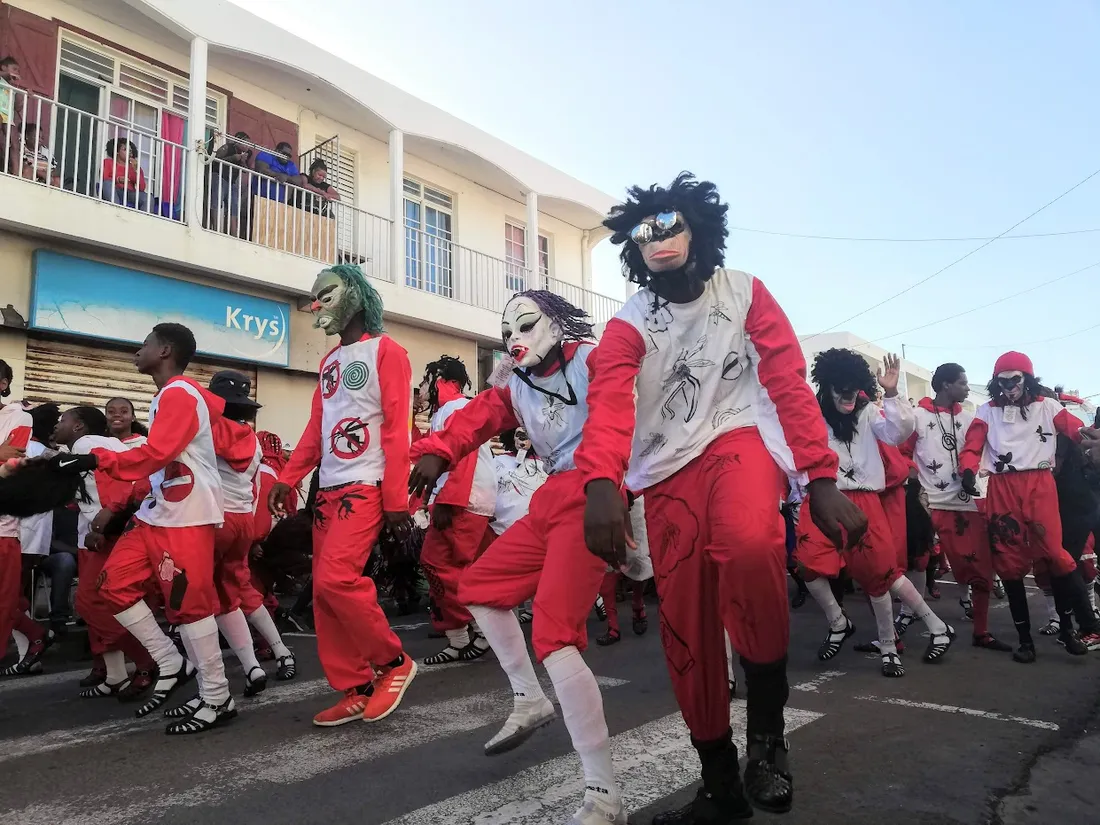
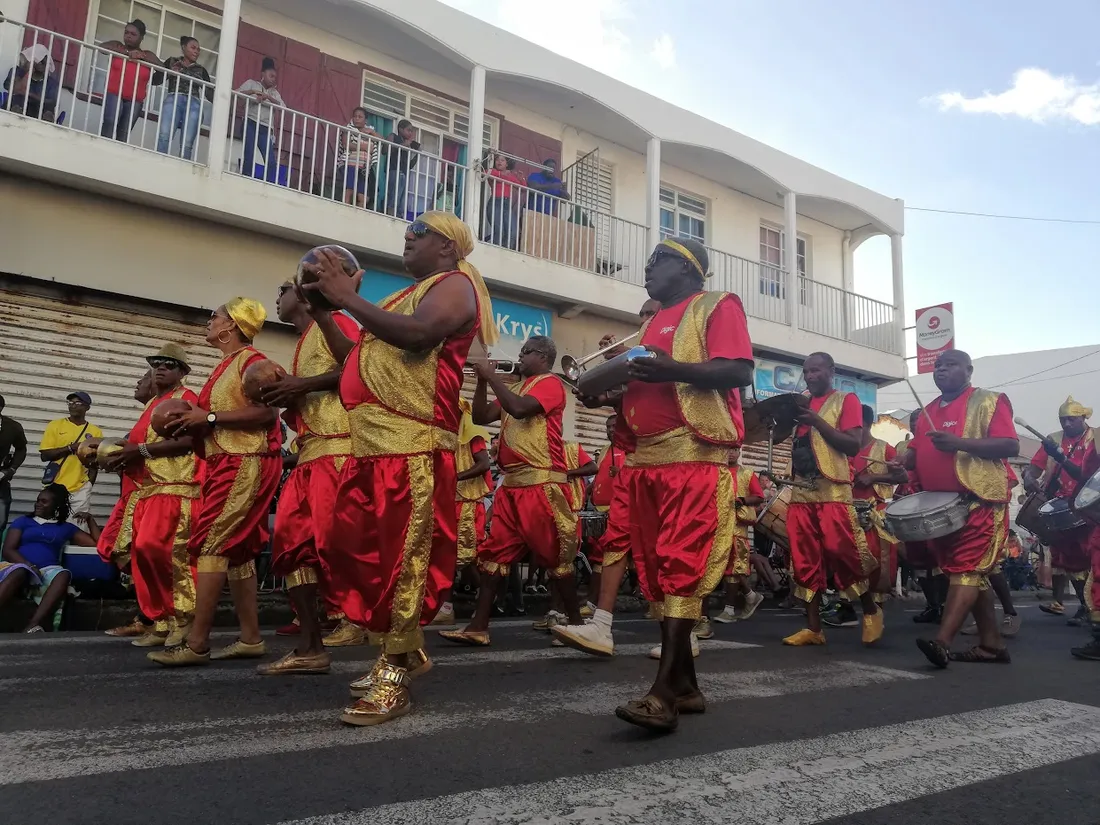
The true essence of Guadeloupe’s carnival lies in the groupes a po (“skin groups”). The name comes from the skin drums (mostly goatskin, sometimes sheep or ox), played with bare hands. No sound system, no glittering floats: only percussion, conch (lambi) horns, the chacha rattle, and Creole chants taken up by hundreds of voices. These ensembles are no mere festive troupes: born from a movement of cultural assertion led by engaged young people of the Pointe-a-Pitre area, they lay claim to an identity, a history, a resistance. Understanding their codes transforms the whole experience.
The emblematic figures
- Mas a kongo: bodies coated in molasses or black mud, they embody the memory of slavery and the resistance of the Maroons. Striking and respected.
- Neg gwo siwo: covered in thick cane syrup, they “charge” the crowd to push it back (keep your distance to avoid getting stained).
- Mas a roukou: skin tinted red with roucou, a local dye plant.
- Mas a goudron: blackened faces, a raw and ancestral aesthetic.
- Mas a lan mo: skeleton costumes evoking death and the ancestors.
How to behave around the skin groups
- Keep your distance: some groups symbolically “charge” the crowd. Step back with a smile — that’s the game.
- Protect light-coloured clothing: molasses, roucou and syrup leave lasting stains.
- Ask before taking close-up photos: these mas carry a strong cultural weight, and attitude matters.
- Let the rhythm carry you: clapping your hands, joining the chants — that’s how you’re welcomed in.
These groups represent the soul of carnival: a syncretic celebration that is at once historical resistance, Creole transmission and collective joy. This is what radically sets the Guadeloupean carnival apart from more touristy ones.
From mas a Saint-Jean to gwo siwo: understanding the styles
Not all skin groups play the same thing. Two great schools shape the archipelago.
The mas a Saint-Jean, the matrix of Pointe-a-Pitre
The mas a Saint-Jean (or mas a sen jan in Creole) is the direct ancestor of the modern skin groups. The name comes from a historic Pointe-a-Pitre group, named after one of its leaders, Victor Emmanuel Bernadin Germain, nicknamed Saint-Jean. Originally, the musicians played on drums improvised from tin cans covered with goatskin: a polymetric music, each drummer playing in the interval left by his neighbour.
It is from this root that Akiyo emerged, the most emblematic group of the Pointe-a-Pitre area. And the tradition stays alive: for 2026, a new group, Sikamas, revisits this Saint-Jean foundation with a sway closer to zouk. Not a frozen folklore, then, but a culture reinventing itself.
Gwo siwo and Mardi Gras in Basse-Terre
In Basse-Terre, the prefecture regarded as the cradle of Guadeloupean carnival, the celebration takes on a rougher, more telluric colour, under the gaze of La Soufriere (1,467 m). Here gwo siwo prevails, that heavy rhythm tied to bodies covered in syrup. The figure not to miss is Voukoum (“disorder” in Creole). Born on March 20, 1988 in the Bas-du-Bourg neighbourhood, this movement claims an openly African heritage. Its members parade in costumes called mas boukliye (white) and mas banmou (red). Voukoum is best known for its night parades, and Mardi Gras in Basse-Terre remains a high point to experience at least once, alongside groups like K’Mawon or Leritaj.
The great routes: where and when to live the best parades
Two main stages shape Guadeloupe’s carnival, each with its own personality. If your stay is short, choose according to the atmosphere you’re after.
Basse-Terre, the historic and telluric carnival
The prefecture is the cradle of Guadeloupean carnival. Its fat-Sunday parade descends the boulevard du General de Gaulle toward the seafront, with the spectacular backdrop of La Soufriere. The atmosphere is more traditional, more rooted in heritage — especially on Mardi Gras, to experience gwo siwo and the energy of Voukoum facing the volcano.
To find a good spot:
- Arrive 2 to 3 hours before the announced start to grab a shaded curb.
- Favour the area near the seafront: the groups give their best energy at the end of the route.
- Allow about 45 minutes to 1 hour of driving from southern Grande-Terre (Le Gosier, Sainte-Anne) depending on traffic, which is heavy on the fat days.
Pointe-a-Pitre, the most spectacular carnival
The economic hub of the archipelago, Pointe-a-Pitre offers the most massive and festive parade. The route takes the major arteries of the centre, often around place de la Victoire and the quays. Dozens of groups, sometimes more than a thousand participants per ensemble, parade for hours, carried by the sen jan style and groups like Akiyo.
My local tips:
- Position yourself at place de la Victoire: you’ll see the full procession of groups and enjoy the stands selling bokit (the local fried sandwich, 4 to 6 euros) and cane juice.
- Avoid driving downtown: park on the outskirts and walk, or carpool. The streets are closed and traffic is saturated.
- For families, choose the start of the route, more open and less crowded than the finish.
And elsewhere: the more intimate night parades
Le Gosier and Sainte-Rose host more intimate night parades, perfect for getting close to the skin groups without the big-city crowds.
Tip from experience: bring earplugs for the children, water, a cap and closed shoes. The skin groups come out mostly at night, the sound of the drums is physical — you feel it in your chest — and you’ll be standing for a long time. To locate these towns and plan your days, our complete guide to Guadeloupe gives you the full overview.
Organising your stay during carnival
Carnival remains the local high season par excellence: demand for accommodation surges during the fat-day weeks. A few tips for a smooth stay from Pole Caraibes airport (Pointe-a-Pitre):
- Book early: accommodation goes fast during the fat-day weeks.
- Stay in Grande-Terre (Le Gosier, Sainte-Anne, Saint-Francois) to combine evening parades and turquoise beaches like Caravelle in Sainte-Anne or Pointe des Chateaux, while staying within reach of Basse-Terre for Mardi Gras.
- Rent a car: essential for reaching Basse-Terre, the Carbet Falls or the Cousteau Reserve at Malendure on parade-free days.
- Alternate festivity and nature: between two parades, a morning snorkelling at the Pigeon Islets or an excursion to Les Saintes (Terre-de-Haut) perfectly balances the trip.
To find your bearings across the archipelago and plan your days, browse our rentals in Guadeloupe, chosen for their proximity to the festive towns.
Why book with Hostel Toucan
At Hostel Toucan, we are residents and we walk the carnival every year: we know every route, every town, every good spot to live it without stress. By booking directly with us, you benefit from:
- Direct booking with no platform fees: you pay the fair price.
- Free cancellation up to 7 days before arrival, for booking with complete peace of mind.
- WhatsApp assistance 7 days a week: a parade time, a night-time itinerary, a bokit address? We answer fast.
Do you own a property in Guadeloupe and is the strong carnival demand of interest? Discover our concierge offer on the owners page.
Guadeloupe’s carnival isn’t an attraction, it’s a transmission. Once you’ve understood the mas a Saint-Jean, the gwo siwo and the charge of the skin groups, you’ll never watch a parade the same way again. Well prepared, well placed, well housed: all that’s left is to let yourself be carried away, to the sound of the drums and under the sun of the dry season.
FAQ
When does the Guadeloupe carnival take place in 2026?
Carnival begins on Epiphany, the first Sunday after January 6, with successive fat Sundays. The heart of the celebration, the fat days, runs from Sunday, February 15 to Wednesday, February 18, 2026, the day Vaval, the king of carnival, is burned. One final gathering takes place at mid-Lent, on Thursday, March 12, 2026.
What are the skin groups?
The skin groups (groupes a po, “skin groups”) parade to the rhythm of skin drums, conch horns and Creole chants. Among them are the mas a kongo coated in molasses, the neg gwo siwo covered in cane syrup, the mas a roukou in red, and the mas a lan mo dressed as skeletons. They embody the Creole soul and the memory of resistance.
What is the mas a Saint-Jean?
The mas a Saint-Jean (mas a sen jan) is the founding style of the skin groups, born in Pointe-a-Pitre and named after one of its historic leaders nicknamed Saint-Jean. Originally played on drums made from tin cans covered with goatskin, it is characterised by polymetric music. The group Akiyo is its best-known heir.
Where can you see the finest parades of the Guadeloupean carnival?
Two major stages: Pointe-a-Pitre, the most massive and festive, around place de la Victoire with the sen jan style; and Basse-Terre, the historic cradle, the most authentic and telluric, especially on Mardi Gras with gwo siwo and Voukoum facing La Soufriere. Le Gosier and Sainte-Rose offer more intimate night parades. Arrive 2 to 3 hours before the start and bring water and ear protection.
What is the best time to come during carnival?
Carnival coincides with the dry season, from December to April, with sunny days around 28-30 degrees. It’s ideal for alternating parades, the turquoise beaches of Grande-Terre and excursions to Basse-Terre, Les Saintes or the Cousteau Reserve on parade-free days.