Night or day launch at Kourou: which one should you choose?
Published on August 12, 2026 · by Ismael Samuel
When two launch windows come up and you can only make the trip once, the question lands straight away: is it better to aim for a night launch or a day launch? The answer is not a matter of taste — the two deliver genuinely different experiences, and the gap widens with the distance you will be watching from. Here is what you need to settle it.
What night changes on the equator
First thing to take on board: in French Guiana, the sun sets around 6.30pm all year round, and night falls fast, with no long twilight. There is no such thing as a “summer evening” here. In practice, any launch scheduled after 7pm is a full-darkness launch, and a launch around 6-6.30pm unfolds in a light that flips over in a matter of minutes — often the finest scenario of all.
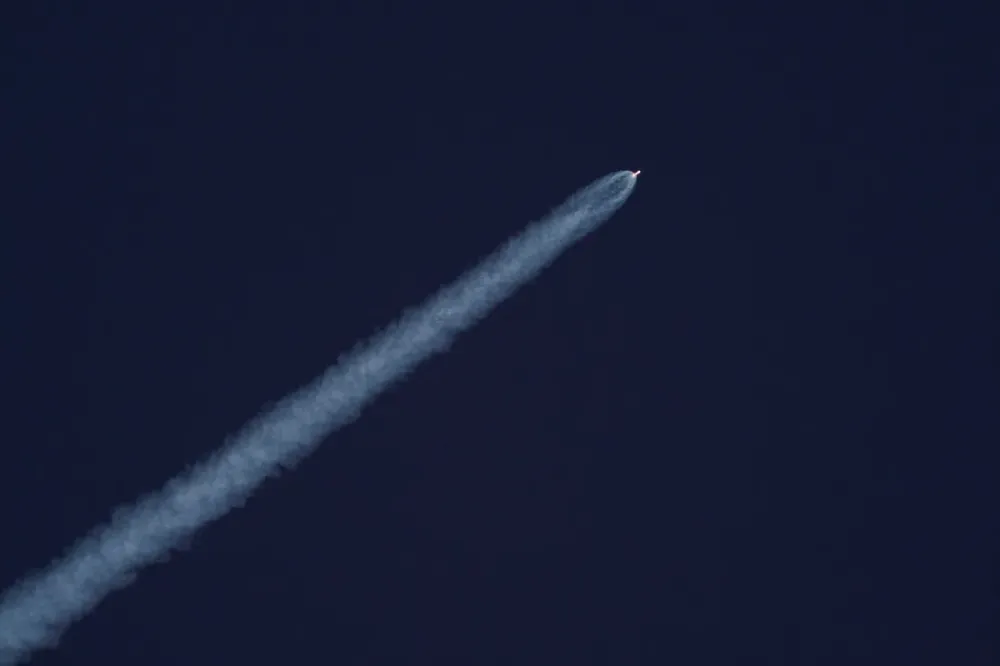
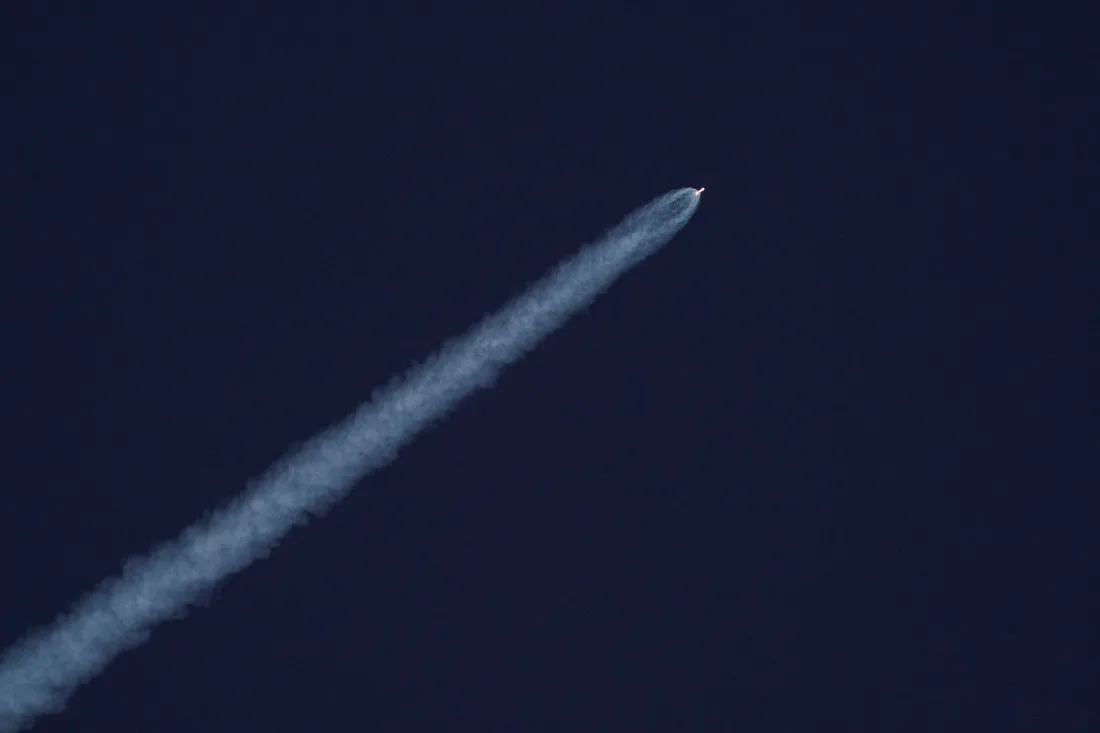
What you see: the launcher’s flame lights up the sky and sometimes the clouds. The column of light is visible from a very long way off, and the trail stays perceptible long after lift-off. When the rocket crosses a cloud layer, it illuminates it from the inside — an image nobody forgets.
Its strengths:
Visible from a very long way off. From Cayenne, Rémire-Montjoly or Matoury, roughly 60 km away, a night launch remains impressive: an extremely bright point climbing and tilting eastwards.
Maximum contrast, so a guaranteed effect even without any camera gear.
Booster separation is sometimes visible as a brief flash or as the bright point splitting in two.
Its limits:
You do not see the rocket, only its flame. Neither the structure, nor the colours, nor the launch pad.
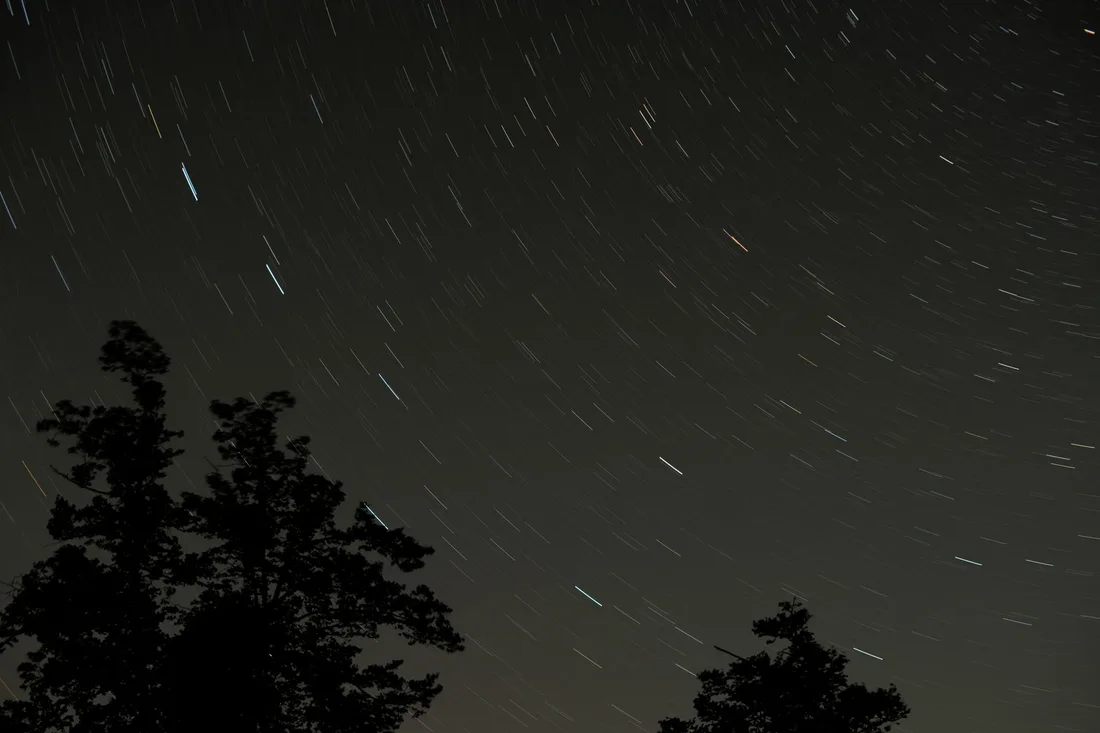
Street lighting ruins everything. A single street lamp in frame wrecks both the view and the photo. You have to go looking for darkness.
The logistics are heavier: reaching a spot in the dark, driving back on unlit roads, mosquitoes at their peak.
The day launch: legibility
What you see: if you are close by — the official viewing sites are around 5 km away — you can make out the launcher itself on its pad, the ignition, the water deluge, the structure rising, the massive white smoke, and sometimes booster separation with the naked eye.
Its strengths:
You see the rocket, not just a light. For anyone coming out of technical interest, that is decisive.
The logistics are simple: easy scouting, parking, a daylight drive home.
Better for children, who follow it more easily and wait in far better conditions.
Its limits:
Not very spectacular from a distance. From Cayenne, a daytime launch comes down to a bright dot and a plume of smoke you have to hunt for. Plenty of spectators come away disappointed.
The heat. Waiting two hours in full sun at 31 °C, with no shade, is punishing. Cap, water and sun protection are non-negotiable.
A hazy sky sharply reduces the contrast.
The decision table
Your situation
Go for
You will be watching from Cayenne or Rémire-Montjoly (~60 km)
Night, without hesitation
You have a place at an official viewing site (~5 km)
Day, to see the rocket itself
You will be in Kourou (~10-15 km)
Both work; night is more spectacular
You are coming with young children
Day, easier to manage
You are coming to photograph it
Night, if you have a tripod; day otherwise
You are coming out of technical interest
Day
What about photography?
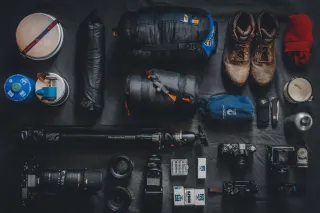
This is often the argument that settles it. A night launch produces the strongest images — light trail, illuminated clouds — but it demands a tripod and manual settings. Without a tripod, a night photo will be blurred and disappointing, whereas a recent phone gives a decent result in daylight.
Three factors weigh more heavily than this trade-off, and they are the ones to deal with first:
Cloud cover. A low ceiling ruins a day launch just as thoroughly as a night one. It is the number one risk, especially in the rainy season (December to July).
A clear horizon on the right bearing, with no building or coconut palms in the way. Scout it the day before, at the same time of day.
And remember that a launch window can slip: a daytime launch that gets postponed can become a night one, and vice versa. See why a launch gets postponed.
Our recommendation
If you are coming from far away and will not be watching from an official site, aim for a night launch. It is the experience that leaves the deepest mark, it works at every distance, and it requires no particular equipment to be enjoyed.
If you have secured a place at a viewing site, day takes the lead: it is the only case in which you will see the launcher itself, and that sight is not one you can make up for later.
Planning your trip
Whatever time the launch is set for, two rules do not change: book several nights around the window, and do not schedule your return flight for the next day.
At Hostel Toucan, our properties in Kourou, Cayenne, Rémire-Montjoly and Matoury cover both viewing strategies. Direct booking with no platform fees, free cancellation up to 7 days before arrival — handy when a window shifts — and WhatsApp support 7 days a week to confirm the exact time and the best spot for you. Browse our rentals in French Guiana, the 2026 launch calendar and the free viewing spots in Kourou.
Do you own a property in Kourou? Our property management service captures the demand generated by launch nights.
In summary
A night launch is more spectacular, visible from much further away — including from Cayenne 60 km out — and needs no equipment to be enjoyed: it is the default choice. A day launch only takes the lead if you are close by, at an official viewing site, because that is the only case in which you will see the rocket itself rather than its flame. Either way, cloud cover and a clear horizon count for more than the time of lift-off.
FAQ
Is a night launch really more impressive?
From a distance, yes, very clearly so. The flame lights up the sky and sometimes the clouds, the trail stays visible for a long time, and the effect carries all the way to Cayenne, roughly 60 km away. In daylight at that distance, the launch comes down to a bright dot and a plume of smoke you have to hunt for, which leaves many spectators disappointed. At night, on the other hand, all you see is the light: neither the launcher’s structure nor the pad.
What time does it get dark in French Guiana?
The sun sets around 6.30pm all year round, with night falling quickly and no long twilight, since French Guiana lies between 2 and 6 degrees north of the equator. So there are no long light evenings: any launch scheduled after 7pm takes place in full darkness, and a launch around 6pm benefits from a light that flips over in a matter of minutes, often the finest compromise of all.
Do you need a special camera for a night launch?
A tripod is essential. Without one, a night photo will be blurred whatever the camera: the exposure times required cannot be held by hand. In daylight, by contrast, a recent phone gives a decent result. If you have no tripod and you are set on bringing images home, a daytime launch is the safer bet.
Does the day-or-night choice matter more than distance?
No. The gap between watching from 5 km at an official site and from 60 km in Cayenne is far more decisive than the time of lift-off. Next comes cloud cover, which can hide a launch within seconds whatever the hour, then the quality of your horizon. Sort those three points out before worrying about the day/night choice.
Nous utilisons des cookies de mesure d'audience et de publicité pour améliorer votre expérience
et nos campagnes. Vous pouvez accepter ou refuser. Voir notre
politique de confidentialité.