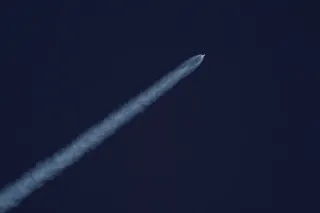
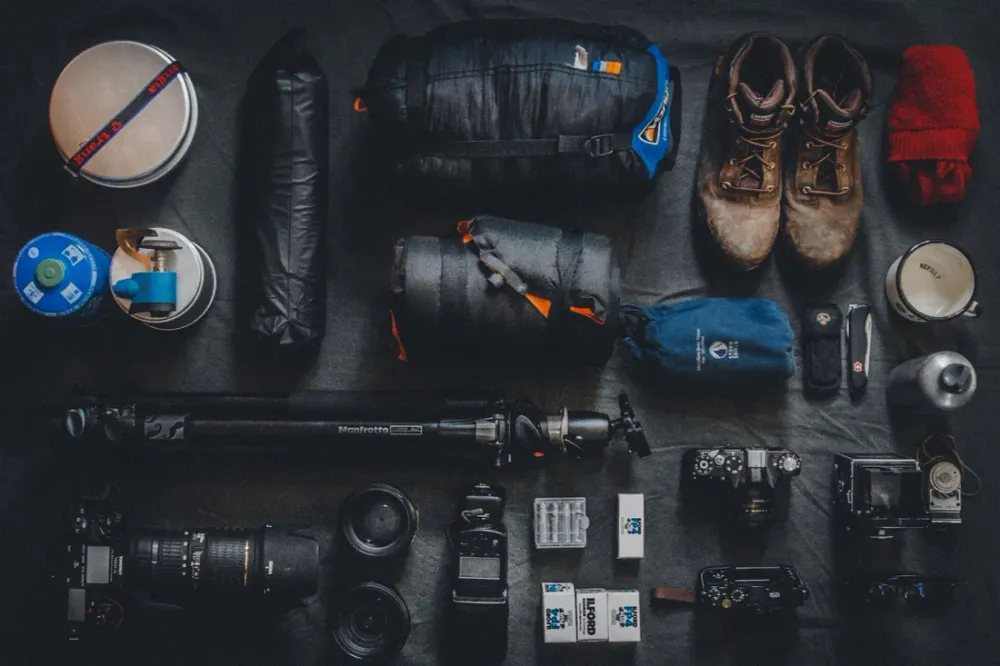
A launch means a few minutes of spectacle for three to five hours of waiting, usually outdoors, in 30 °C heat and 85 % humidity, with mosquitoes coming out at dusk. The difference between a magnificent memory and a miserable evening comes down to a properly packed bag. Here is what to bring, what is pointless, and what changes depending on whether you are on an official site or a public spot.
The essentials, whatever the case
Against mosquitoes
This is priority number one, even ahead of water. From dusk onwards — around 6.30pm all year round — mosquitoes come out in numbers, and standing still for two hours in shorts quickly becomes unbearable.
- An effective repellent, applied before you arrive and topped up later.
- A lightweight long-sleeved top and thin trousers. More effective than any product.
- Possibly socks: ankles are the favourite target.
Our guide to protecting yourself from mosquitoes in French Guiana sets out the products that genuinely work.
Against heat and sun
For a daytime launch, waiting in full sun is the real risk.
- More water than you think you need: at least 1.5 litres per person. Humidity masks dehydration.
- A cap or hat, and sunscreen: on the equator the UV index is high even under a hazy sky.
- Something to snack on. Shops close early and there is nothing on site.
For the wait
- A light folding chair or a mat. Three hours on your feet is not reasonable.
- A light rain jacket, whatever the season: a tropical downpour arrives within minutes.
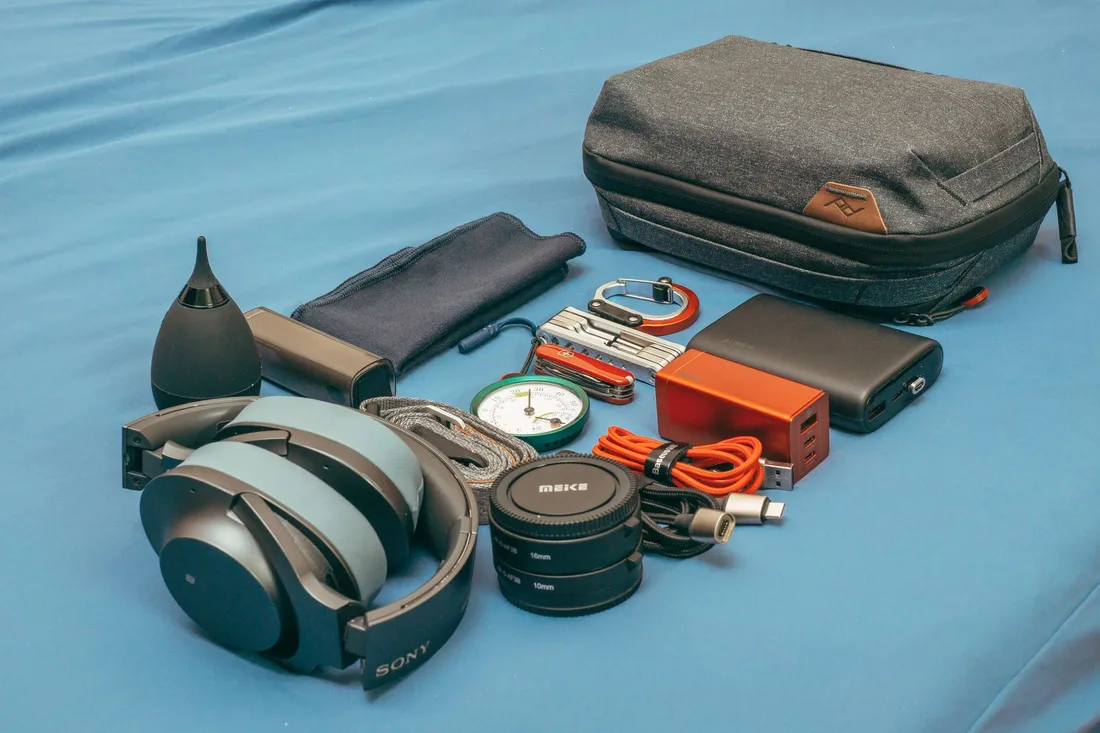
- A power bank: phone, camera, and long hours with no socket.
- Cash: the small businesses around the spots do not all take cards. See paying in French Guiana outside Cayenne.
For a night launch
- A red-light headlamp. It lights your way without destroying your night vision or your neighbours’ — and without ruining photos.
- An extra layer: after a downpour and with the sea breeze, you can get cold, even here.
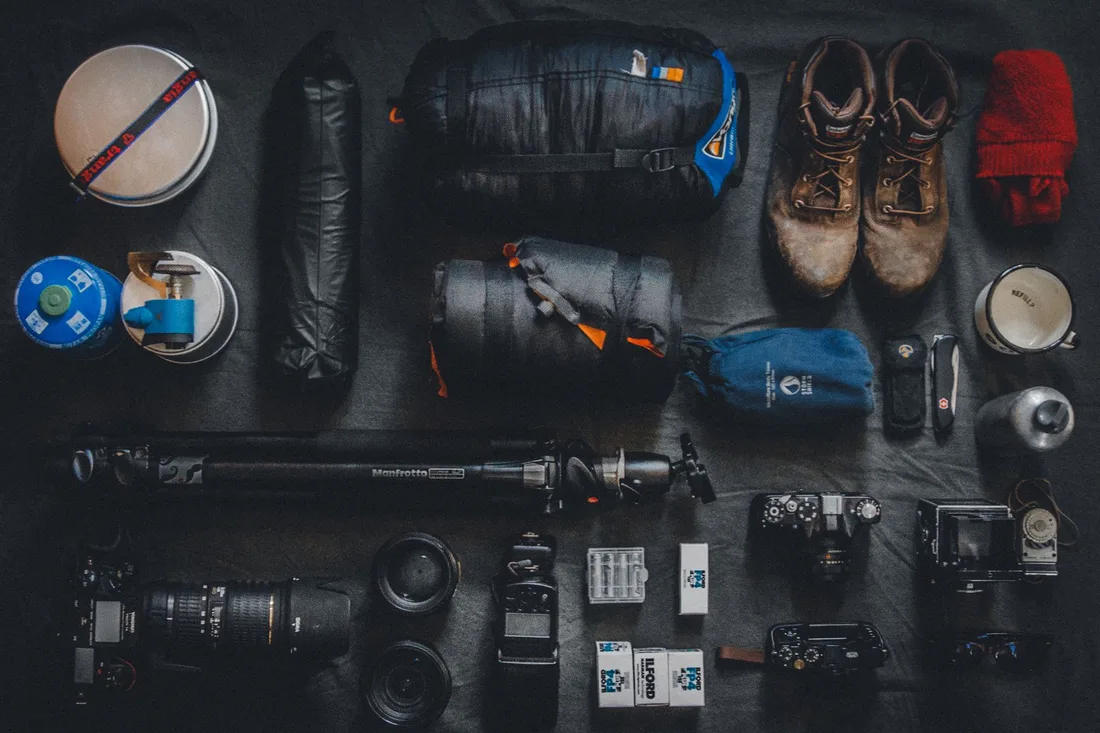
Camera gear
Adapt it to your goal, but two simple rules:
- A tripod is mandatory for a night launch; without one, no shot will be sharp.
- A microfibre cloth: stepping out of an air-conditioned car, your lens instantly fogs up. Take the gear out 20 minutes beforehand.
Detailed settings are in our guide to photographing a rocket launch.
And remember: do not spend the launch behind a screen. Start a wide-angle video on a tripod, then look up at the sky.
What changes at an official viewing site
If you have a place at a Space Centre site, a few items get added — and others become forbidden.
Do not forget:
- Your ID, checked every time. Without it, no access, no exceptions.
- Your registration confirmation, printed or on your phone.
- The arrival times you are given: they are not indicative. Once the gates close, they do not reopen.
Leave at home:
- Any drone, strictly banned in the vicinity of the Space Centre.
- Bulky unauthorised equipment: check the instructions sent with your confirmation.
Also bear in mind that you will not be able to leave before operations end. Plan accordingly, especially with young children.
What changes at a public spot
You are free, but you are on your own for the logistics.
- Scout the site the day before, at the same time. This is the single most valuable tip: you will see the actual lighting, the obstacles and the parking.
- Arrive two hours early. Clear spots fill up, and traffic builds in Kourou on launch evenings.
- Have a plan B less than ten minutes away: a safety perimeter can close off an access you had counted on.
- Plan the journey back: waiting 15 to 20 minutes after the launch is enough to avoid the worst of the traffic jams.
The locations are detailed in watching a launch for free in Kourou.
With children
- Ear defenders if you are at a nearby site: the sound arrives some fifteen seconds after the image and you feel it physically.
- Something to fill the wait: it is long for them, and the rocket only lifts off at the end.
- A meal or snack, eaten before the peak of the wait.
- An extra layer of clothing for the night.
Our guide to travelling in French Guiana with the family gives the general framework.