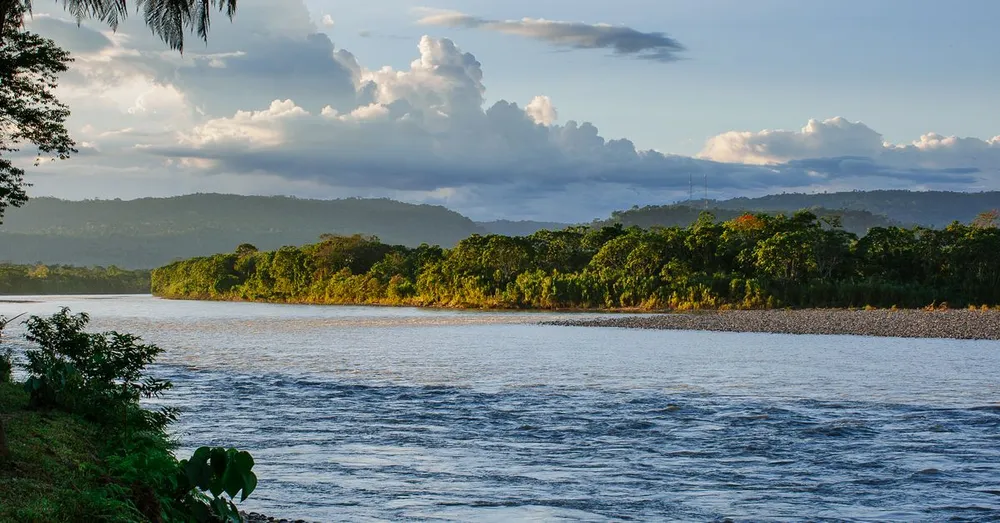
When people ask me where to take a traveler who really wants to taste French Guiana, I never answer Cayenne. I answer: take the Eastern road. Head for Roura, then climb up to Cacao. In a single day, you cross three cuisines that sum up the whole melting pot of the territory: the Creole of the carbets along the river, the Asian fare of the Hmong refugees from Laos, and the plant-based dishes of the Amerindian and Bushinengé abattis. To my mind, this is the best snapshot of French Guiana food culture I know after years of wandering these tracks.
Here is the itinerary I recommend to our travelers, landmark by landmark, with the real prices and the real travel times.
Why the Eastern road is a gourmet playground
The Eastern road (RN2, then D6) links Cayenne to Régina, heading toward the forest. Roura sits about 35 km from Cayenne, a 45-minute drive. Cacao, perched in the hills, takes another hour from the D6 junction: count on 1h30 to 1h45 in total from the coast.
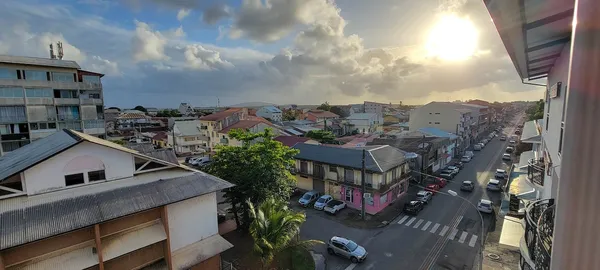
Along this ribbon of asphalt, French Guiana changes its face every twenty kilometers. You leave the coastal mangrove to enter a greener, hillier French Guiana, where each community has imported or invented its own cuisine. Gastronomy here is not a backdrop for tourists: it is the everyday life of the locals.
A piece of advice I always repeat: a car is essential. No reliable public transport serves Cacao. Rent a vehicle as soon as you arrive at Félix-Éboué airport (Matoury) and favor the dry season, from mid-July to mid-November: the secondary tracks are far more passable then and the markets are livelier.
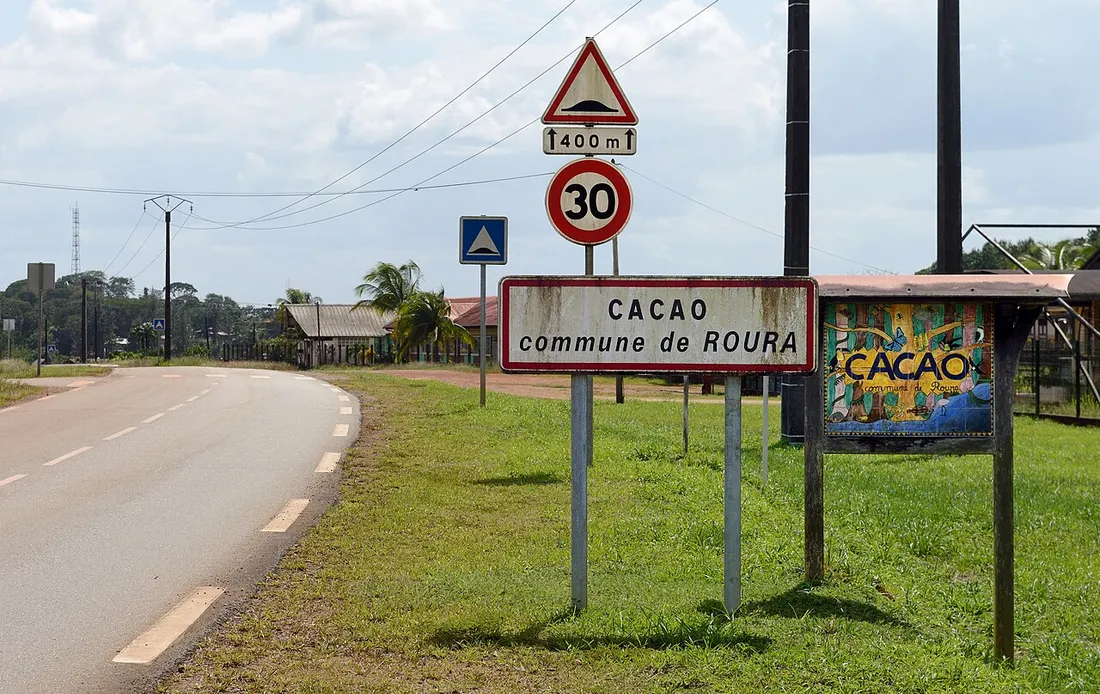
Morning: Roura, carbets and Creole flavors by the water
The village of Roura and the river
Start early, around 8 a.m., to enjoy the cool morning air. Roura is a quiet village set on the banks of the Oyak river. The little church, the colorful Creole houses and the landing stage set the tone: here, life moves to the rhythm of the water.
Before heading up to the heights, I recommend a local breakfast. Look for vendors selling manioc cakes (couac), fresh maracuja juice or Guianese coffee. Count on 2 to 4 euros for a decent snack.
The gourmet carbets by the water
Around Roura and along the road to Kaw, several carbets (traditional open thatched huts) serve no-frills Creole cooking. It is the chance to discover:
- awara broth, an emblematic dish simmered for hours (often to be ordered the day before);
- fricassée of game or river fish;
- fragrant chicken colombo;
- cod accras as a starter.
A main course runs around 12 to 18 euros. Many carbets operate mainly on weekends: call before driving out during the week. The local dialing code is +594.
The Kaw marsh option
If you have an adventurous streak, push on toward the Kaw marsh, one of the region’s must-sees, about an hour from Roura on a winding road. There you can watch caimans, scarlet ibises and birds at sunset from a pirogue. Best combined on a separate day if you really want to savor Cacao without rushing.
Midday: Cacao, the Hmong village and its Sunday market
A singular history
Cacao is one of the most surprising places in French Guiana. The village was founded in the late 1970s by Hmong families, refugees from Laos after the Indochina War. In a few decades, these farmers turned the hills into market gardens and made Cacao the granary of French Guiana. Even today, a large share of the vegetables sold in Cayenne comes from here.
The Sunday market, a must
If you only remember one thing: come on a Sunday morning. The Cacao market, open roughly from 7 a.m. to 1 p.m., is a festival for the taste buds. There you can savor:
- the famous Hmong soup (pho), a steaming bowl of noodles, fresh herbs and fragrant broth, for 6 to 9 euros;
- nems, fritters and spring rolls of incomparable freshness;
- exotic fruits at peak ripeness: rambutans, lychees (in season), sapodillas, passion fruit;
- colorful Hmong embroidery if you are after an authentic souvenir.
A full meal at the market comes to 10 to 15 euros per person. Arrive before 10 a.m.: the best soup stalls are sometimes sold out by noon.
The insect museum (Le Planeur Bleu)
Right next to the market, this small museum displays an impressive collection of butterflies, tarantulas and beetles from the Amazonian forest. Admission runs around 5 to 7 euros and the visit takes about thirty minutes. Perfect for digesting the soup in the shade.
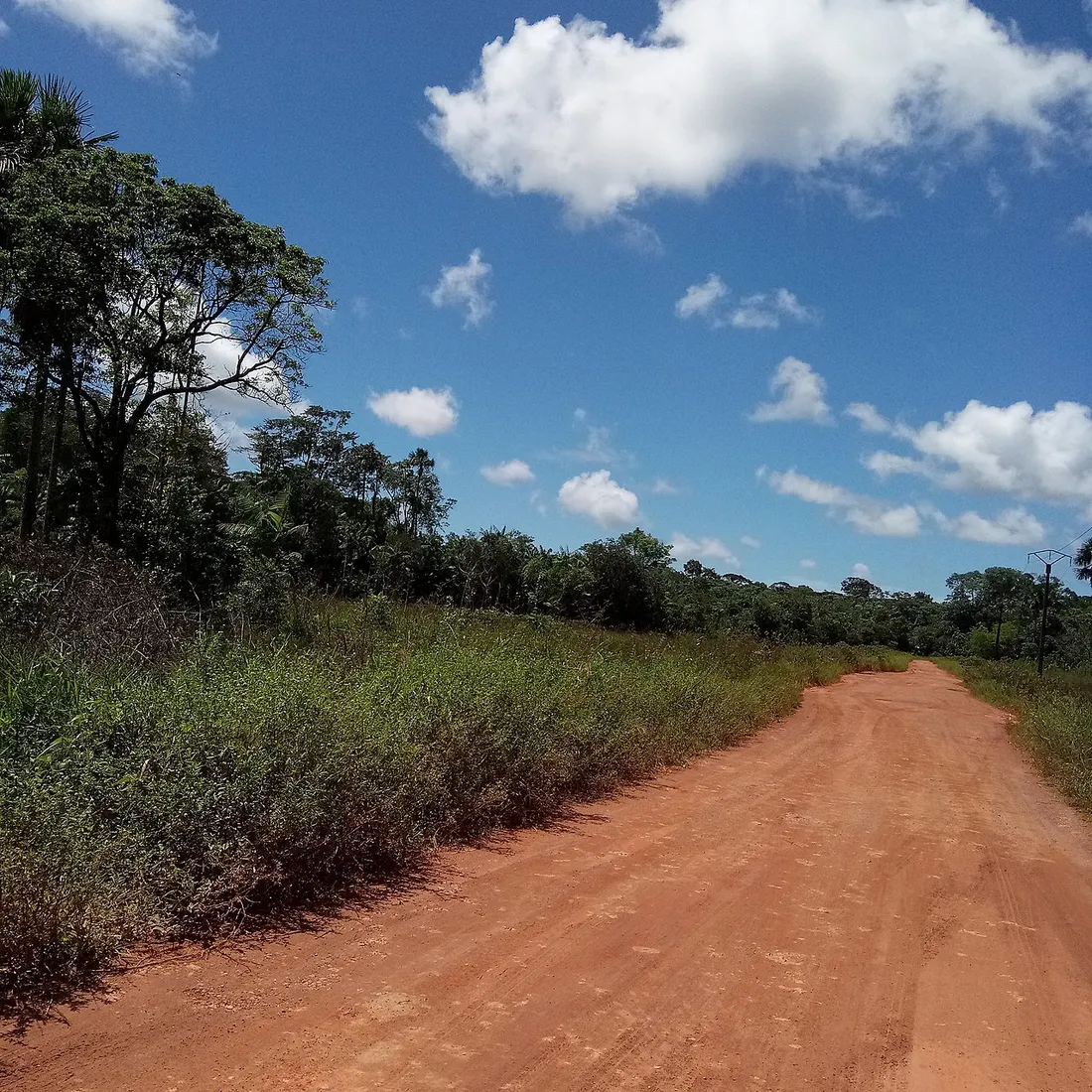
Afternoon: abattis fruits and a return through the forest
Understanding the abattis
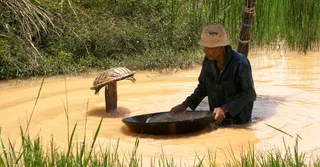
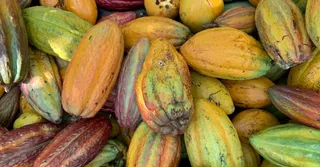
The abattis is the slash-and-burn cultivation plot, a legacy of the Amerindian and Bushinengé peoples. This is where the founding ingredients of Guianese cuisine grow. As you head back down toward Roura, keep an eye on the roadsides: producers sell their harvest directly there.
What to look for depending on the season:
- manioc (the base of couac and cassava bread);
- yams and dachines (taro);
- plantains and ti-figue bananas;
- maracuja, soursop, papaya, pineapple often sold by the piece, 1 to 3 euros;
- vegetarian chilies with an incomparable aroma, without the burn.
This is my favorite part of the day: you exchange a few words, you taste, you leave with a full bag for a few euros. Bring cash: it is essential outside the villages.
Practical tips for the day
So that this gourmet loop goes off without a hitch, here is my checklist:
- Fill up on fuel in Cayenne or Matoury: gas stations become scarce beyond Roura.
- Water and a hat: even while eating a lot, the heat and humidity hit hard.
- Cash: country carbets, the market and abattis vendors rarely accept cards.
- Mosquito repellent from late afternoon, especially near Kaw.
- Mandatory yellow fever vaccine for any stay in French Guiana: think about it before departure.
- Time difference: French Guiana is 5 hours behind Paris in winter, 6 hours in summer, handy for your booking calls.
To plan your stay more broadly, our complete guide to French Guiana details the other must-sees: the Guiana Space Centre in Kourou, the Salvation Islands, Saint-Laurent-du-Maroni or the leatherback turtles of Awala-Yalimapo.
Where to base yourself to explore the Eastern road
Roura and Cacao are best visited from a base on the coast, between Cayenne, Rémire-Montjoly and Matoury. That is precisely where we can help you. At Hostel Toucan, we offer rental accommodation in French Guiana designed for travelers who want to explore without constraints.
By booking directly with us, you enjoy:
- direct booking with no platform fees;
- free cancellation up to 7 days before arrival;
- WhatsApp support 7 days a week, invaluable for fine-tuning your market times or reserving a carbet.
We know the good tips firsthand: the carbet open on the right day, the most reliable pineapple grower, the perfect time for Hmong soup. That is the whole point of a local concierge service.
And if you own a property in French Guiana and want to bring it to life with travelers seeking authenticity, discover our dedicated offer for owners.
My verdict after dozens of trips
The beauty of this loop is that it looks like no tropical cliché. No hotel buffet, no laminated menu. Just three cultures cooking side by side, green hills, and the simple pleasure of eating what grew nearby. If you are looking for authentic French Guiana food culture, book your Sunday, fill up the tank, and let the Eastern road feed you.
FAQ
Which day should you go to the Cacao market?
The Cacao market is held on Sunday morning, generally from 7 a.m. to 1 p.m. It is the ideal time to taste Hmong soup and nems and to buy fresh fruit and vegetables. Arrive before 10 a.m. because the best soup stalls are sometimes sold out before noon. A smaller market sometimes takes place on Wednesdays depending on the season.
How long does it take to get from Cayenne to Cacao?
Count on about 1h30 to 1h45 of driving from Cayenne. You first reach Roura (35 km, 45 minutes) via the RN2, then take the D6 on a winding one-hour road up to Cacao. A car is essential: no reliable public transport serves the village.
How much budget should you plan for this gourmet day?
Count on 25 to 45 euros per person excluding fuel: local breakfast 2 to 4 euros, a meal at the carbet or market 10 to 18 euros, the insect museum 5 to 7 euros, and abattis fruits 1 to 3 euros per piece. Above all, plan for cash: carbets, the market and roadside vendors rarely accept cards.
What is the best time of year for this loop along the Eastern road?
The dry season, from mid-July to mid-November, is the most favorable. The secondary tracks and the roadsides toward the abattis are far more passable, and the markets are livelier. In the rainy season the loop is still doable, but some roads become muddy and slippery.