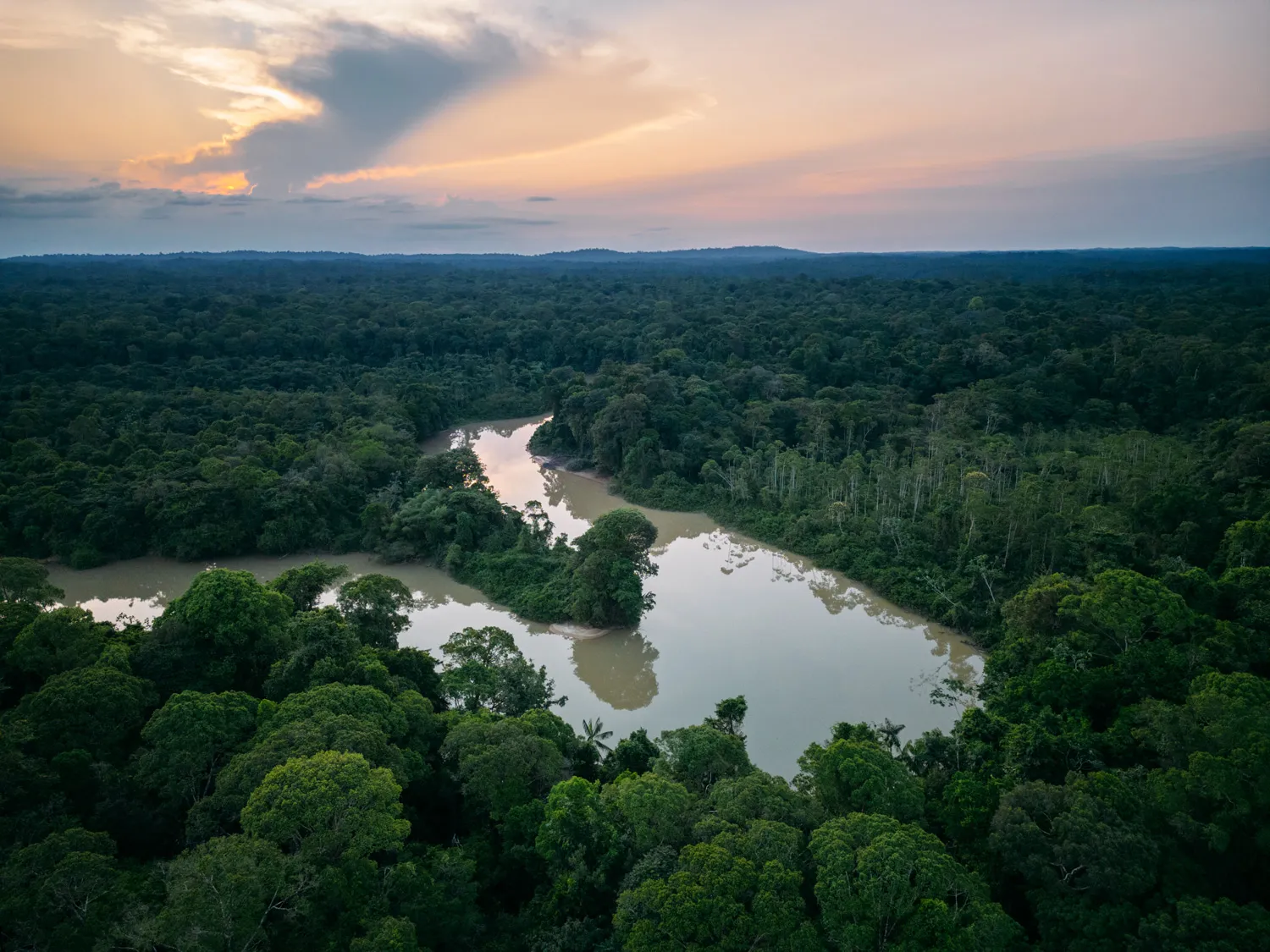
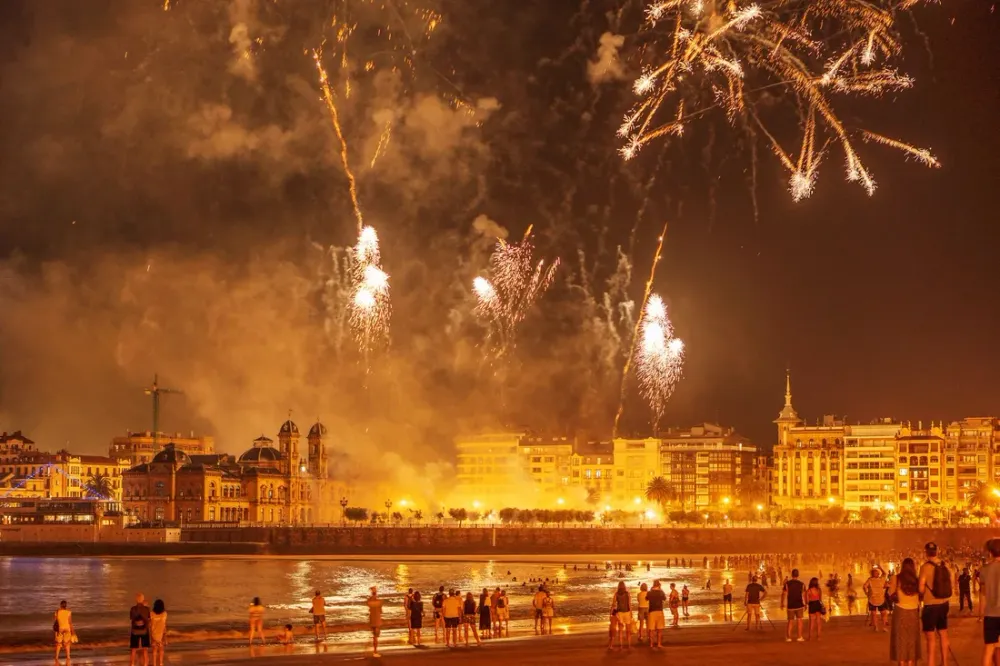
It is the question every traveller staying in the Cayenne area asks when a launch is announced: is it really worth an hour’s drive to Kourou, or can you just step out onto the beach? The answer is yes, you can see a launch from Cayenne — provided you know exactly what to look for, where and when, and accept that it is not the same experience. Here is what you need to decide with your eyes open.
What you will actually see at 60 km
The Cayenne conurbation — Cayenne, Rémire-Montjoly, Matoury — sits roughly 60 km from the launch pad as the crow flies. At that distance:
- You do not see the rocket, but an extremely bright point of light that rises above the horizon a few dozen seconds after ignition.
- That point climbs slowly, then gradually tilts eastwards as it follows the launcher’s trajectory.
- It leaves a trail visible for several minutes, sometimes lit by low sun or moonlight.
- You hear nothing. The sound takes more than three minutes to cover the distance and is far too weakened to be perceived.
The whole thing stays visible for two to four minutes, which is longer than most people imagine. This is no fleeting flash: you have time to follow the ascent.
Day or night: that is the whole point
This is the factor that decides whether the experience is worth it from Cayenne — far more than the vantage point you choose.
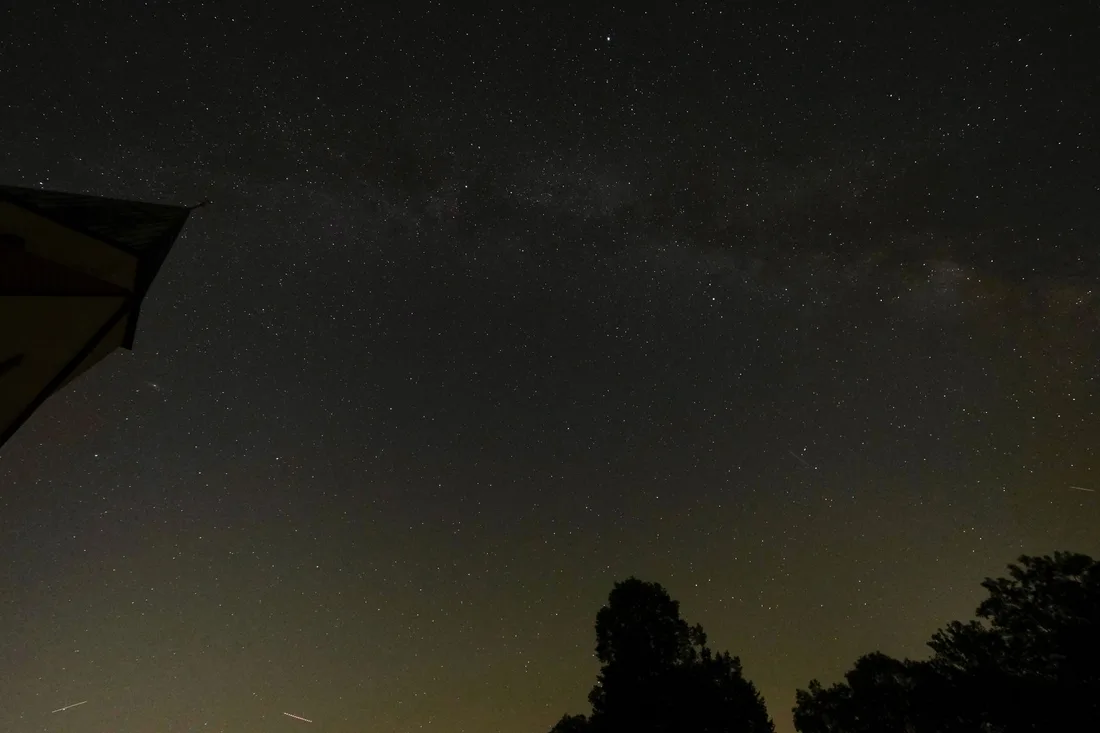
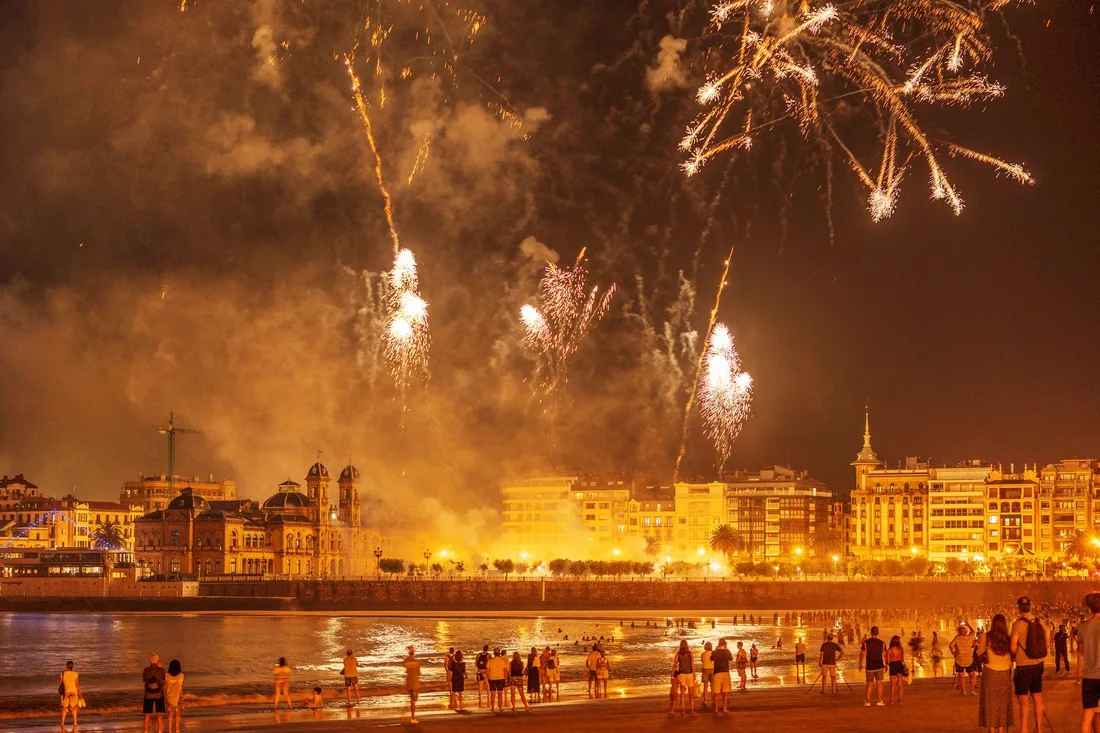
At night, it is spectacular. The point of light is strikingly bright, the trail stands out sharply against the black sky, and if the launcher passes through a cloud layer, that layer lights up from within. Plenty of Cayenne residents step out onto their balcony for this reason alone. Given that night falls around 6.30pm all year round in French Guiana, any evening launch falls into this category.
By day, it is underwhelming. You will be hunting for a bright dot and a thin white column of smoke in a sky that is often hazy. Without knowing precisely where to look, many people see nothing at all. If the launch is in daylight and you really want the experience, make the drive to Kourou: allow about 1 hour (60 km) on the RN1, and leave very early, as traffic thickens on launch days.
Where to stand in the conurbation
The single criterion: a clear horizon towards the west-north-west. Everything else follows from that.
The Rémire-Montjoly shoreline
This is the best choice, by a wide margin. Montjoly beach offers a wide sea horizon, few obstacles and limited street lighting on some stretches. Face west-north-west, move away from the streetlamps if the launch is at night, and bring mosquito repellent — essential from dusk onwards. Our guide to Montjoly beach covers access and parking.
The high ground in Rémire
Any elevated spot with a clear westward view works better than a position at ground level. The Rorota trail area offers viewpoints, but be warned: the trails are not walked at night, and access is barely practicable after dark. Save this for late-afternoon launches.
From a balcony or terrace
This is the most comfortable option, and the most underrated. An upper floor with an unobstructed westward view beats an improvised trip out. If you are booking accommodation knowing a launch is scheduled, ask about the orientation before you confirm.
What does not work
- Central Cayenne, where buildings block the line of sight.
- Any position facing east or south.
- A spot under a streetlamp for a night launch.
The step-by-step, minute by minute
From Cayenne, the difficulty is not the distance: it is that nothing warns you. There is no audible countdown, no announcement, no crowd stirring. If you are looking elsewhere at T-0, you have missed it.
- Check the exact launch time during the day, then check again an hour before: windows shift. See the 2026 launch calendar at Kourou.
- Be in position 10 minutes early, facing west-north-west.
- Work out the bearing in advance: the direction of Kourou from where you are. Your phone’s compass is enough.
- Put your screen away at T-2 min. Lift-off happens at the announced time, to the second when all goes well.
- Search right at the horizon, not up high. The point appears low, then climbs.
- Stay 3 to 4 minutes after it appears: the end of the ascent and the lingering trail are often the finest part.
Cayenne or Kourou: how to decide
| Your situation | Our recommendation |
|---|---|
| Night launch, you are staying in Cayenne | Stay put. Montjoly beach is more than enough |
| Daytime launch, you are staying in Cayenne | Make the drive to Kourou |
| You want to hear the lift-off | Kourou, no other option |
| You are travelling with young children | Cayenne at night, to avoid 2 hours of driving and the crush |
| It is your only launch and you have come a long way | Kourou, without hesitation |
The full comparison of distances and what you perceive at each is in what you really see of a launch depending on distance, and the Kourou-side spots in watching a launch for free at Kourou.